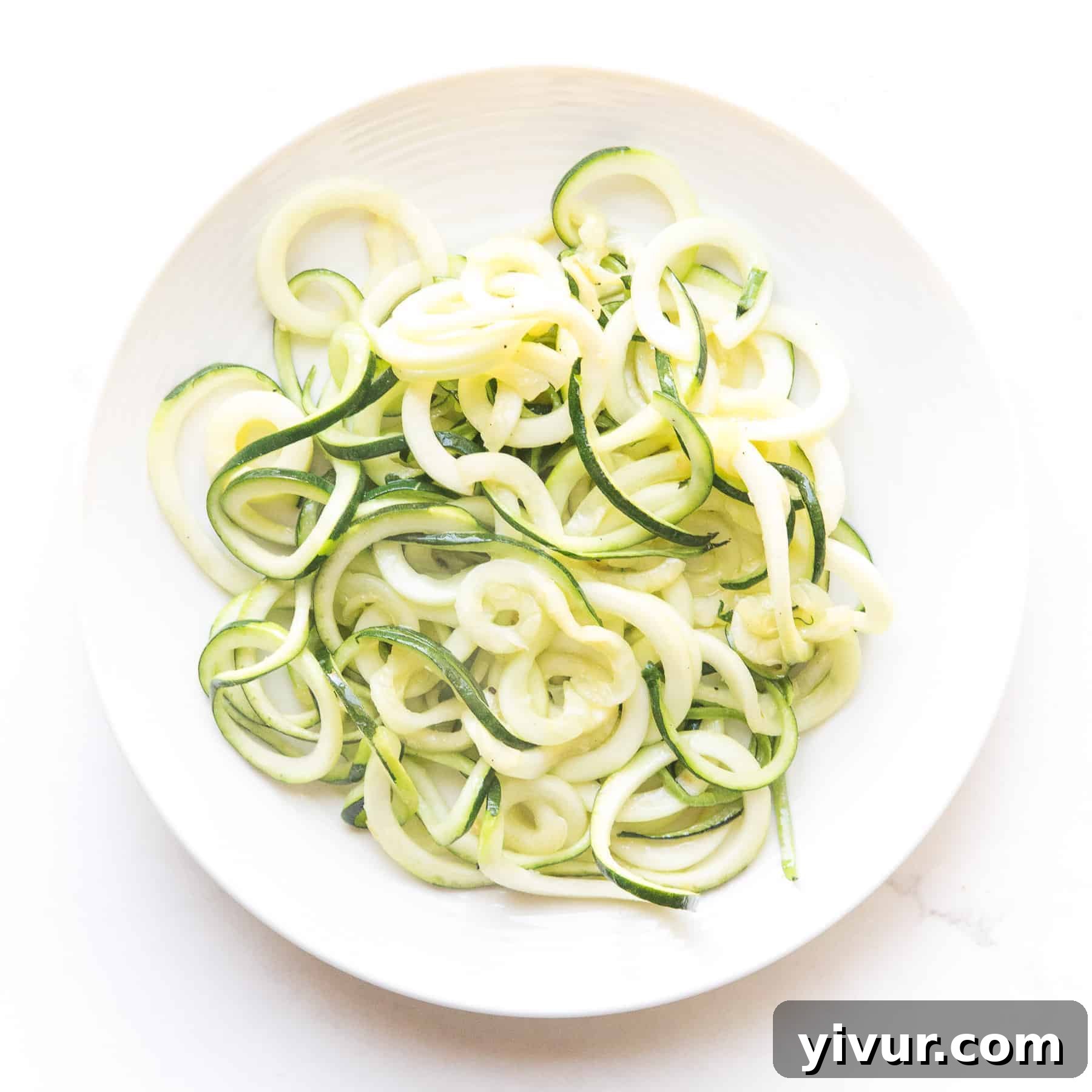
The Secret to Perfectly Al Dente Whole30 & Keto Zucchini Noodles (No More Soggy Zoodles!)
Unlock the ultimate secret to flawlessly firm and flavorful zucchini noodles that defy the dreaded sogginess! This comprehensive guide reveals how to prepare al dente zoodles perfect for Whole30, Keto, Paleo, low-carb, gluten-free, and plant-based diets. Say goodbye to watery messes and hello to the ultimate healthy pasta alternative that will transform your meals.
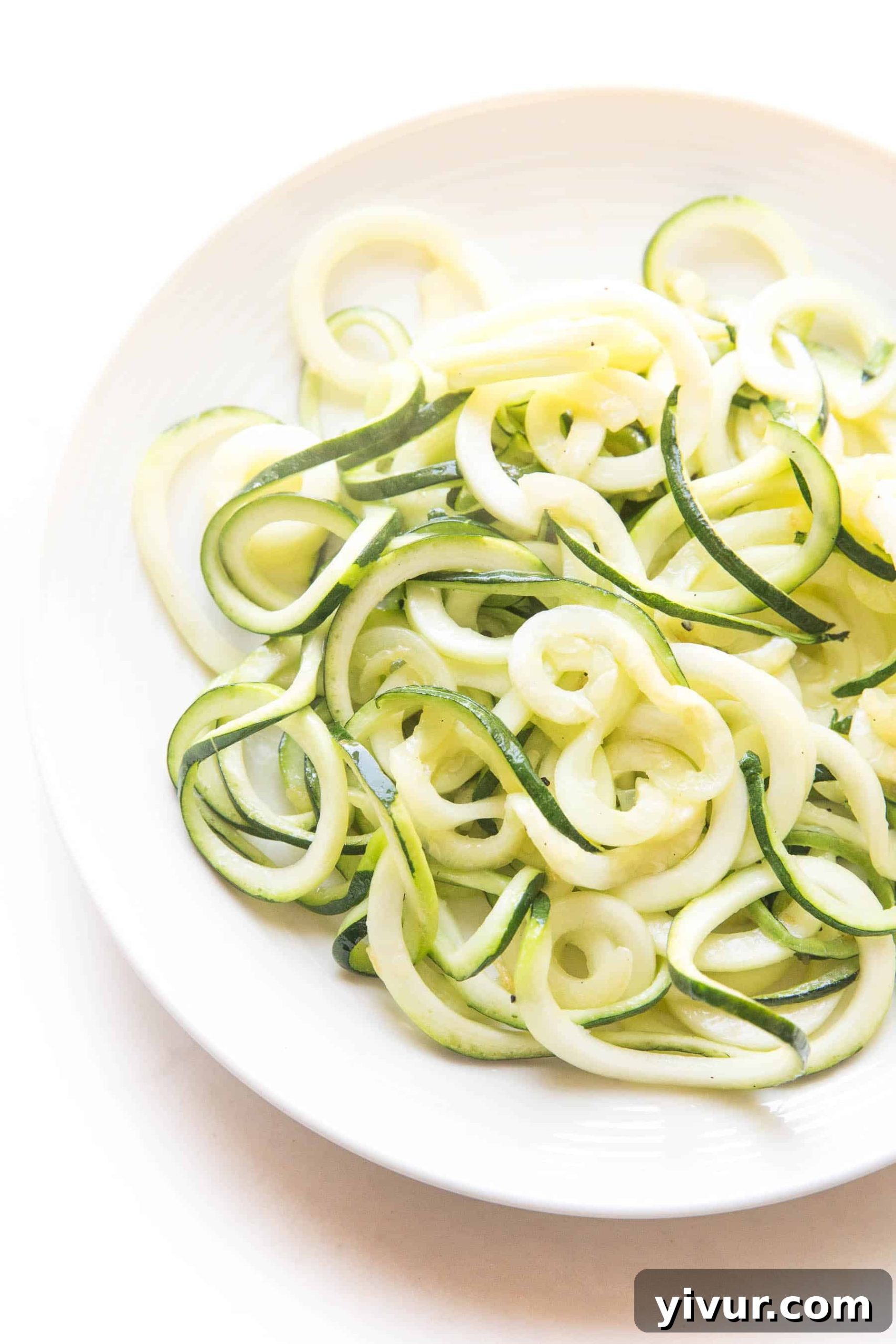
The Zucchini Noodle Dilemma: Battling the Soggy Mess
For many embarking on a healthier eating journey, zucchini noodles, affectionately known as “zoodles,” represent a culinary breakthrough. They offer a delightful, nutrient-rich, and significantly lower-carb alternative to traditional pasta, fitting seamlessly into various dietary lifestyles such as Whole30, Keto, Paleo, and gluten-free plans. The appeal is undeniable: a fresh vegetable that can mimic the comforting texture of pasta, allowing you to enjoy your favorite sauces without the carb overload.
However, anyone who has attempted to make zoodles at home has likely encountered the all-too-common struggle: watery, limp, and utterly soggy noodles that tragically dilute your carefully crafted sauces and leave you with a disappointing, mushy meal. It’s a frustration I’ve personally experienced countless times. For what felt like an eternity, every single attempt at making zucchini noodles resulted in a sad, watery puddle on my plate. I experimented with different cooking durations, various types of spiralizers, and endless online tips and tricks, but genuine al dente texture remained elusive. My dream of perfectly firm vegetable pasta seemed perpetually out of reach.
But after countless experiments, persistent trial and error, and a few minor culinary disasters, I finally cracked the code! I’ve meticulously refined a method that consistently delivers truly al dente, never-soggy zucchini noodles, every single time. And the most exciting part? It’s surprisingly simple to achieve once you’re armed with these vital secrets.
Unlocking Al Dente Perfection: Our 3 Essential Secrets to Non-Soggy Zoodles
The fundamental key to achieving firm, springy, and restaurant-quality zucchini noodles lies in effectively understanding and managing zucchini’s naturally high water content. Forget quick-fix hacks that promise too much and deliver too little; these three foundational steps are your ultimate roadmap to preventing sogginess and ensuring optimal, satisfying texture from your vegetable pasta.
-
Choose the Right Zucchini Wisely
Your journey to perfect zoodles begins even before you start spiralizing – it starts at the grocery store. For the best results, always opt for zucchinis that are as large and as straight as possible. While smaller, more curvaceous zucchinis can technically still be spiralized, their irregular shape often leads to shorter, broken noodles and more waste. Larger, straighter zucchinis, on the other hand, yield impressively long, uniform noodles, which not only makes the spiralizing process smoother and more efficient but also ensures a more satisfying “pasta-like” experience. When selecting, look for firm, blemish-free vegetables with a vibrant, glossy skin, as these indicators typically point to fresher produce that will hold up better during the preparation process.
-
Master the Art of Salting and Draining
This critical step is absolutely non-negotiable for achieving a superior, non-watery texture. Immediately after spiralizing your zucchini, transfer the noodles into a colander that is strategically set over a large bowl. Generously sprinkle the zoodles with kosher salt. Kosher salt is highly recommended over table salt because its larger granules help to more effectively draw out moisture without the risk of over-salting your delicate zoodles, and it dissolves beautifully. Gently toss and massage the salt into the noodles with your hands, ensuring even distribution. This process, scientifically known as osmosis, actively pulls out excess water from the zucchini’s cells. Allow the salted zoodles to rest undisturbed for at least 15 minutes. For even better results and maximum moisture extraction, extend this resting period to 30 minutes. You will be genuinely astonished by the significant puddle of water that collects in the bowl beneath the colander – this is all moisture that would otherwise end up in your sauce!
-
The Crucial Squeeze: Unleashing the Power of a Nut Milk Bag
Even after the thorough salting and passive draining in the colander, a surprising amount of water still remains trapped within the zucchini noodles. This is precisely where the “power squeeze” comes into play, and it is arguably the most vital step in preventing sogginess. Carefully transfer the drained zoodles from the colander into a nut milk bag. If you don’t happen to have a nut milk bag on hand, do not despair – a clean, sturdy dish towel, a double layer of cheesecloth, or even a robust, old cotton tee shirt will work as an excellent and equally effective substitute. Gather the bag or cloth tightly around the zoodles and apply firm, consistent pressure. Squeeze out every last drop of liquid you possibly can. This step truly is a mini-workout for your hands and forearms, but the effort is absolutely paramount for achieving that desirable al dente bite. You will be utterly shocked at the sheer volume of water that comes out during this process – it is the undeniable secret to keeping your zoodles perfectly firm, resilient, and, most importantly, ensuring your delicious sauce remains undiluted and full of flavor.
Visual Guide: Watch How To Make Perfect Zucchini Noodles
Sometimes, seeing the process in action is the most effective way to learn. For a comprehensive visual demonstration of these techniques, especially the spiralizing method and the crucial squeezing step, be sure to check out my detailed video tutorial. It meticulously breaks down each stage of preparation, ensuring you grasp every nuance and tip for achieving ultimate zoodle success in your own kitchen.
Whole30 + Keto Zucchini Noodles
Average Rating: 5 out of 5 stars (from 4 ratings)
Pin Recipe
Leave a Review
Ingredients
- 4 medium zucchini, spiralized
- 1 tablespoon kosher salt
- 1 tablespoon ghee, or olive oil, coconut oil or avocado oil
Instructions
-
Begin by cutting off the ends of all your zucchinis. Using the smallest blade on your spiralizer, create uniform zucchini noodles. For the perfect “pasta” length, I recommend gently breaking off the noodles after every 5 turns. Always ensure the zucchini is securely poked in the dead center of the spiralizer’s prongs to give you the longest, most consistent noodles possible. Readjust the zucchini’s position if necessary as you turn, especially if you are working with slightly curved zucchinis.
-
Prepare a colander by placing it over a large bowl. Transfer all the spiralized zucchini noodles into the colander and season them generously with the kosher salt. Gently toss the noodles, ensuring the salt is evenly distributed, and lightly massage it in. This critical step not only seasons the zucchini but, more importantly, initiates the process of drawing out all the excess moisture. Allow the salted noodles to rest for a minimum of 15 minutes on the counter; for superior results, let them sit for up to 30 minutes. You’ll observe a significant amount of liquid collecting in the bowl below.
-
Once the noodles have rested and drained in the colander, transfer them into a nut milk bag. If you do not own a nut milk bag, a clean, sturdy kitchen towel or several layers of cheesecloth can be used as an effective alternative. Apply firm and continuous pressure to squeeze out as much moisture as humanly possible from the zucchini noodles. This vigorous squeezing is absolutely essential and will ensure your noodles are perfectly al dente, firm, and completely free of any watery or soggy texture. Be prepared for a surprising amount of liquid to be expelled.
-
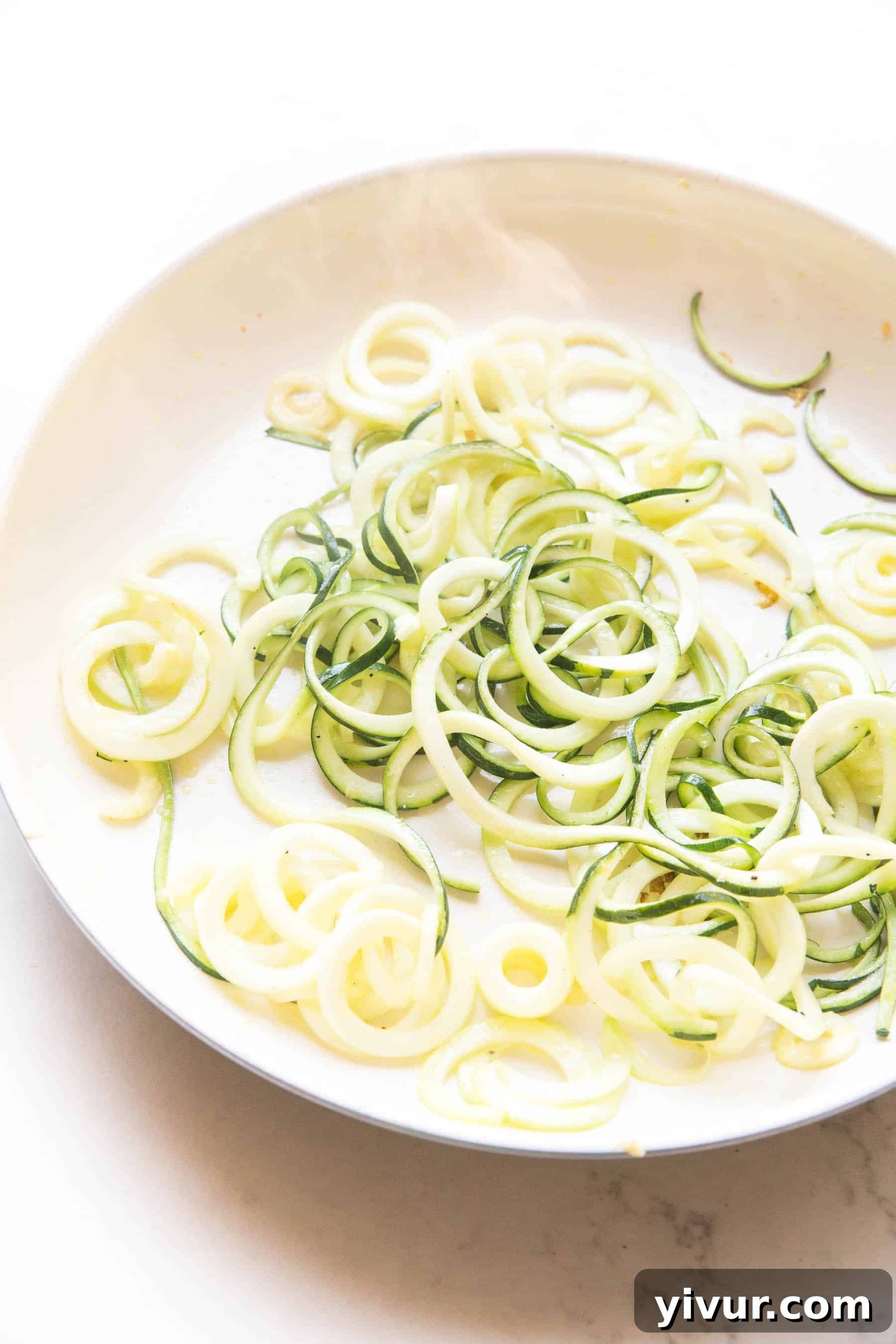
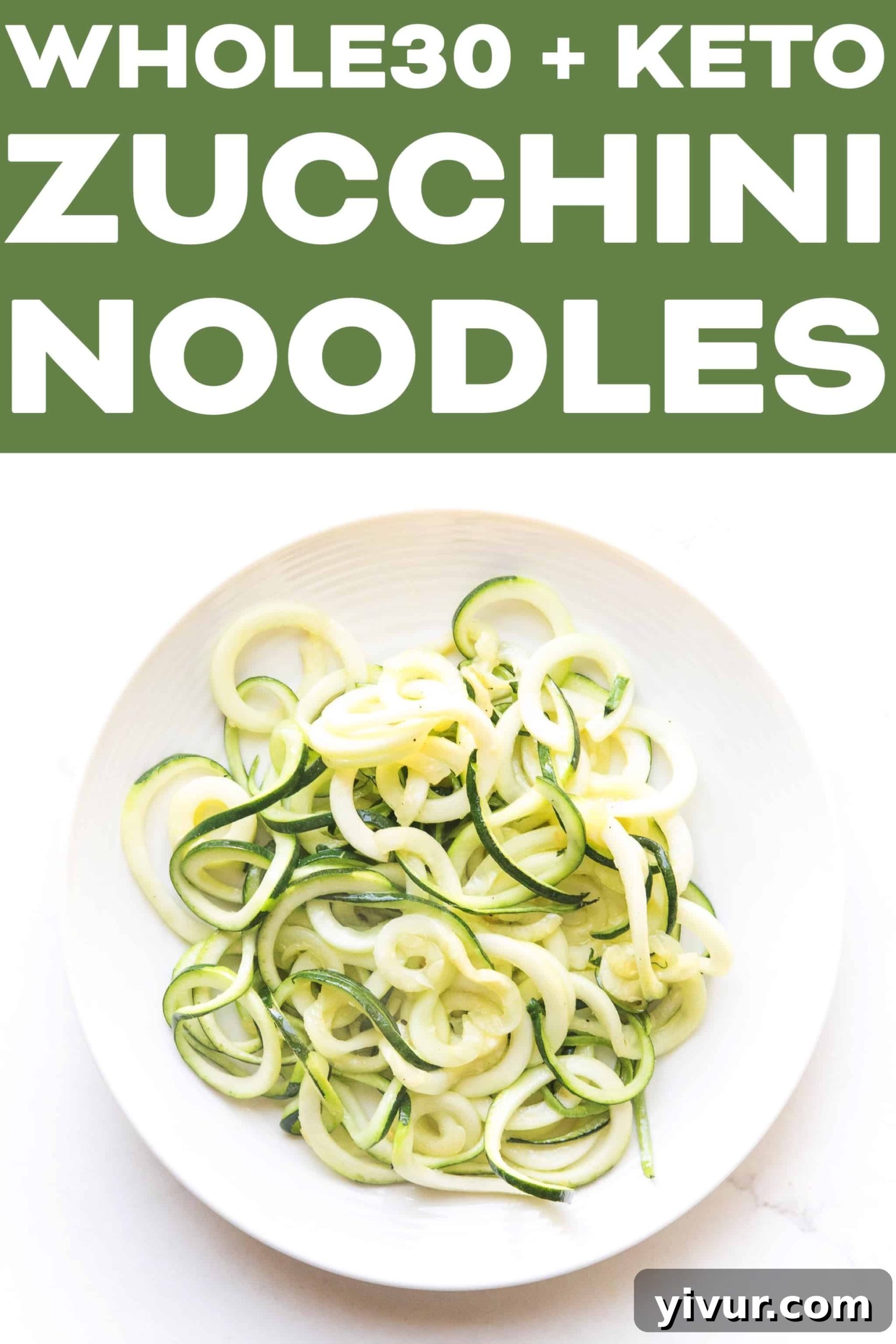
Your perfectly prepared and de-watered zoodles are now ready to be enjoyed! You have the option to eat them raw, topped with your favorite fresh sauce for a light and refreshing meal. Alternatively, if you prefer them warm, proceed to the next step for a quick sauté.
-
To warm the zoodles in a skillet: Heat a large skillet over medium heat. Add 1 tablespoon of ghee (or your preferred cooking fat such as olive oil, coconut oil, or avocado oil). Add the thoroughly squeezed zucchini noodles to the hot skillet and cook for just 1 to 2 minutes, stirring constantly. The goal is to warm them through until they are tender-crisp, without overcooking. Be extremely careful not to leave them on the heat for too long, as this is the fastest way to revert them to a soggy state. Immediately transfer to a plate and finish with your desired sauce and toppings.
-
Any leftover zucchini noodles can be stored in an airtight container in the refrigerator for up to 5 days. For the best possible texture when reheating, gently pat any condensation off the noodles before warming them.
Notes
If you don’t have a dedicated nut milk bag, don’t worry! You can easily use other common kitchen items to achieve the same moisture-squeezing effect. Clean dish towels, several layers of cheesecloth, or even a sturdy, old cotton tee shirt (ensure it’s clean and free of lint) will work wonderfully. The key is to have a material that is strong enough to withstand firm pressure without tearing and fine enough to hold the noodles while allowing water to pass through.
Nutrition Information (Per Serving)
Calories: 89,
Total Carbs: 1.4g,
Protein: 1.2g,
Fat: 9.5g,
Fiber: 0.5g,
Net Carbs: 1g
Did you make this recipe?
Please Leave a comment and give this recipe a rating!
Serving Suggestions for Your Perfectly Prepared Zoodles
Now that you’ve mastered the art of creating genuinely non-soggy zucchini noodles, the culinary possibilities for incorporating them into your meals are virtually endless! Their mild and neutral flavor makes them incredibly versatile, serving as a perfect canvas for a wide array of cuisines and sauces. Here are some delicious and inspiring ways to enjoy your perfectly prepared zoodles:
- Classic Italian Reinvention: Toss your zoodles with a rich, hearty marinara sauce and your favorite meatballs, or envelop them in a luscious creamy Alfredo sauce. (Remember to use dairy-free versions for Whole30 or vegan preferences).
- Fresh & Vibrant Mediterranean: Combine your zoodles with a vibrant homemade pesto, juicy cherry tomatoes, sun-dried tomatoes, fresh basil, and top with grilled chicken, shrimp, or chickpeas for a light and refreshing meal.
- Flavorful Asian-Inspired Stir-Fry: Quickly sauté your zoodles with a savory sesame-ginger sauce, a medley of colorful stir-fried vegetables (like bell peppers, snap peas, and carrots), and your preferred protein such as tofu, beef, or chicken for a flavorful and healthy twist.
- Simple & Elegant Side Dish: Sometimes, less is more. A simple drizzle of high-quality olive oil, minced fresh garlic, a squeeze of bright lemon juice, and a sprinkle of red pepper flakes makes for a quick, satisfying, and incredibly elegant side dish.
- Hearty Salad Base: Use raw, squeezed zoodles as the robust base for a substantial and satisfying salad. Add ingredients like grilled halloumi or feta (omit for Whole30), creamy avocado, mixed leafy greens, and a tangy vinaigrette dressing.
Regardless of whether you choose to serve them hot or cold, the firm, resilient texture of your expertly prepared zoodles will hold up beautifully, absorbing all the wonderful flavors of your chosen sauce without ever becoming mushy or watery.
Why Zucchini Noodles Are a Game Changer for Healthy Eating
Beyond simply preventing sogginess, let’s briefly underscore why zucchini noodles have become such a celebrated and indispensable ingredient, especially for those adhering to specific dietary paths and prioritizing health:
- Low Carb & Keto-Friendly: Zucchini contains significantly fewer carbohydrates than traditional wheat pasta, making it an outstanding choice for individuals following ketogenic and other low-carb dietary regimens who still crave the satisfaction of pasta.
- Whole30 & Paleo Approved: Being naturally grain-free, gluten-free, and dairy-free, zoodles are a perfectly compliant, versatile, and utterly delicious option for both Whole30 and Paleo lifestyles, providing a wholesome alternative without compromise.
- Naturally Gluten-Free & Grain-Free: For individuals with celiac disease, gluten sensitivities, or those simply looking to reduce their overall grain intake, zucchini noodles offer a safe, natural, and incredibly satisfying option.
- Plant-Based & Vegan Versatility: As a pure vegetable, zoodles serve as a fantastic, hearty, and nutritious base for a myriad of vegan and plant-based dishes, adding substance, texture, and nutrition.
- Rich in Essential Nutrients: Zucchini is not just a low-calorie filler; it’s packed with beneficial vitamins such as A and C, important minerals like potassium, and powerful antioxidants, all contributing significantly to overall health and wellness.
- Incredibly Versatile: Zucchini noodles possess a mild flavor profile that adapts beautifully to almost any culinary tradition or flavor profile, from vibrant Mediterranean to bold Asian and comforting American, making meal planning exciting, creative, and effortlessly easy.
Frequently Asked Questions About Zucchini Noodles
- Can I make zucchini noodles ahead of time?
- Yes, absolutely! One of the fantastic benefits of this de-watering method is that your perfectly squeezed zoodles will hold their firm texture remarkably well. After you’ve completed the squeezing step, you can store them in an airtight container in the refrigerator for up to 3-5 days. This makes them an ideal candidate for healthy meal prepping throughout your week!
- What if I don’t have a spiralizer? Are there other ways to make them?
- While a spiralizer is undeniably the easiest and most efficient tool for creating uniform, spaghetti-like noodles, you certainly have other options. A julienne peeler can be used to create thinner, fine strips. A mandoline slicer equipped with a julienne blade can also work effectively, though it requires careful handling for safety. Even a common vegetable peeler can produce wider, ribbon-like “pappardelle” style zucchini noodles, which are equally delicious.
- How long should I cook zucchini noodles to avoid them becoming mushy?
- Remember the golden rule for zoodles: less is always more! If you’ve meticulously followed the moisture-squeezing steps, your noodles only need to be heated for a very brief period – typically just 1 to 2 minutes in a hot skillet, stirring constantly, until they are lightly warmed through and retain a tender-crisp bite. Overcooking is the quickest and most common way to undo all your hard work and revert them back into a soggy mess. For raw preparations, no cooking is needed at all, preserving their fresh crunch!
- Can I freeze zucchini noodles for later use?
- Freezing zucchini noodles is generally not recommended if your primary goal is to achieve an al dente, firm texture. The freezing and subsequent thawing process causes the water within the zucchini’s cells to expand and rupture. When defrosted, this results in very soft, watery, and often mushy noodles that lack the desirable bite. It’s always best to prepare them fresh or store them refrigerated after the crucial de-watering step for optimal quality.
- What kind of spiralizer do you recommend for best results?
- There are several types of spiralizers available, ranging from compact handheld models to more robust countertop versions. For the most consistent results, ease of use, and versatility with different vegetables, I highly recommend investing in a countertop spiralizer that offers multiple blade options. These models make the spiralizing process quick, effortless, and efficient, especially when you’re preparing larger batches or experimenting with various noodle shapes.
Conclusion: Embrace the Perfect Zoodle!
No longer do you have to endure bland, watery, or unsatisfying zucchini noodles. By faithfully following these simple yet profoundly crucial steps—selecting the right zucchini, thoroughly salting to draw out moisture, and performing a vigorous squeeze—you are now guaranteed to achieve perfectly al dente zoodles every single time. These incredibly versatile veggie noodles provide a fantastic, healthy, and satisfying foundation for countless delicious meals, perfectly aligning with Whole30, Keto, Paleo, and other clean eating principles. Get ready to truly elevate your low-carb cooking and savor the delightful, firm texture of homemade zucchini noodles!
This post contains affiliate links, thank you for supporting our content!