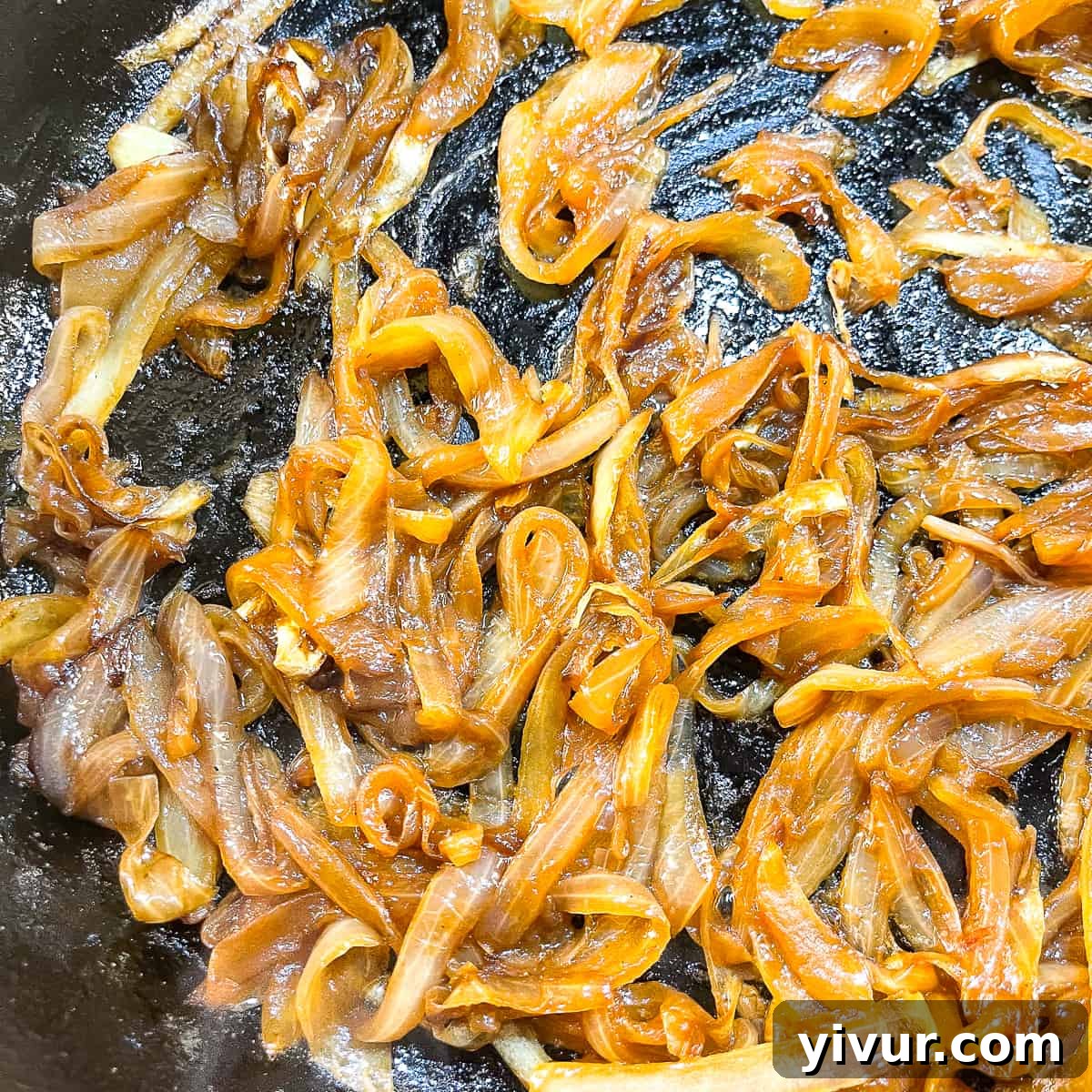
Unlock the secret to flawlessly golden and sweet caramelized onions every single time with our revolutionary onion sautéing hack! Far more than just a simple side, perfectly cooked onions elevate countless dishes, transforming their robust flavor into a tender, melt-in-your-mouth sweetness. This comprehensive guide will walk you through an incredibly quick and easy method to achieve professional-level results in your own kitchen, complete with a game-changing secret ingredient that ensures juicy perfection without charring. Get ready to impress with this versatile culinary staple!
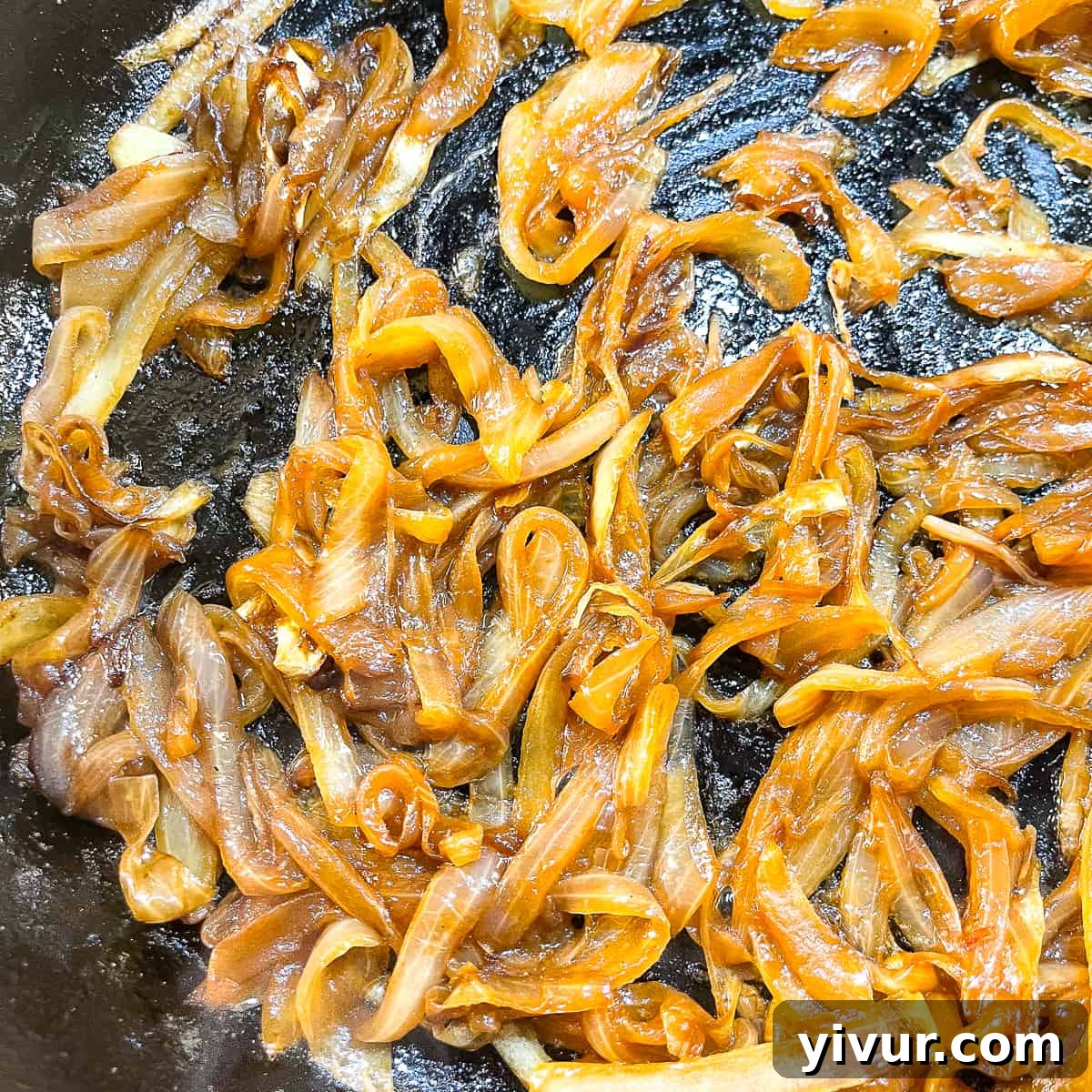
Why This Sauteed Onion Recipe is a Game-Changer
It’s truly astonishing how a vegetable with such a pungent, assertive raw flavor like an onion can transform into something utterly sweet, deeply caramelized, and incredibly tender when sautéed correctly. This flavor transformation is nothing short of culinary magic, converting sharp notes into a rich, umami-packed sweetness that can enhance almost any meal. Sauteed onions, often referred to as caramelized onions when cooked longer, are one of the most versatile and delicious additions you can make to your cooking repertoire.
I absolutely adore incorporating beautifully softened onions into my meals – whether they’re topping juicy burgers, adding depth to a pizza, nestled in a hearty sandwich, brightening up breakfast plates, or even providing a savory counterpoint in fresh salads. However, achieving that ideal texture and flavor requires precision. My early attempts at making them often ended in frustration, with smoke alarms blaring and my pan filled with regrettable, charred remnants rather than golden-brown perfection. Sound familiar?
After much trial and error, I’ve perfected a method that guarantees consistently delicious results. This isn’t just another onion recipe; it’s a reliable technique that ensures tender, sweet, and perfectly caramelized onions every single time, especially when cooked in a trusty cast iron pan. By following these steps, you’ll master the art of sautéing onions and avoid those common kitchen mishaps, turning a challenging task into a rewarding one.
Essential Ingredients for Perfectly Caramelized Onions
Crafting these delectable caramelized onions requires just four simple, readily available ingredients. Don’t let the simplicity fool you; the magic lies in how these elements interact to create a complex and irresistible flavor.
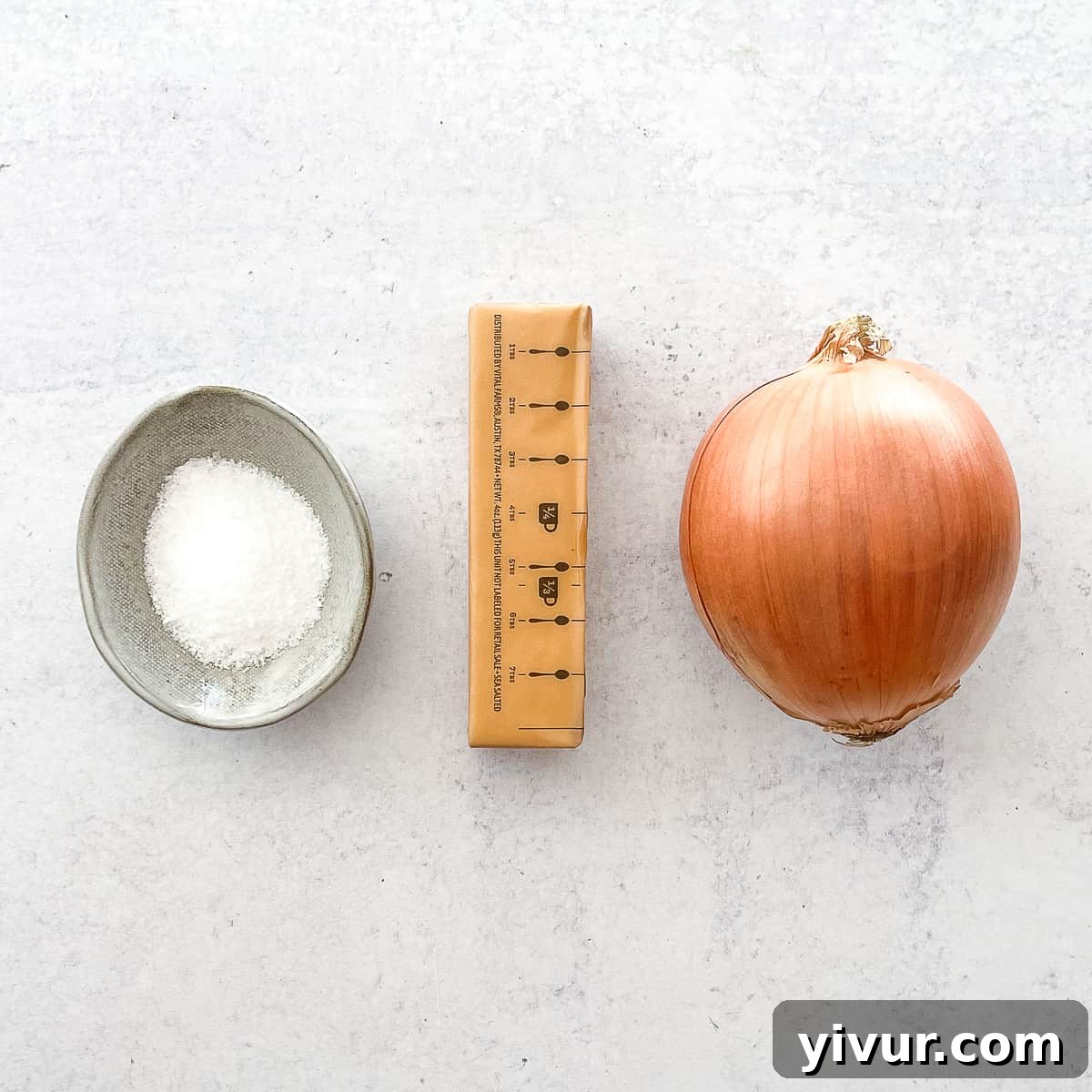
- Onions: The star of our dish! You have a few fantastic options here.
- Sweet Onions (like Vidalia or Walla Walla): Known for their naturally high sugar content and mild flavor, these are ideal for a pronounced sweetness in your caramelized onions.
- Yellow Onions (Spanish Onions): A kitchen workhorse, yellow onions offer a balanced flavor that becomes wonderfully sweet and deep when cooked down. They are a reliable choice for rich caramelization.
- Red Onions: While often enjoyed raw for their sharp bite and vibrant color, red onions also caramelize beautifully, developing a sweeter, slightly tangier profile that’s fantastic for specific pairings.
The type of onion you choose will subtly influence the final flavor, but the cooking process remains the same, ensuring perfect results regardless of your selection.
- Butter or Ghee: The fat component is crucial for achieving that signature golden-brown color and rich flavor. Butter adds a creamy, nutty taste that complements the onions perfectly. For those who are dairy-free or following a Whole30 diet, ghee (clarified butter) is an excellent alternative, offering similar richness, or you can opt for a high-quality olive oil or coconut oil. The fat helps conduct heat evenly, preventing sticking and facilitating the caramelization process.
- Kosher Salt: More than just a seasoning, salt plays a vital role in drawing out moisture from the onions, which helps them soften and release their natural sugars more effectively. It also enhances the overall flavor profile, balancing the sweetness with a savory depth.
- Water (The Secret Ingredient!): I know what you might be thinking – water in sautéed onions? Trust me on this one; it’s the ingenious hack that transforms good sautéed onions into absolutely perfect ones. This simple addition prevents premature drying and burning, ensuring the onions cook evenly, become incredibly juicy, and caramelize beautifully without charring. It’s the secret to achieving that deep, consistent golden brown hue and tender texture.
Step-by-Step Instructions: Mastering Sauteed Onions
Follow these detailed steps to create perfectly tender, sweet, and caramelized onions that will elevate any dish. Patience and attention to detail are key to achieving the best results.
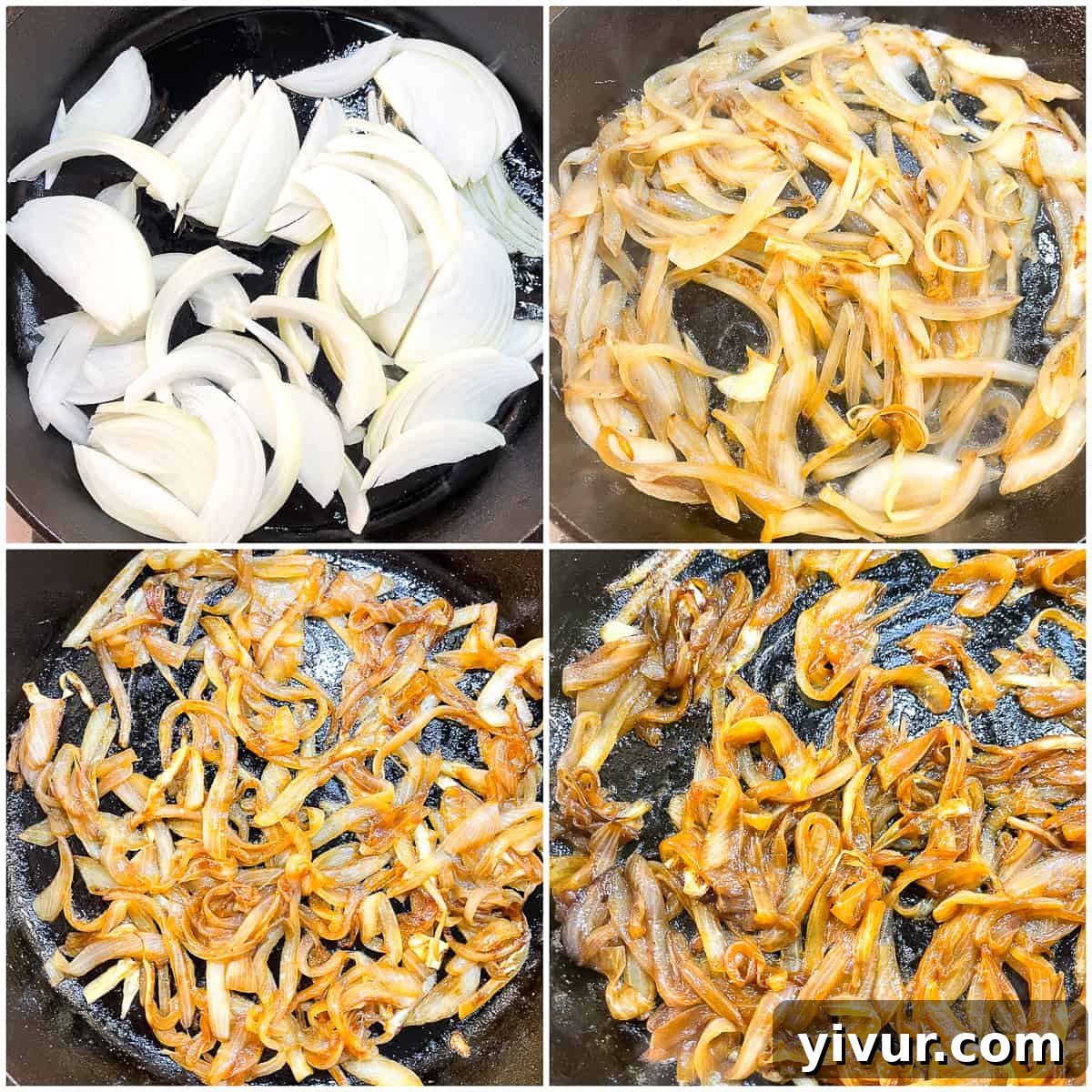
- Prepare Your Onions: Begin by carefully slicing your chosen onions. For consistent cooking and optimal texture, aim for uniform slices about ⅜ inch thick. While there are various ways to cut an onion, this thickness allows for maximum surface area for caramelization without becoming overly mushy. Trim the ends, peel, and then slice vertically from pole to pole.
- Preheat Your Skillet: Place your cast iron skillet (or any large, heavy-bottomed skillet) over medium heat. Allow it to preheat for a few minutes until it’s evenly hot. A good, even heat distribution is crucial for preventing hot spots and ensuring uniform cooking. You may need to reduce the heat to low during the cooking process if you notice the onions browning too quickly.
- Combine and Start Sautéing: Add the sliced onions and butter (or your chosen cooking fat) to the preheated skillet. Sprinkle generously with kosher salt. Stir immediately to coat the onion slices thoroughly with the butter and salt. Begin to cook, stirring frequently to prevent them from sticking to the bottom of the pan and ensure they cook evenly.
- Introduce the Secret Ingredient (The Water Hack): This is where the magic happens! As soon as your sliced onions start to appear a little dry in the pan and before they begin to stick or brown unevenly, add a few tablespoons of water. This strategic addition does wonders: it prevents the onions from drying out, keeps them juicy, and helps maintain an even cooking temperature. The water gently steams the onions, allowing them to soften without scorching, and as it evaporates, it leaves behind perfectly tender, ready-to-caramelize onions. I typically add water twice during the total cooking process, whenever the pan looks too dry.
- Continue to Caramelize: Continue to sauté the onions uncovered, stirring occasionally, until they become incredibly soft, deeply golden brown, and delightfully sweet. This process usually takes about 30 minutes, but it can vary based on your heat and the type of onion. The key is patience; resist the urge to rush it by increasing the heat, as slow and steady wins the caramelization race.
- Serve and Enjoy: Once your onions have reached their desired level of tenderness and golden-brown perfection, remove them from the heat. Serve them immediately as an effortless side dish, integrate them into an entree, or use them as a versatile topping for any meal that could benefit from their sweet, savory depth. They are truly multi-purpose and incredibly delicious!
The Amazing Grilled Onion Hack: Unveiling the Water Secret
The core of this recipe’s success lies in one unassuming ingredient: WATER! It sounds almost too simple, but this is the game-changer that sets perfect sautéed onions apart from burnt, dry failures.
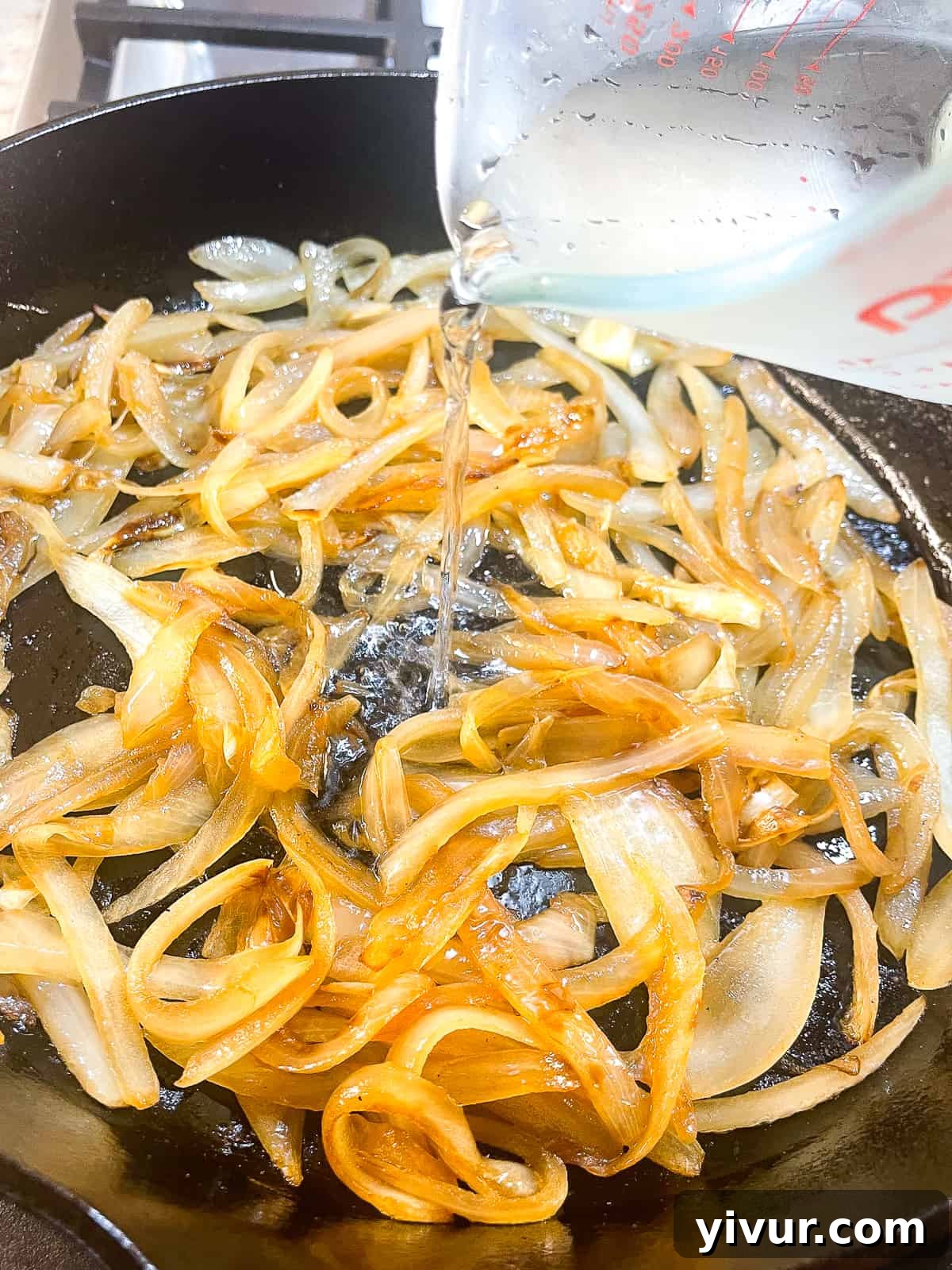
Here’s how it works: As soon as your onions begin to look dry and risk sticking to the pan, add a few tablespoons of water. This immediate introduction of moisture does several critical things:
- Prevents Drying Out: It rehydrates the onions, keeping them moist and tender.
- Ensures Even Cooking: The water creates a steamy environment that helps the onions soften uniformly, preventing the outer layers from charring while the inner layers remain raw.
- Regulates Temperature: As the water evaporates, it cools the pan slightly, allowing for a slower, more controlled caramelization process. This prevents hot spots and gives the onions time to develop their complex sugars without burning.
The water will completely evaporate during cooking, leaving behind onions that are not only perfectly juicy but also exquisitely caramelized to absolute perfection. This technique facilitates the release of the onions’ natural sugars, transforming them into that beautiful, rich, and sweet caramelized flavor everyone loves. You’ll find yourself adding water two or three times throughout the 30-minute cooking period, simply repeating the process whenever the pan appears dry.
Exploring Onion Varieties: Which Onions Are Best for Sautéing?
The beauty of this simple sautéing method is its adaptability. It works wonderfully with a wide array of onion types, allowing you to tailor the flavor profile to your specific dish. Don’t be afraid to experiment to find your favorite!
- Red Onions: These vibrant onions offer a sharper, more peppery flavor when raw, but when caramelized, they mellow considerably, developing a delightful sweetness with a subtle tangy undertone. Their beautiful purple hue deepens into a rich burgundy during cooking. They are excellent for pairing with grilled steak, adding a pop of color and flavor to burgers and sandwiches, or providing a sophisticated touch to salads.
- Yellow Onions: Often labeled “Spanish onions,” these are arguably the most versatile and commonly used onions for sautéing. They possess a robust flavor that sweetens beautifully and deeply as they caramelize, offering a classic, mild, and satisfying taste. Yellow onions are fantastic with burgers, perfect for stir-fries, a cornerstone in fajitas, and blend seamlessly into casseroles and other Mexican-inspired dishes.
- Sweet Onions (Vidalia, Walla Walla, Maui, etc.): These onions are celebrated for their inherently mild flavor and significantly higher sugar content compared to yellow or red varieties. When sautéed, they achieve an almost candy-like sweetness and an incredibly tender texture. If you’re looking for the sweetest possible caramelized onions, these are your go-to. They are exceptional on pizzas, folded into pasta dishes, or used as a sweet base for various sauces.
- White Onions: Similar to yellow onions but with a slightly crisper texture and a milder, often sharper flavor profile when raw. They caramelize well, developing a sweet taste that’s a bit less robust than yellow onions, making them a good all-purpose option when you want a clean, sweet onion flavor.
Creative Ways to Enjoy Your Caramelized Onions
Once you master the art of making perfectly sautéed onions, you’ll find endless ways to incorporate them into your meals. Their sweet, savory, and umami-rich flavor makes them an incredibly versatile ingredient.
Beyond simply enjoying them on their own with a sprinkle of fresh cracked black pepper and a drizzle of balsamic glaze, here are some fantastic ideas to elevate your favorite dishes:
- Burgers & Sandwiches: The ultimate topping! Transform a simple hamburger or cheeseburger into a gourmet experience. They’re also essential for classic patty melts, grilled cheese, and elevated deli sandwiches.
- Steak & Roasts: A classic pairing. Serve alongside a perfectly seared steak, roast beef, or pork loin for a touch of sweetness that balances the rich meat flavors.
- Pizzas & Flatbreads: Scatter them over your homemade or store-bought pizza for a sophisticated topping. They pair wonderfully with goat cheese, mushrooms, or bacon.
- Eggs & Breakfast Dishes: Fold them into omelets, scrambled eggs, or frittatas. They add incredible flavor to breakfast potatoes or even as a topping for savory pancakes.
- Salads: While often a warm addition, cooled caramelized onions can add a sweet and savory depth to green salads, potato salads, or grain bowls. Try them in a breakfast salad with arugula.
- Soups & Stews: Stir them into French onion soup (obviously!), beef stew, chili, or creamy vegetable soups for an instant boost of rich flavor.
- Fajitas & Tacos: A must-have for chicken or beef fajitas, bringing a sweet and tender element. They’re also fantastic in soft shell tacos or burritos.
- Pasta Dishes: Incorporate them into pasta sauces, especially those with creamy or vegetable bases. They’re excellent with roasted vegetables and a light olive oil dressing.
- Casseroles: Mix into hearty casseroles like green bean casserole or shepherd’s pie for added depth and sweetness.
- Dips & Spreads: The star ingredient in a classic French onion dip. They can also be blended into savory spreads or pâtés.
- Stir-fries: While often cooked quickly, a small amount of pre-caramelized onions can add a unique depth to your chicken and vegetable stir-fries.
- Sauces & Gravies: Whisk them into gravies for roasts or blend them into savory sauces to add a layer of complexity.
- Chicken & Pork: Use them as a base for pan sauces for seared chicken breasts or pork chops, or as a flavorful stuffing ingredient.
Expert Tips for Sauteed Onion Success
- Dairy-Free/Vegan Alternatives: If you need your sautéed onions to be dairy-free or vegan, simply substitute butter with an equal amount of coconut oil or olive oil. Both provide the necessary fat for browning and contribute a subtle, pleasant flavor that complements the onions beautifully. Ghee is also an excellent option if you are dairy-sensitive but not strictly vegan.
- Whole30 Compliance: To ensure your caramelized onions adhere to Whole30 guidelines, always use ghee (clarified butter) or coconut oil for cooking. These fats are approved for Whole30, allowing you to enjoy this versatile ingredient while maintaining your dietary goals.
- Storage and Reheating: Cooked caramelized onions are excellent for meal prep! Store any leftovers in an airtight container in the refrigerator for up to 5 days. For longer storage, they freeze exceptionally well; simply transfer them to a freezer-safe bag or container and freeze for up to 6 months. To enjoy, thaw them in the refrigerator overnight and reheat gently in a microwave or a skillet over low heat until warmed through. They’re also surprisingly delicious served cold!
- Don’t Rush the Process: True caramelization takes time. Resist the temptation to crank up the heat to speed things along, as this will lead to burning rather than the desired sweet, golden-brown results. Low to medium-low heat and patience are your best friends here.
- Use a Heavy-Bottomed Pan: A cast iron skillet or other heavy-bottomed pan distributes heat most evenly, which is crucial for consistent caramelization and preventing hot spots.
Frequently Asked Questions (FAQ) About Sauteed Onions
Yes, absolutely! Onions are naturally low in carbohydrates, and when cooked down, their natural sugars sweeten without adding excessive carbs. Sautéing them in butter or ghee further increases their fat content, making them a flavorful and satisfying addition that helps you meet your daily keto macros.
Yes, you can! Cooked and cooled caramelized onions freeze beautifully for at least 6 months. Freezing them in individual portions can be very convenient for adding to future meals. Simply thaw them in the refrigerator, then reheat gently on the stovetop or in the microwave, or enjoy them cold directly from the fridge.
Yes, they can be easily made Whole30 compliant. To adhere to Whole30 guidelines, ensure you use approved cooking fats such as ghee (clarified butter) or coconut oil instead of regular butter. All other ingredients (onions, salt, water) are Whole30 compliant.
The process of sautéing onions until they are soft and deeply caramelized typically takes about 25-35 minutes over low to medium-low heat. This duration allows the onions to slowly release their moisture, soften, and develop their rich, sweet flavor without burning. Rushing the process often results in unevenly cooked or charred onions.
A heavy-bottomed skillet is ideal for sautéing onions, with a cast iron skillet being a top recommendation. Its excellent heat retention and even heat distribution prevent hot spots and ensure uniform caramelization across all onion slices. A wide, shallow pan also allows moisture to evaporate efficiently.
Did you love this recipe? Thank you! Please give this recipe a star rating and leave a review below. I respond to every one! Be sure to follow me on Instagram, Pinterest, TikTok, and Facebook. Tag me if you try a recipe!
Grilled Onions Hack | How to Make Sautéed Onions
Pin Recipe
Leave a Review
Ingredients
- 1 large yellow onion, sliced
- 2 tablespoons butter or ghee
- 1 teaspoon kosher salt
- water
Equipment
-
cast iron skillet
Instructions
-
Heat your cast iron skillet over medium heat.
-
Add the butter, onions and kosher salt. Cook stirring every few minutes.
-
As soon as the onions start to look a little dry, add in a few tablespoons of water. This will both prevent the onions from drying out and keep them juicy and cooking at an even temperature. The water will evaporate as it cooks, leaving you with perfectly juicy onions. I usually add water twice during the cooking process.
-
Continue to grill the onions uncovered until they are soft and golden brown. About 30 minutes.
-
Serve warm or cold.
-
See the Recipe Notes below for more tips, FAQ’s and recipe substitutions.
Notes
Expert Tips
- Dairy Free/Vegan: If you need these sauteed onions to be dairy free, you can use coconut oil or olive oil for grilling onions in place of butter or ghee.
- Whole30: Use ghee or coconut oil to keep these Whole30 friendly.
- Storing: Store leftovers in an airtight container in the refrigerator for up to 5 days or frozen for up to 6 months. You can enjoy them cold out of the fridge or reheat them in the microwave or skillet.