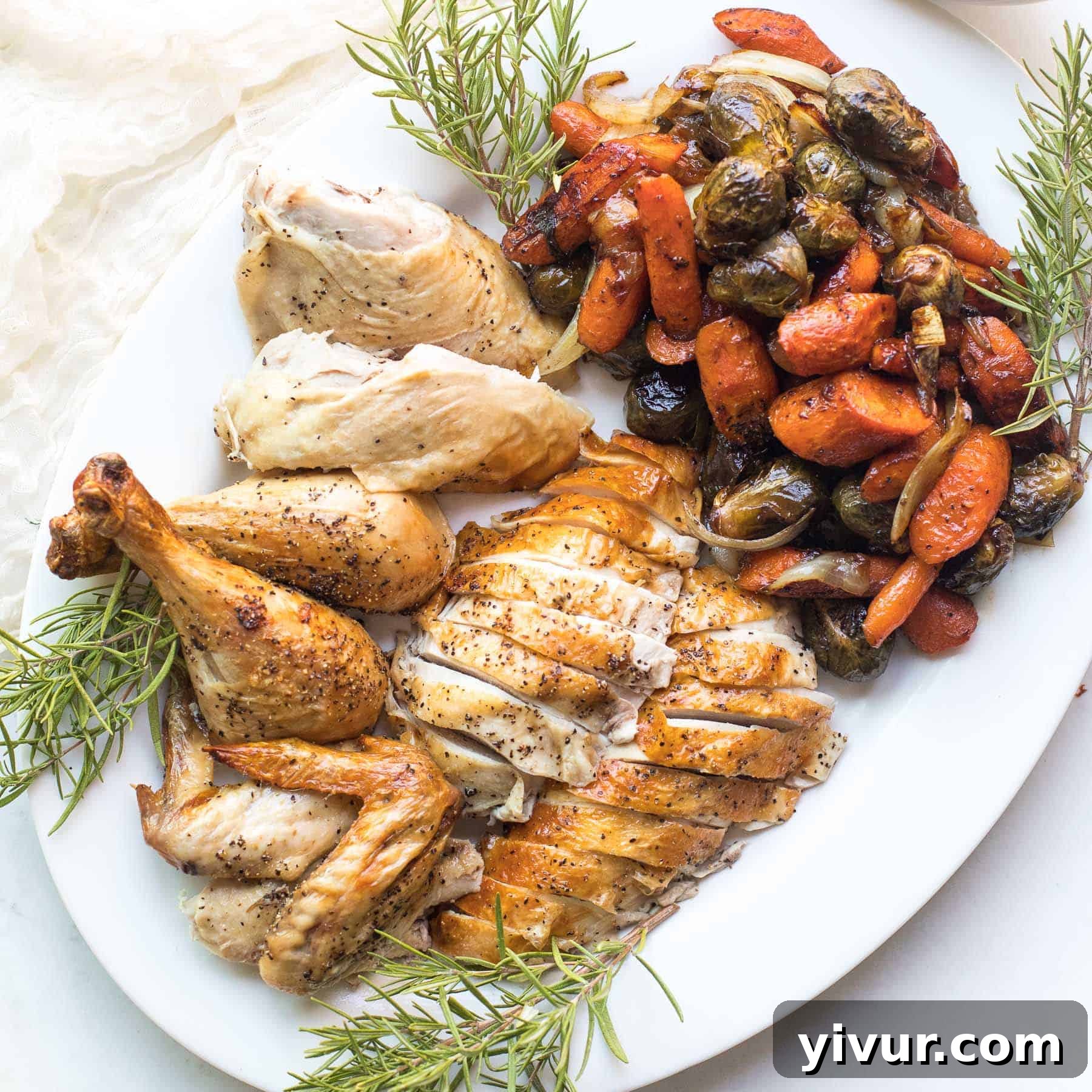
How to carve a roast chicken or turkey is an essential skill for any home cook, transforming a delicious meal into a beautifully presented feast. This step-by-step guide, complete with a video demonstration, will show you exactly how to carve a roast chicken or turkey into perfect, ready-to-serve pieces with ease and confidence.
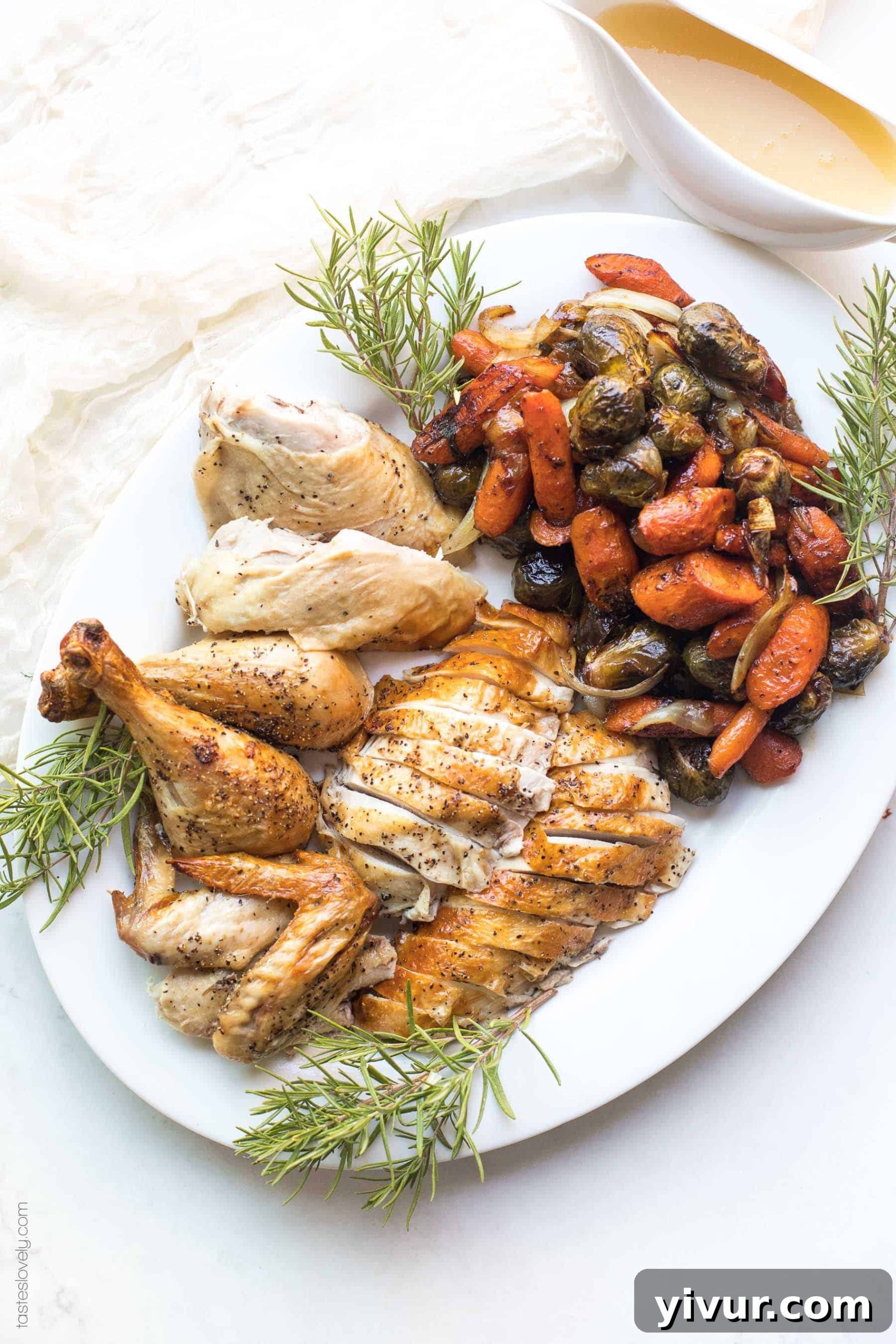
Mastering the Art of Carving: A Step-by-Step Guide to Roast Chicken and Turkey
You’ve meticulously prepared and roasted the perfect chicken or turkey, filling your kitchen with an irresistible aroma. Now comes the moment of truth: carving the bird. For many, this final step can feel intimidating, but it doesn’t have to be. Carving a roast chicken or turkey is a straightforward process, much simpler than you might imagine, and surprisingly similar to breaking down a whole raw chicken. With the right tools and a little guidance, you’ll be carving like a pro in no time, ensuring every piece of that delicious, tender meat is served impeccably. Let’s demystify the process together and unlock the secret to effortless carving.
Why Learning to Carve Your Roast Bird Matters
Beyond the simple act of preparing a meal, knowing how to properly carve a roast chicken or turkey elevates the entire dining experience. A well-carved bird looks more appealing on the platter, makes serving easier, and ensures that everyone gets an equitable portion of white and dark meat. Furthermore, mastering this skill prevents wasteful hacking, preserving the juiciness and integrity of the meat, and allows you to maximize every savory morsel from your perfectly cooked roast. It’s a fundamental skill that transforms a good meal into a truly memorable feast, allowing you to present your culinary masterpiece with pride and confidence.
Essential Tools for Flawless Carving
Before you even think about making the first cut, gathering the right equipment is crucial for a smooth and efficient carving process. You don’t need a professional chef’s arsenal, but a few key items will make all the difference:
- A Sharp Carving Knife: This is arguably the most important tool. A long, thin, sharp carving knife (typically 8-10 inches) with a pointed tip is ideal for precise cuts and navigating around bones. A dull knife is not only ineffective but also dangerous, as it requires more force and can slip.
- A Sturdy Cutting Board: Choose a large, stable cutting board, preferably one with a channel or well around the edges to catch any precious juices that run off the bird. This prevents mess and allows you to collect those flavorful drippings for gravy.
- A Carving Fork or Tongs: A long-handled carving fork with two sharp tines or a pair of sturdy kitchen tongs will help you stabilize the bird as you carve. This keeps your hands clean and safe, ensuring the bird doesn’t slip while you’re cutting.
- A Platter for Serving: Have a clean, warm platter ready to transfer the carved meat to. Warming the platter slightly will help keep the meat warm until serving.
Preparing Your Roast Chicken or Turkey for Carving
The carving process actually begins well before you pick up your knife. Proper preparation ensures your bird is at its best for carving and serving.
Resting is Non-Negotiable
After taking your roast chicken or turkey out of the oven, resist the urge to carve it immediately. Resting is perhaps the most critical step to ensure juicy, tender meat. Tent the bird loosely with foil and let it rest on your cutting board for at least 15-20 minutes for a chicken, and 20-30 minutes (or even longer for a very large turkey) before carving. This allows the muscle fibers to relax and reabsorb the juices that have migrated to the center during cooking. Carving too soon will result in dry meat as all the juices will run out onto your cutting board.
Positioning Your Bird
Once rested, position the bird breast-side up on your cutting board. Ensure it’s stable and won’t rock. A carving fork or tongs will help you keep it steady throughout the process.
The Step-by-Step Guide to Carving a Roast Chicken or Turkey
Now that your bird is rested and ready, let’s get down to the actual carving. Follow these steps for an organized and efficient process, yielding beautiful cuts of meat.
Step 1: Detach the Legs and Thighs
This is often the easiest place to start. Locate where the leg meets the body. Using your carving knife, cut through the skin and meat connecting the leg to the body, moving the knife in a curved motion along the body of the bird. Push the leg away from the body to expose the hip joint. You’ll feel a slight pop as the joint separates. Use your knife to cut through the joint and any remaining skin or sinew, completely detaching the leg and thigh quarter. Repeat on the other side.
Step 2: Separate the Thigh from the Drumstick
Place the detached leg-thigh quarter skin-side up on the cutting board. Locate the joint where the drumstick meets the thigh. You can often feel a natural crease. Carefully slice straight down through this joint with your knife. This should be a relatively clean cut if you’ve found the joint correctly. You now have two distinct pieces: the drumstick and the thigh. Repeat for the other leg-thigh quarter.
Step 3: Remove the Wings
Locate the wing joint where it connects to the breast. Pull the wing slightly away from the body to help expose the joint. Cut through the skin and meat around the joint, then push or twist the wing to pop the joint free. Use your knife to cut through any remaining cartilage or sinew. Depending on the size of the wing and your preference, you can leave it whole or further separate the drumette and flat. Repeat for the other wing.
Step 4: Carving the Breast Meat
The breast typically offers the largest amount of white meat. There are two main methods for carving it:
- Method A (Slicing on the Bone): With the breast still attached to the carcass, make a deep cut straight down the center of the breastbone, from the neck cavity towards the tail. Then, starting from the top of one side of the breast, slice horizontally, following the contour of the breastbone and ribs. This allows you to carve clean slices directly off the bone. Repeat on the other side.
- Method B (Removing the Breast Whole): For a larger bird like a turkey, you might prefer to remove the entire breast half first. Make a deep cut along one side of the breastbone, then slide your knife down and under the breast meat, following the rib cage contour until the entire breast half is detached. Place it skin-side up on the cutting board and slice crosswise against the grain into desired thicknesses. Repeat for the other breast half.
Ensure your slices are uniform and cut against the grain for maximum tenderness.
Step 5: Arranging and Serving
As you carve each piece, transfer it to your warmed serving platter. Arrange the dark meat (drumsticks and thighs) and white meat (breast and wings) aesthetically. Garnish with fresh herbs like rosemary or thyme for an inviting presentation. Don’t forget to spoon any collected pan juices or gravy over the meat to keep it moist and add flavor.
Watch How To Carve A Roast Chicken Or Turkey Demo Video (3:05 mins)
Sometimes, seeing is believing. Watch this concise video demonstration to visually grasp each step of the carving process. It provides a real-time view of how to make each cut, ensuring you can confidently replicate the technique in your own kitchen. This visual aid is perfect for clarifying any uncertainties and reinforcing the techniques discussed above, making your carving experience even smoother.
Beyond the Platter: Maximizing Your Roast Bird
Your culinary journey doesn’t have to end once the carved meat is on the plate. A roast chicken or turkey offers so much more potential, especially for resourceful home cooks.
Homemade Bone Broth: The Ultimate Leftover
Do not discard the carcass! The roasted bones, skin, and any remaining bits of meat are a treasure trove of flavor and nutrients. Save the entire carcass, along with any collected pan drippings, to make homemade bone broth. This rich, gelatinous broth is far superior to store-bought versions and is incredibly versatile. It forms the base for delicious soups, stews, sauces, or can simply be sipped on its own for a nourishing treat. An Instant Pot makes this process quick and effortless, extracting maximum flavor and goodness in a fraction of the time. This simple step turns potential waste into a culinary asset.
Creative Leftover Ideas
Even after a generous serving, you might find yourself with leftover carved meat. Don’t let it go to waste! Roast chicken or turkey leftovers are incredibly versatile. Transform them into delicious sandwiches, vibrant salads, hearty casseroles, flavorful tacos, or comforting pot pies. Cooked poultry freezes well, too, so you can portion it out for future quick meals. Maximizing your bird ensures that every part is utilized, extending the enjoyment of your perfectly roasted meal.
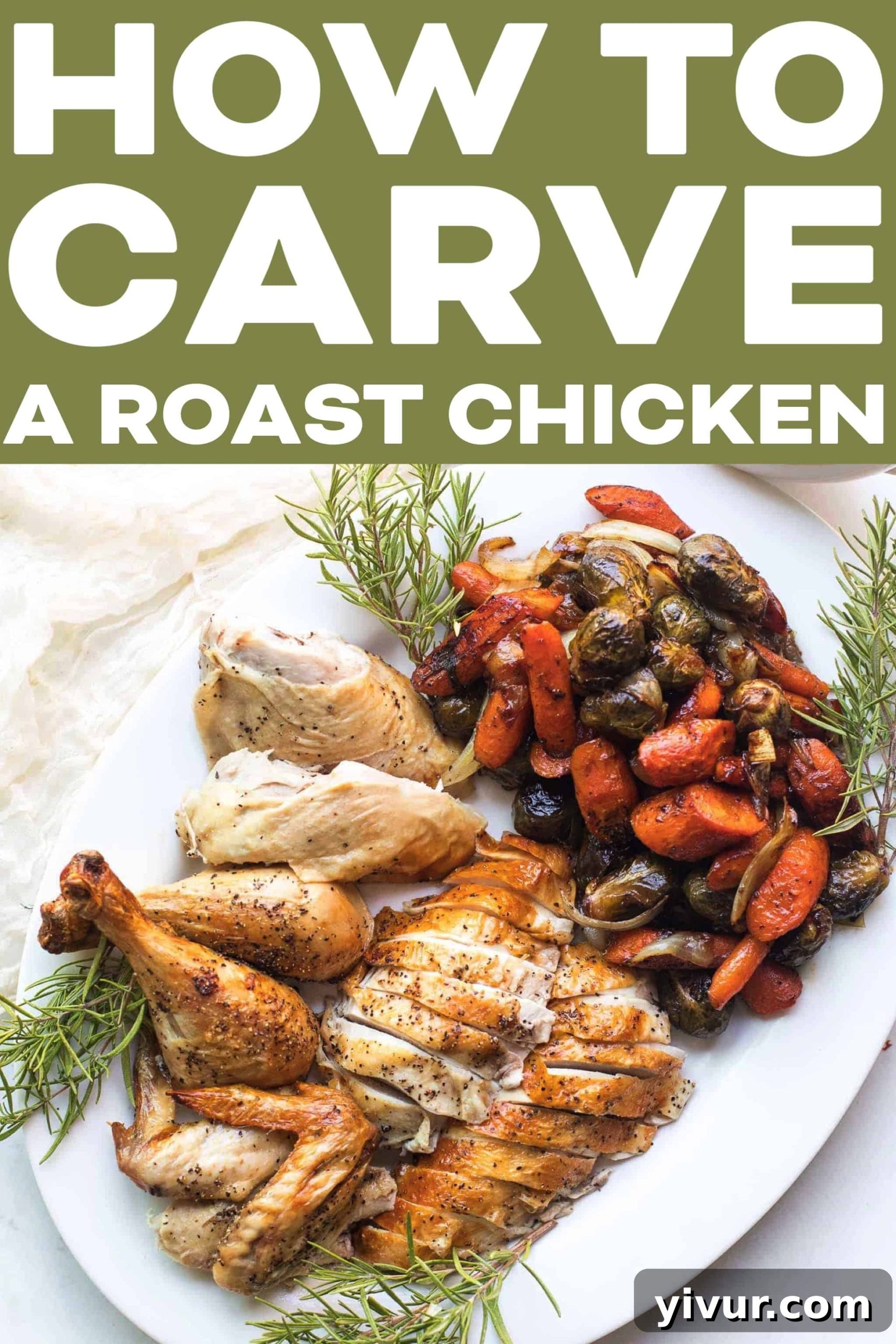
Pro Tips for Flawless Carving Every Time
Even with a step-by-step guide, a few extra pointers can elevate your carving skills from good to exceptional:
- Keep Your Knife Razor Sharp: Seriously, a sharp knife is your best friend. It glides through meat effortlessly, ensuring clean cuts and reducing the risk of accidents. Invest in a good knife sharpener or honing steel.
- Patience and Precision: Don’t rush. Take your time with each cut, aiming for precision rather than speed. This will result in better-looking and more consistently sized pieces.
- Feel for the Joints: Many carving steps involve cutting through joints. Instead of forcing your knife, try to feel for the natural gaps and crevices where bones connect. A gentle twist or pull can often help expose these joints.
- Cut Against the Grain: Especially for breast meat, always slice against the muscle fibers (the grain). This shortens the fibers, making the meat much more tender and enjoyable to eat.
- Don’t Waste a Drop: Make sure your cutting board has a well to collect all those flavorful juices. These drippings are liquid gold and are perfect for fortifying gravy or adding moisture to the carved meat.
Conclusion: Carve with Confidence
Carving a roast chicken or turkey might seem daunting at first, but with a sharp knife, a little practice, and these detailed steps, you’ll discover it’s a skill easily mastered. It’s an essential part of presenting a celebratory meal and ensuring every guest enjoys the delicious fruits of your labor. Remember to rest your bird, gather your tools, and approach each cut with confidence. Not only will your beautifully carved bird impress your diners, but you’ll also gain immense satisfaction from perfecting this classic culinary technique. So go ahead, carve with pride, and savor every bite of your perfectly prepared roast!