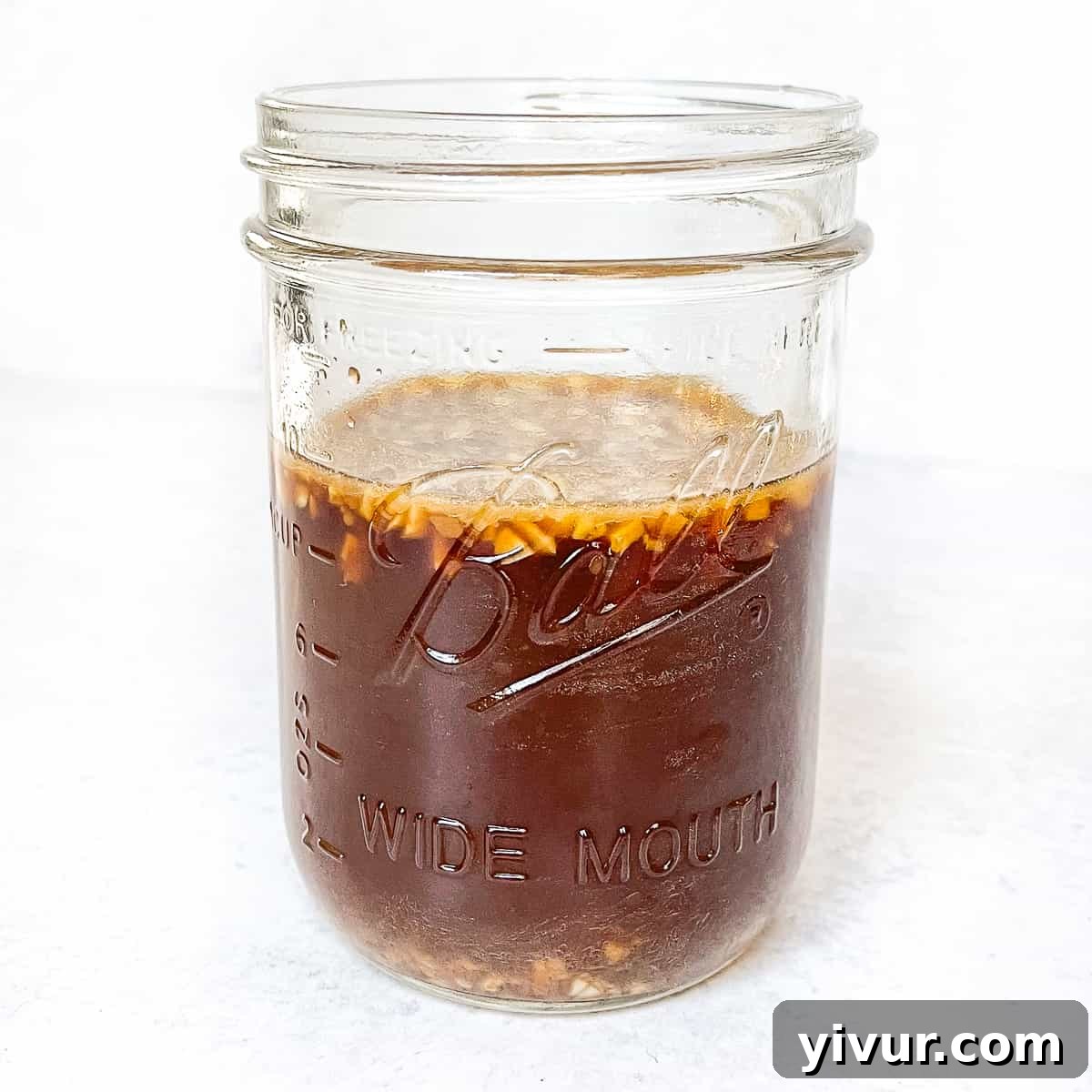
The BEST Homemade Asian Stir Fry Sauce Recipe (Authentic & Easy)
Unlock the secret to restaurant-quality stir fries right in your own kitchen with this incredible homemade Asian stir fry sauce recipe. A long-standing favorite among readers since 2014, this versatile sauce remains a staple in my home, transforming everyday ingredients into a culinary delight. Crafted from a harmonious blend of simple pantry essentials like savory soy sauce, rich broth, pungent fresh garlic, vibrant ginger, and aromatic sesame oil, this sauce delivers an irresistible savory-sweet profile. It effortlessly thickens to coat every piece of chicken, beef, tofu, or your chosen medley of crisp vegetables, ensuring a glossy, flavorful finish every time. Forget about store-bought alternatives; this easy-to-make sauce brings authentic Asian flavors directly to your table.
Why This Homemade Stir Fry Sauce Will Become Your Go-To Recipe
There’s an undeniable magic to a perfectly balanced stir fry sauce – that exquisite symphony of salty, sweet, tangy, and umami notes that clings to every single ingredient, delivering an explosion of flavor with each bite. This particular recipe captures that magic flawlessly, offering a convenient, healthy, and incredibly flavorful solution for your weeknight meals. Here’s why you’ll absolutely adore this homemade stir fry sauce:
- Effortless & Quick: This recipe comes together in just 5 minutes using basic ingredients you likely already have in your pantry. No complicated steps, no lengthy cooking times – just whisk and go!
- Pantry-Friendly Ingredients: You won’t need to hunt for exotic items. We’re talking soy sauce, broth, garlic, ginger, cornstarch, honey, sesame oil, and rice vinegar – all common staples that make this sauce accessible for anyone, anytime.
- Naturally Gluten-Free (with a simple swap!): By simply opting for tamari or coconut aminos instead of traditional soy sauce, this recipe easily becomes a delicious gluten-free stir fry sauce, catering to dietary needs without compromising on taste.
- Authentic Restaurant Flavor at Home: Craving that takeout taste? This sauce delivers! Its rich, glossy consistency and deeply satisfying flavor profile will make you feel like you ordered from your favorite Chinese restaurant, but with the added satisfaction of homemade quality.
- Incredibly Versatile: Whether you’re whipping up a vibrant vegetable stir fry with crisp bell peppers and broccoli, a hearty chicken and tofu stir fry, or a savory beef and mushroom dish, this sauce is your ultimate companion. It provides that luxurious, restaurant-style coating that elevates any stir-fried meal.
- Customizable for Every Diet: Beyond being easily gluten-free, this sauce can be adapted for vegan, vegetarian, keto, and soy-free diets with minimal adjustments. See our tips below to tailor it to your personal preferences.
Stop reaching for expensive, often preservative-laden store-bought sauces. With this recipe, you’ll have a healthier, tastier, and more satisfying option ready in minutes, making homemade stir-fries a regular, stress-free indulgence.
Watch The Easy Recipe Video
Witness how effortlessly this amazing stir fry sauce comes to life! Our recipe video guides you through each simple step, ensuring you achieve perfect results every time. It’s a fantastic visual aid for first-time makers and a quick refresher for seasoned cooks.
For alternative viewing, you can also watch this recipe video on YouTube directly.
What Our Readers Are Saying About This Sauce
Don’t just take our word for it! Thousands of home cooks have fallen in love with this stir fry sauce, making it a regular feature in their meal rotation. Here’s what one happy reader had to say:
⭐️⭐️⭐️⭐️⭐️ “I haven’t commented in a while, but I just want you to know that I still use this recipe ALL THE TIME!!!! It is the absolute best stir fry sauce, which means that I make the absolute best stir fry (usually chicken, vegetables and udon noodles — also good with just vegetables, shrimp, pork, whatever!!!) Thank you so much for sharing this.” – Celie M.
Join our community of delighted cooks and discover your new favorite stir fry recipe!
Essential Ingredients for the Perfect Stir Fry Sauce
This homemade stir fry sauce harnesses the power of everyday pantry staples and fresh aromatics to create an all-purpose flavor booster that tastes anything but ordinary. Each ingredient plays a crucial role in achieving the signature depth, balance, and glossy texture of an authentic Asian stir fry.
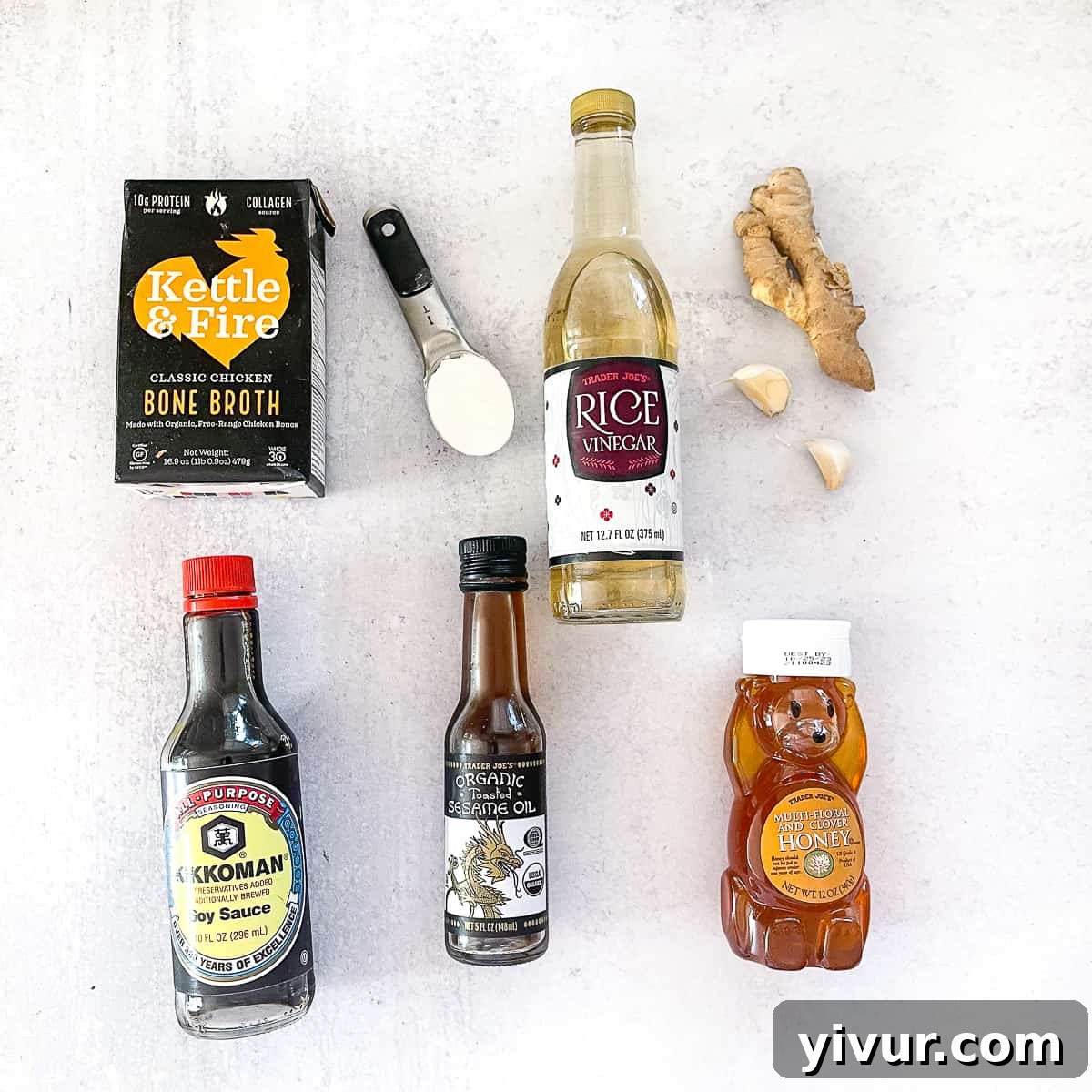
- Low-Sodium Soy Sauce: This is the foundation of our savory flavor. Using a low-sodium version is highly recommended to prevent the sauce from becoming overly salty, allowing you more control over the seasoning. For gluten-free or soy-free alternatives, Tamari or coconut aminos are excellent choices that maintain a similar umami depth. Explore different types of soy sauce to customize the recipe to your exact taste preferences.
- Chicken Broth: Adds a layer of richness and depth to the sauce. Chicken broth creates a more complex flavor profile, but vegetable stock works perfectly for a vegetarian option, and plain water can be used in a pinch without sacrificing too much quality. Consider using a good quality bone broth for extra nutrients and flavor.
- Fresh Garlic and Ginger: These aromatic powerhouses are non-negotiable for an authentic stir fry sauce. Grated or finely minced, they infuse the sauce with a pungent, warm, and spicy freshness. While ground ginger or garlic powder can be used if fresh is unavailable, the vibrant flavor of fresh aromatics truly makes a difference.
- Cornstarch: The magic ingredient that thickens the sauce, giving it that luxurious, glossy texture that coats your stir fry beautifully. It’s essential for achieving the restaurant-style consistency. Arrowroot powder or tapioca starch are fantastic gluten-free and equally effective substitutes.
- Honey: Provides a touch of natural sweetness, perfectly balancing the salty and tangy notes of the sauce. You can easily substitute honey with maple syrup, brown sugar, or coconut sugar based on your dietary needs or preferred sweetness level.
- Sesame Oil: A few drops of toasted sesame oil add an incredibly distinct nutty, earthy aroma and flavor. This ingredient is crucial for that classic Asian taste and should not be skipped. Its powerful flavor means a little goes a long way.
- Rice Vinegar: Introduces a bright, tangy acidity that cuts through the richness and balances the sweetness, elevating the overall flavor of the sauce. White vinegar or apple cider vinegar can be used as satisfactory substitutions if rice vinegar isn’t on hand.
Is your sauce still too salty, even with low-sodium soy sauce? Don’t worry! Try adding a splash of lemon juice or a bit more vinegar to balance the flavors. Diluting the sauce with a little extra water or unsalted broth can also help. For an inherently less salty and slightly sweeter profile, coconut aminos are an excellent alternative to soy sauce.
Unleash Your Creativity: Easy Recipe Variations
One of the best aspects of this stir fry sauce is its adaptability. It serves as a fantastic base that you can easily customize to suit different tastes, dietary requirements, or simply to use what you have on hand. Make this delicious and healthy stir fry sauce truly your own with these quick adjustments:
- Vegan Stir Fry Sauce: Simply swap the chicken broth for vegetable stock and use maple syrup instead of honey. This creates a rich and flavorful sauce that’s 100% plant-based.
- Gluten-Free Stir Fry Sauce: Replace regular soy sauce with Tamari, a gluten-free soy sauce alternative. Ensure all other ingredients are certified gluten-free.
- Keto Stir Fry Sauce: Substitute cornstarch with arrowroot powder (which has fewer net carbs) and opt for a keto-friendly sweetener such as erythritol or monk fruit sweetener in place of honey.
- Spicy Stir Fry Sauce: For a kick of heat, add red pepper flakes, a dash of chili oil, or a spoonful of gochujang (Korean chili paste). Start with a small amount and adjust to your preferred spice level.
- Extra Umami: Enhance the savory depth by stirring in 1 tablespoon of oyster sauce (for non-vegan options) or a splash of Shaoxing wine (Chinese cooking wine). These additions provide a complex, fermented flavor that is characteristic of many authentic Asian dishes.
- Soy-Free Stir Fry Sauce: Coconut aminos are an excellent one-to-one replacement for soy sauce, offering a similar umami flavor with a slightly sweeter profile and significantly less sodium.
- Lower Sodium Stir Fry Sauce: Beyond using low-sodium soy sauce, consider using only water or low-sodium broth to dilute the sauce slightly without compromising flavor, especially if you are sensitive to salt.
- Citrusy Twist: For a brighter, zesty flavor, add a squeeze of fresh orange or lime juice. This pairs wonderfully with shrimp or chicken stir fries.
- Sweet and Sour Profile: Increase the honey slightly and add a bit more rice vinegar, along with a tablespoon of ketchup, to create a delightful sweet and sour sauce that kids and adults alike will love.
Beyond being a fantastic stir fry component, this versatile sauce doubles as an excellent marinade! It’s delicious with any protein—chicken, shrimp, pork, or tofu. Simply marinate your chosen protein for at least 30 minutes (or up to a few hours) before cooking to infuse it with incredible flavor.
How to Prepare Your Easy Stir Fry Sauce
Making this homemade stir fry sauce couldn’t be simpler, taking mere minutes from start to finish. The beauty of this recipe lies in its straightforward process, ensuring you have a flavorful sauce ready whenever a stir fry craving hits.
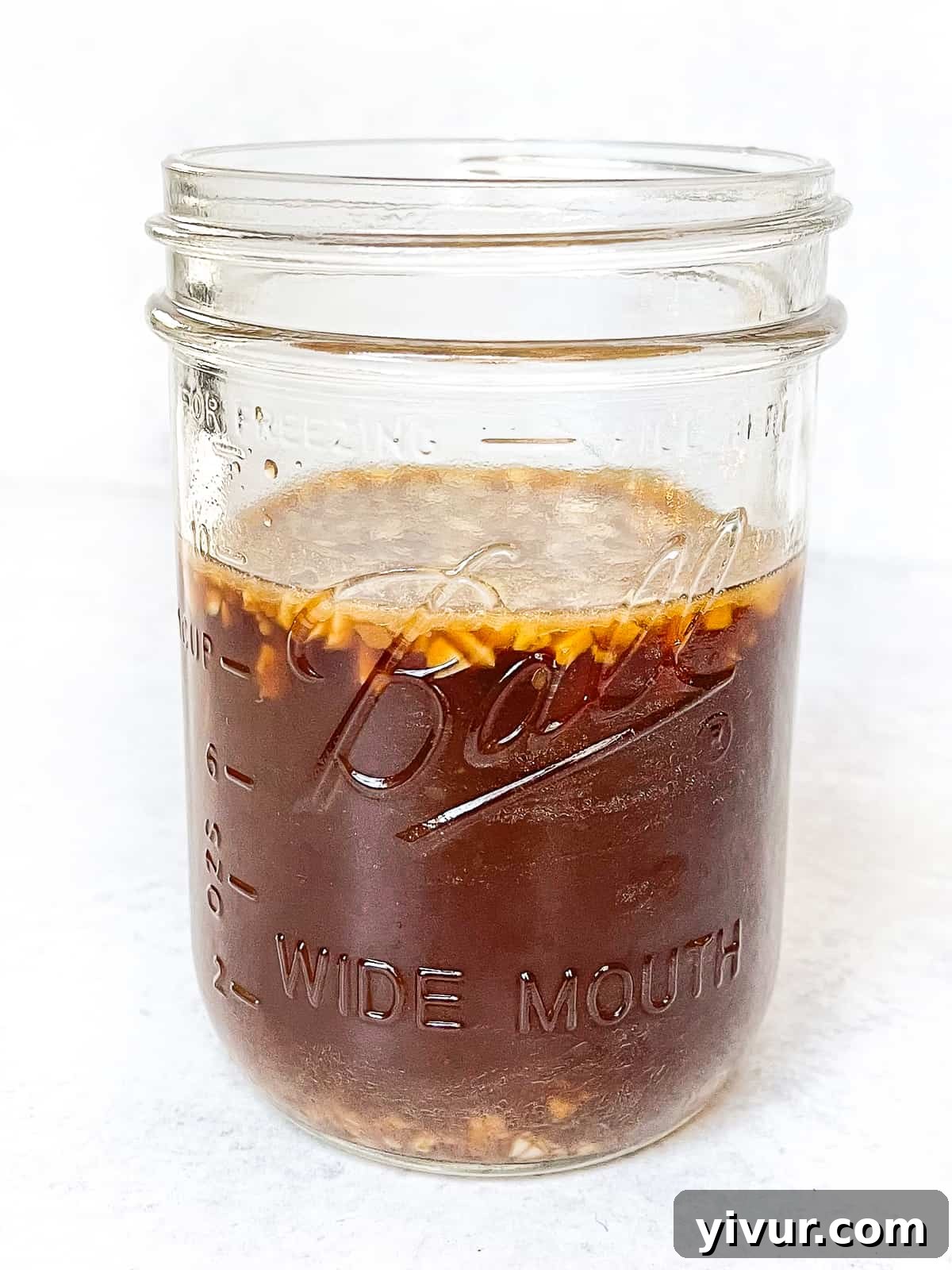
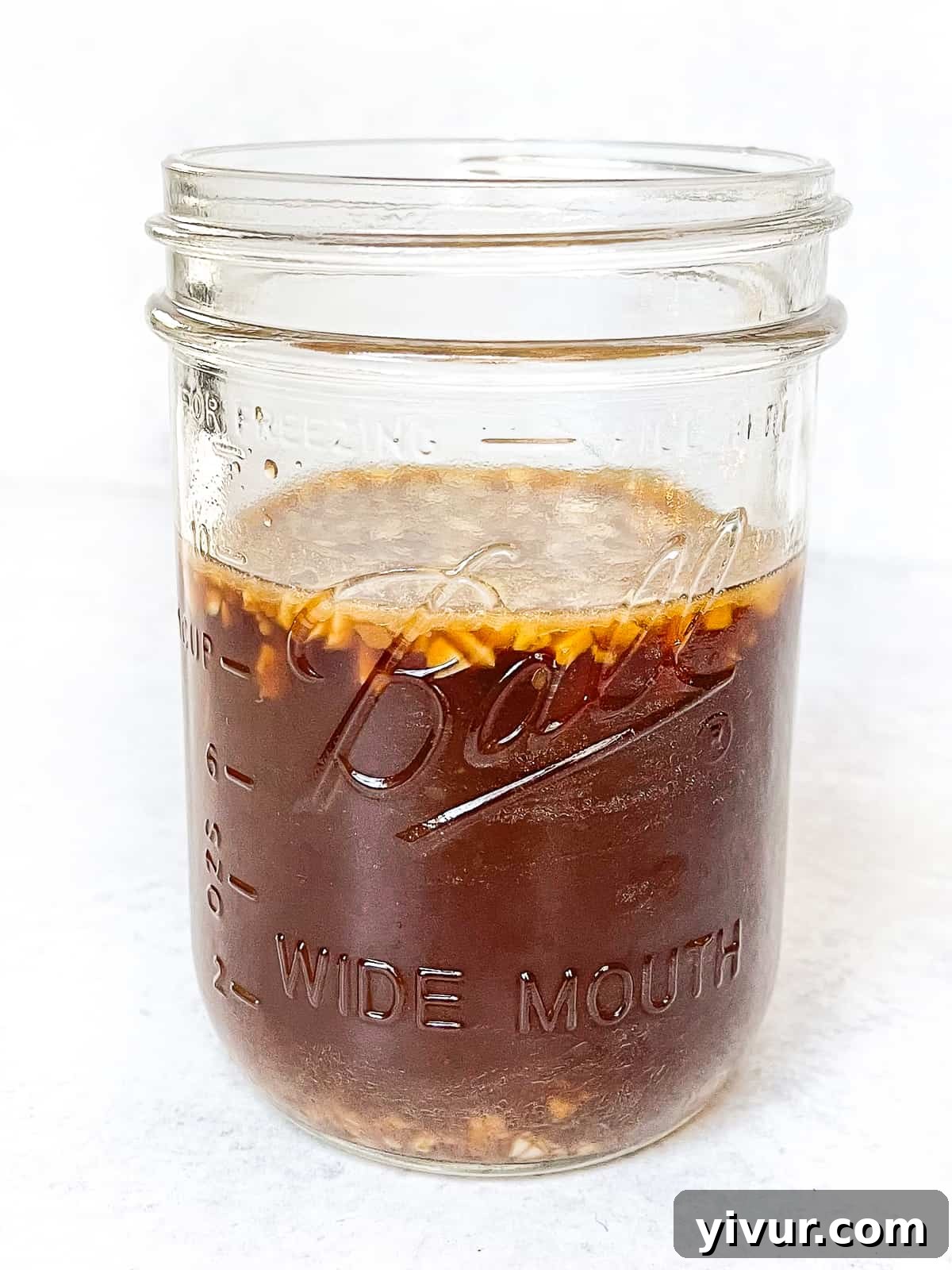
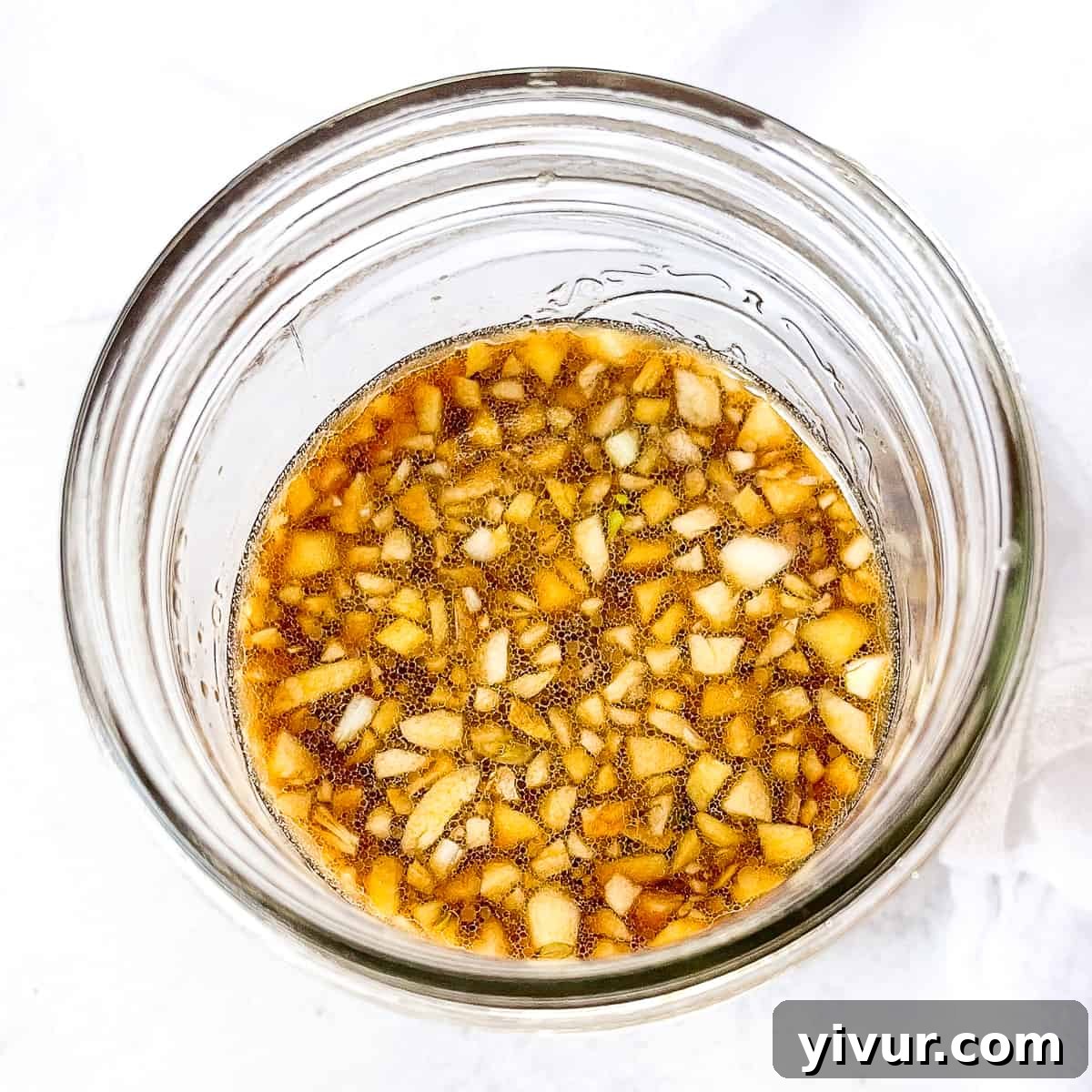
Step 1: Gather and Combine All Ingredients. Simply add all the liquid and aromatic ingredients – low-sodium soy sauce, chicken broth, fresh minced garlic, grated ginger, cornstarch, honey, sesame oil, and rice vinegar – into a small mixing bowl or a mason jar. Ensure all your ingredients are measured accurately for the best flavor balance.
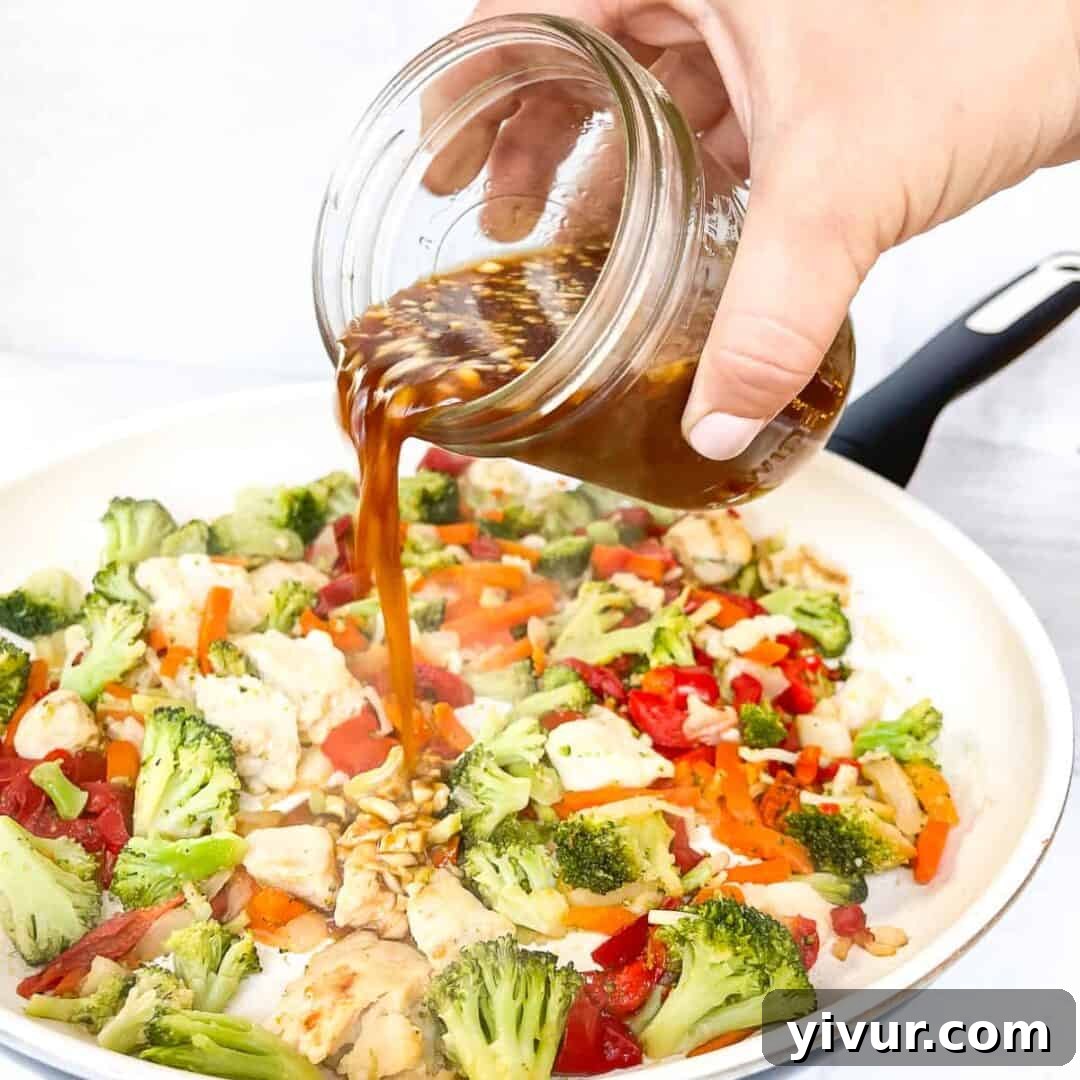
Step 2: Whisk or Shake Until Smooth. If using a bowl, grab a whisk and vigorously stir until all ingredients are thoroughly combined and the cornstarch has dissolved without any lumps. If using a mason jar with a tight-fitting lid, simply secure the lid and shake vigorously for about 30 seconds. This quick mixing ensures an even flavor distribution and proper thickening later on. That’s it! Your homemade stir fry sauce is ready to use immediately, or it can be stored for future meals.
Natalie’s Pro Tips for Stir Fry Sauce Success
Years of reader feedback and countless batches in my own kitchen have helped me refine these tried-and-tested tips. They’ll help you create a consistently delicious, flexible sauce that adapts effortlessly to your pantry and preferences.
- Yield and Storage: This recipe yields approximately 1¼ cups of sauce, which is the perfect quantity for a 4-serving stir fry. You can use it immediately for a fresh meal, store it in an airtight container in the refrigerator for up to a week, or freeze it in ice cube trays for convenient, pre-portioned homemade sauce anytime you need it. Once frozen, transfer the cubes to a freezer-safe bag for longer storage (up to 3 months).
- Ingredient Substitutions: Don’t have everything on hand? Get creative!
- Broth Alternatives: Out of chicken broth? Orange juice can make for a delicious, citrusy twist in your sauce, especially with chicken or shrimp.
- Vinegar Swaps: No rice vinegar? Lime juice or even a good quality white wine vinegar can provide a similar tangy brightness.
- Sweetener Flexibility: Prefer brown sugar or maple syrup over honey? Absolutely fine! Adjust the amount to your taste, as different sweeteners have varying levels of sweetness.
- Aromatic Options: While fresh garlic and ginger are highly recommended for the best flavor, in a pinch, you can use ½ teaspoon of garlic powder and ½ teaspoon of ground ginger for every 2 cloves of garlic and 1 tablespoon of fresh ginger, respectively.
- Achieving a Smooth Sauce: If you prefer a sauce without any small bits of garlic or ginger, simply blend all the ingredients in a mini blender or a small smoothie maker. This creates an ultra-smooth, velvety sauce that’s perfect for those who prefer a refined texture.
- Adjusting Sweetness: If you find the sauce too sweet for your liking, reduce the amount of honey or other sweetener next time you make it. For an even less sweet, more savory profile, you can replace honey with a less sweet option like brown rice syrup or even omit it entirely. You can always add a pinch of sugar at the end if needed.
- Testing for Thickness: Before adding the sauce to your stir fry, you can perform a quick thickness test. If it seems too thin, whisk in an additional ½ teaspoon of cornstarch mixed with 1 tablespoon of cold water. If it’s too thick, thin it out with a splash of broth or water until it reaches your desired consistency.
Mastering the Art of Stir Frying with This Sauce
Once your irresistible homemade stir fry sauce is ready, you’re just a few steps away from creating a vibrant, flavorful, and healthy restaurant-style stir fry at home. This sauce is designed to elevate any combination of proteins and vegetables, turning a simple meal into a delightful culinary experience. Here’s a quick, foolproof cooking method to guide you, adaptable for dishes like my green bean stir fry with chicken and sesame seeds or a robust Whole30 Asian beef stir fry.
- Step 1: Sear Your Protein to Perfection. Heat 2 tablespoons of high-smoke-point oil (like avocado, grapeseed, or peanut oil) in a large skillet or wok over medium-high heat until shimmering. Add your chosen protein, such as cubed chicken breast, sliced beef, shrimp, or firm tofu. Avoid overcrowding the pan; cook in batches if necessary to ensure even browning. Stir-fry for 5-7 minutes, turning occasionally, until it’s beautifully browned and cooked through. Remove the protein from the skillet and set it aside on a plate, reserving any juices.
- Step 2: Stir-Fry Your Vibrant Vegetables. In the same skillet, add another 1-2 tablespoons of oil if needed. Add 4-5 cups of your favorite chopped vegetables. Great options include broccoli florets, sliced bell peppers (any color), snow peas, snap peas, mushrooms, carrots, asparagus, onions, or zucchini. Stir-fry for 5-7 minutes, constantly moving the vegetables around, until they are crisp-tender and brightly colored. You want them to retain a slight crunch.
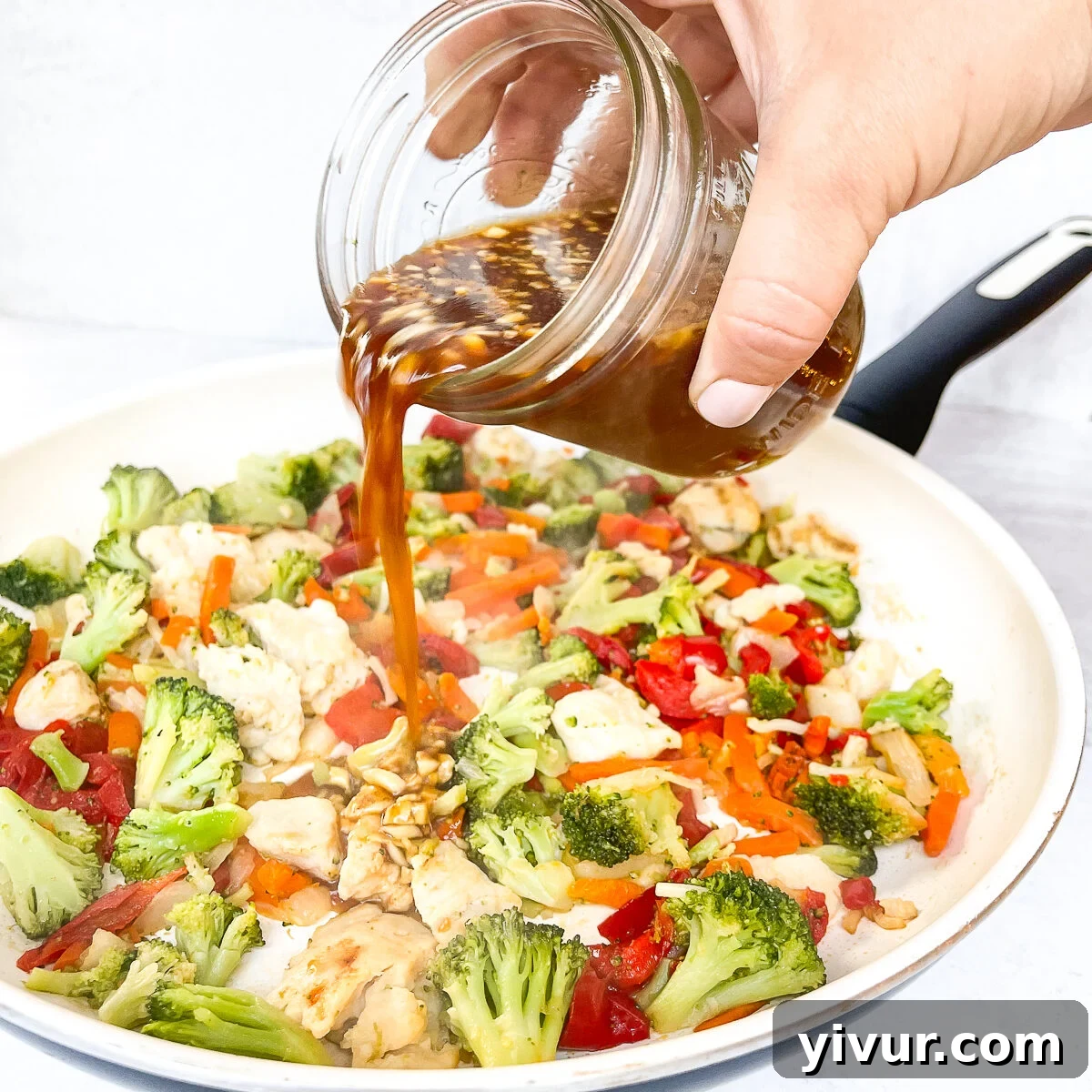
- Step 3: Recombine and Introduce the Sauce. Return the cooked protein (and any accumulated juices) to the skillet with the crisp-tender vegetables. Give your homemade stir fry sauce a quick re-whisk or shake, then pour all 1¼ cups of the sauce evenly over the protein and vegetables. Stir everything gently to ensure an even coating.
- Step 4: Thicken and Achieve Glossy Perfection. Allow the mixture to come to a gentle bubble over medium heat. Let it simmer for 2–3 minutes, stirring continuously. As it heats, the cornstarch in the sauce will activate, causing it to thicken into a rich, glossy, and beautifully cohesive coating for your stir fry. Once thickened to your desired consistency, remove from heat immediately.
Serve your magnificent stir fry immediately over a bed of warm fluffy rice, healthy cauliflower rice for a low-carb option, or your favorite noodles (udon, ramen, or lo mein all work wonderfully). Garnish with sesame seeds, chopped green onions, or a sprinkle of fresh cilantro for an added touch of freshness and presentation.
Stir Fry Sauce Troubleshooting Tips
Even with the best recipes, sometimes things don’t go exactly as planned. Here are solutions to common issues you might encounter while making or using your stir fry sauce, ensuring perfect results every time:
- Sauce Too Thin? If your sauce isn’t thickening enough, it likely needs more cornstarch. In a small bowl, mix 1 teaspoon of cornstarch with 2 teaspoons of cold water to create a slurry. Gradually stir this slurry into your simmering sauce until it reaches your desired thickness. Allow it to cook for another minute to ensure the cornstarch fully activates and cooks out any starchy taste.
- Sauce Too Thick? If your sauce has become too dense, it’s easy to thin it out. Simply add a splash (1-2 tablespoons at a time) of broth or water to the sauce while stirring, until it reaches your preferred consistency.
- Sauce Too Salty? This can happen if regular soy sauce is used, or if you’re sensitive to salt. To balance an overly salty sauce, add more rice vinegar for acidity, or a touch of maple syrup or honey for sweetness. A squeeze of fresh lemon juice can also work wonders in cutting through the saltiness.
- Sauce Too Sweet? If the sauce tastes overly sweet, it’s best to reduce the honey or other sweetener next time you make it. For a quick fix in the current batch, add a splash more rice vinegar or a tiny bit of extra soy sauce (if not already too salty) to rebalance the flavors. Coconut aminos, being naturally sweeter, can also contribute to a sweeter profile; consider adjusting accordingly.
- Sauce Burning or Sticking? This usually occurs if the sauce is added too early or cooked over excessively high heat for too long. Always add the thickened sauce at the very end of your stir-frying process, just after the protein and vegetables are cooked. Stir it in quickly and let it bubble for only 2-3 minutes to thicken before serving.
Stir Fry Sauce FAQs
Yes, absolutely! Arrowroot powder or tapioca starch are excellent natural thickeners and work as a 1:1 substitute for cornstarch. Another method is to simmer the sauce longer to allow it to naturally reduce and thicken, though this takes more time and produces a slightly different texture.
It’s fantastic as a marinade! Its balanced blend of savory, sweet, and tangy flavors, along with the acidic component, helps tenderize and infuse flavor into proteins. It works particularly well for chicken, pork, beef, shrimp, or tofu. Allow your protein to marinate for at least 30 minutes, or up to 2-4 hours in the refrigerator for deeper flavor.
Yes, this stir fry sauce freezes beautifully! Pour it into an ice cube tray, and once solid, transfer the cubes to a freezer-safe airtight container or bag. It can be stored in the freezer for up to 3 months. When you’re ready to use it, simply thaw the desired amount in the refrigerator or gently in a saucepan.
The main differences lie in ingredients and freshness. Store-bought sauces often contain high levels of sodium, excess sugar, artificial colors, preservatives, and sometimes unhealthy oils. This homemade sauce, on the other hand, uses fresh, simple pantry staples, allowing you complete control over the quality, flavor, and nutritional content. You can adjust the sweetness, saltiness, and spice to your preference, creating a much healthier and more vibrant sauce.
For stir-frying, it’s best to use oils with a high smoke point that can withstand high temperatures without burning. Excellent choices include avocado oil, peanut oil, grapeseed oil, or canola oil. Sesame oil is primarily for flavor and should be added to the sauce or drizzled at the end, not used for initial cooking.
When stored in an airtight container, this homemade stir fry sauce will last for up to 7 days in the refrigerator. This makes it perfect for meal prepping a batch at the beginning of the week for quick and easy weeknight dinners.
This homemade stir fry sauce has been my trusted companion for countless fast, flavorful, and healthy meals, and I sincerely hope it becomes yours too! Whether you’re preparing a quick weeknight dinner or stocking up for future meal prep, this is one of those essential pantry staple recipes that consistently delivers outstanding results. It’s a testament to how simple ingredients can create truly exceptional flavors.
For those exploring low-carb options, you might also enjoy my Whole30 and Keto Stir Fry Sauce for a delicious, diet-friendly twist.
Explore More Homemade Sauce Recipes
If you loved this stir fry sauce, you’ll be thrilled to discover more of our reader-favorite homemade sauces and condiments that elevate any dish!
- The BEST Stir Fry Sauce
- 3-Minute Keto Mayonnaise (No Drizzle, No Fail!)
- Easy Keto BBQ Sauce (2 Net Carbs)
- The BEST Dairy Free Ricotta Cheese Substitute Recipe
Did you make this easy stir fry sauce recipe? What’s your favorite veggie or protein pairing? We love hearing from you! Drop a comment below and let us know your experience! If you loved it, don’t forget to give it a ⭐⭐⭐⭐⭐ star rating—your reviews help other home cooks discover and enjoy this fantastic recipe too! Be sure to follow us on Instagram, Pinterest, TikTok, and Facebook for more delicious recipes and cooking inspiration.
The BEST Stir Fry Sauce
4
5 mins
5 mins
Pin Recipe
Leave a Review
Ingredients
- ½ cup low sodium soy sauce, Use Low-Sodium soy sauce as the saltiness of regular may be overpowering.
- ½ cup chicken broth (or vegetable broth!), I like Kettle + Fire bone broth. Use low-sodium if needed.
- 2 tablespoons fresh ginger, chopped
- 2 cloves finely minced garlic, grated will work as well
- 1 tablespoon cornstarch
- 1 tablespoon honey, or brown sugar
- 1 teaspoon sesame seed oil
- 1 teaspoon rice vinegar
Instructions
Stir Fry Sauce
-
Combine all ingredients in a bowl or mason jar, and whisk or shake until combined.
-
Makes 1-¼ cups. You can use immediately, or keep refrigerated in an airtight container for 1 week.
How To Make A Stir Fry
-
Heat a large skillet over medium-high heat. Add in 2 tablespoons oil, then 1 pound of protein of your choice, cubed.
-
Cook for 5-7 minutes, stirring occasionally until the protein is cooked through. Transfer the protein to a plate.
-
In the same skillet, add another 2 tablespoons of oil and 4 cups of chopped vegetables of your choice. (broccoli, green beans, bell pepper, asparagus, onion, mushrooms, zucchini, etc). Cook for 5-7 minutes until the veggies are crisp-tender.
-
Add back in the protein, and pour over all 1-¼ cups of the sauce. Allow coming to a bubble, which will activate the thickener.
-
Remove from the heat and serve with warm cooked rice, cauliflower rice, or noodles.
Notes
- USE LOW SODIUM SOY SAUCE! Using regular soy sauce can be too salty for some people. Want even less salt? Use low-sodium broth or plain water.
- Vegan: Use vegetable stock and maple syrup.
- Keto: Swap cornstarch for arrowroot and use a keto-friendly sweetener.
- Gluten-Free: Use Tamari instead of regular soy sauce.
- Spicy: Add red pepper flakes, chili oil, or a spoonful of gochujang.
- Soy-Free: Coconut aminos work great in place of soy sauce.
- Extra Umami: Stir in 1 tablespoon of oyster sauce or a splash of Shaoxing wine.
Recipe Variations: Add a hint of these to change up your sauce based on what you’re planning to make!
- Teriyaki Sauce: Think of this one like a sweet little hug with a hint of tang, thanks to the soy sauce and mirin. It’s cozy, savory, and just bursting with umami. I love it on chicken, shrimp, or tossed with roasted veggies. Since it’s already sweet, you can skip most of the sugar in your base sauce. Add it right near the end of cooking to keep that fresh, bright flavor.
- Hoisin Sauce: This is your thick, rich, deeply flavorful friend, full of garlic, fermented soybeans, and spices. Hoisin is amazing with beef, pork, or tofu. I like to thin it with a splash of broth or water before adding it in, and you can skip extra sugar since it already has a natural sweetness.
- Black Pepper Sauce: If you want bold, pepper-forward flavor with just a little tang, black pepper sauce is your match. It makes beef sing, plays well with mushrooms and onions, and brings bok choy to life. Add it toward the end of cooking so the pepper flavor stays punchy but balanced.
- Sweet Chili Sauce: This one is sweet, tangy, and just a bit spicy with a sticky texture. It’s perfect for chicken, shrimp, crispy tofu, or crunchy vegetables. If it feels too thick, loosen it up with a little soy sauce or vinegar. And since it’s already sweet, no need to add extra sugar.
Asian, Chinese
Condiment, Sauce
Natalie
Nutrition Information
Serving: 4g,
Calories: 66.6,
Total Carbs: 10.1g,
Protein: 3.8g,
Fat: 1.5g,
Saturated Fat: 0.3g,
Cholesterol: 0.9mg,
Sodium: 1191.5mg,
Potassium: 167.1mg,
Fiber: 0.4g,
Sugar: 5g,
Vitamin C: 0.7mg,
Calcium: 14.2mg,
Iron: 0.6mg,
Net Carbs: 10g
Did you make this recipe?
Please Leave a comment and give this recipe a rating!