
Embarking on the beautiful journey of breastfeeding is a profound experience, and for many mothers, maintaining a robust milk supply is a primary focus. This comprehensive guide shares my personal strategies for sustaining a high milk supply while adhering to a nutrient-dense Whole30/Paleo lifestyle. Discover practical tips, effective pumping techniques, and essential nutritional insights that have allowed me to nurse my babies for a year or longer, fostering a strong, healthy start to their lives.

Before diving into my personal experiences and recommendations, I want to acknowledge and celebrate every mother’s feeding journey. Whether you choose to breastfeed, formula-feed, or a combination, how you nourish your baby is a deeply personal decision, and you are doing an incredible job. My aim here is simply to share what has worked exceptionally well for me, offering insights that might empower other mothers on their path. You are truly amazing!
There’s an unparalleled wonder in breastfeeding my babies. The realization that my body possesses the innate ability to nurture a life from conception, carry it through birth, and then become its sole source of sustenance during those crucial early months of growth is nothing short of miraculous. It’s a profound connection and a testament to the incredible strength of a mother’s body.
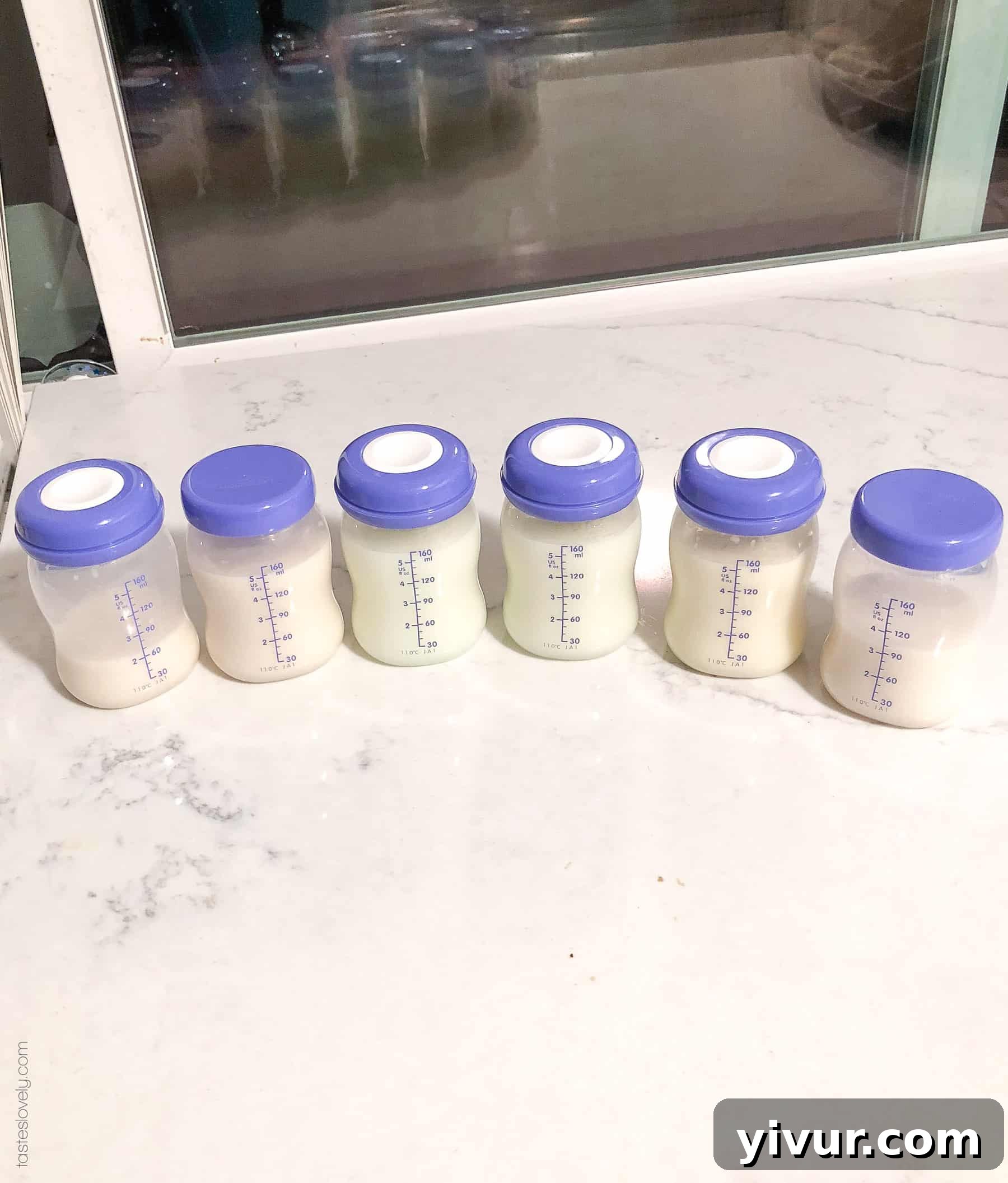
A while back, I shared a snapshot on Instagram of an extraordinary pumping session – a result of having filmed a wedding for eleven hours without access to my pump. The sheer volume of milk was astonishing, even to me, and it sparked a flood of messages. Many asked if this was my typical output (absolutely not!), and how I managed to produce such an abundance of milk. The truth is, I’ve been fortunate never to face significant milk supply issues, and I credit this to a combination of intentional practices and learned wisdom. My first son, Josh, was breastfed for 14 months, and I’m well on my way to achieving that milestone, or even surpassing it, with my second son, Ryan. Allow me to share the strategies that have been instrumental in this journey.
Establishing and Maintaining a High Milk Supply: My Key Strategies
1. Initiate Pumping Early and Consistently
One of the most foundational principles for establishing a robust milk supply is to signal to your body that there’s a higher demand for milk than your baby alone might initially consume. By introducing pumping early on, you effectively “super-size” your supply, ensuring an abundant reserve. The optimal time to begin this process is right from the start, as your body is just beginning to regulate milk production. Here’s a detailed account of how I approached it.

My first son, Josh, made an early debut, arriving six weeks ahead of schedule and spending some time in the NICU. This meant I had to start pumping immediately to bring in my milk, as Josh wasn’t able to nurse directly for the first few days. Electric pumps were a lifesaver during this period! The hospital protocol had me pumping for 15 minutes every three hours around the clock. This aggressive start actually led to an oversupply, which, while sometimes uncomfortable, is undoubtedly a preferable challenge to a low supply. This early establishment set me up for an effortless nursing journey with Josh, inspiring me to replicate the strategy with Ryan.
With Ryan, I began pumping on the very day he was born, utilizing the hospital’s equipment. Immediately after Ryan would nurse for 10-15 minutes, I would follow with another 15-minute pumping session. Initially, I collected mere drops, but within six hours, I was expressing half an ounce. By the 24-hour mark, I was consistently pumping almost two ounces, much to the nurses’ astonishment! We were discharged when Ryan was three days old, and by then, I was routinely pumping 3-4 ounces with each session. This proactive approach meant I left the hospital with a small but significant freezer stash already accumulated – a fantastic head start. Even better, Ryan surpassed his birth weight by day four, a testament to his efficient feeding and my burgeoning supply.
Upon returning home with Ryan, I discovered the magic of Haakaa Silicone Breast Pumps. These ingenious devices quickly became an obsession. The Haakaa works by simply suctioning onto one breast while your baby nurses on the other, passively collecting any let-down milk. Its gentle suction not only captures milk that would otherwise be lost but also stimulates additional milk release. It adheres surprisingly well; I only experienced it falling off twice, both times due to a well-aimed kick from Ryan. After the second unfortunate spill, I switched to the Football Hold nursing position, which provided ample space for the Haakaa without interference. I would position my Boppy nursing pillow to support Ryan in the Football Hold, ensuring the Haakaa on the opposite side remained secure and effective.
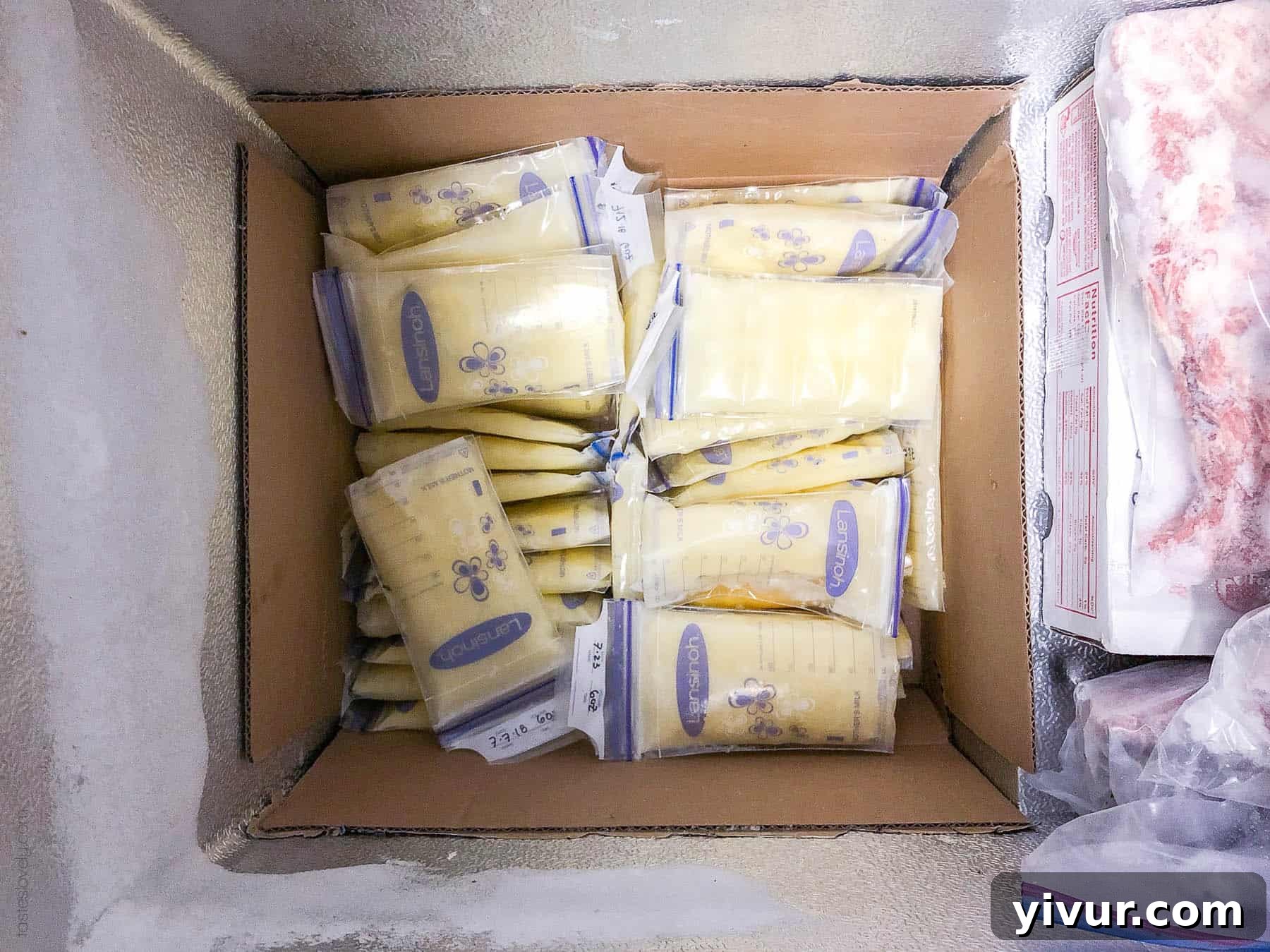
For the initial six weeks, I diligently used the Haakaa during every single feeding, day and night. Each session typically yielded 3-4 ounces of milk. This consistent collection, purely through passive suction, allowed me to build an astonishing freezer stash – easily 200 6-ounce bags of breastmilk, frozen and ready for future use. With a deep freezer, this milk can be safely stored for up to a year, providing immense peace of mind and flexibility.

Around the six-week mark, as Ryan’s milk intake naturally increased, I began to gradually taper off my Haakaa usage. I transitioned to using it every other feeding, then every two feedings, then every three, until I was only using it twice a day – once in the morning and once at night. By the time Ryan was approximately two months old, he had become much more active, making the Haakaa a bit more challenging to keep in place. At this point, I decided to retire the Haakaa and instead started dedicated pumping sessions twice daily: one after his morning feeding (typically between 6 or 7 AM) and another after his night feeding (around 8 PM).
For these regular pumping sessions, I discovered and fell completely in love with the Lansinoh Hand Breast Pump. Its portability is unmatched; since it doesn’t require an outlet, I can use it literally anywhere in the house. I’ve even managed to pump while playfully chasing my two-year-old! It operates with whisper-quiet efficiency, the only sound being the gentle drip of milk. This manual pump provides a much more natural and comfortable experience than being tethered to an electric machine, as I have full control over the suction pressure. Its compact size makes it incredibly transportable – I keep one in my diaper backpack, always ready in the car, and another at home. Best of all, it’s remarkably affordable, usually under $25. What truly sets it apart for me is its efficiency; it consistently yields more milk than my former Medela electric pump that I used with Josh. I haven’t touched my electric pump since discovering the Lansinoh manual pump and have no plans to. Bringing these small, discreet pumps to weddings has been a game-changer, allowing me to pump privately and conveniently without worrying about power outlets. My obsession is quite evident!
The only minor drawbacks of the Lansinoh manual pump are the difficulty of pumping both sides simultaneously (I simply do one side at a time) and the fact that it’s not hands-free, unlike some electric pumps used with a pumping bra. However, for me, these are small compromises for the immense benefits.
During my morning and evening pumping sessions, my goal is to collect a total of five ounces combined from both sides (approximately 2.5 ounces per side) before I stop. This means I’m consistently expressing an additional ten ounces of milk per day, above and beyond what Ryan consumes. This consistent extra demand effectively signals to my body that it needs to produce enough milk for two extra feedings daily, far exceeding Ryan’s actual needs and ensuring an abundant supply.
In the morning, reaching the five-ounce goal is typically effortless. During the evening session, if milk flow is a bit slower, I employ various techniques to encourage it, such as gentle breast massage and simultaneously hand-expressing while pumping. In the three and a half months I’ve been nursing Ryan, I’ve only failed to reach my five-ounce target twice, both on days when Ryan was exceptionally hungry and had depleted my supply more significantly. These instances are rare and usually resolve themselves quickly.
After successfully filling my deep freezer, and even my sister’s, with an impressive quantity of frozen milk, I decided to stop freezing my pumped milk when Ryan was two months old. So, what do I do with the extra ten ounces I pump daily? It goes to my two-year-old in a sippy cup! This provides an excellent boost of nutrients for him, particularly valuable as we head into cold and flu season. I offer him a sippy cup of breast milk after he wakes up in the morning and again after his afternoon nap, often letting him enjoy it in bed as he slowly rouses.
2. Nourish Your Body: Breastfeeding on a Whole30 + Paleo Diet
Fueling your body with nutrient-dense foods is paramount when breastfeeding, as your diet directly impacts the quality and quantity of your milk. Think of what you eat as the raw materials your body uses to create milk; you want to supply the highest quality possible. My approach centers around a Whole30 and Paleo-inspired diet, rich in protein, healthy fats, vibrant fruits, diverse vegetables, and nuts. If this isn’t currently your eating style, consider exploring it – it’s incredibly supportive for lactation and overall well-being. (And yes, I have TONS of delicious recipes that fit this criteria!)
A particular emphasis for me is on consuming an abundance of healthy fats, which are crucial for both my health and my baby’s development. My go-to sources include eggs, avocados, high-quality olive oil, coconut oil, and a variety of nuts and nut butters. Additionally, incorporating plenty of fruits into my diet has been a delicious and effective way to support milk production.
I also wholeheartedly endorse Vital Proteins Collagen Peptides. Not only did it significantly help in mitigating the drastic postpartum hair loss I experienced after my first pregnancy (I still lost some, but far less this time), but I genuinely believe it nourishes my body at a cellular level, contributing to a robust milk supply. I began taking two scoops in my tea every morning when I was seven months postpartum with Josh, and I’ve continued this daily ritual throughout my breastfeeding journey with Ryan. While my doctor confirmed its safety, always consult with your healthcare provider to ensure it’s right for you.
Dairy is another area I’m particularly mindful of. I generally avoid it, but I become extra vigilant when breastfeeding, especially during the first six months. Cow’s milk proteins can be challenging for some babies to digest and can transfer into breastmilk, potentially leading to fussiness or reduced feeding. By minimizing dairy, I aim to create the most comfortable and beneficial feeding experience for my baby.
To ensure I’m covering all my bases with essential vitamins and minerals, I rely on Mary Ruth Organics Multivitamin – it’s truly the best I’ve found. For an extra boost in the early weeks, I also drank one cup of Mother’s Milk Tea every morning for the first six weeks, a traditional herbal blend known to support lactation.

3. Prioritize Hydration: Drink Plenty of Water
Staying adequately hydrated is absolutely critical for maintaining a high milk supply. Breastmilk is primarily water, so it stands to reason that your body needs an ample supply of fluids to produce it effectively. My rule of thumb is to drink at least 16 ounces of water after every single feeding or pumping session, without fail, even during those late-night wake-ups. Beyond these structured hydration moments, I make a conscious effort to sip water throughout the day. I’ve noticed that my body instinctively craves water more intensely when breastfeeding – it’s a powerful signal to listen to.
The only times I’ve ever experienced a noticeable dip in my milk supply have been directly linked to insufficient water intake. For instance, when I’m filming weddings, I’m often so engrossed in my work that I forget to drink, leading to a reduced output of only three ounces instead of my usual five during subsequent pumping sessions. This direct correlation underscores the profound impact of hydration.
To facilitate consistent hydration, I rely on specific tools. For nighttime feedings, I keep a Sigg 1-liter reusable water bottle with a sport top right by my bedside. The sport top is a lifesaver, allowing me to drink while lying down without any spills – essential when you’re half-asleep. I aim to finish the entire liter every night. (Note: I acquired these bottles years ago at REI for a more budget-friendly price than current Amazon listings, but they are still highly recommended for their functionality).
During the day, my constant companion is my Hydroflask 32oz Straw Water Bottle. It accompanies me everywhere. The straw design is incredibly convenient, allowing me to drink without tilting my head back, which is especially handy when driving or pushing a stroller. At home, its sturdy design means my two-year-old can’t easily knock it over and create a mess, a small but significant perk!

4. Manage Stress for Optimal Milk Production
Stress, particularly anxiety about your milk supply, can have a surprisingly detrimental effect on your production. The hormones released during stress, like cortisol, can interfere with oxytocin and prolactin, the hormones essential for milk production and let-down. It’s a cruel irony that worrying about not having enough milk can actually contribute to a decrease in supply.
What you repeatedly tell yourself tends to manifest as your reality. Negative thoughts about your supply can create a self-fulfilling prophecy. Instead, cultivate a positive mindset. Continuously affirm to yourself, “My body is perfectly capable of producing ample milk for my baby.” This positive self-talk can be incredibly powerful in supporting your milk supply.
With Josh, my first child, I admit I worried considerably more about my milk supply – a common experience for first-time mothers. However, with Ryan, I’ve managed to largely eliminate that anxiety, and as a result, my milk supply has been even more abundant. This anecdotal evidence strongly reinforces the connection between stress and lactation.
Furthermore, building a substantial freezer stash early on, as I did in the first two months using the Haakaa and consistent pumping, significantly alleviates stress. Knowing you have a plentiful reserve of milk provides immense peace of mind, acting as a crucial buffer against supply anxieties.
Finally, prioritize rest and sleep whenever possible. While this often feels like an impossible feat with a newborn, even short periods of rest can make a huge difference. I’m incredibly fortunate that both my boys now nap concurrently around 12:30 PM. If I feel tired, I allow myself to lie down and sleep for 30-60 minutes. It’s vital to remember that sleep and rest are more important than a perfectly clean house, folded laundry, or even showering sometimes. Give yourself permission to prioritize your well-being.

Essential Tools and Favorites for Your Breastfeeding Journey
Beyond the core strategies, having the right tools can make your breastfeeding experience significantly more comfortable and convenient. Here are some of my absolute favorite products that have supported me throughout this journey:
- This is my go-to nursing bra. I own four pairs to ensure I always have a clean one available. Its wireless design is crucial for preventing clogged ducts and mastitis, which can be painful and disruptive.
- The Haakaa Silicone Breast Pump is an absolute must-have for at least the first 4-6 weeks, or until your supply is well established. It’s an effortless way to collect extra milk and build your freezer stash.
- Once you transition away from the Haakaa, the Lansinoh Hand Breast Pump becomes invaluable. Its portability, quiet operation, and comfort make it my preferred choice over electric pumps.
- For those times I’m away from home or filming weddings, I rely on these 4-Ounce Dr. Brown Bottles. Both my boys took to them easily. As they get older (around 4 months+), I switch to the larger 8-Ounce Dr. Brown Bottles.
- This compact Drying Rack is perfect for pump parts and bottles. Its discreet white color blends seamlessly into my kitchen, keeping countertops tidy.
- To keep everything sparkling clean, I use this durable Oxo Bottle Brush for all my pump parts and bottles.
- All my precious freezer milk is stored securely in these reliable Lansinoh freezer bags. They are robust and prevent freezer burn.
- These nursing pads are essential for preventing leaks, especially important for overnight comfort and confidence.
- For the first two or three months, my Boppy nursing pillow, paired with its practical water-resistant covers, was a lifesaver. It provides excellent support for those longer nursing sessions with a tiny newborn. Once the baby grows and becomes easier to hold, and nursing sessions shorten, I often transition to simply propping a couch pillow under my elbow for support in the Cradle Hold.
- My pregnancy pillow continues to serve a purpose for Side Lying feeding, which is my absolute favorite nursing position. It’s a wonderful opportunity to lie down, rest, and simply gaze at my sweet baby – pure bliss!
- As mentioned, I highly recommend and love the Mary Ruth Organics Multivitamin for comprehensive nutritional support.
- While I’ve personally never experienced cracked nipples, many of my friends swear by this soothing nipple butter for relief and protection.
This post contains affiliate links, thank you for supporting my content!