Navigating the world of healthy eating for children can be a delightful, yet often challenging, journey for many parents. This comprehensive guide offers a candid look into what my kids truly ate throughout October 2019, showcasing their breakfasts, lunches, and dinners. Beyond just sharing daily snapshots, this post aims to provide practical insights and inspiration for parents striving to foster wholesome eating habits in their own families. Dive into our month-long food diary and discover how we approach balanced nutrition for growing little ones.
Unpacking Our Approach: Do My Kids Truly Eat Healthy?
One of the most frequent questions I receive revolves around my children’s diet and whether they eat as healthily as my husband and I do. It’s a valid concern for any parent focused on their child’s well-being, and I’m happy to confirm: yes, they absolutely do!
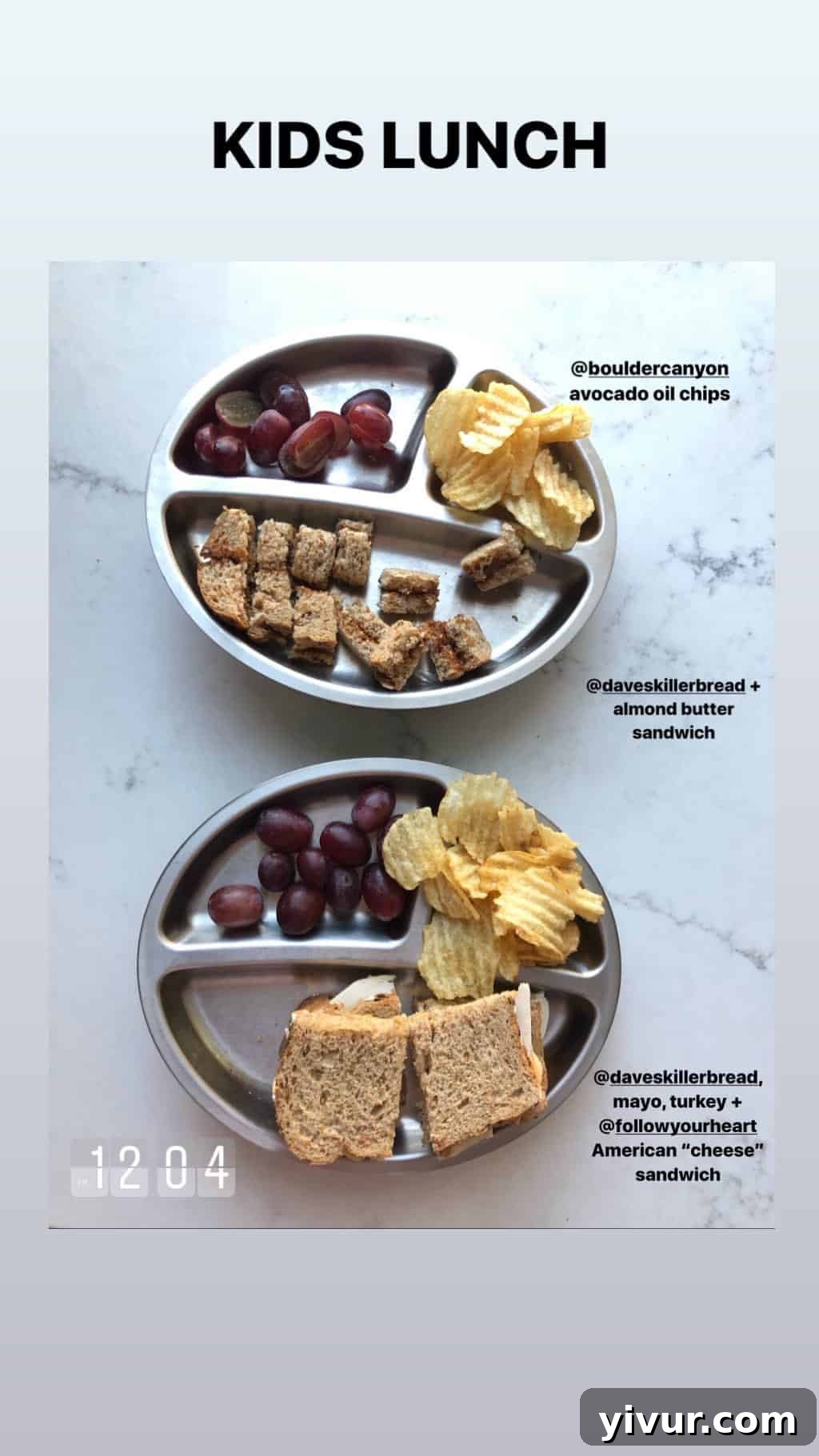
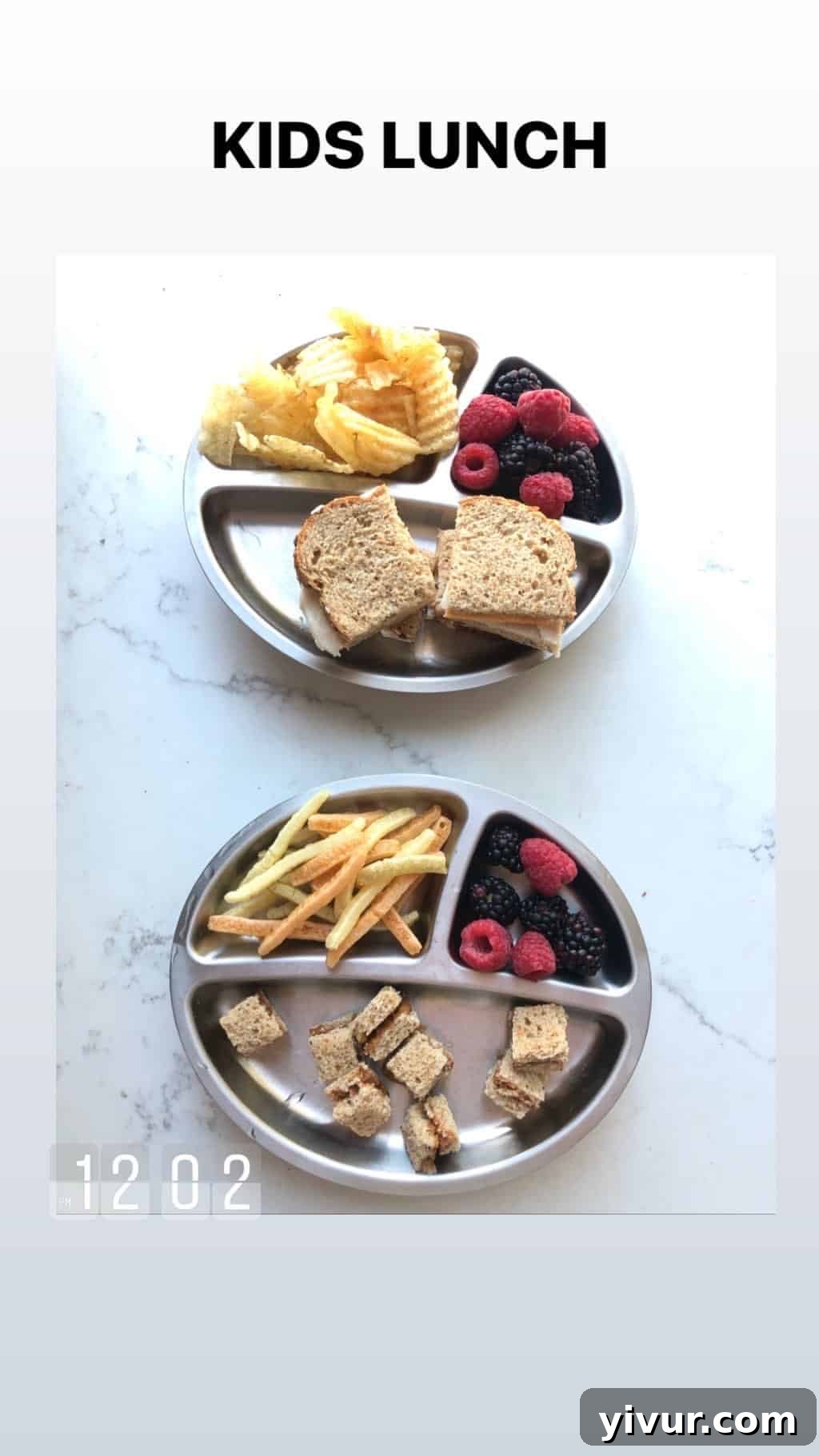
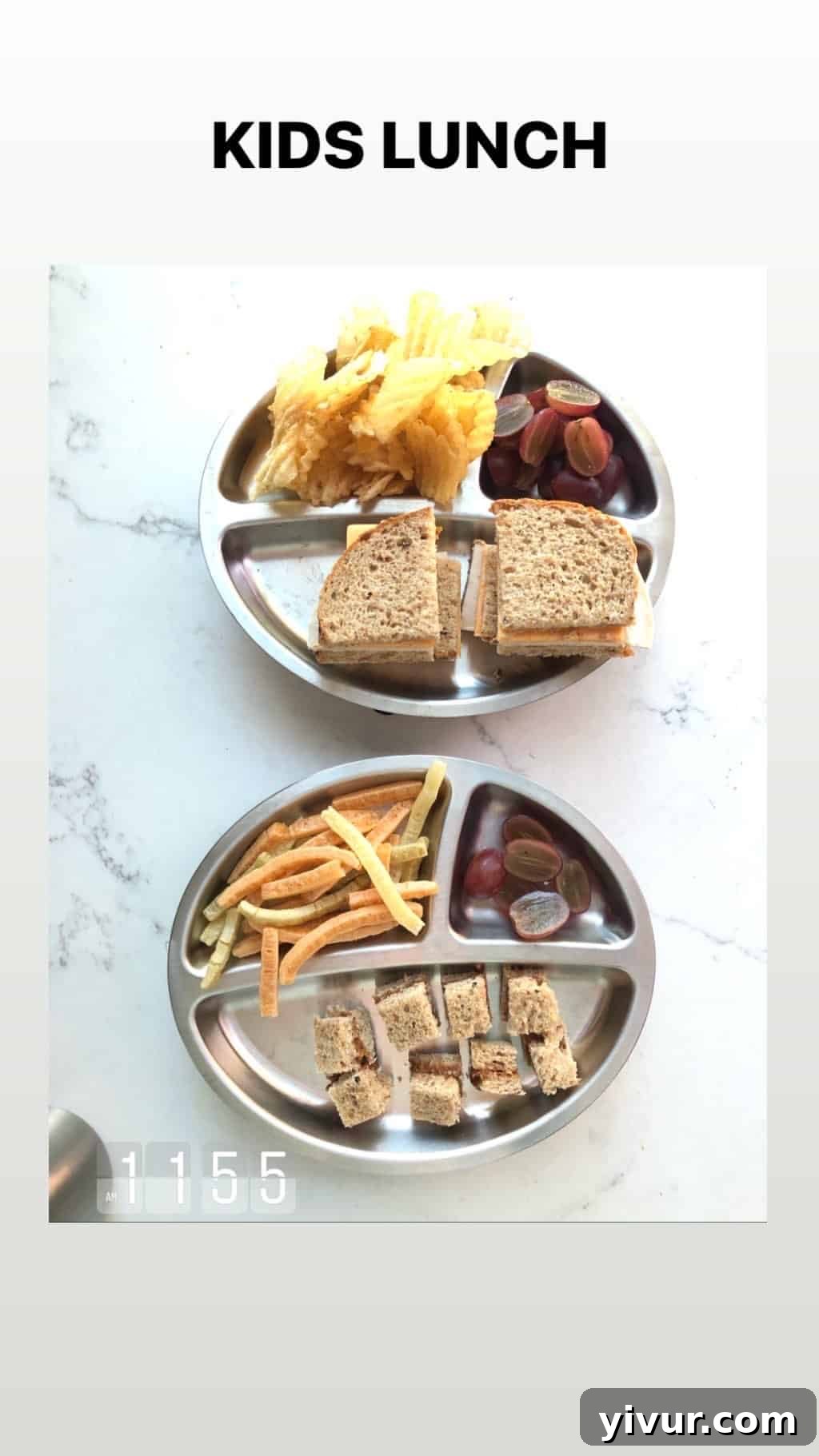
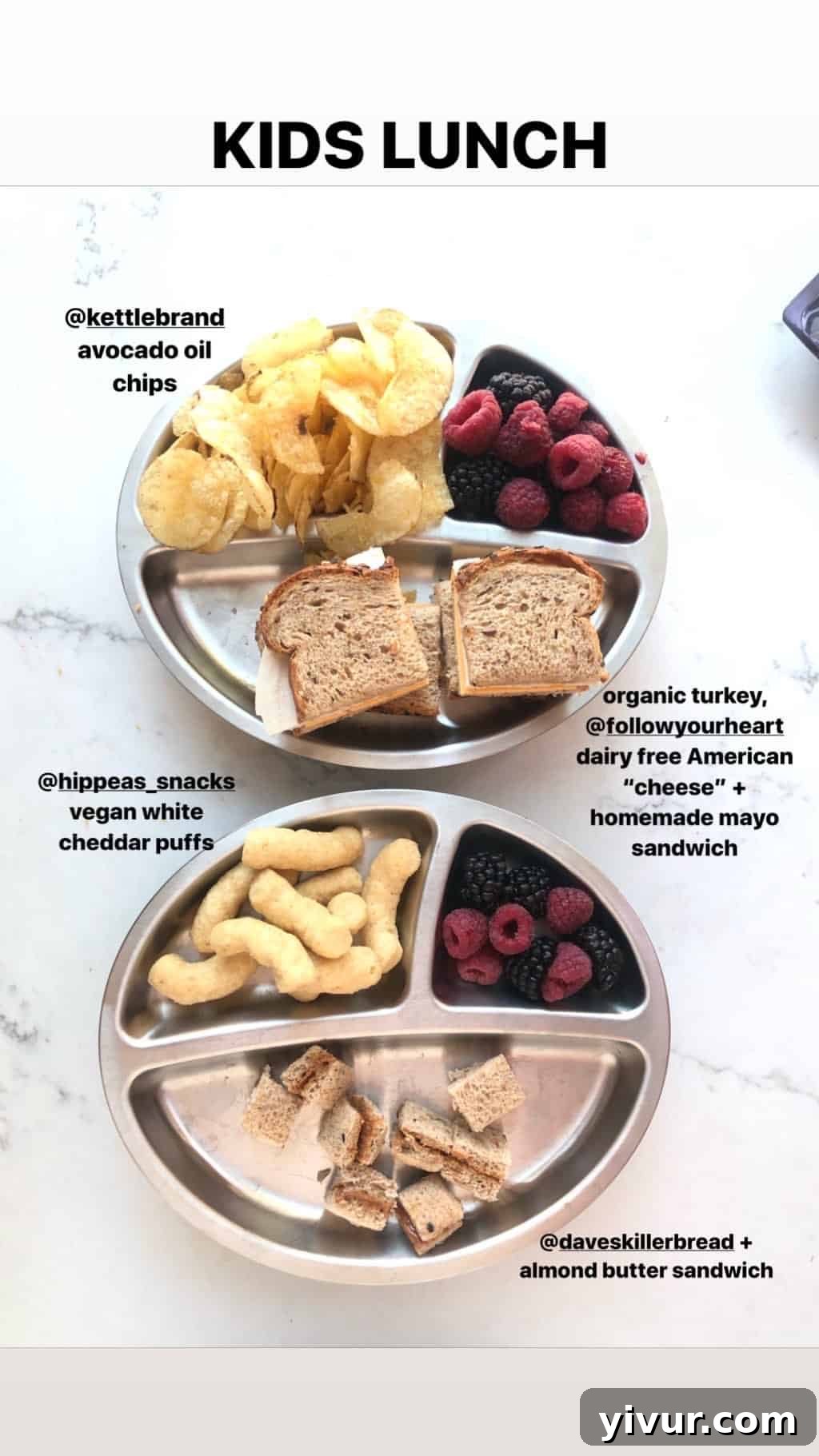
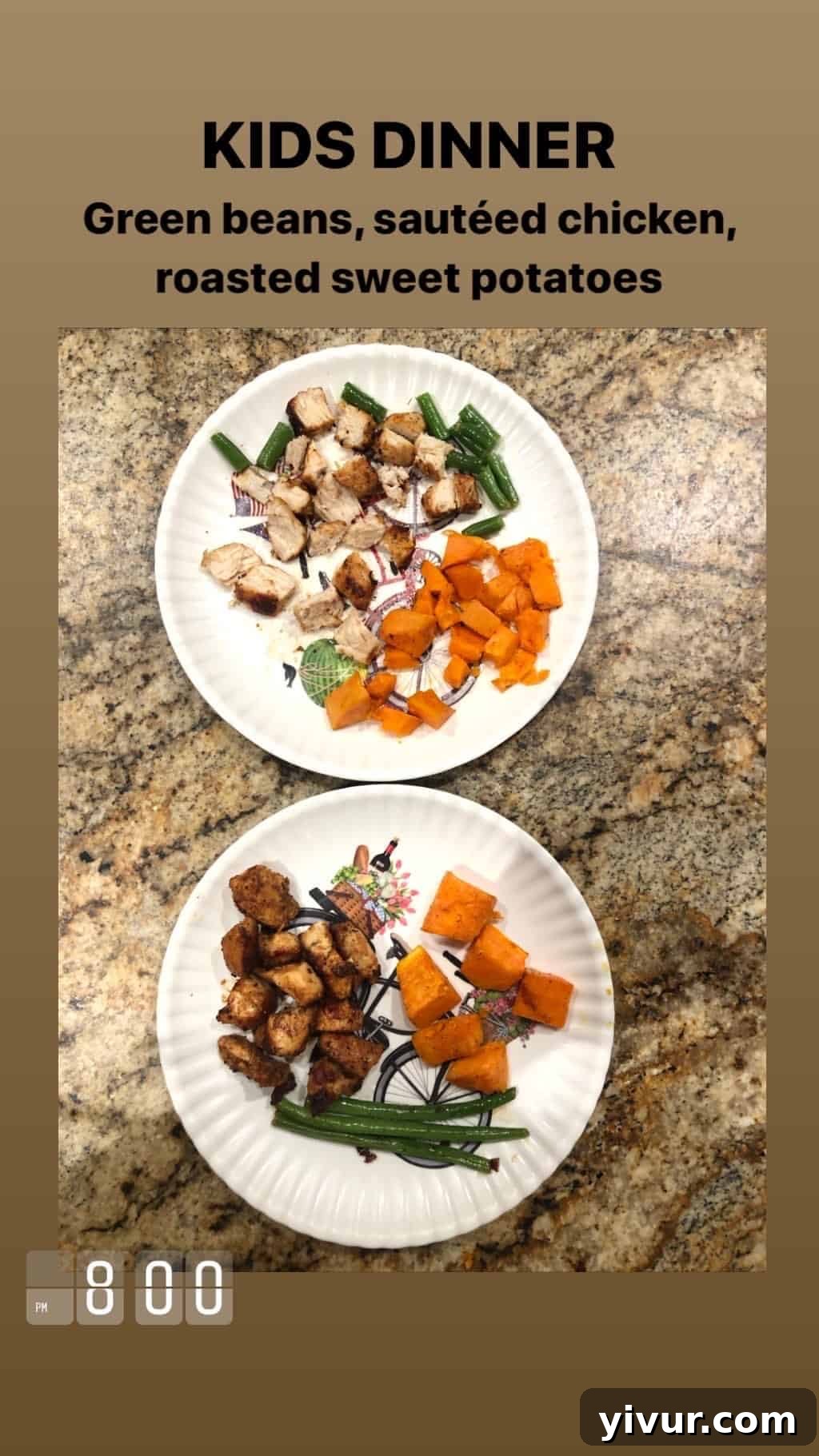
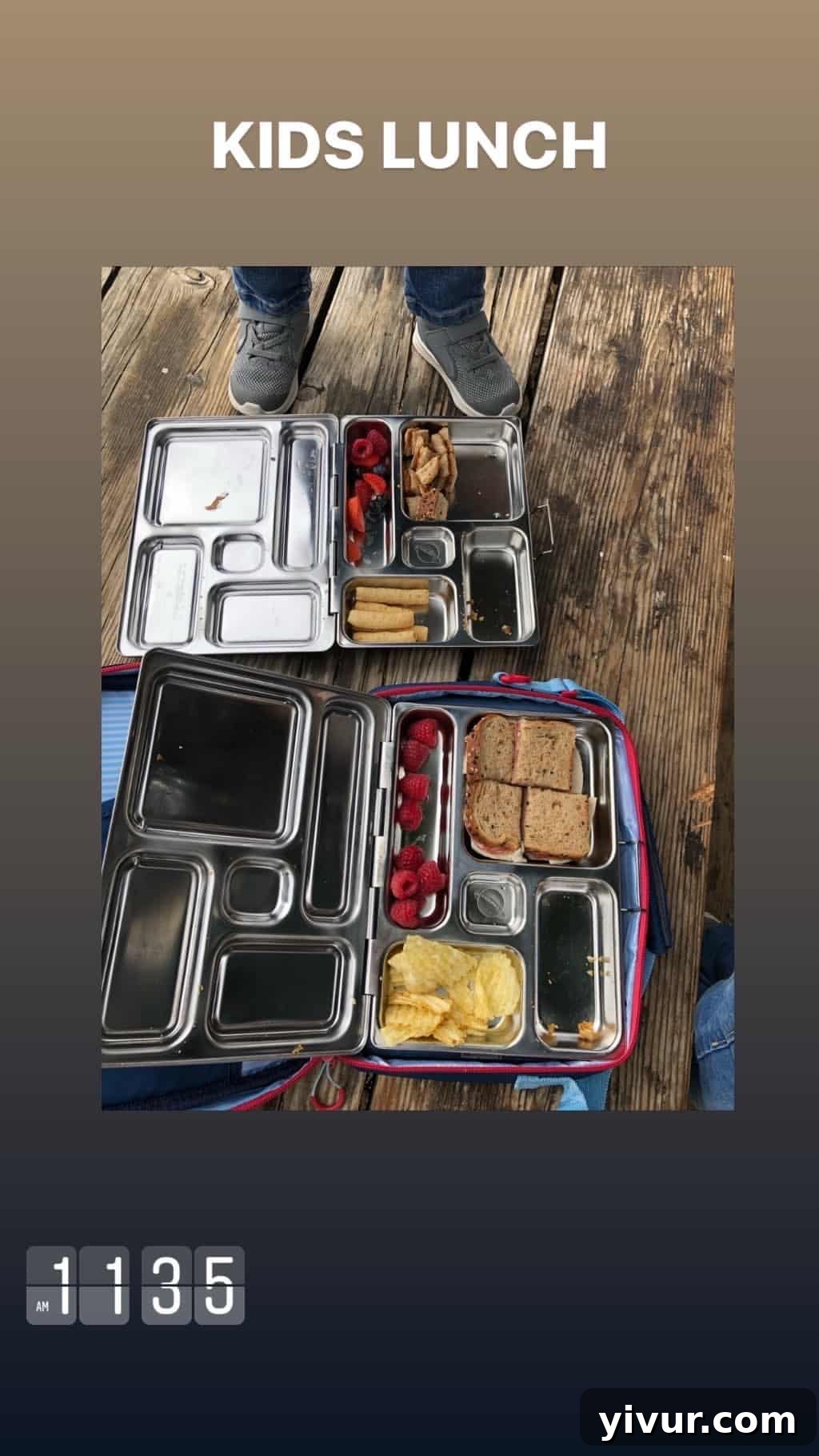
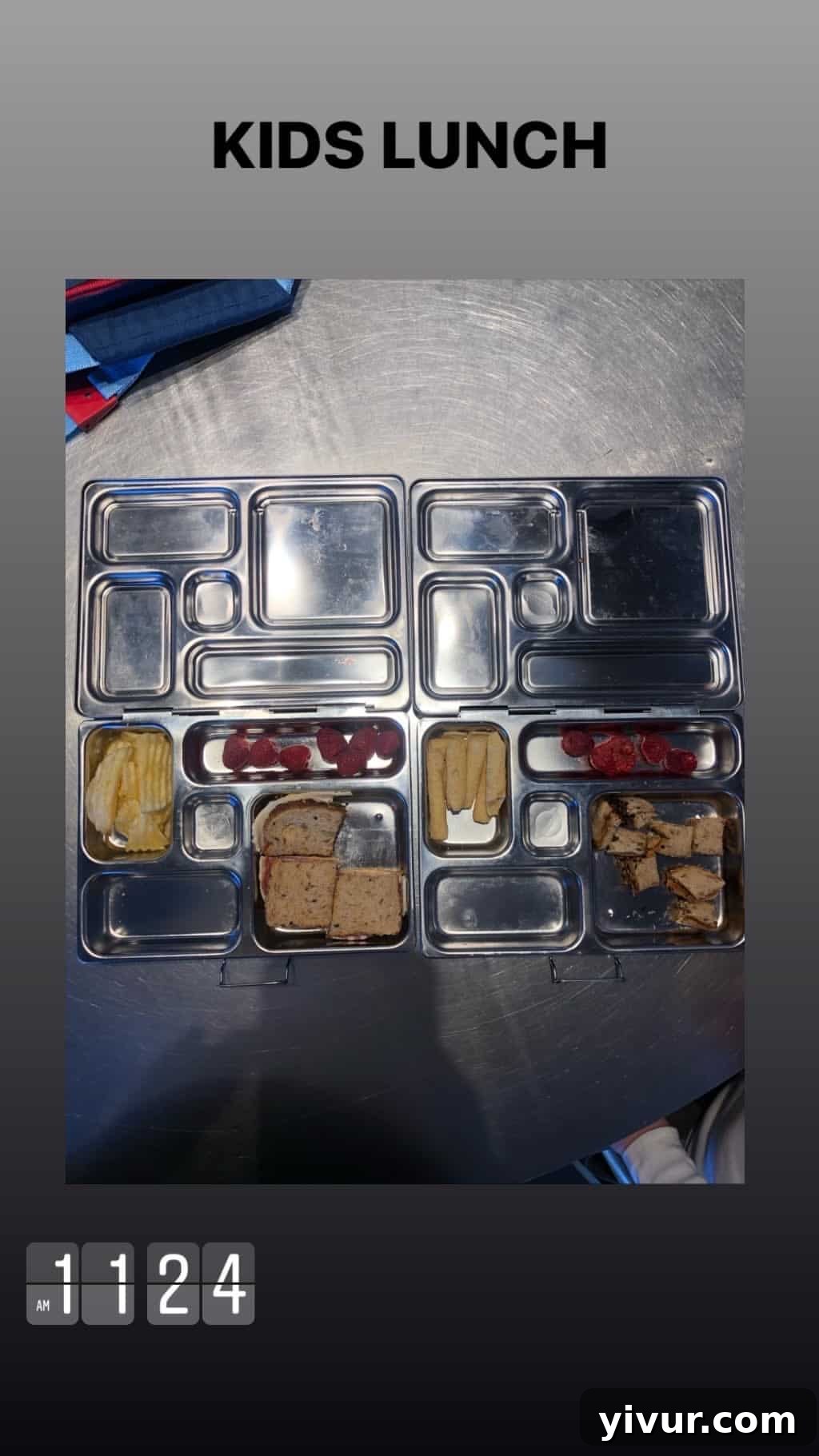
Our philosophy is rooted in integration rather than segregation. My kids primarily eat the same meals we prepare for ourselves. This approach simplifies meal planning and cooking, but more importantly, it normalizes healthy eating as a family standard. However, I do make a few thoughtful adjustments to cater to their developmental needs and preferences. For instance, their plates often feature a more generous portion of fruit, ensuring they get plenty of essential vitamins and fiber. When serving meals, I might offer them extra rice or beans as a source of complex carbohydrates and plant-based protein, which are excellent for sustained energy. We consistently opt for whole grain bread, providing them with beneficial fiber. And for those moments when they crave a snack, avocado oil chips are a fantastic choice, offering a healthier fat profile compared to traditional potato chips. These small modifications ensure their meals are not only nutritious but also appealing and appropriate for their age.
Cultivating Healthy Eaters: Strategies and Support
Encouraging children to embrace healthy foods can sometimes feel like an uphill battle, but it doesn’t have to be. Our home is a testament to the fact that with consistent effort and a few key strategies, kids can develop a genuine appreciation for nutritious meals. It’s about creating a positive food environment where healthy choices are the norm, not the exception.
One core principle we adhere to is repeated exposure. It can take multiple attempts for a child to accept a new food, so we never give up after the first refusal. We present a variety of foods in different forms and flavors, making mealtime an adventure rather than a chore. Involving the children in the meal preparation process, even in simple ways like washing vegetables or stirring ingredients, significantly increases their willingness to try new dishes. When they feel a sense of ownership, they’re more likely to engage with the food.
Another crucial aspect is modeling. Children are incredibly observant, and they learn by imitating. When they see us enjoying a wide array of fruits, vegetables, and whole grains, it naturally influences their own eating habits. Family meals are central to our routine, providing a consistent time for everyone to gather, connect, and enjoy wholesome food together. This shared experience fosters a positive relationship with food and creates lasting memories.
Further Resources for Parents on Kids’ Nutrition
For those looking to deepen their understanding and gather more practical tips on fostering healthy eating habits in children, I highly recommend exploring these related posts:
- Tips To Get Kids to Eat Healthy: This comprehensive guide is packed with actionable advice on how I encourage my kids to eat healthy, and how you can implement similar strategies in your own home. It covers everything from making food fun to navigating picky eating phases.
- Favorite Kids Feeding Supplies: Discover my top recommendations for toxic-free kids’ plates, utensils, and cups. Investing in safe and appealing feeding supplies can make mealtime more enjoyable for both children and parents, contributing to a more positive dining experience.
A Glimpse into Real Life: What My Kids Ate in October 2019
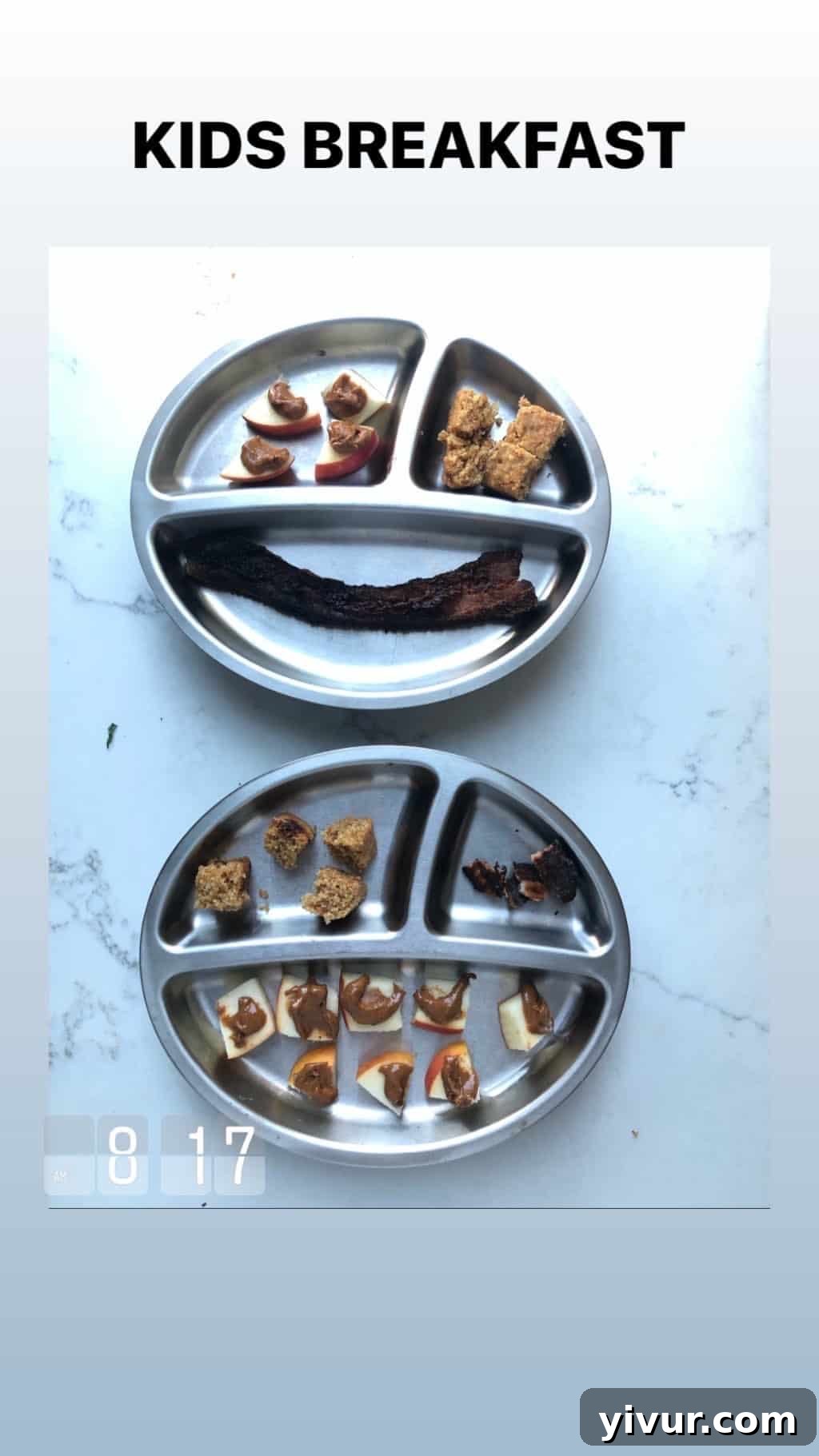
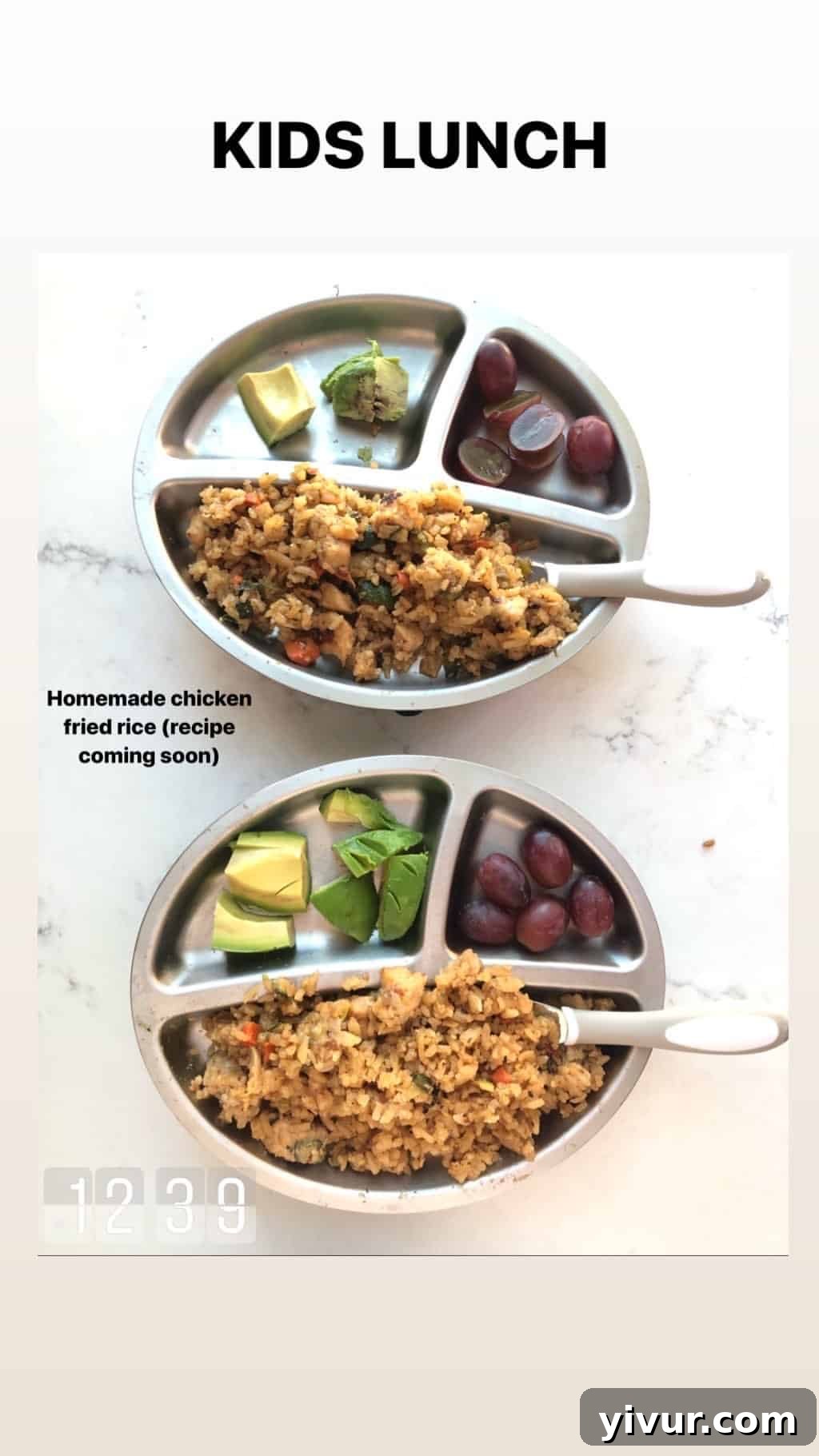
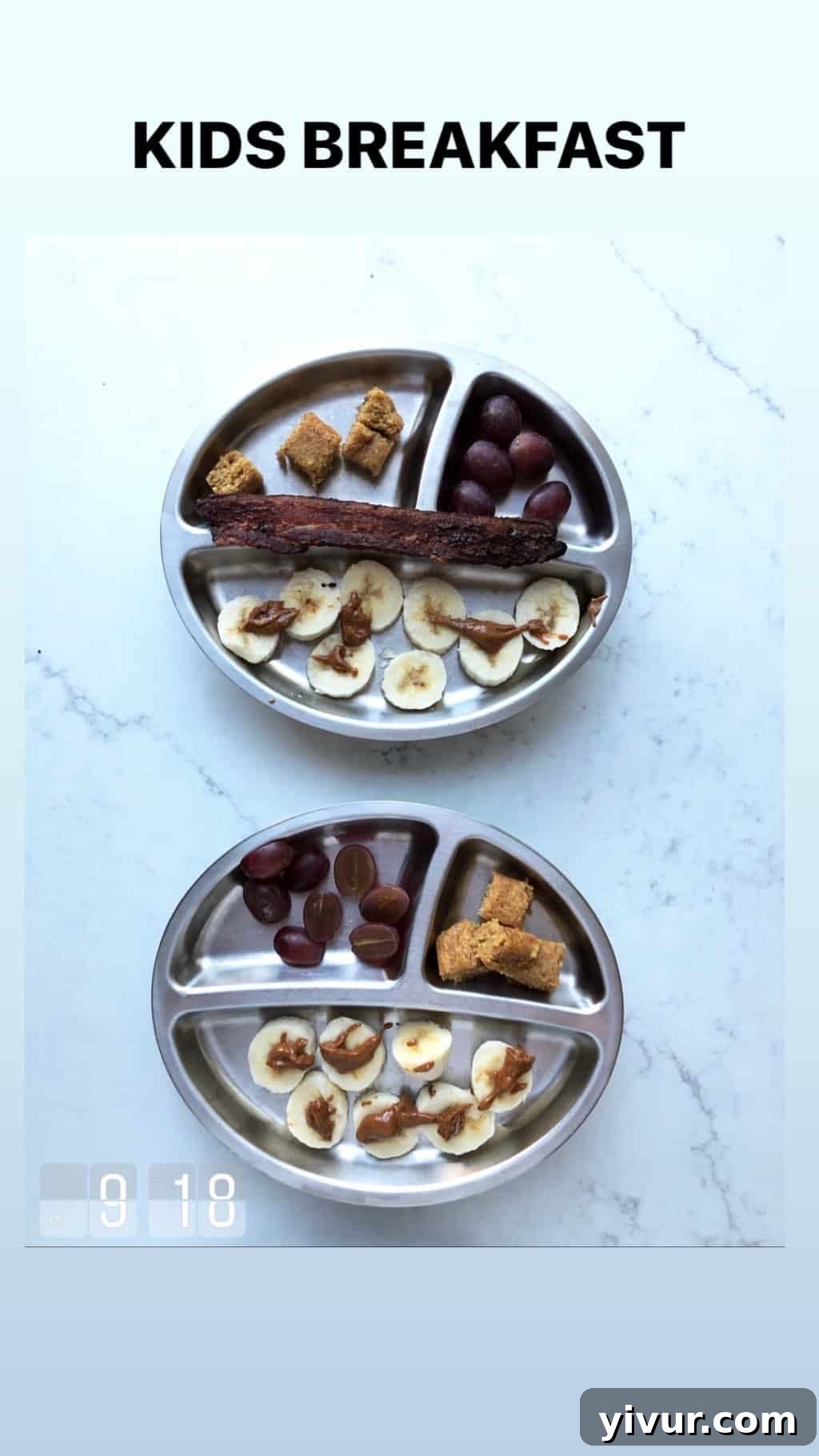
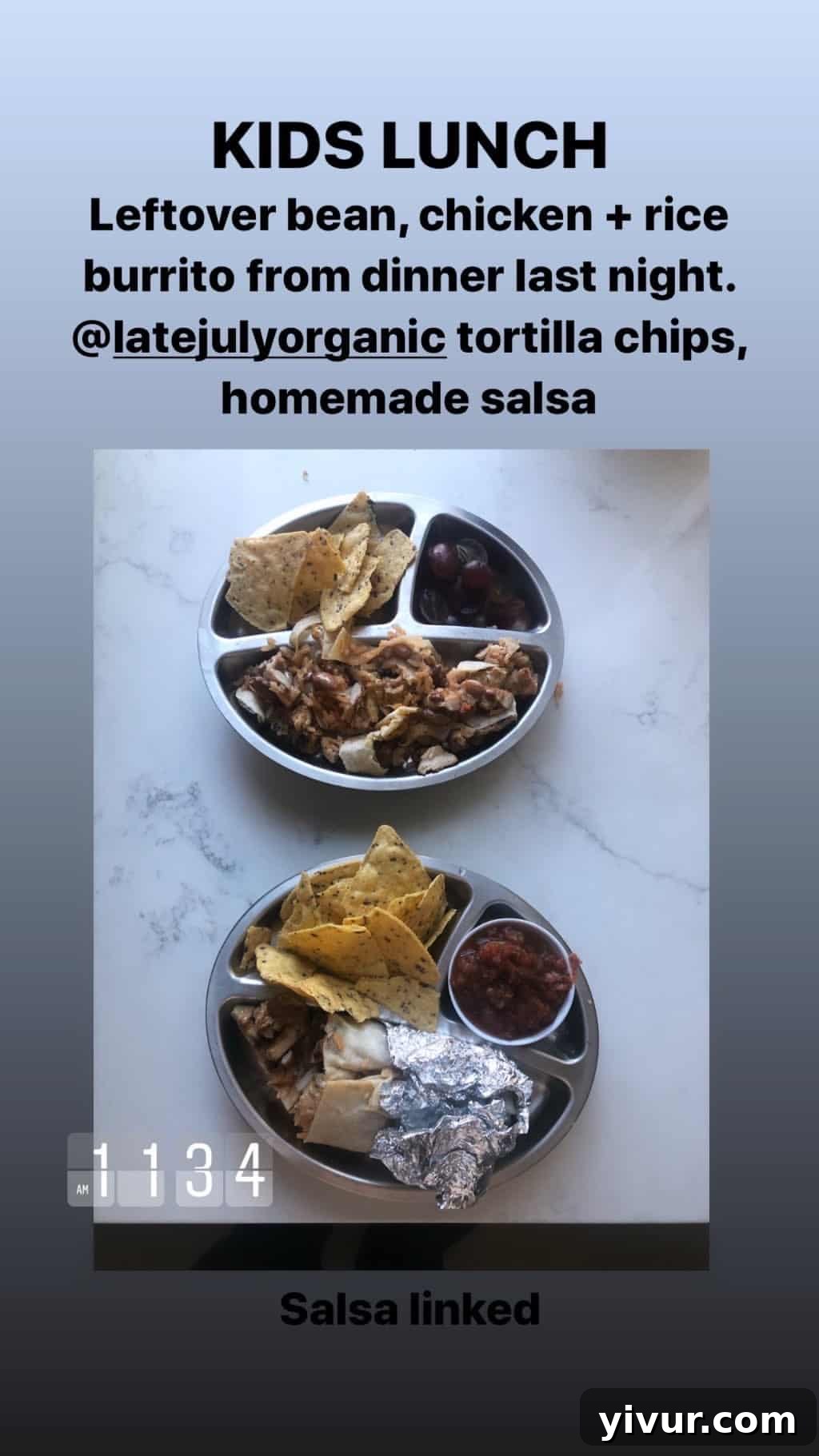
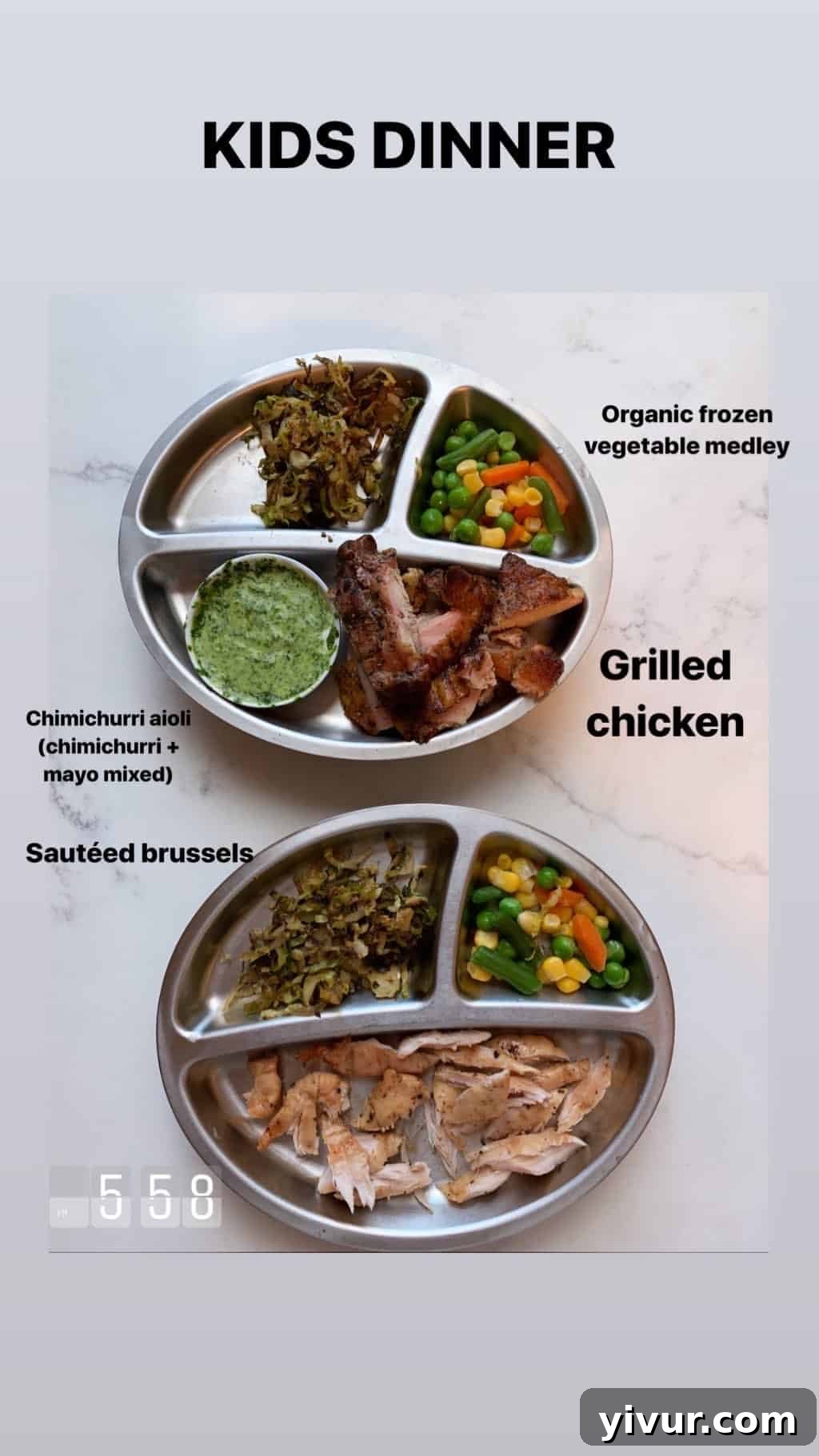
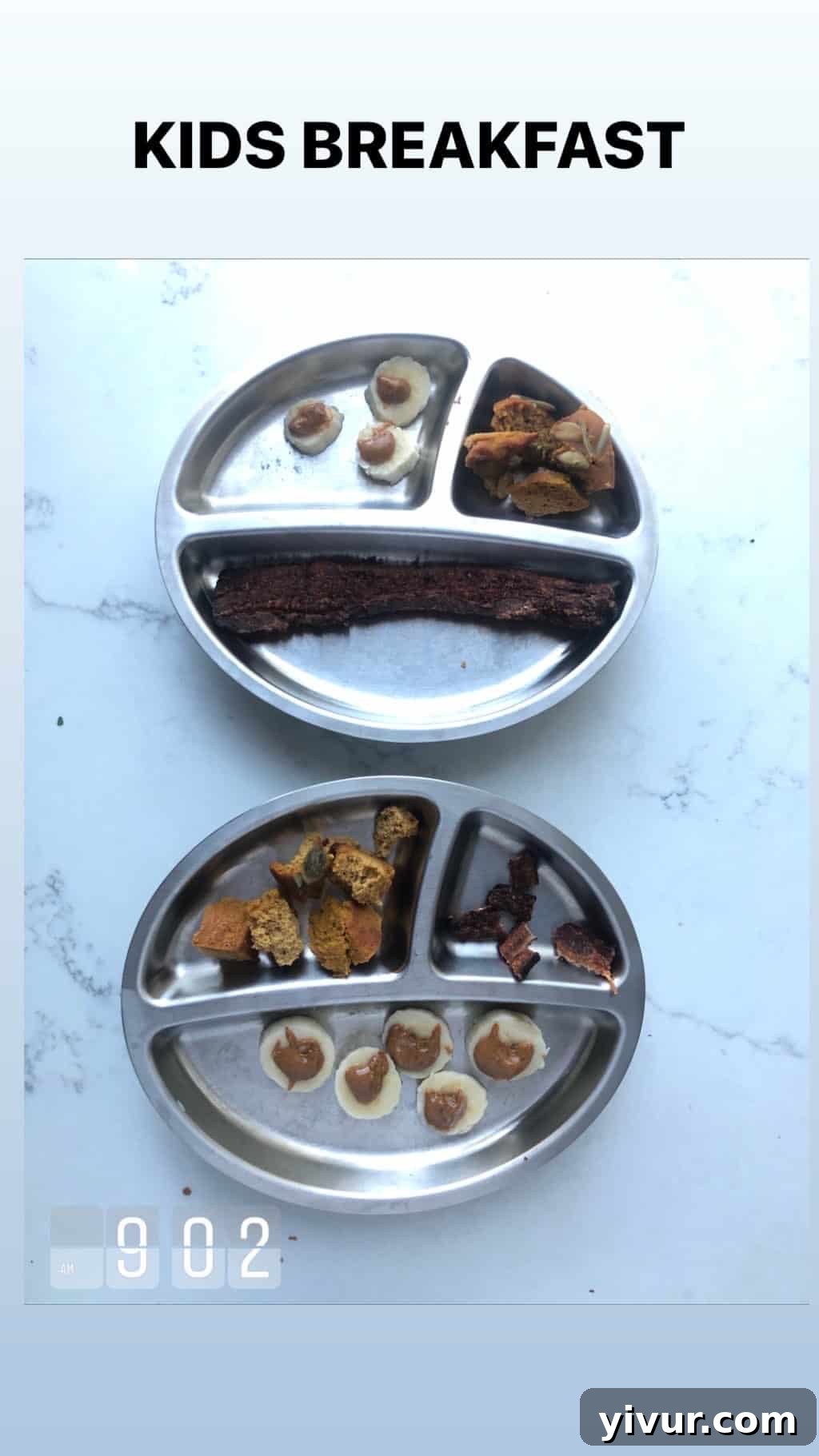
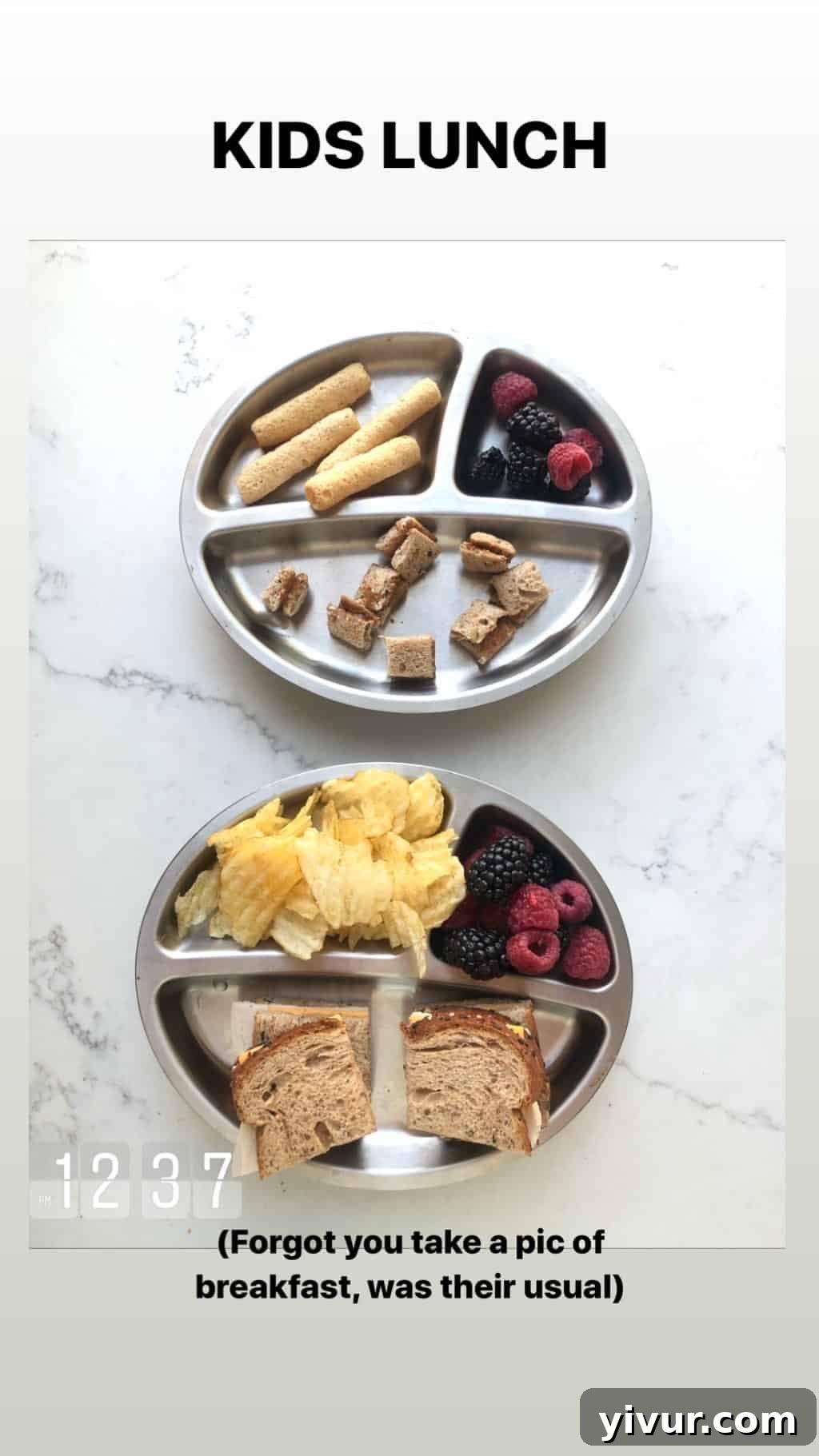
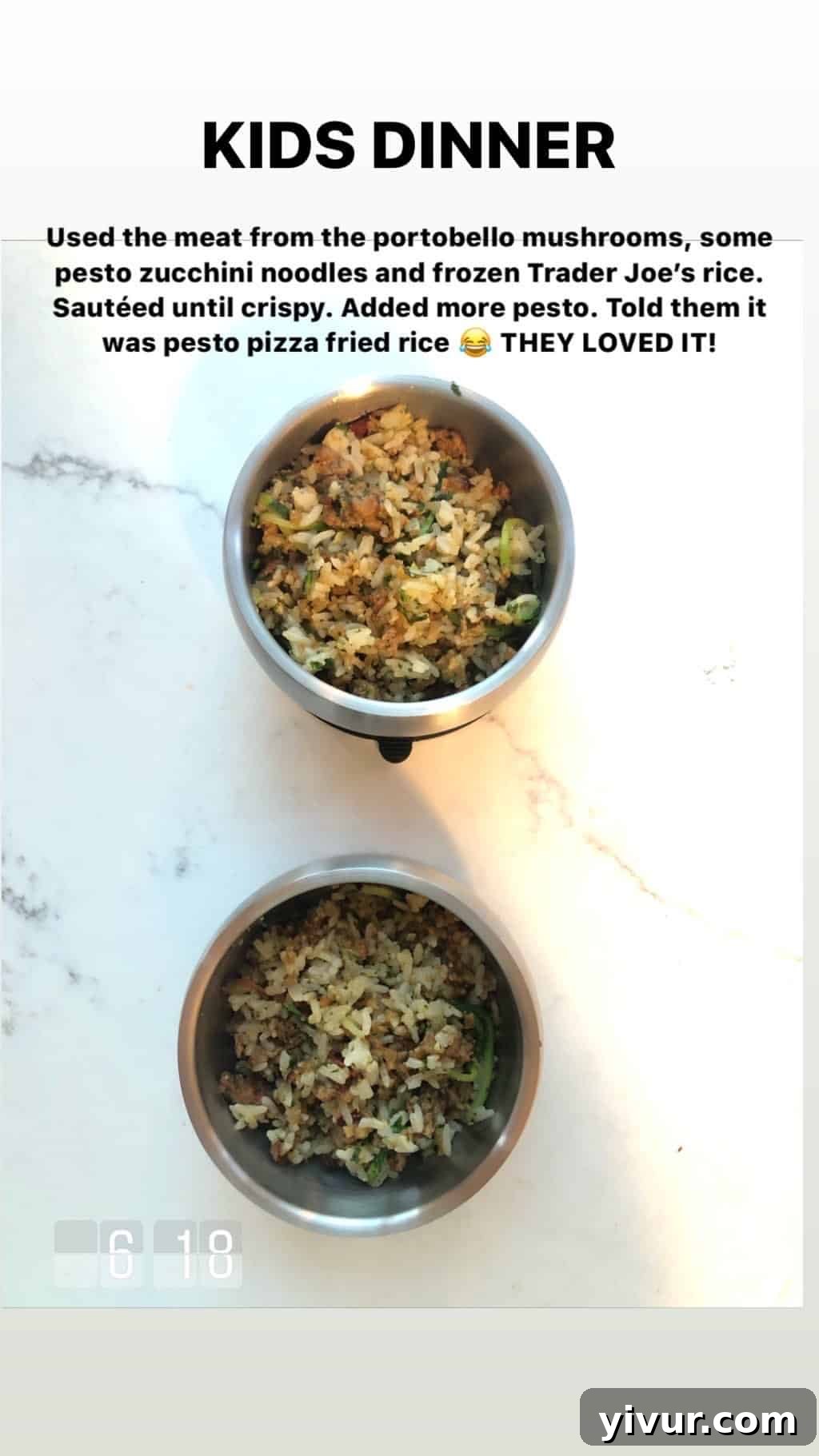
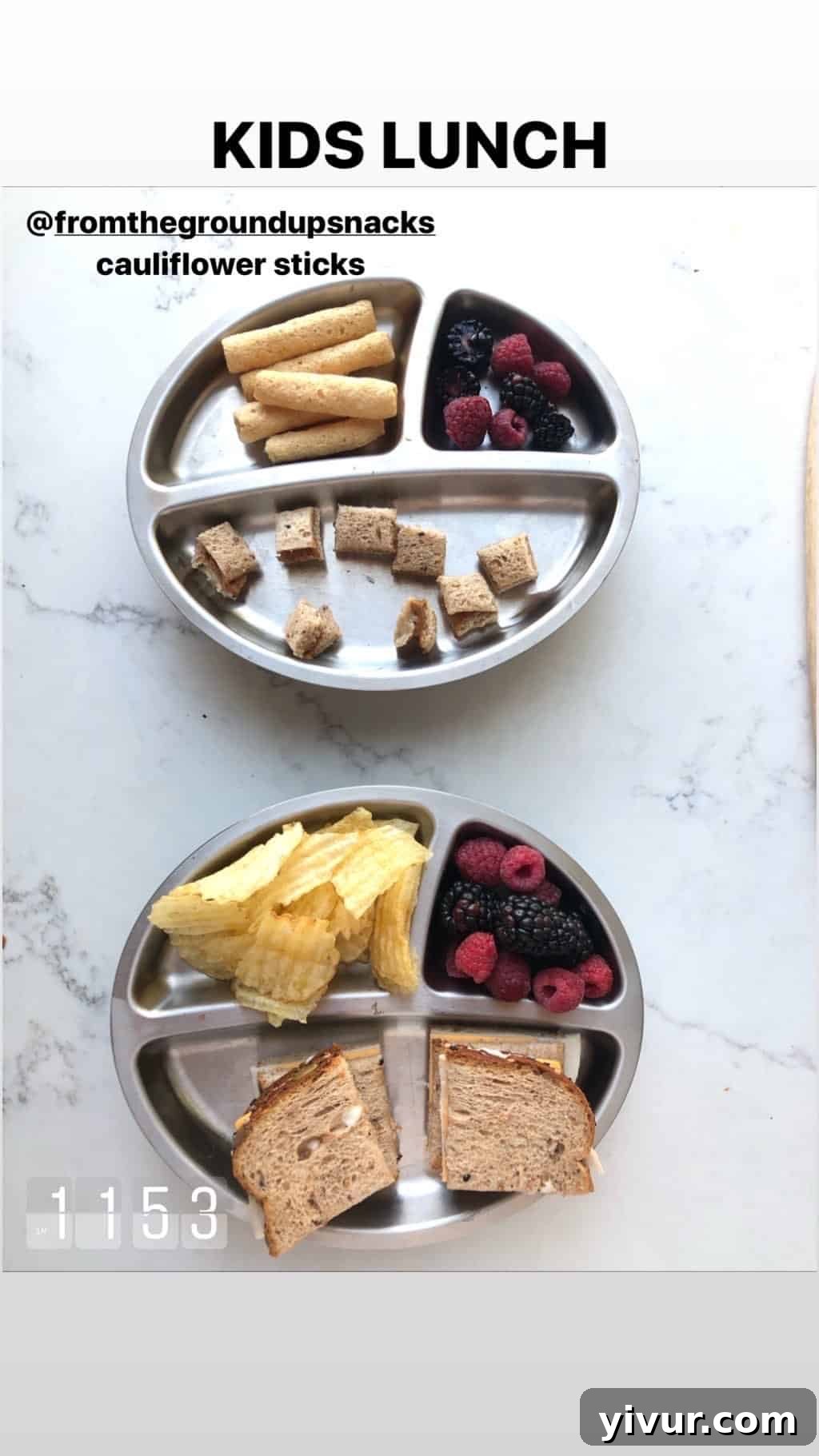
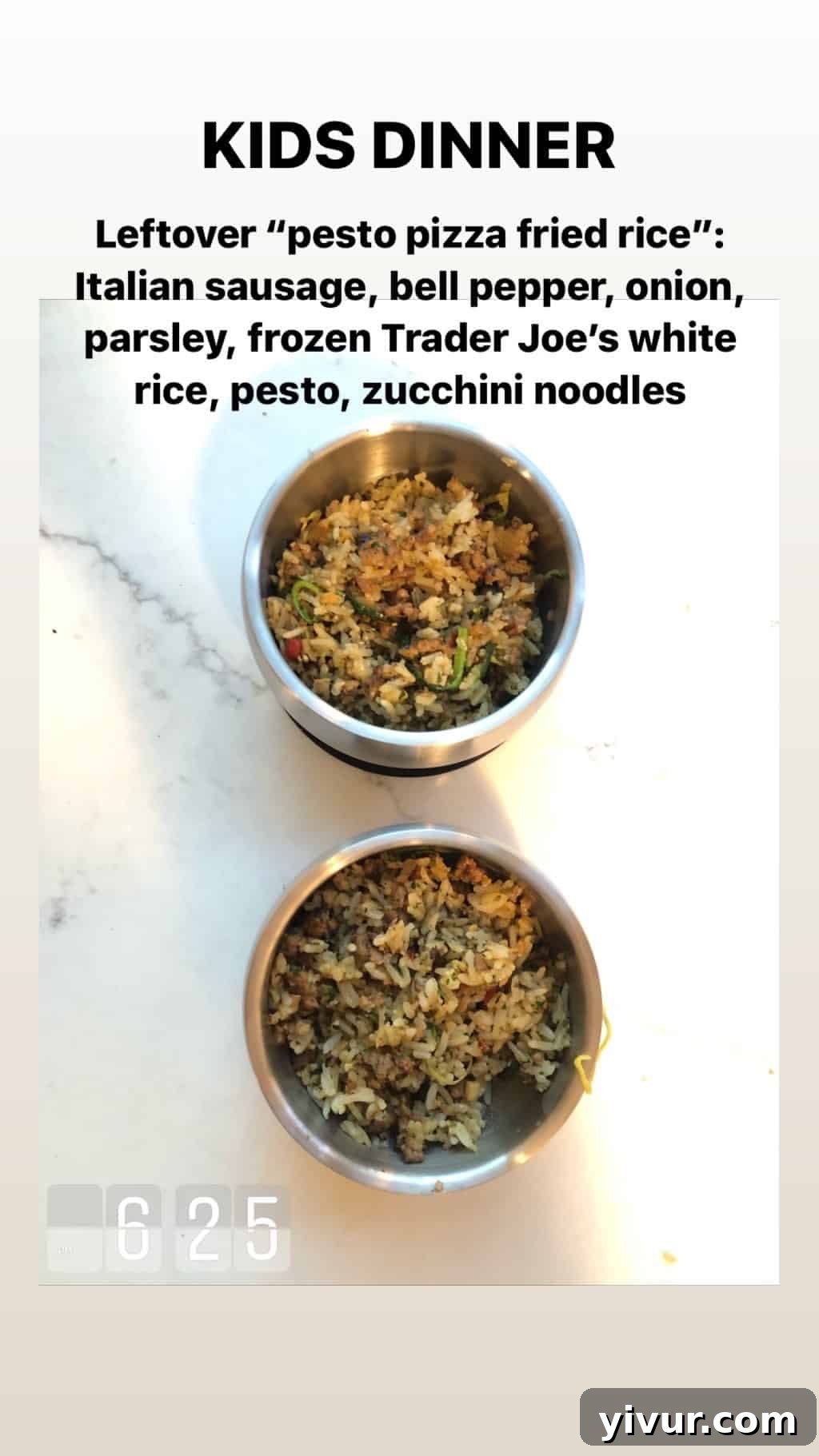
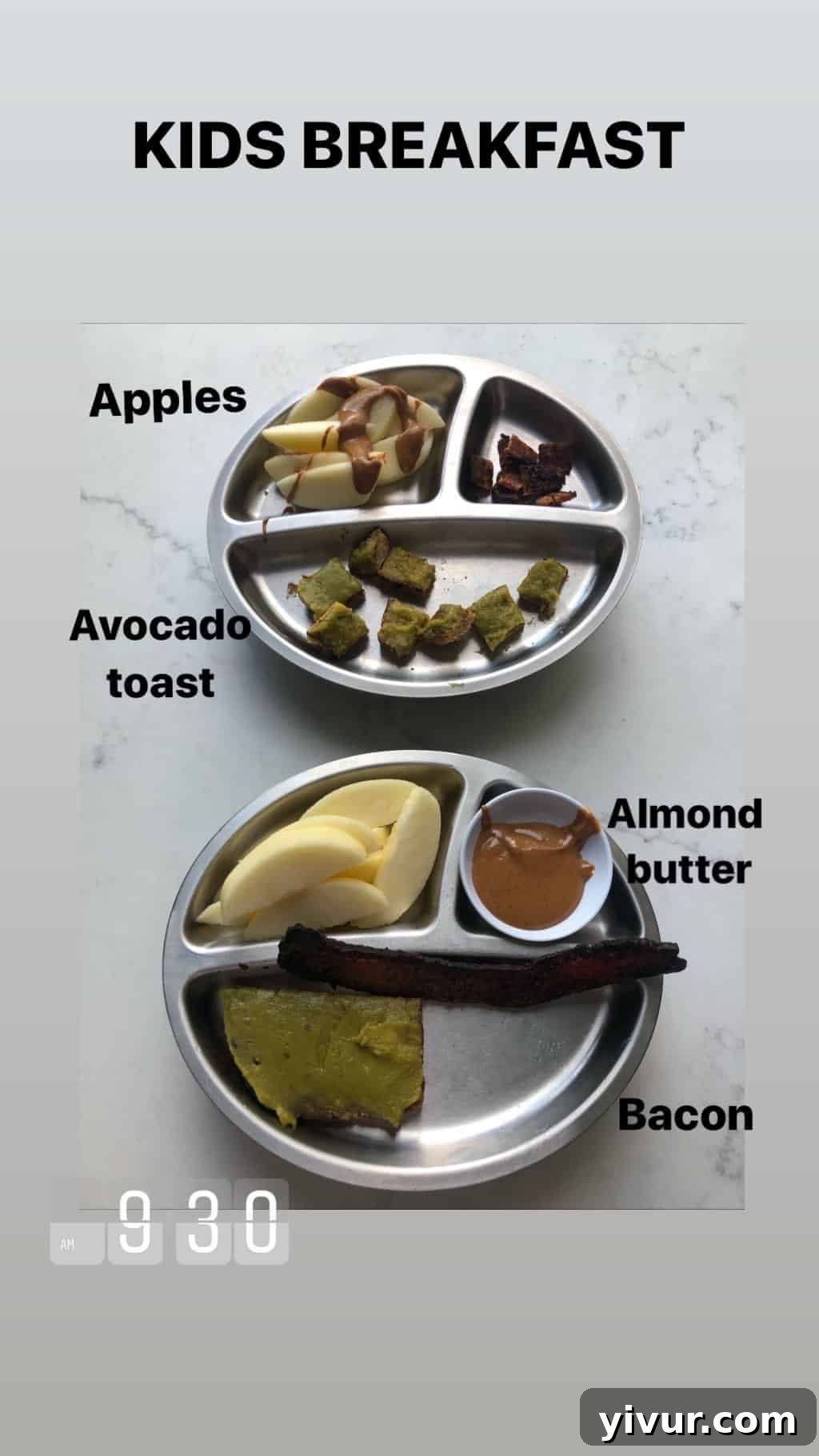
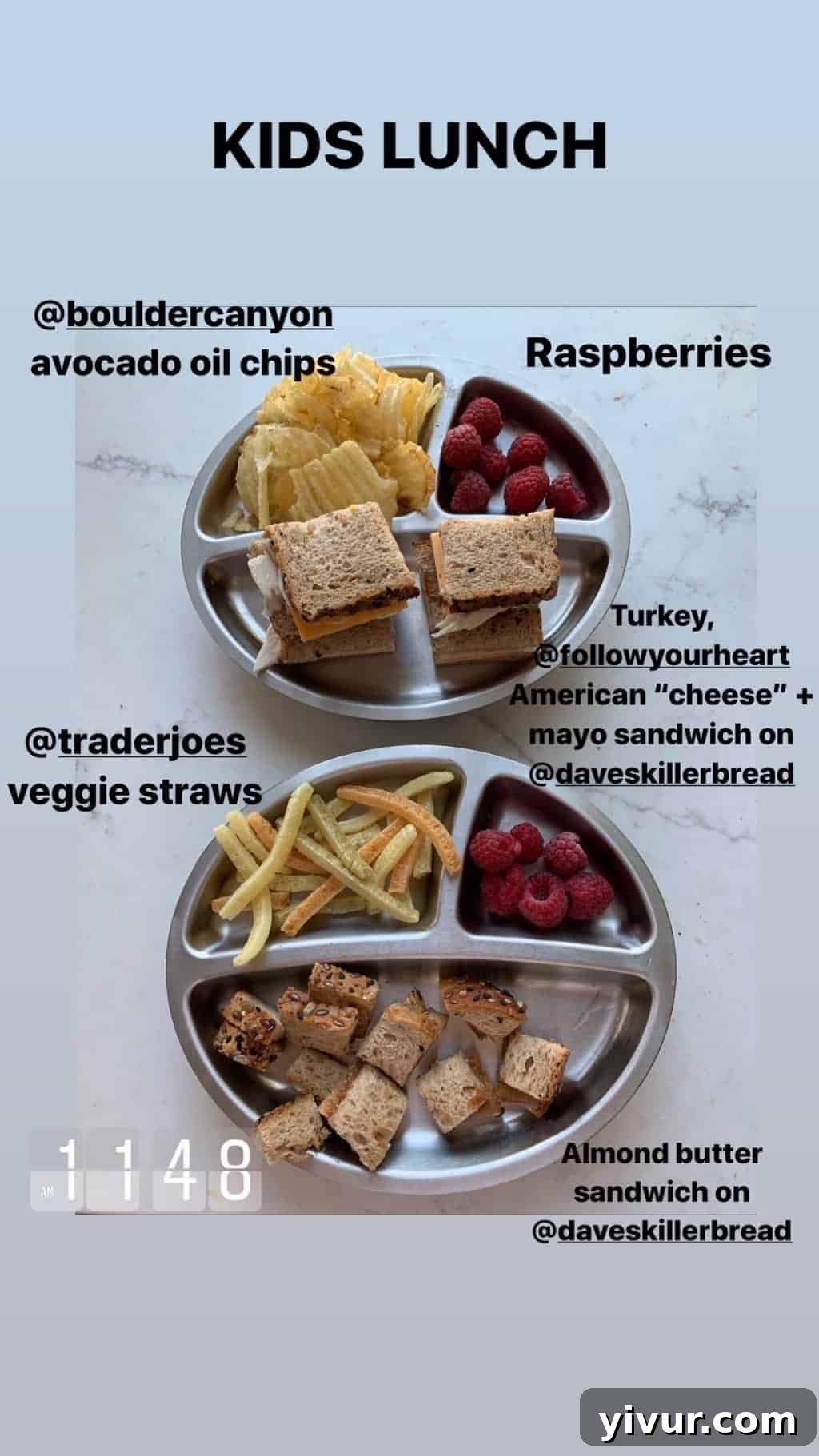
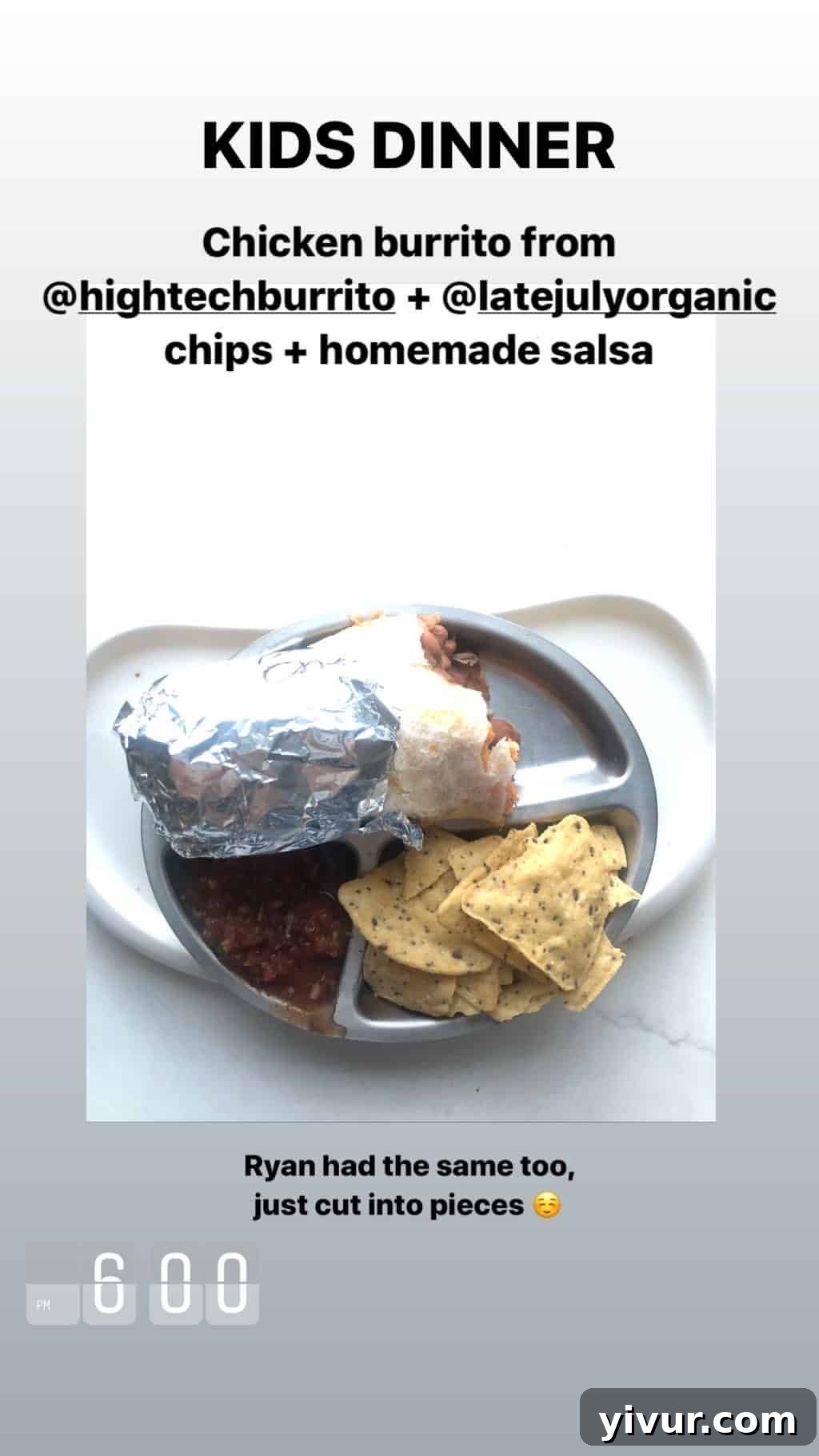
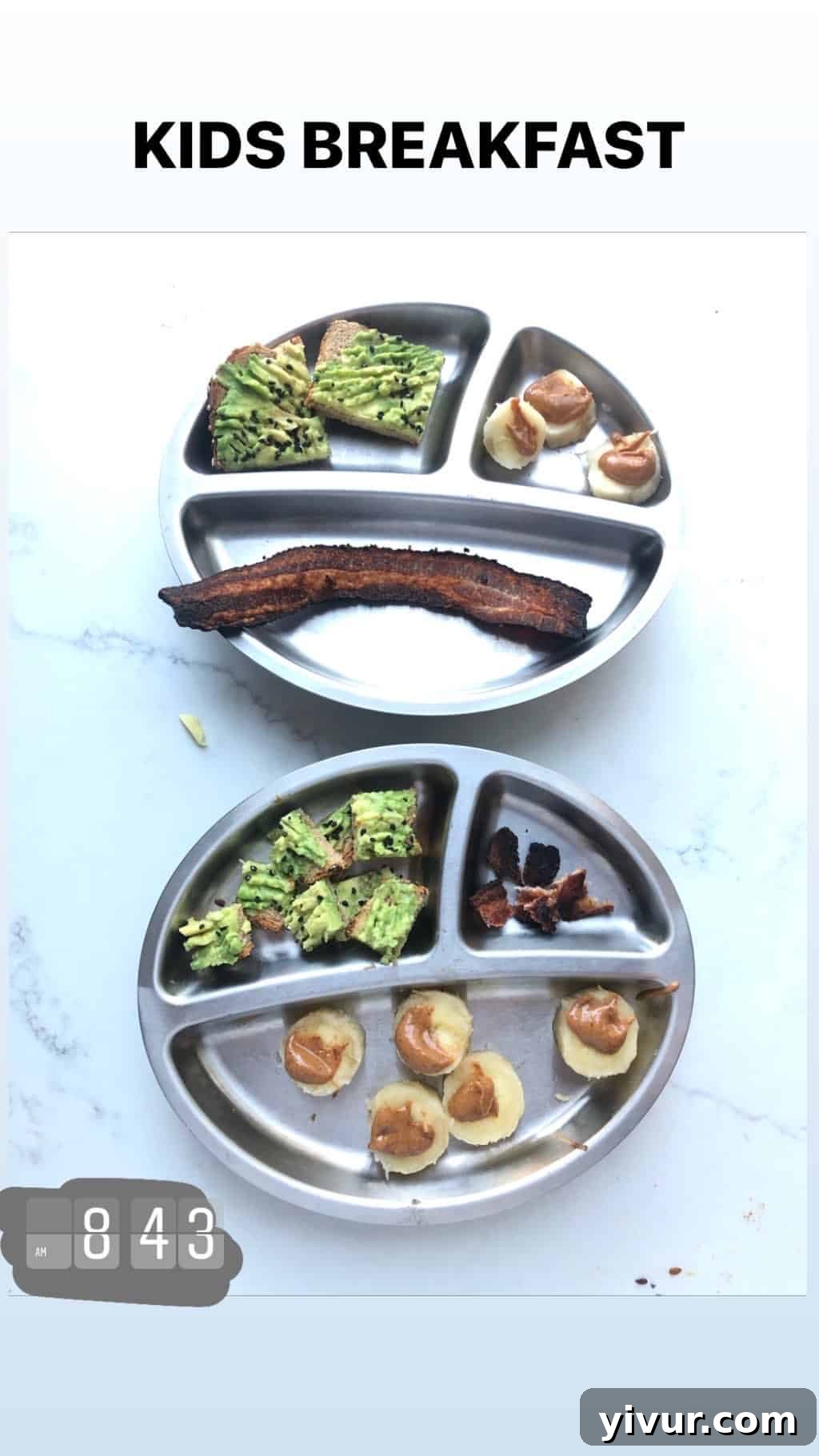
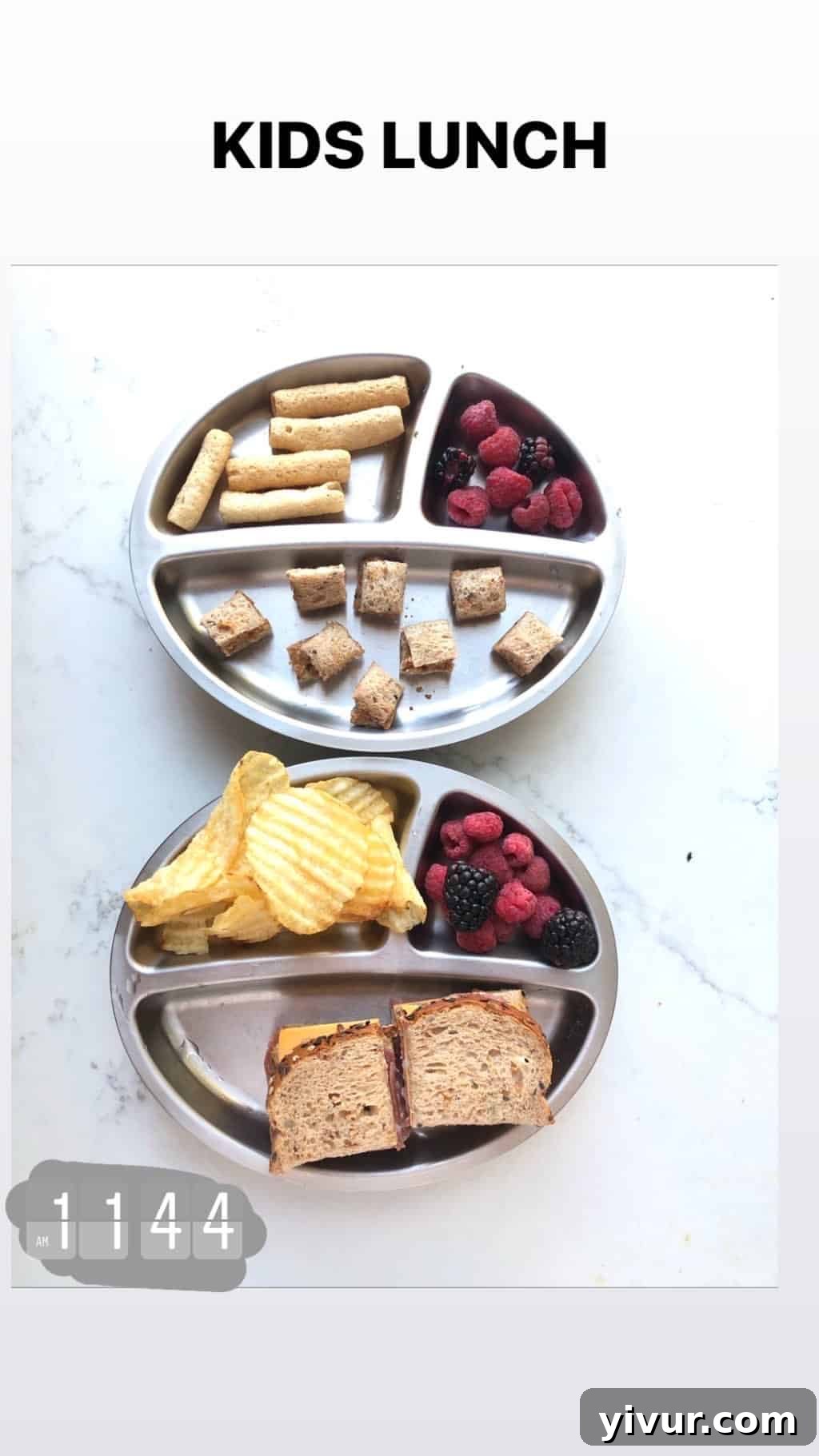
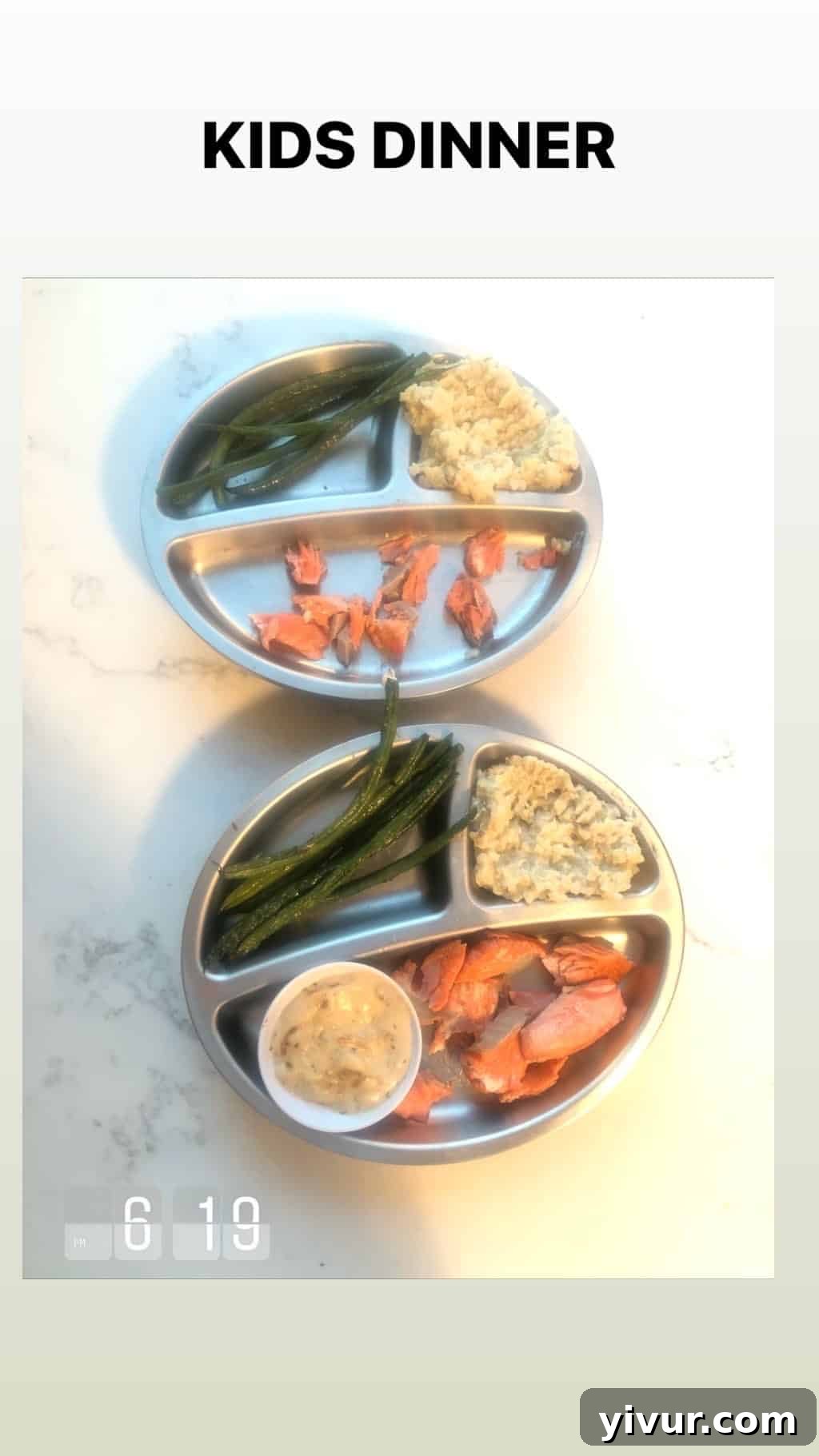
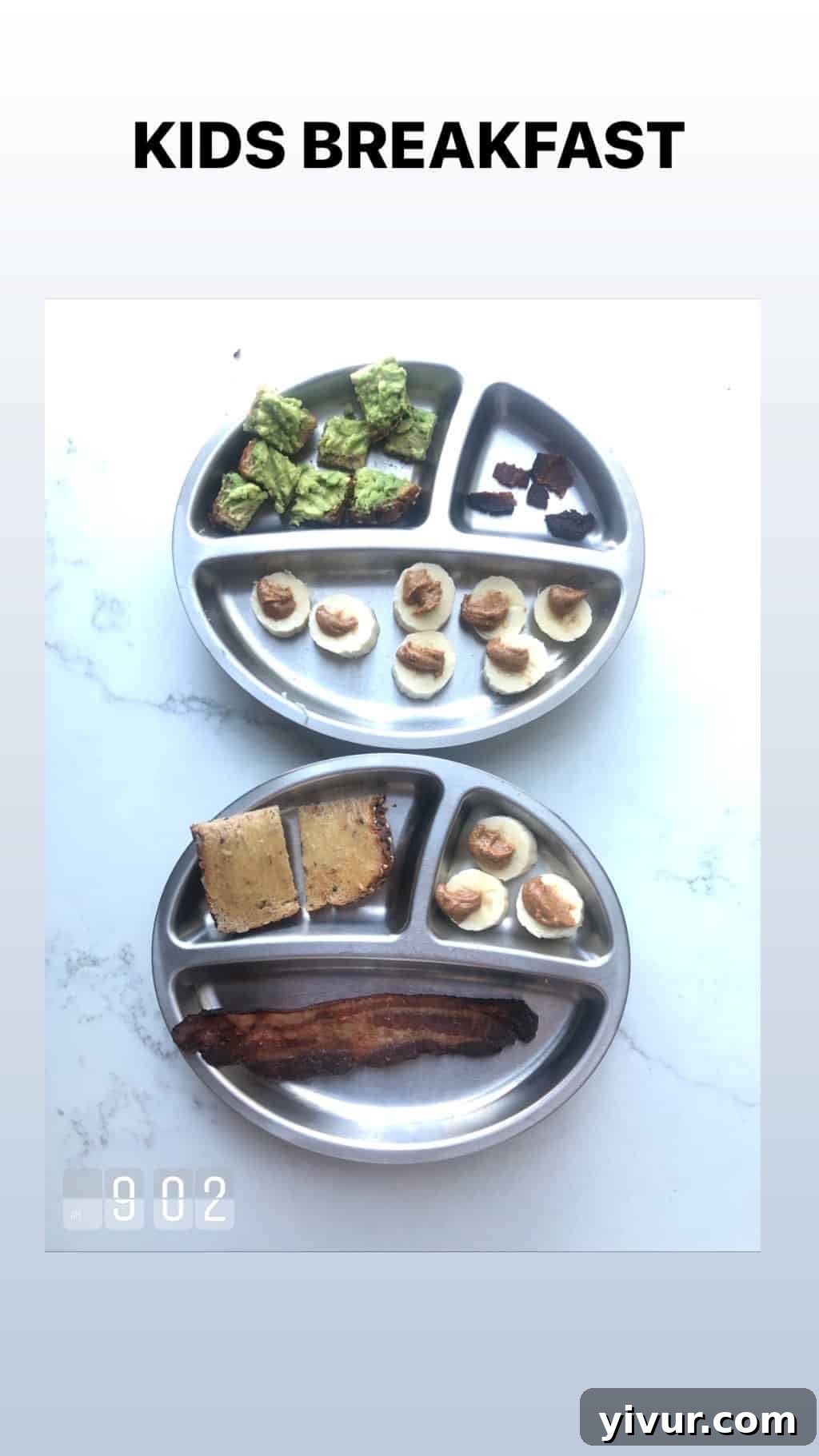
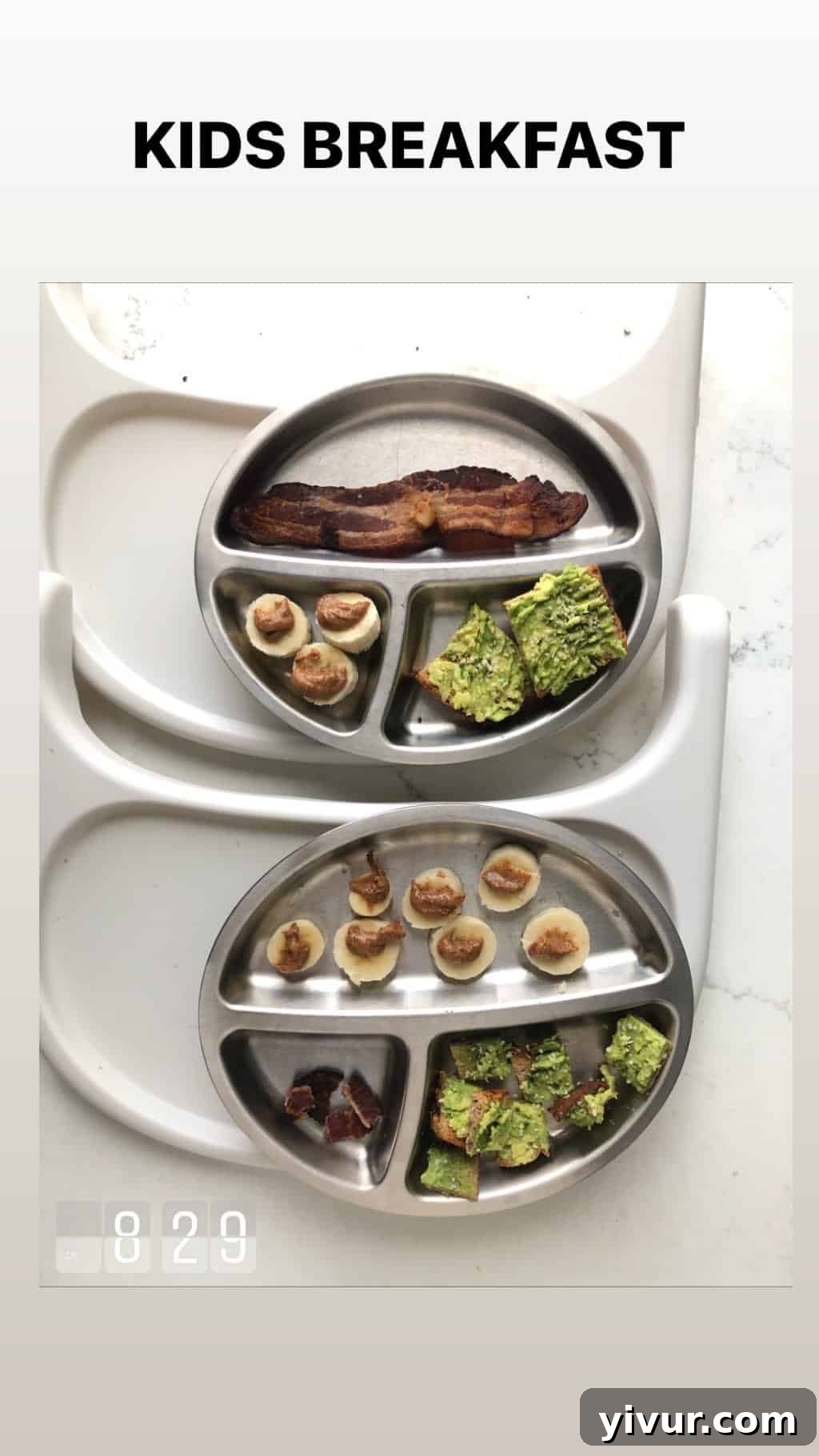
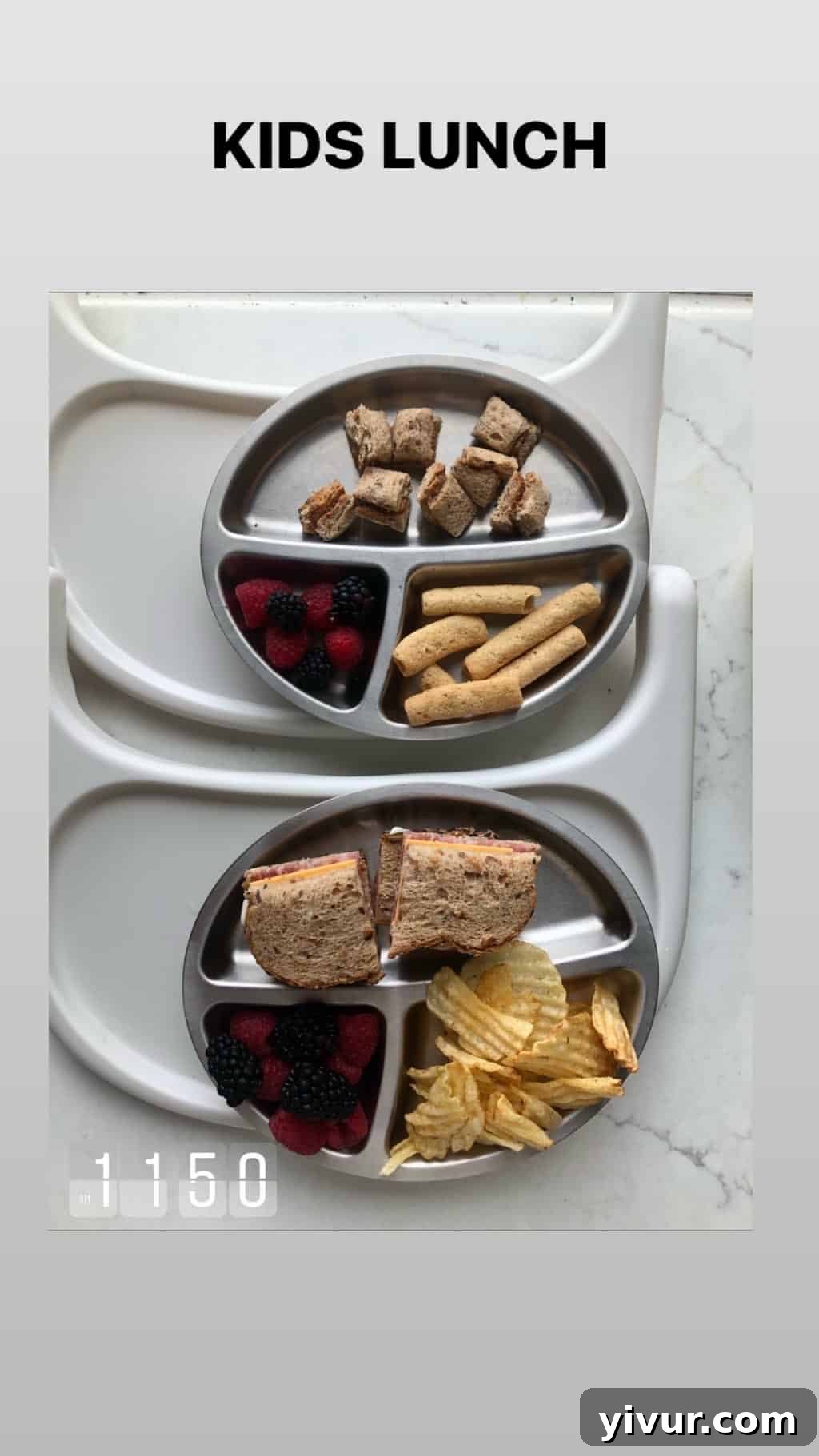
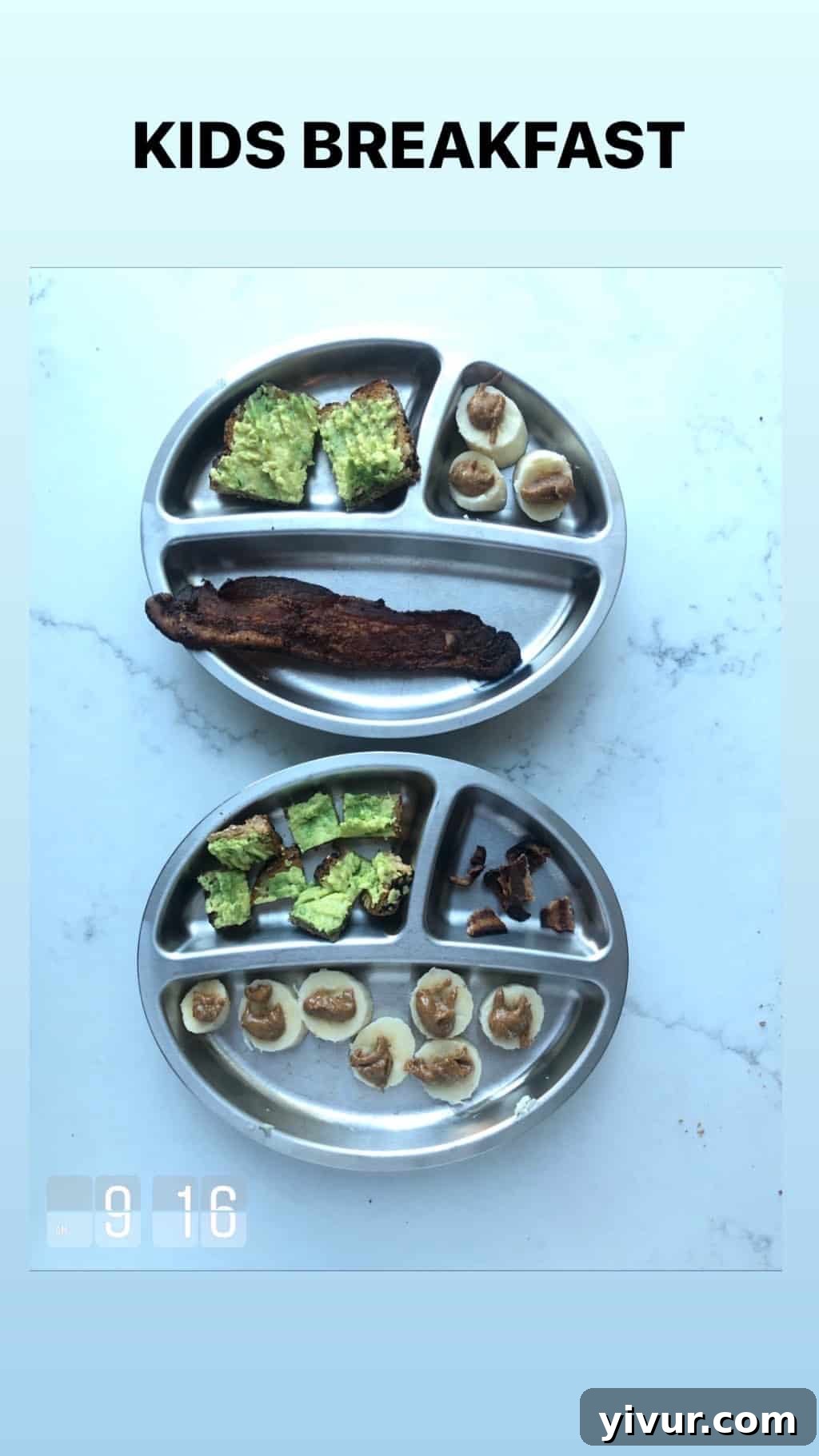
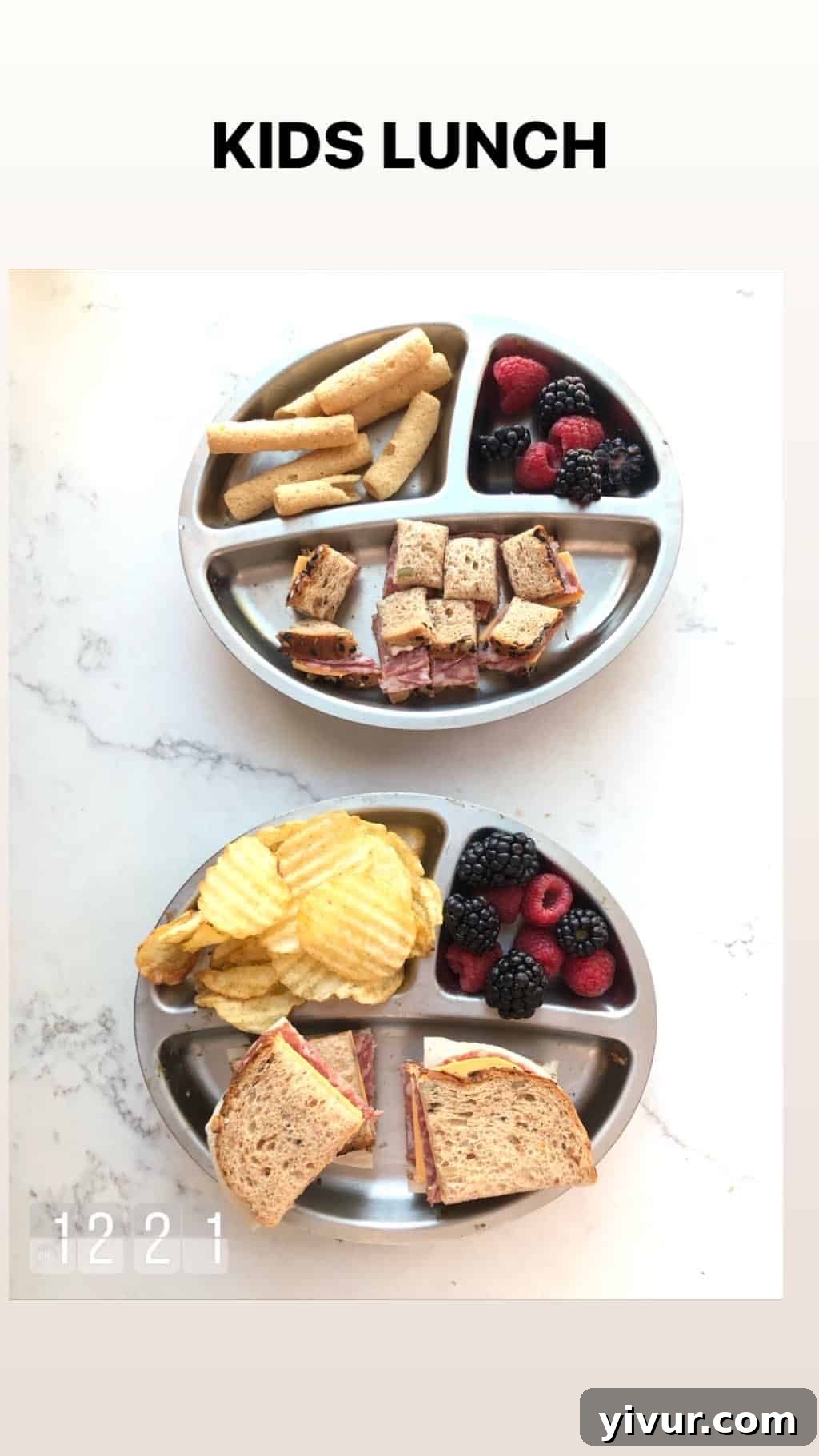
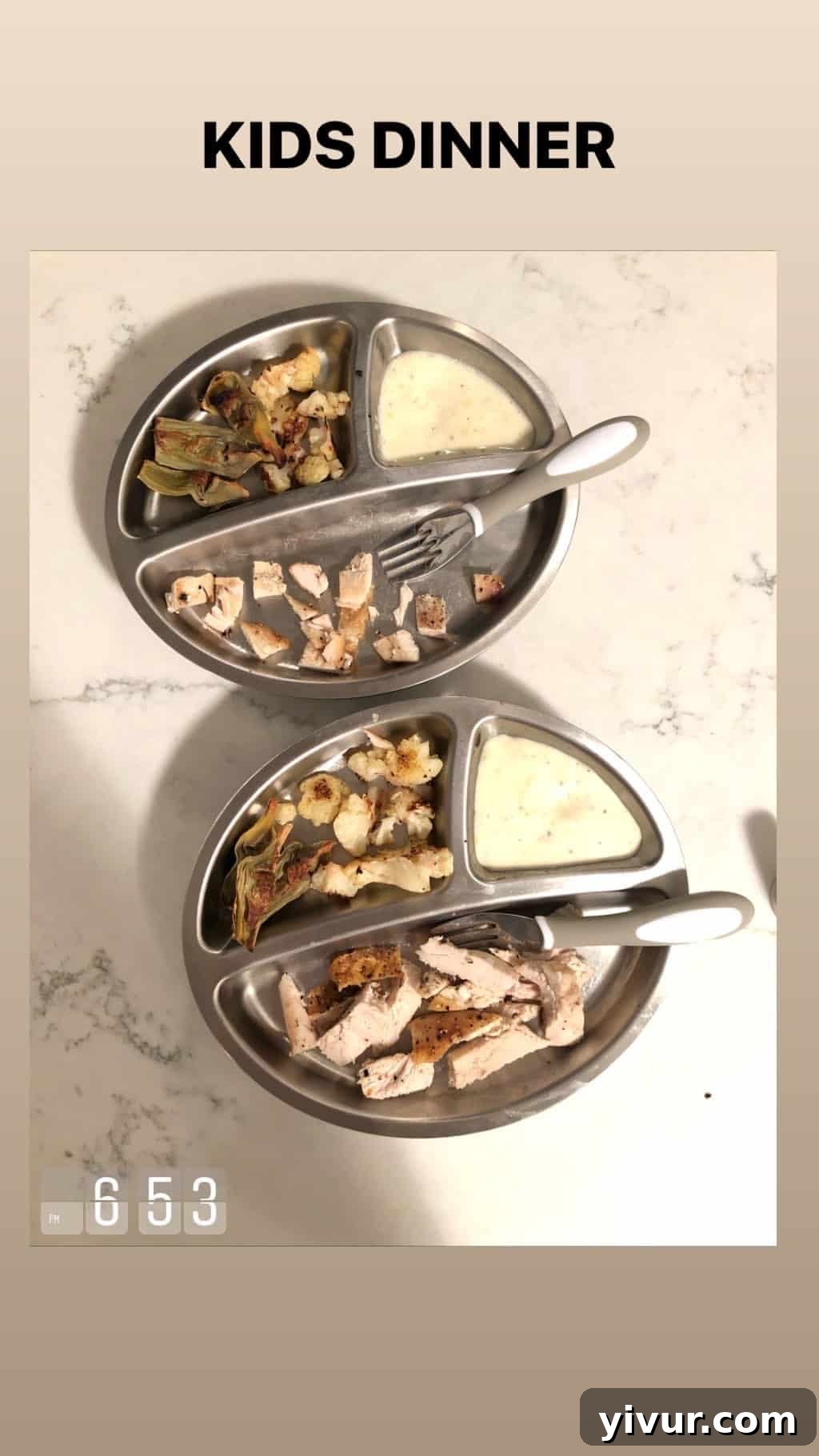
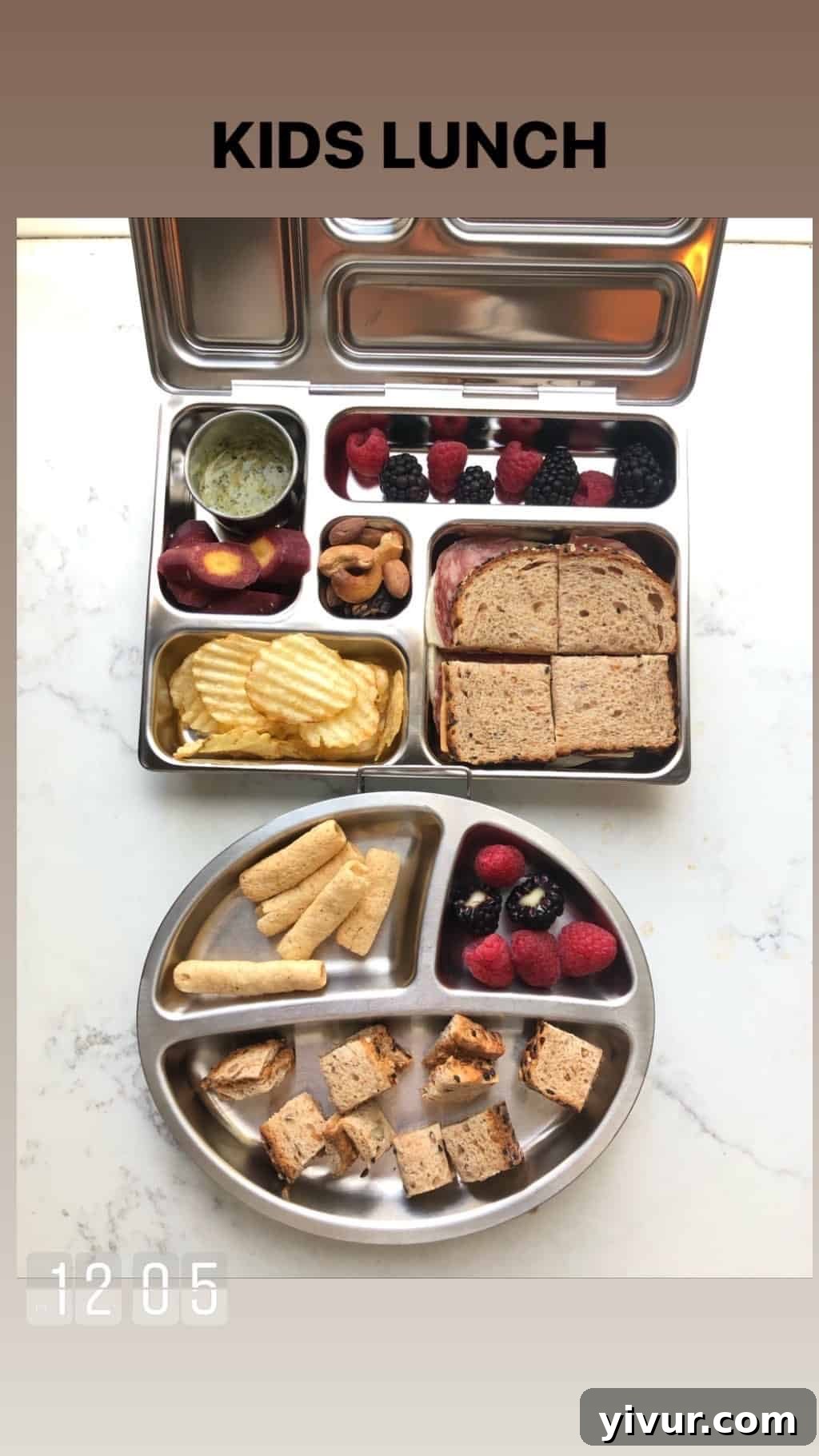
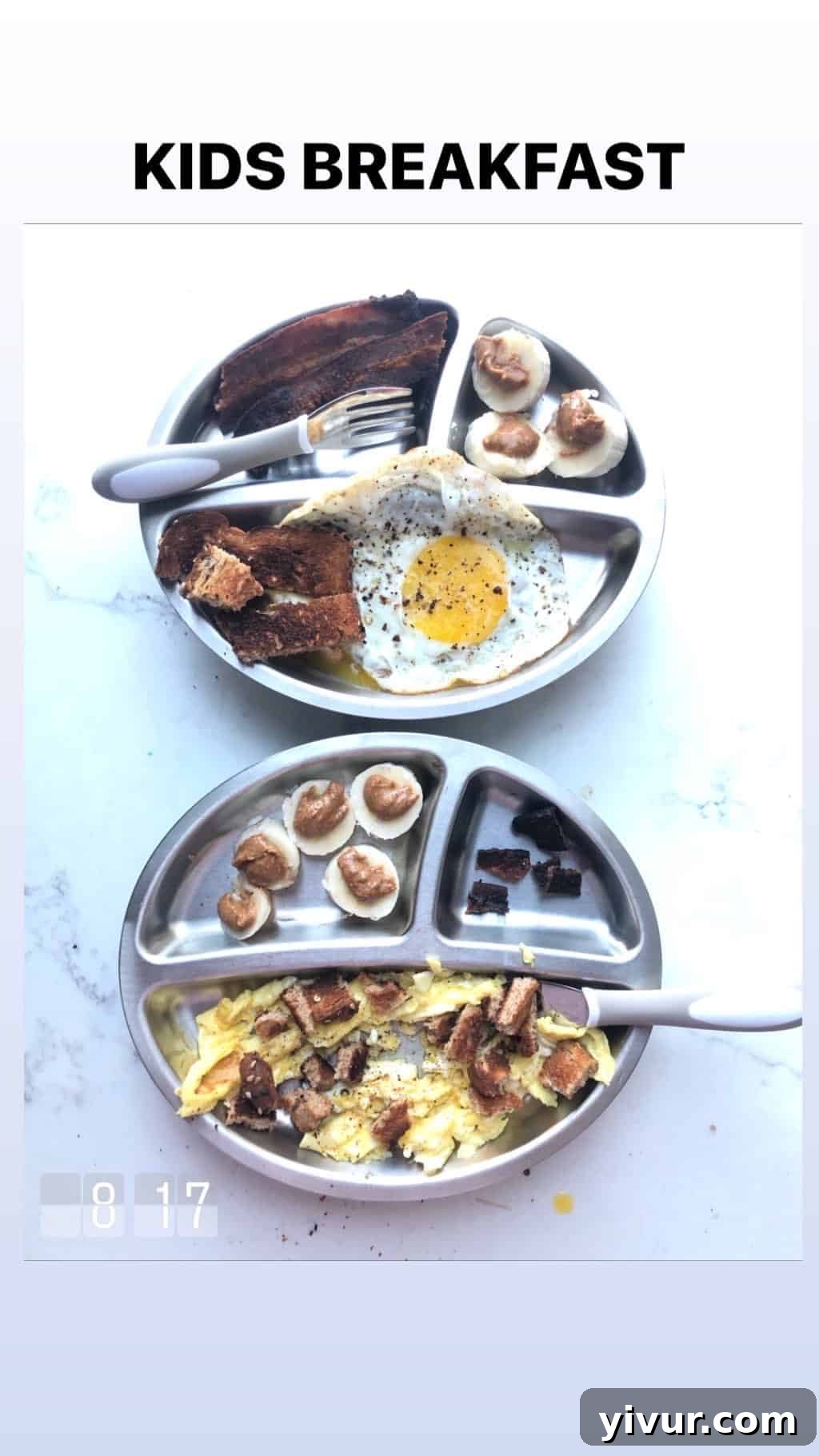
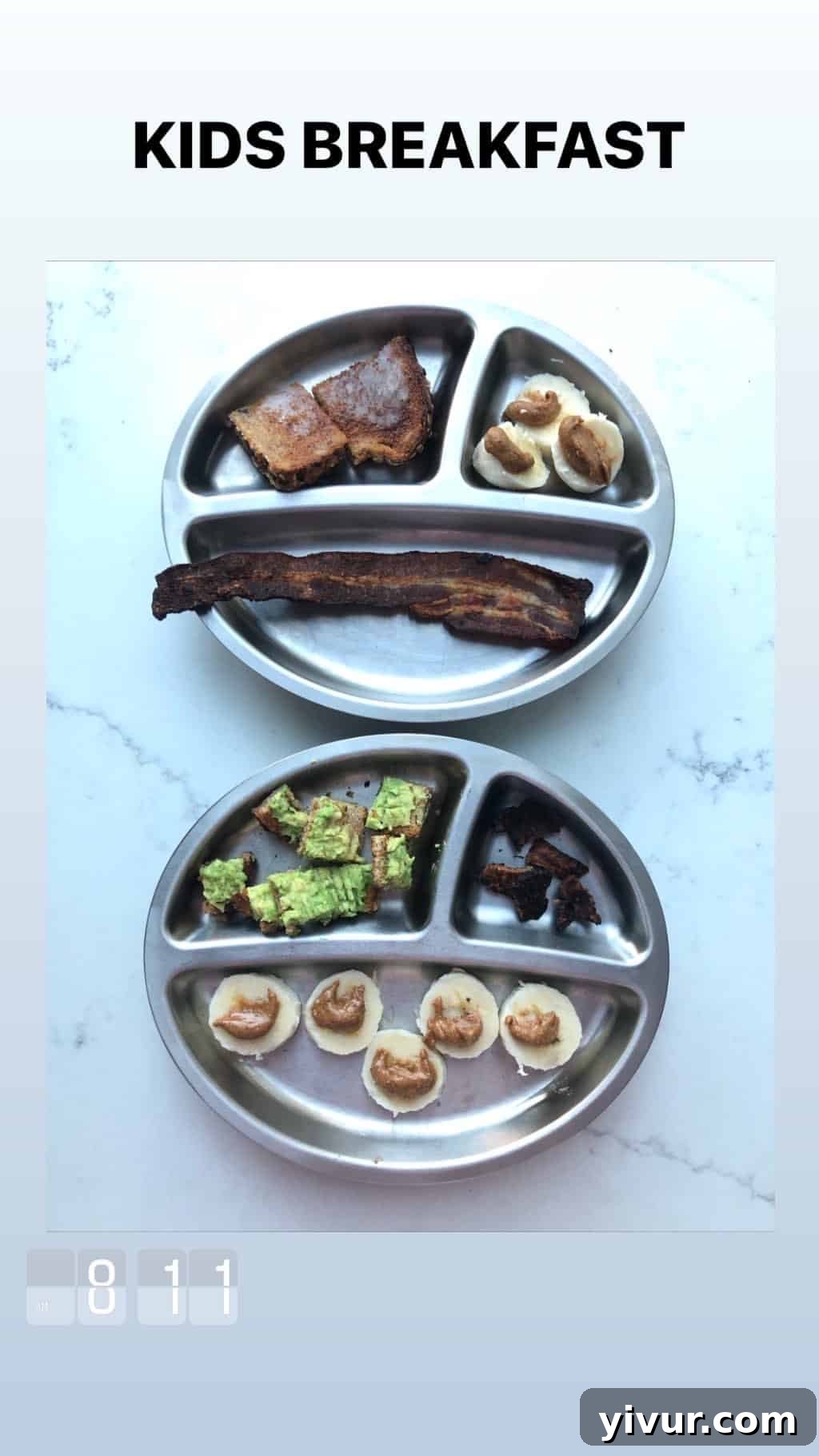
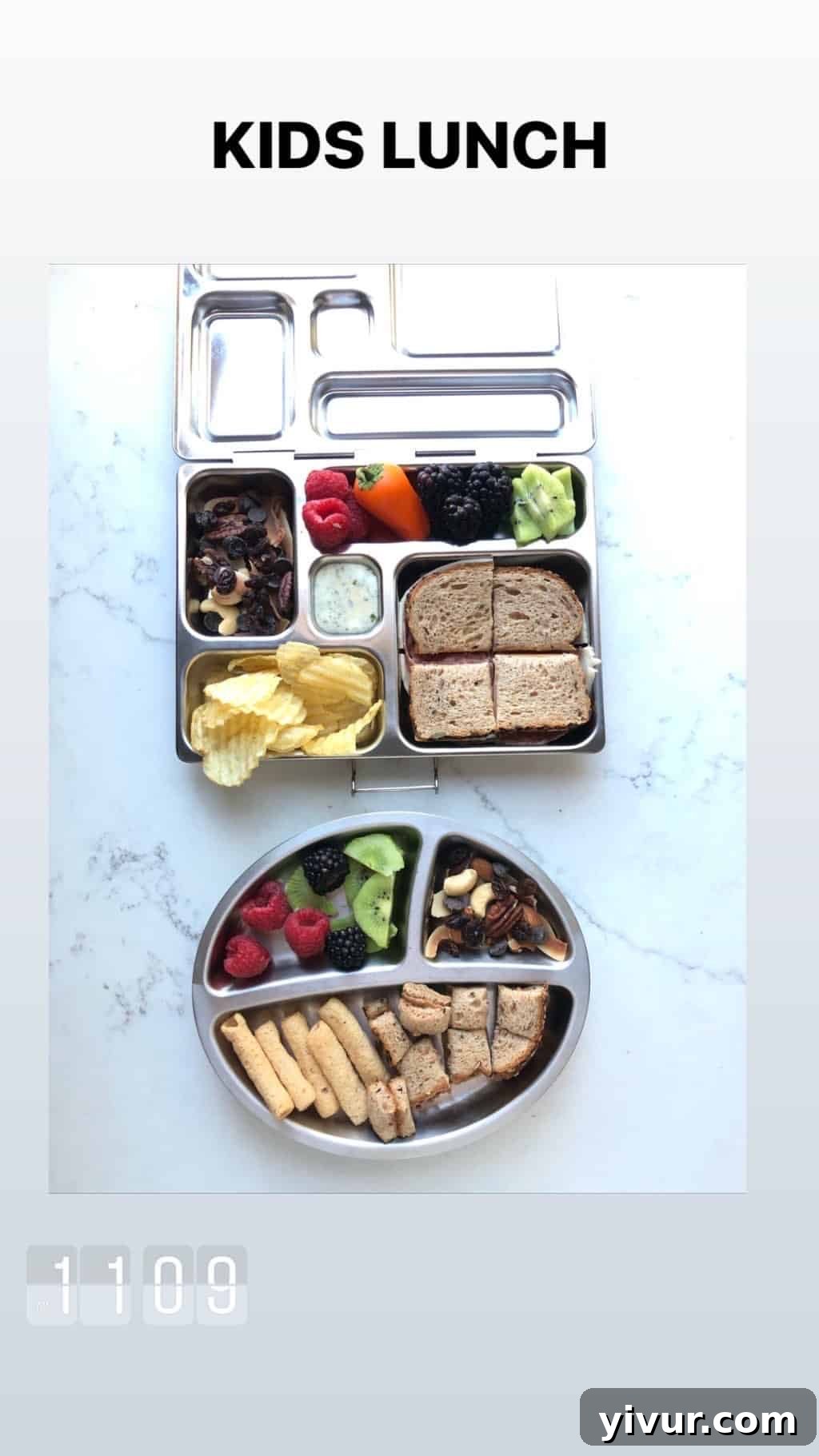
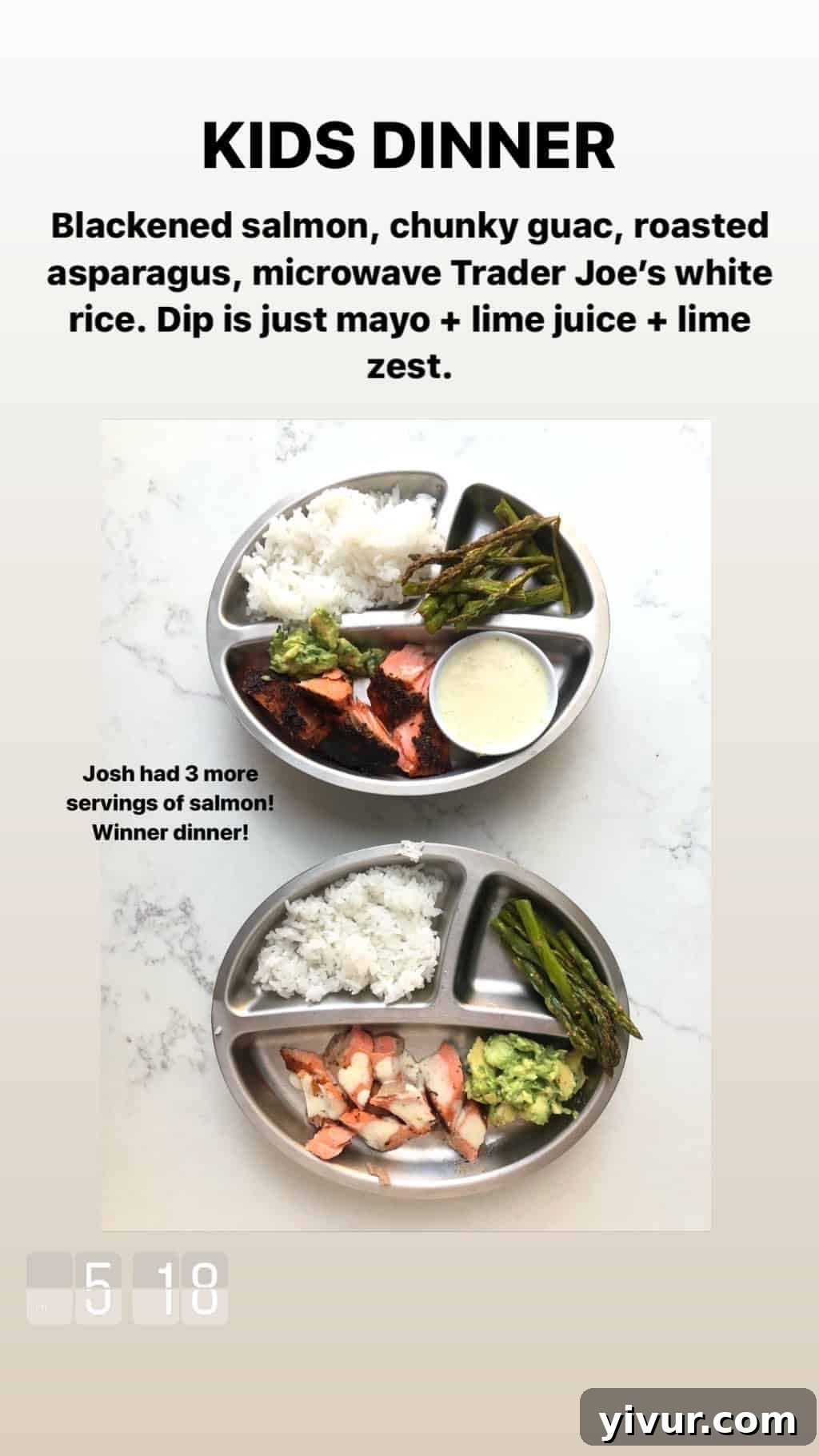
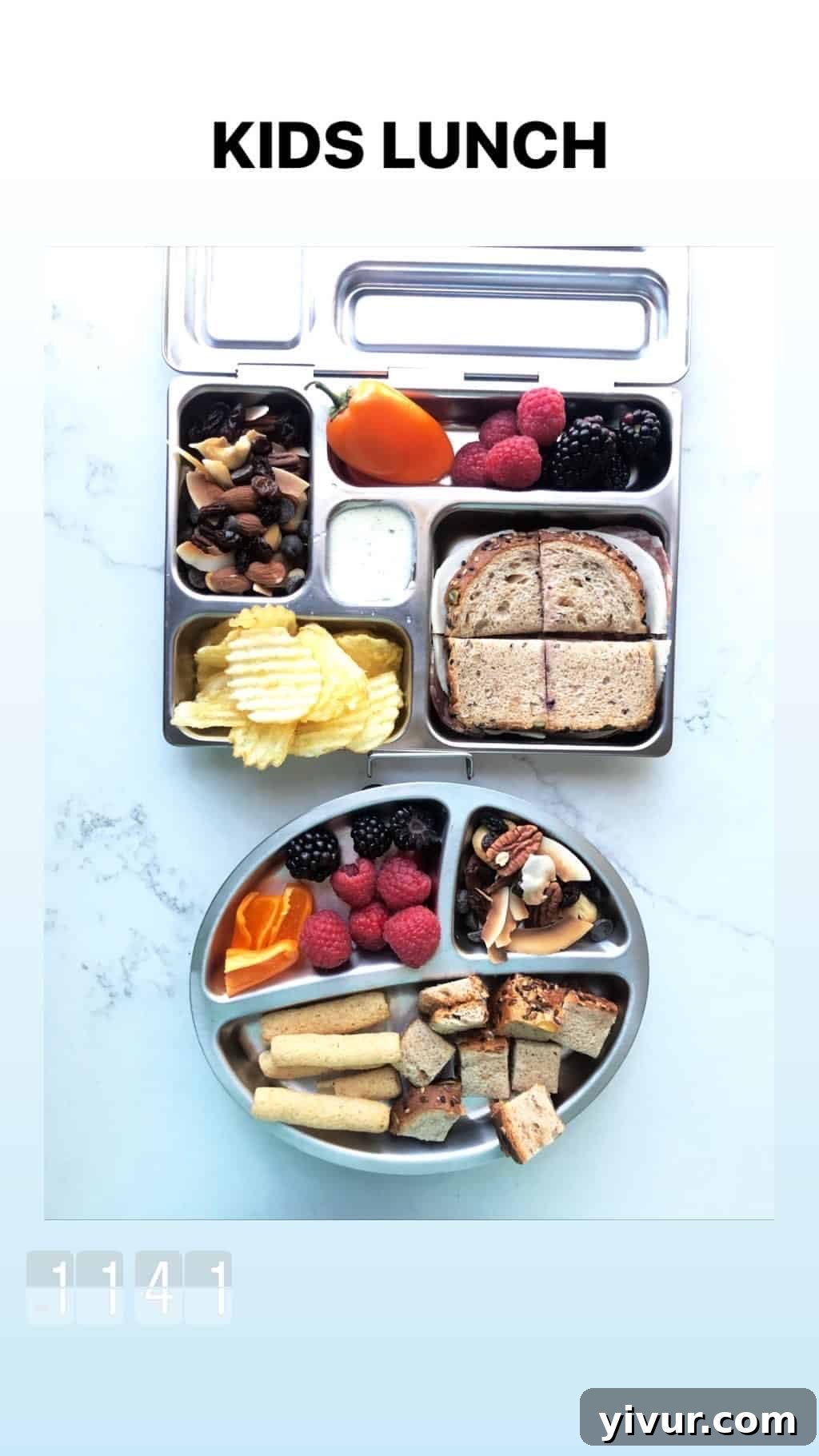
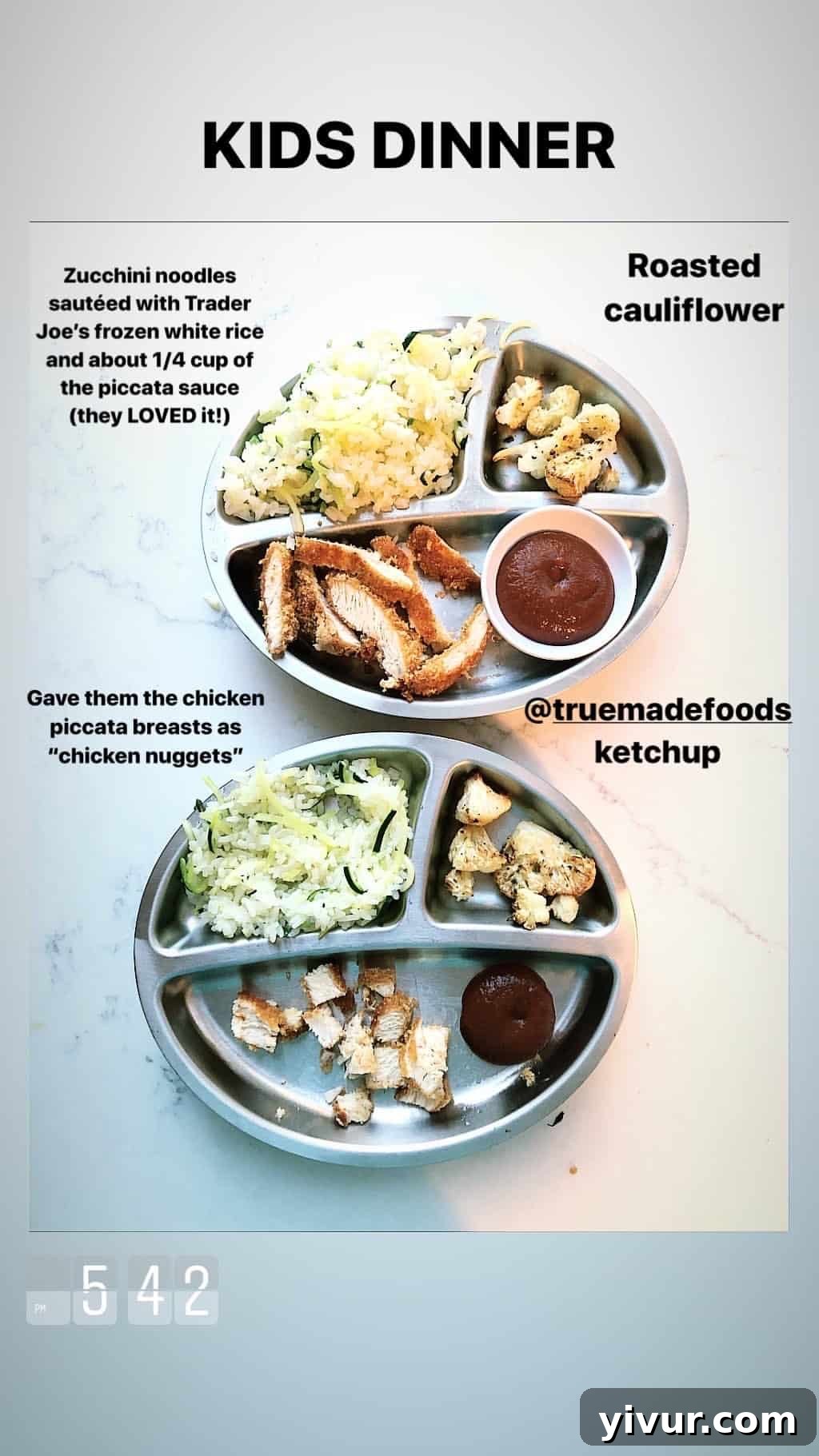
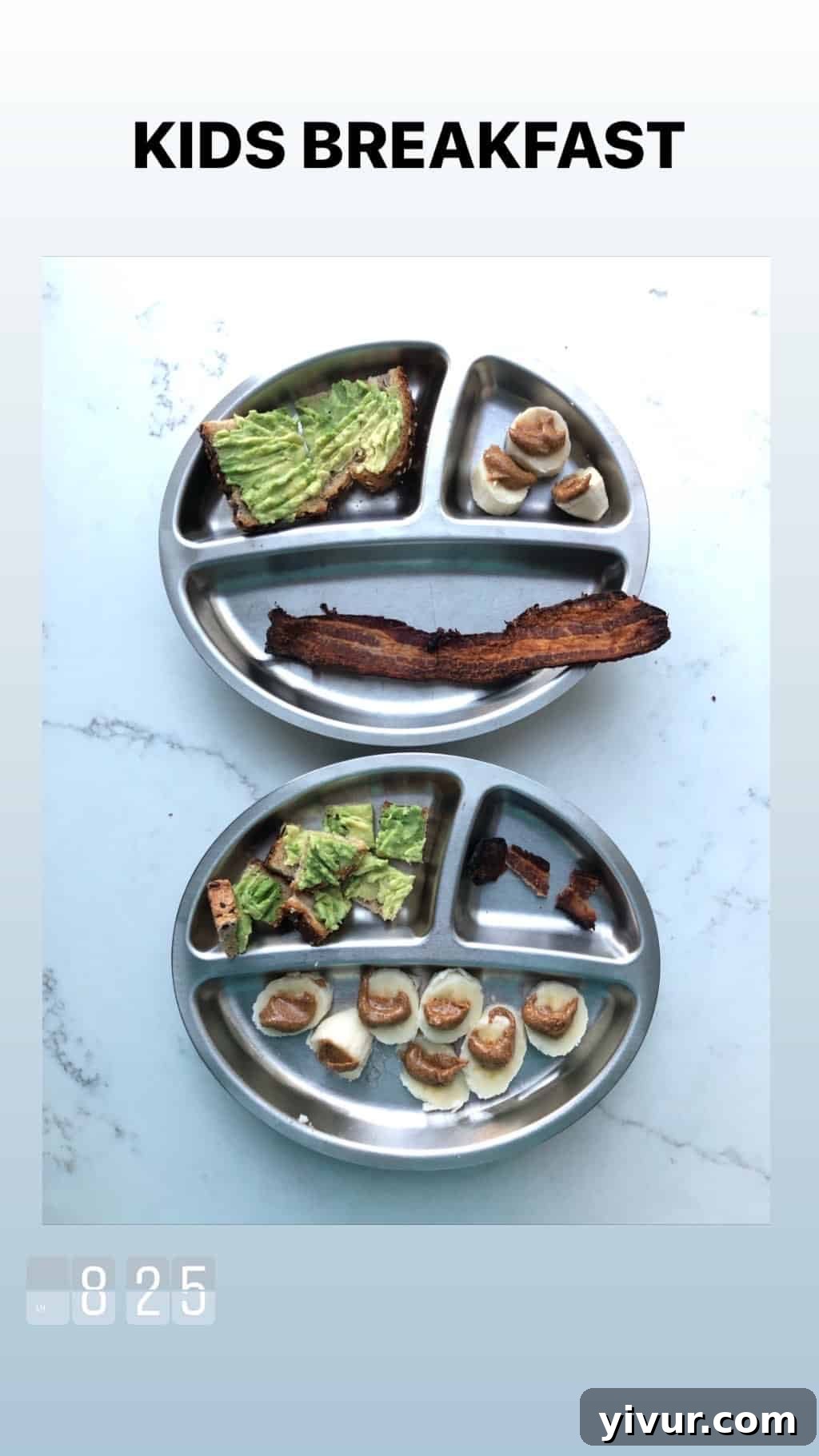
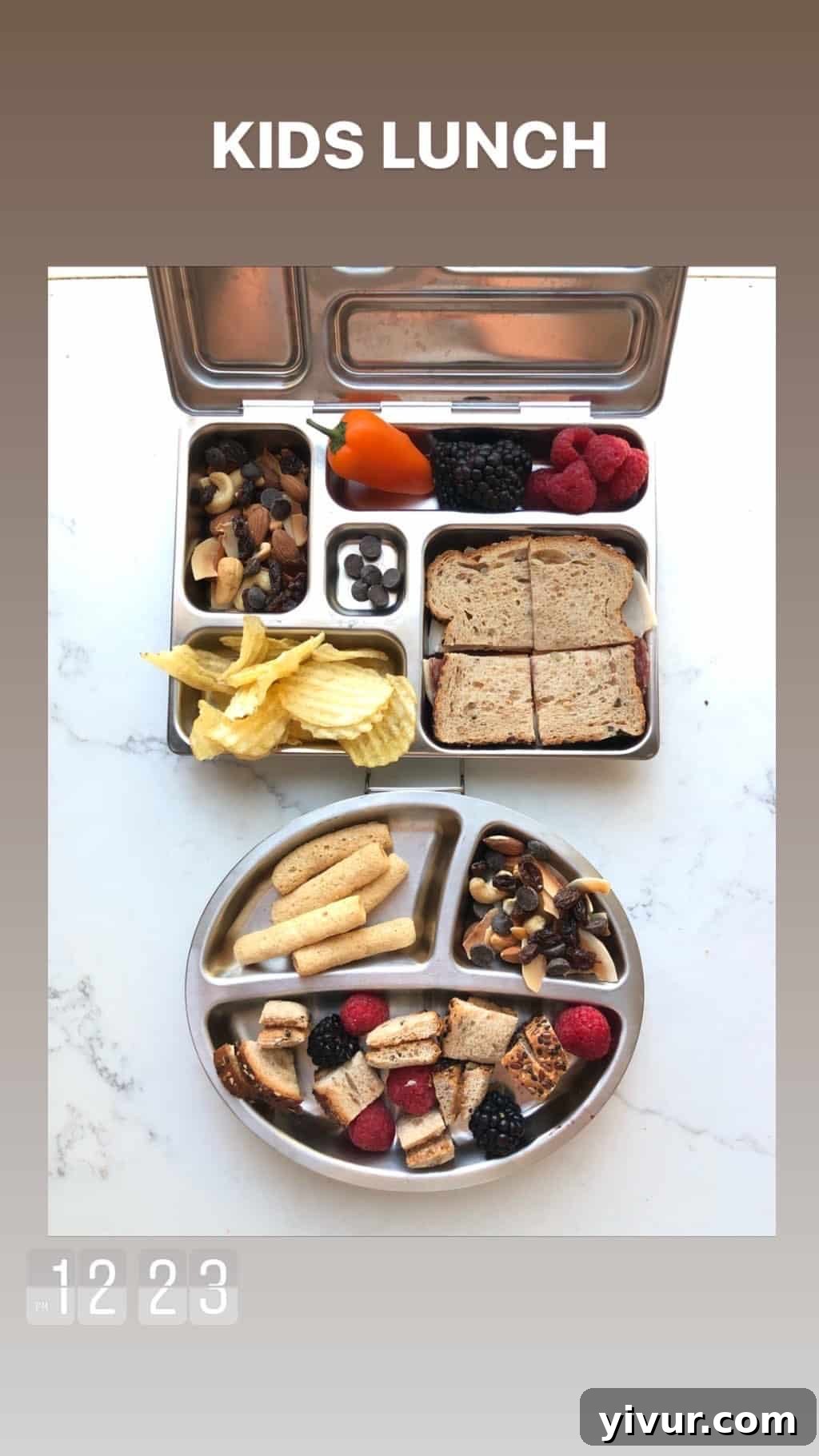
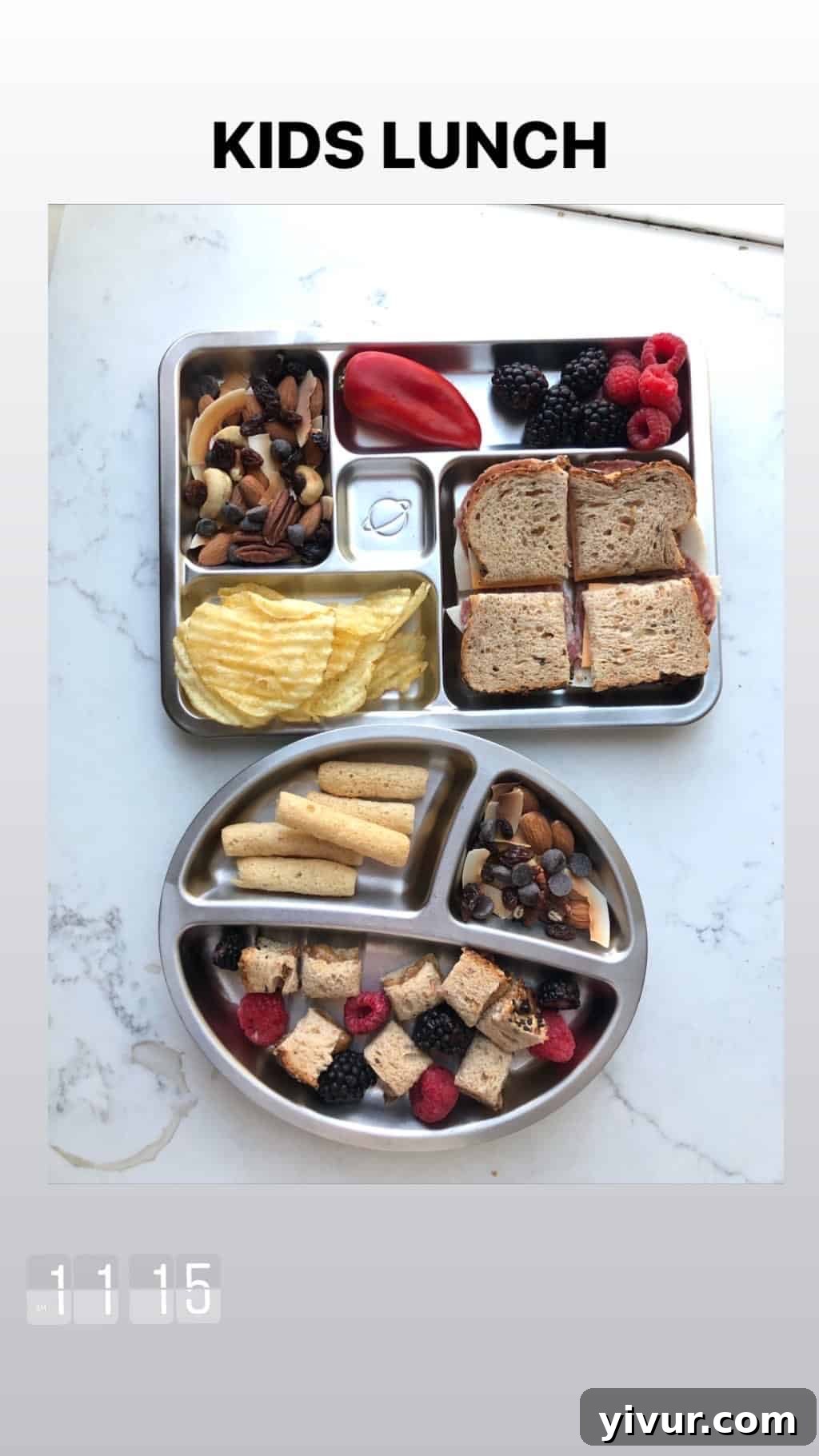
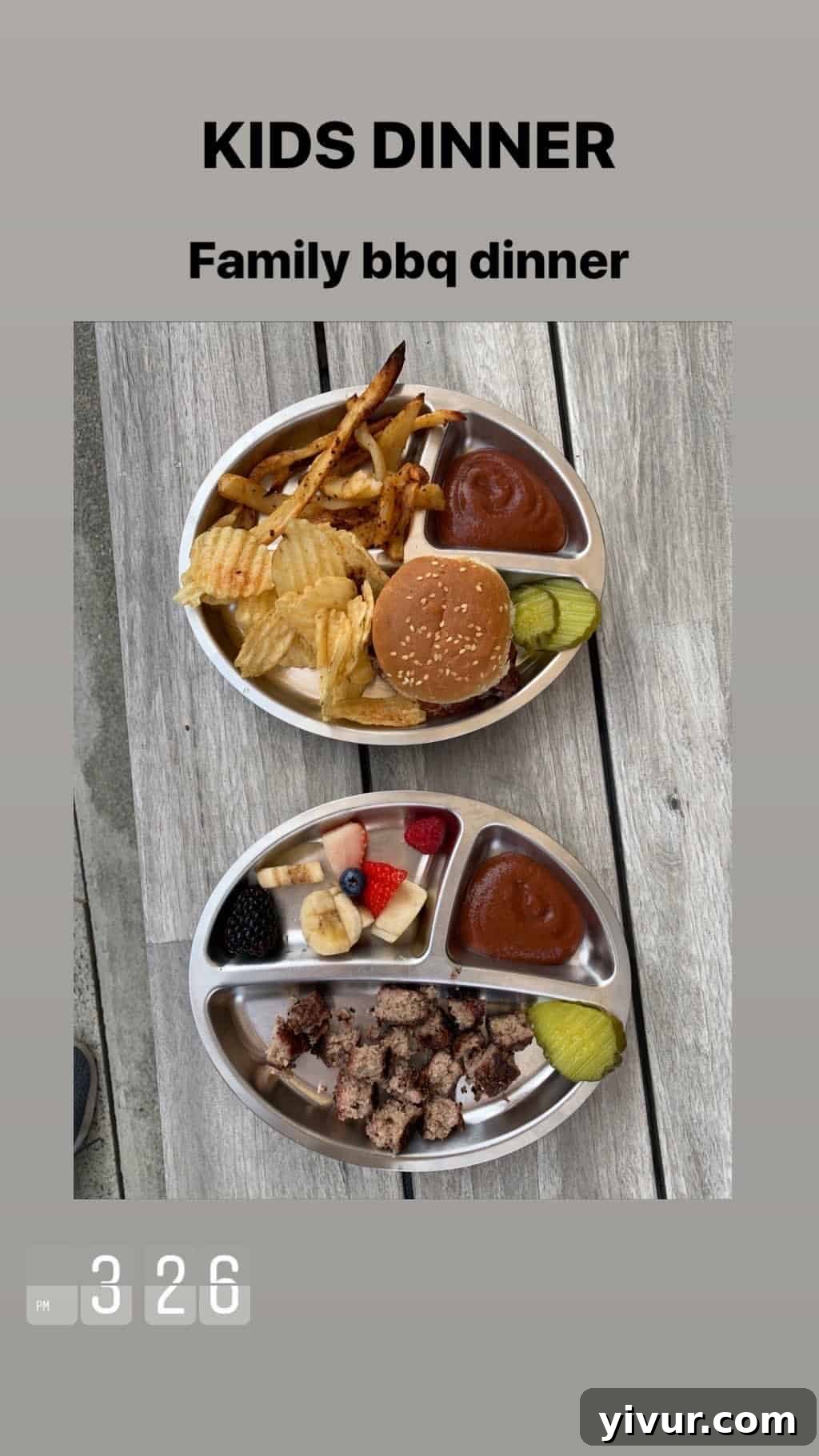
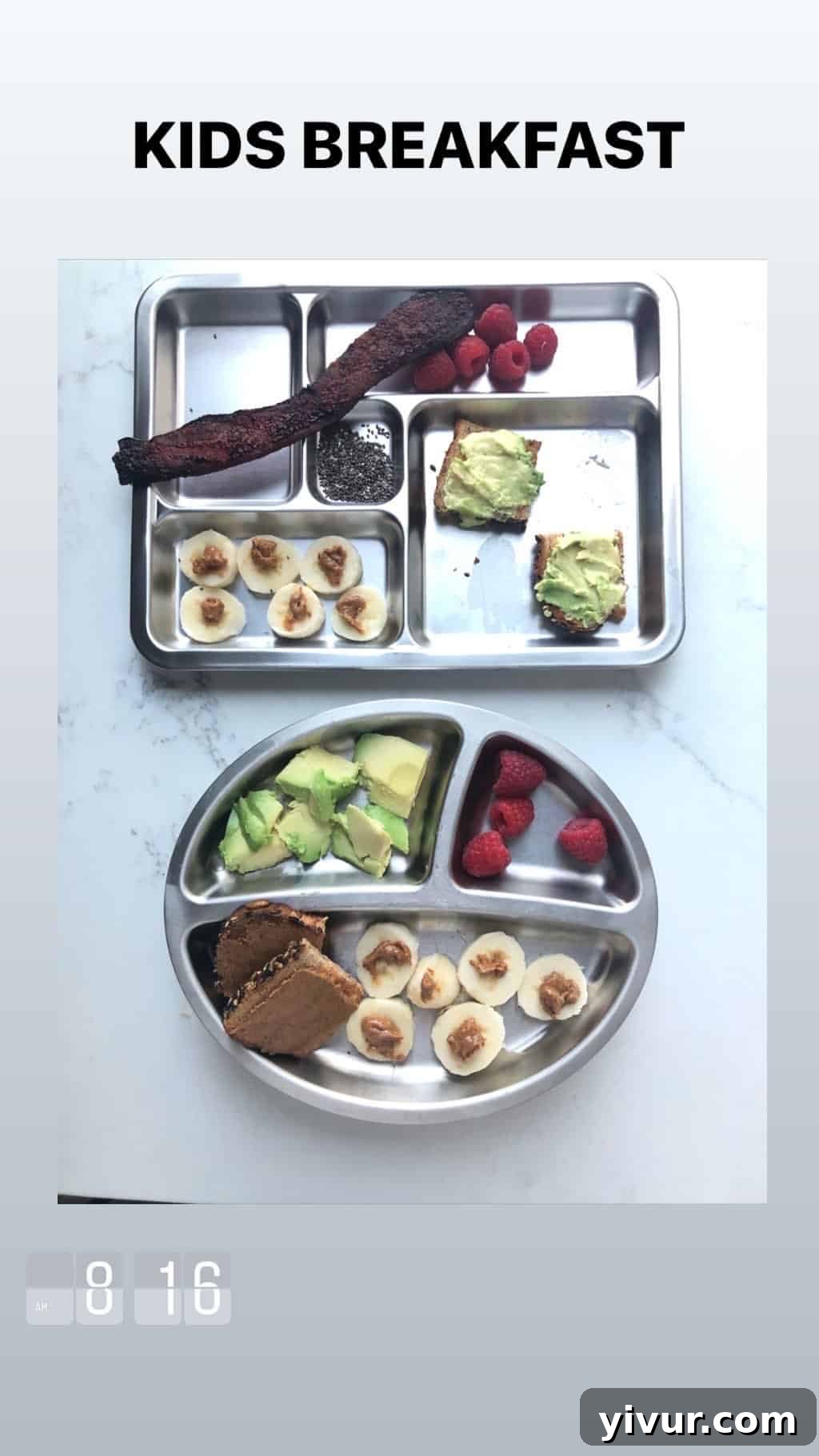
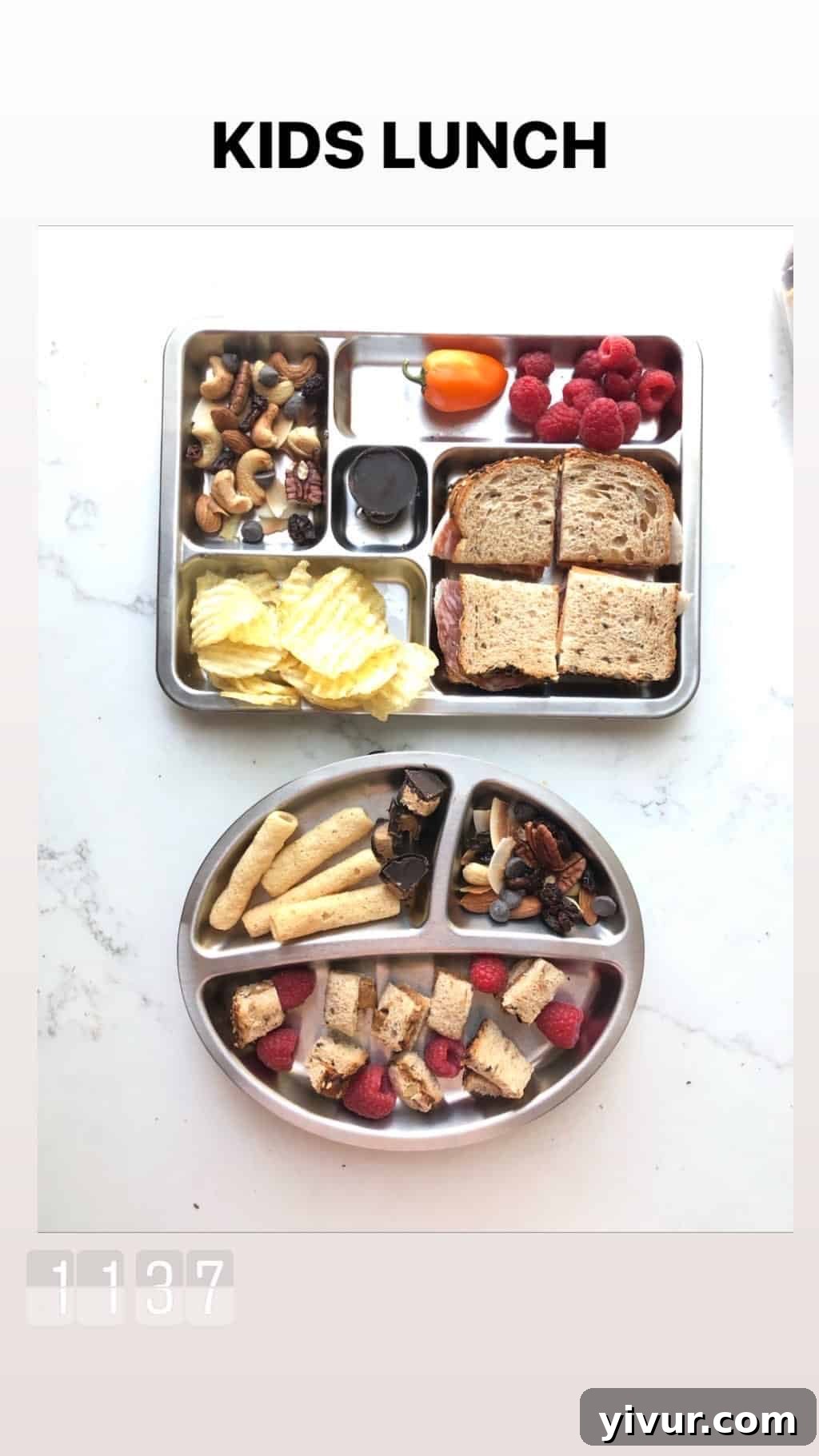
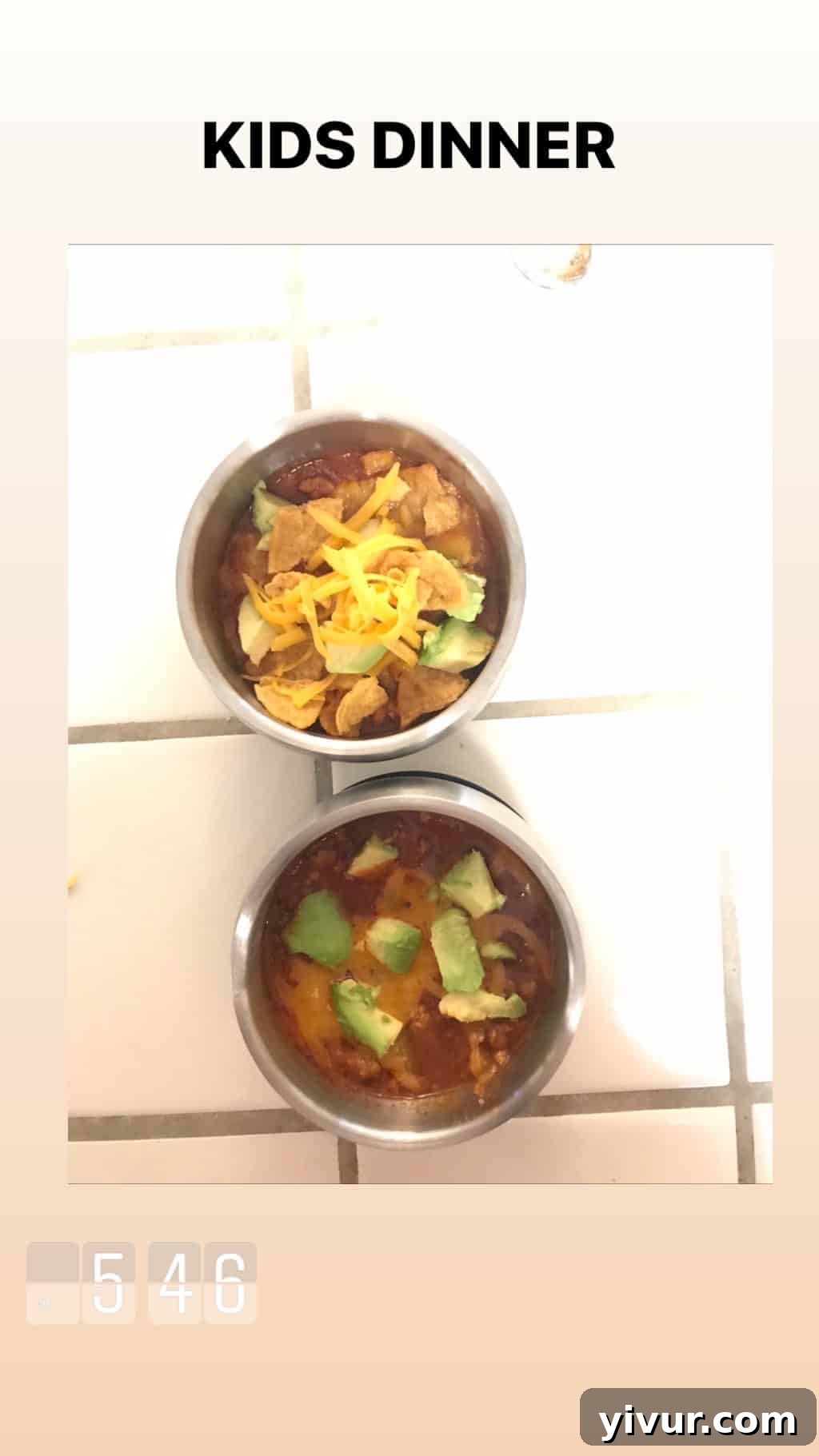
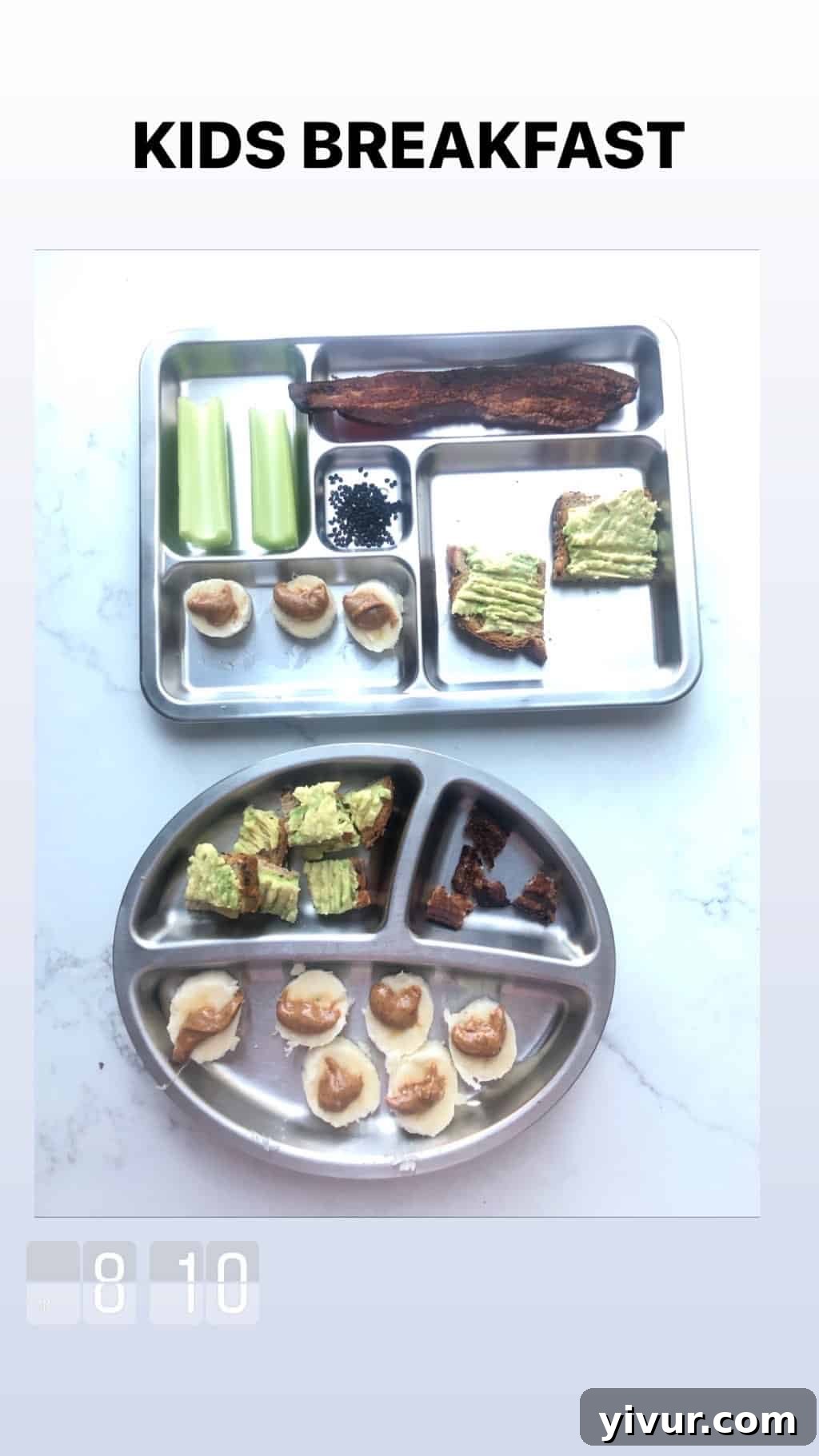
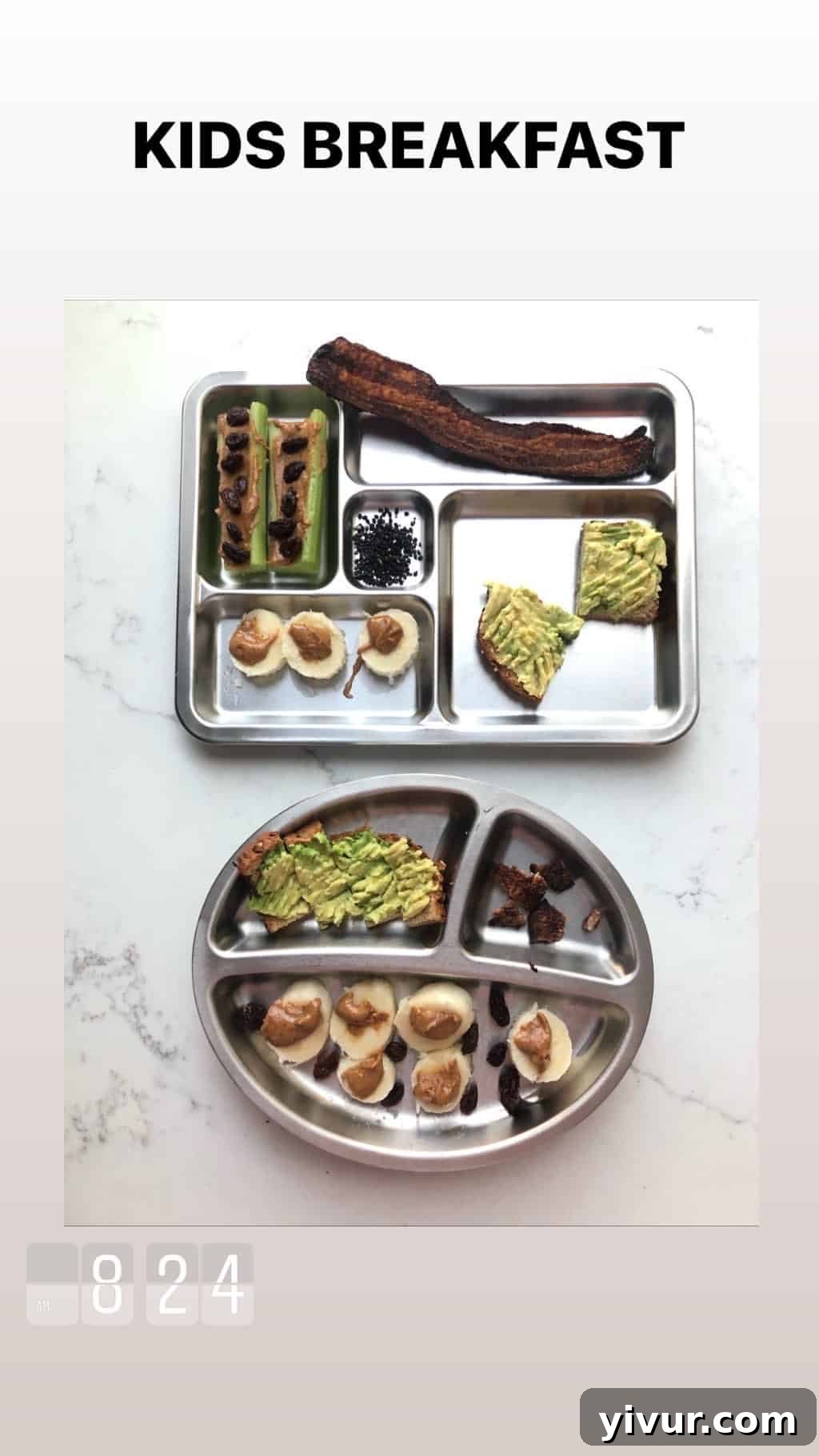
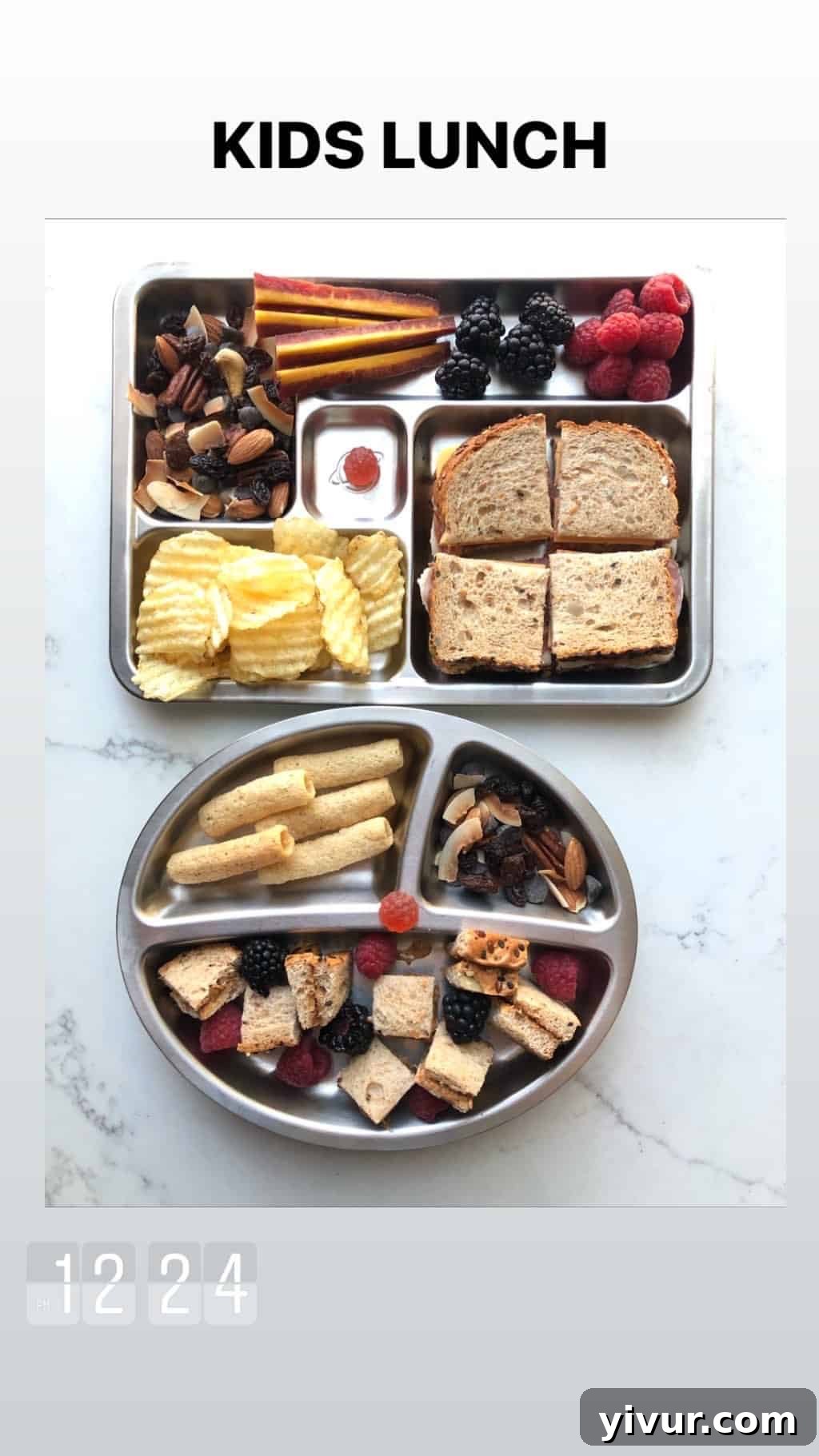
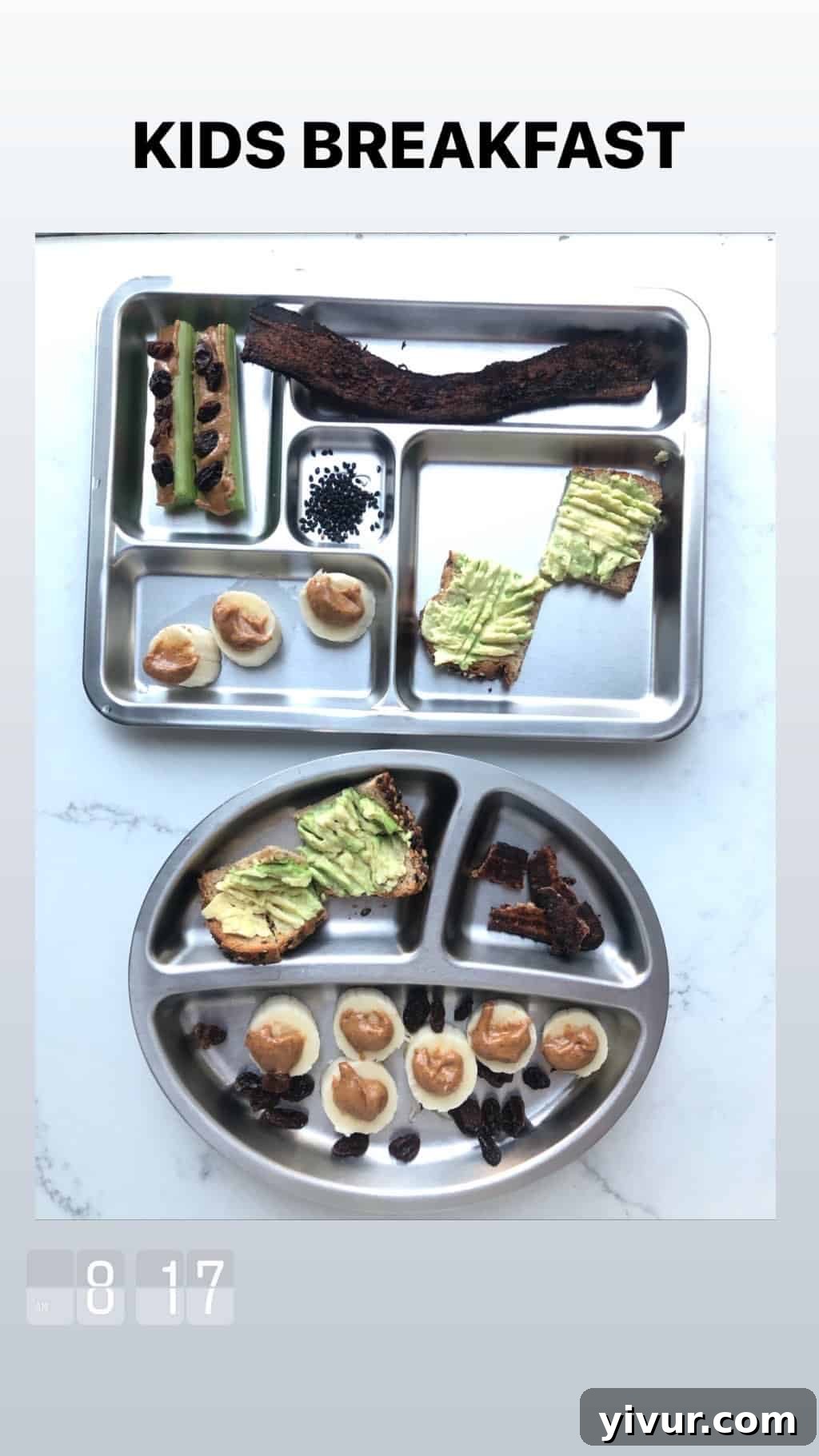
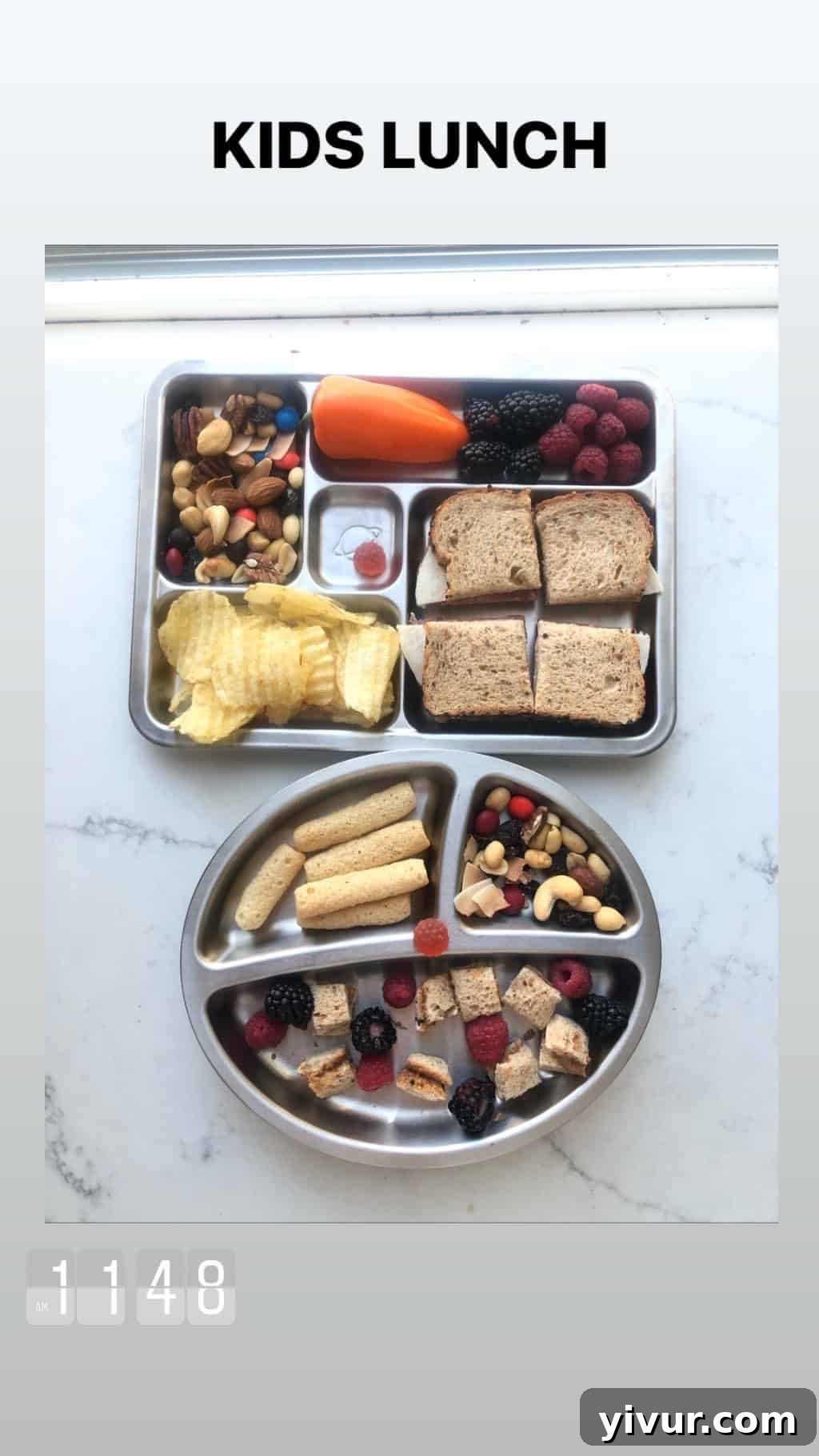
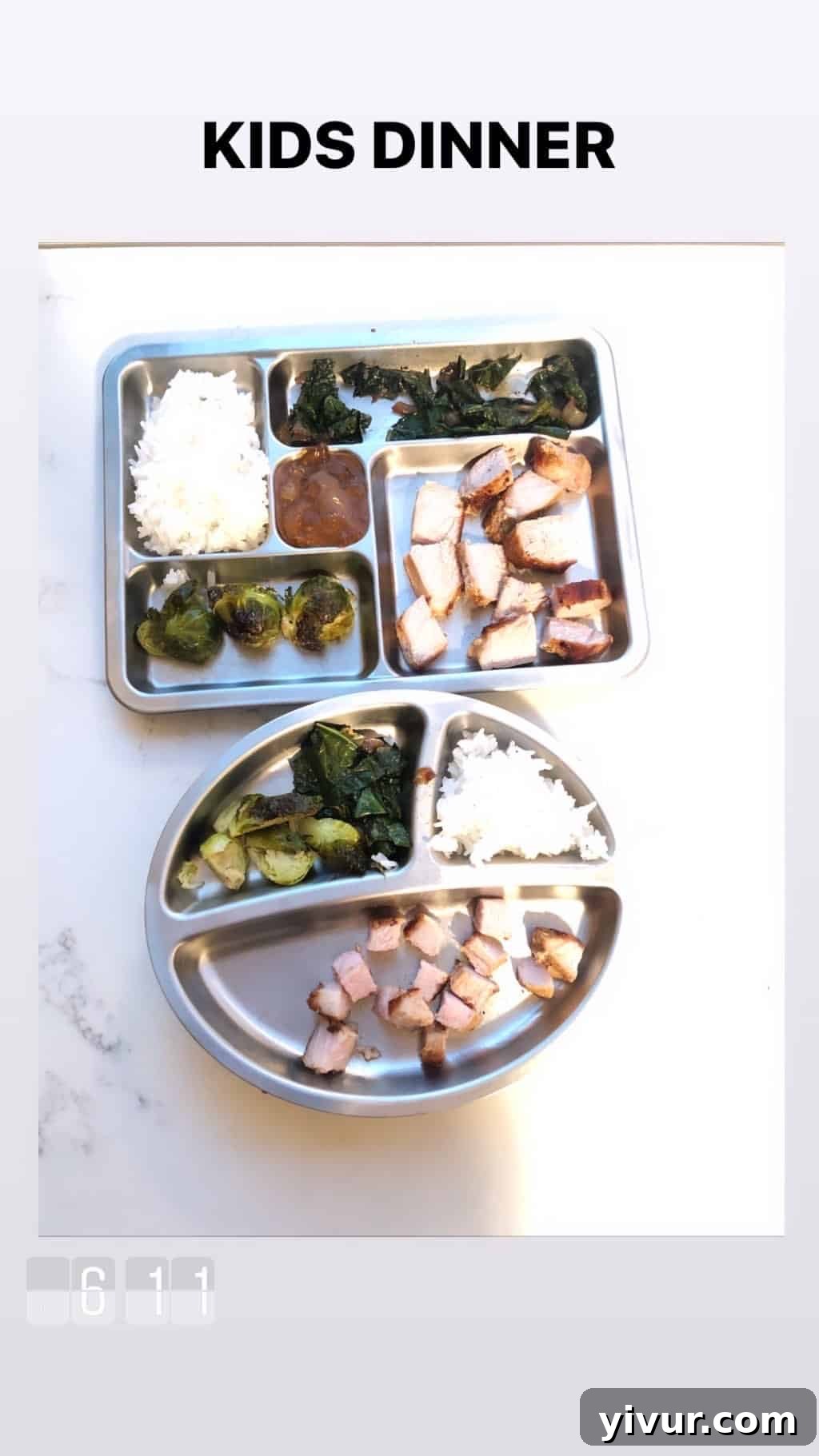
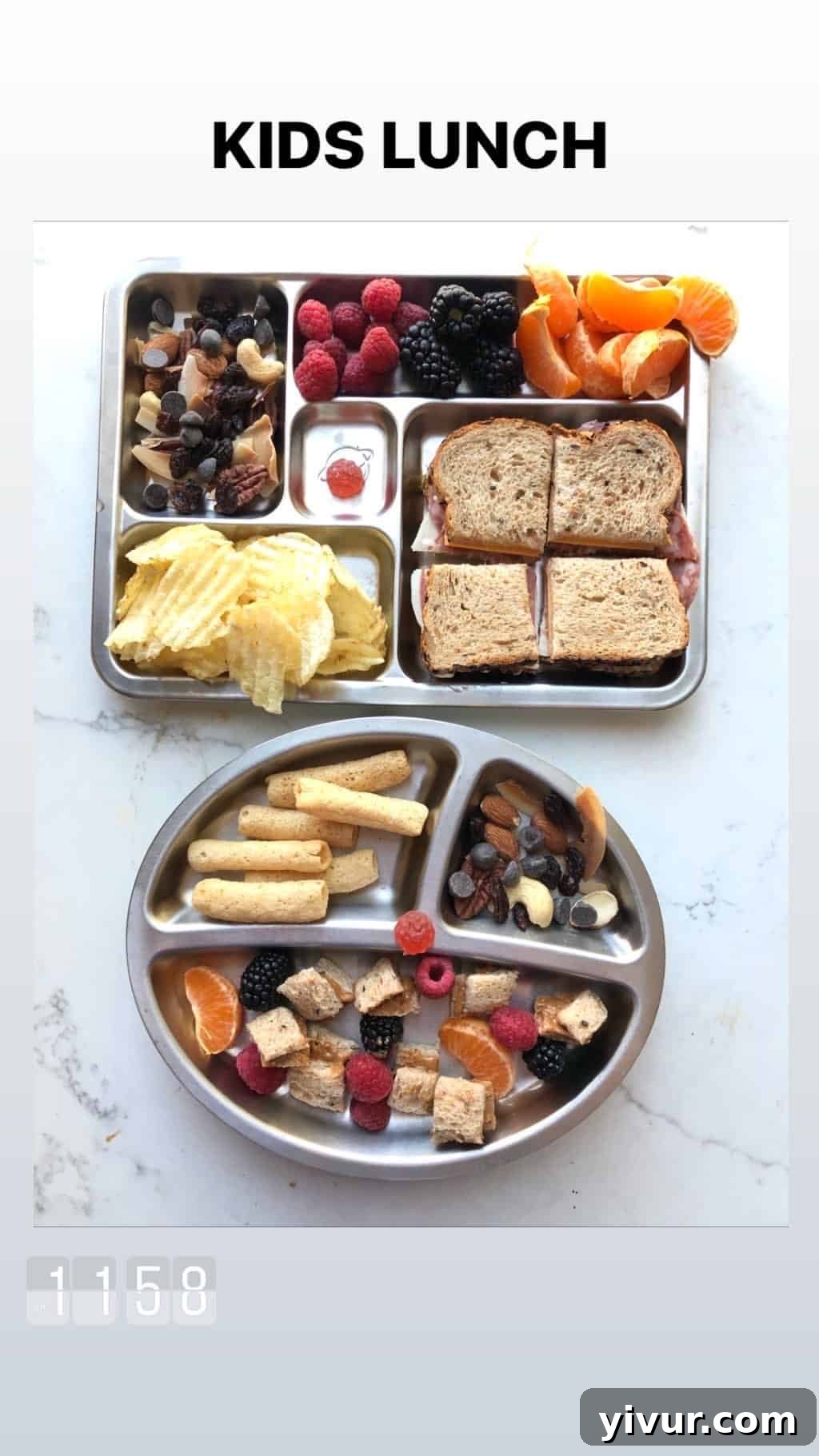
Understanding healthy eating principles is one thing, but seeing how they translate into daily meals is often the most insightful. To provide you with a concrete idea of what balanced and nutritious kids’ meals look like day-to-day in our household, I’ve compiled a visual diary from October 2019. This collection of photos captures a wide array of breakfasts, lunches, and dinners, reflecting the variety and consistency in our children’s diet.
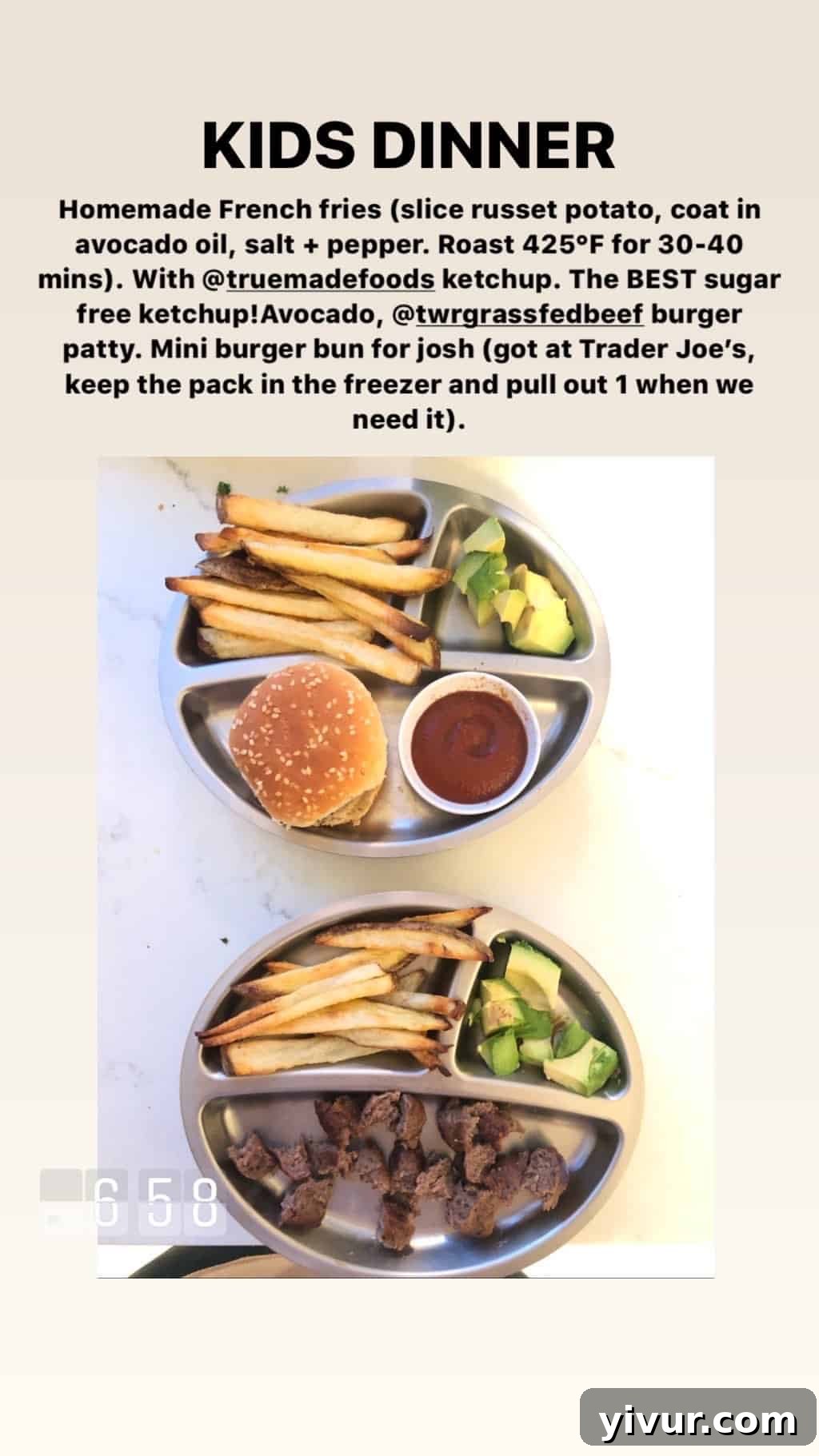
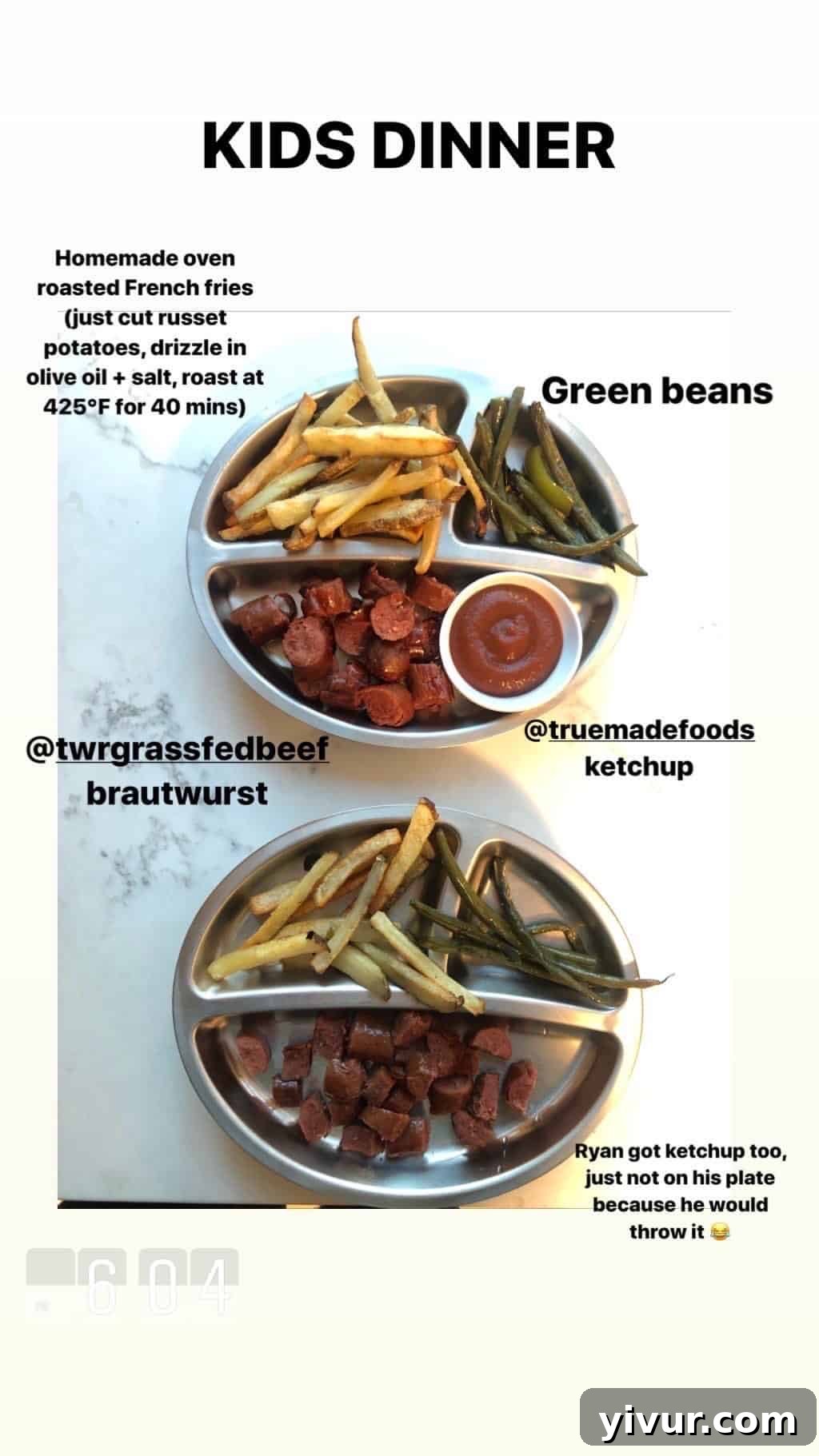
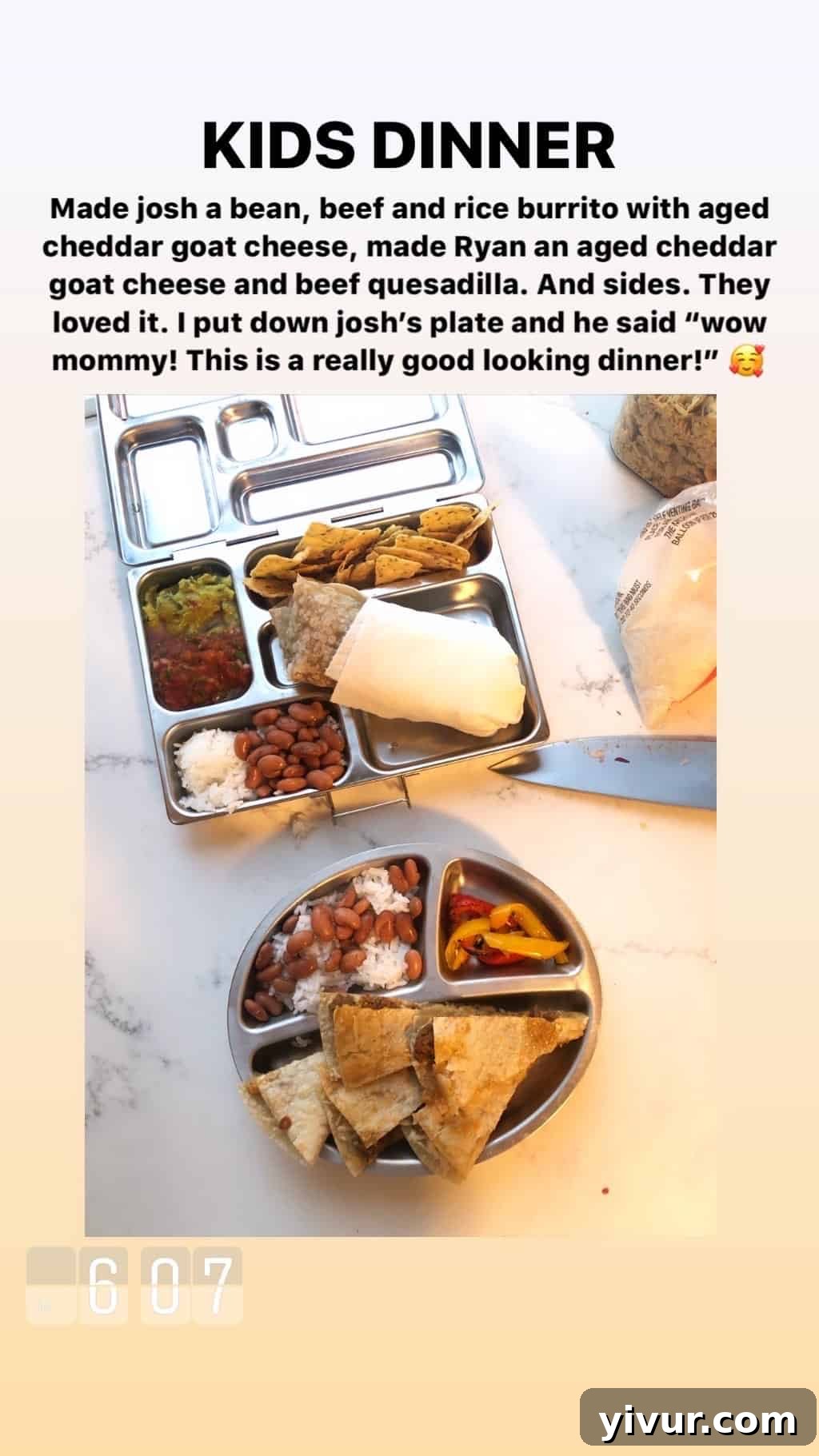
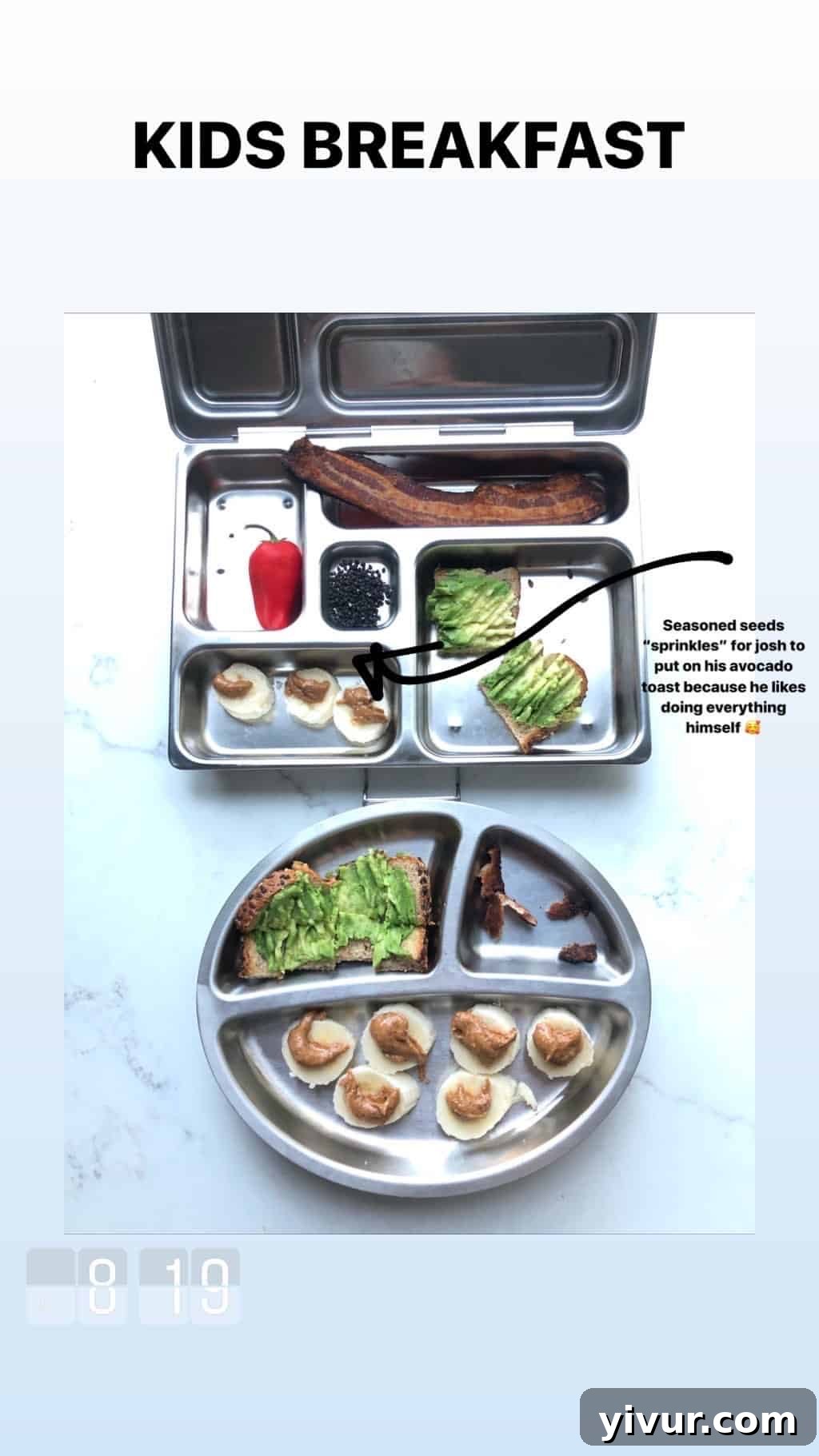
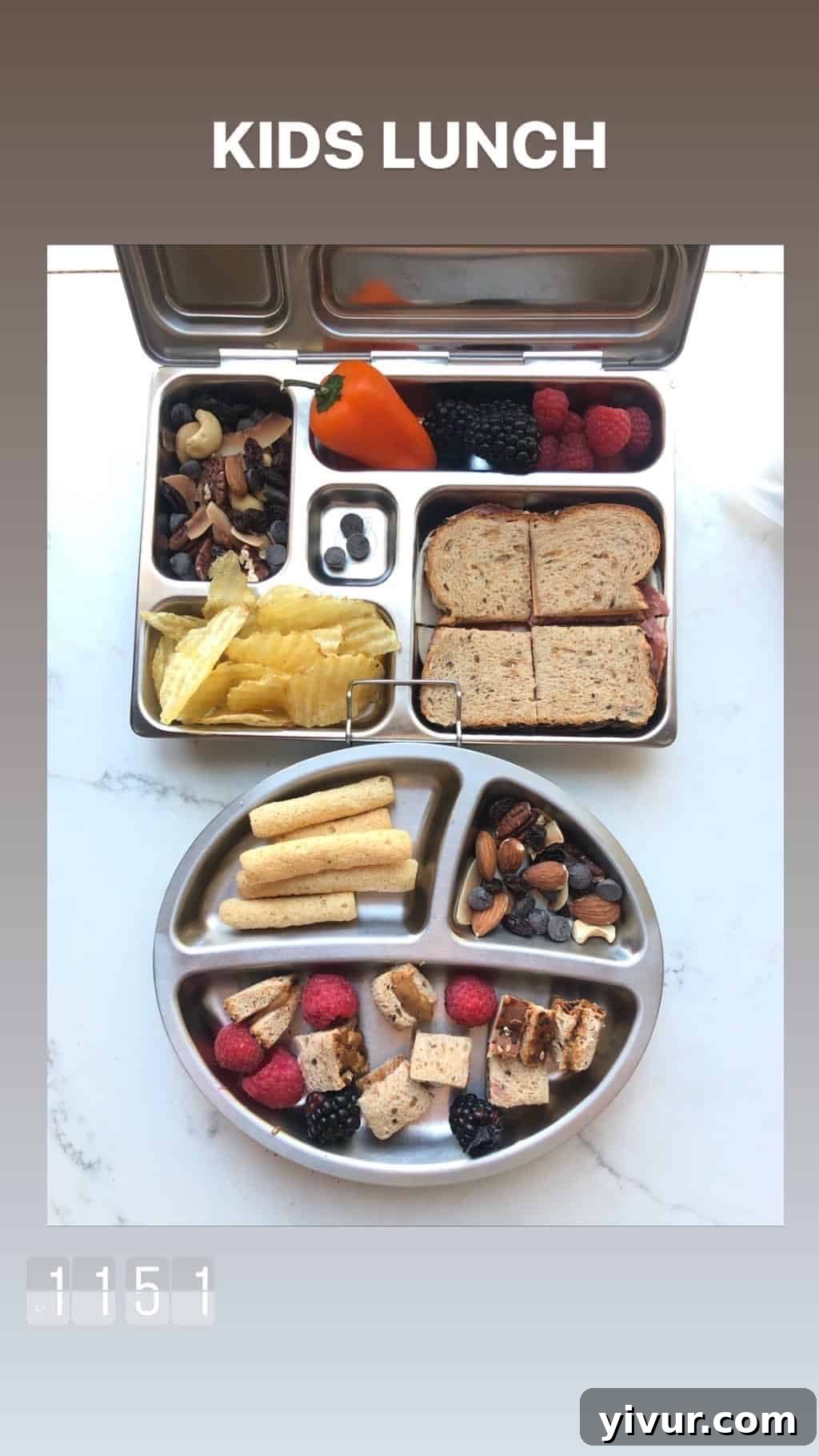
For context, during October 2019, my elder son, Josh, was approaching his 4th birthday, while my younger son, Ryan, was nearly 1.5 years old. This age difference means their meals sometimes varied in texture and portion size, but the underlying commitment to wholesome, clean ingredients remained constant. Observing their meals side-by-side can offer unique perspectives on feeding children at different developmental stages.
If you’re curious to see how my own diet compares to that of my children, you can find a detailed account here: Everything I Ate in October. It’s often reassuring for parents to see that healthy eating can be a family affair, with slight modifications to suit individual needs.
Typical Meal Components for Our Growing Boys
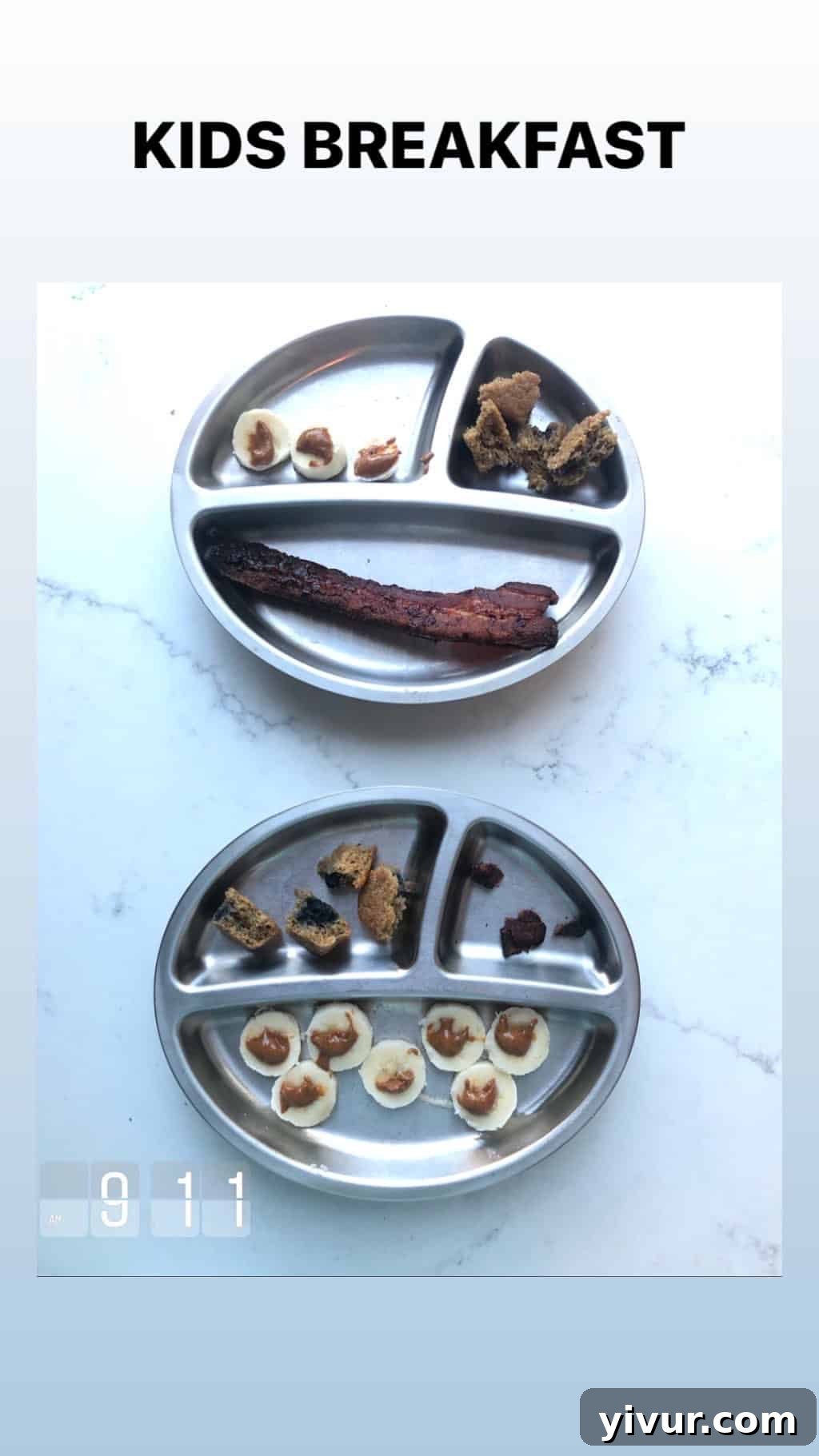
While each photo represents a unique meal, there are recurring themes and components that form the backbone of our children’s diet. For breakfasts, you’ll frequently see a combination of whole grains like oatmeal or whole-wheat toast, paired with plenty of fresh fruit, and a source of protein such as eggs or yogurt. This combination ensures a balanced start to their day, providing sustained energy for play and learning.
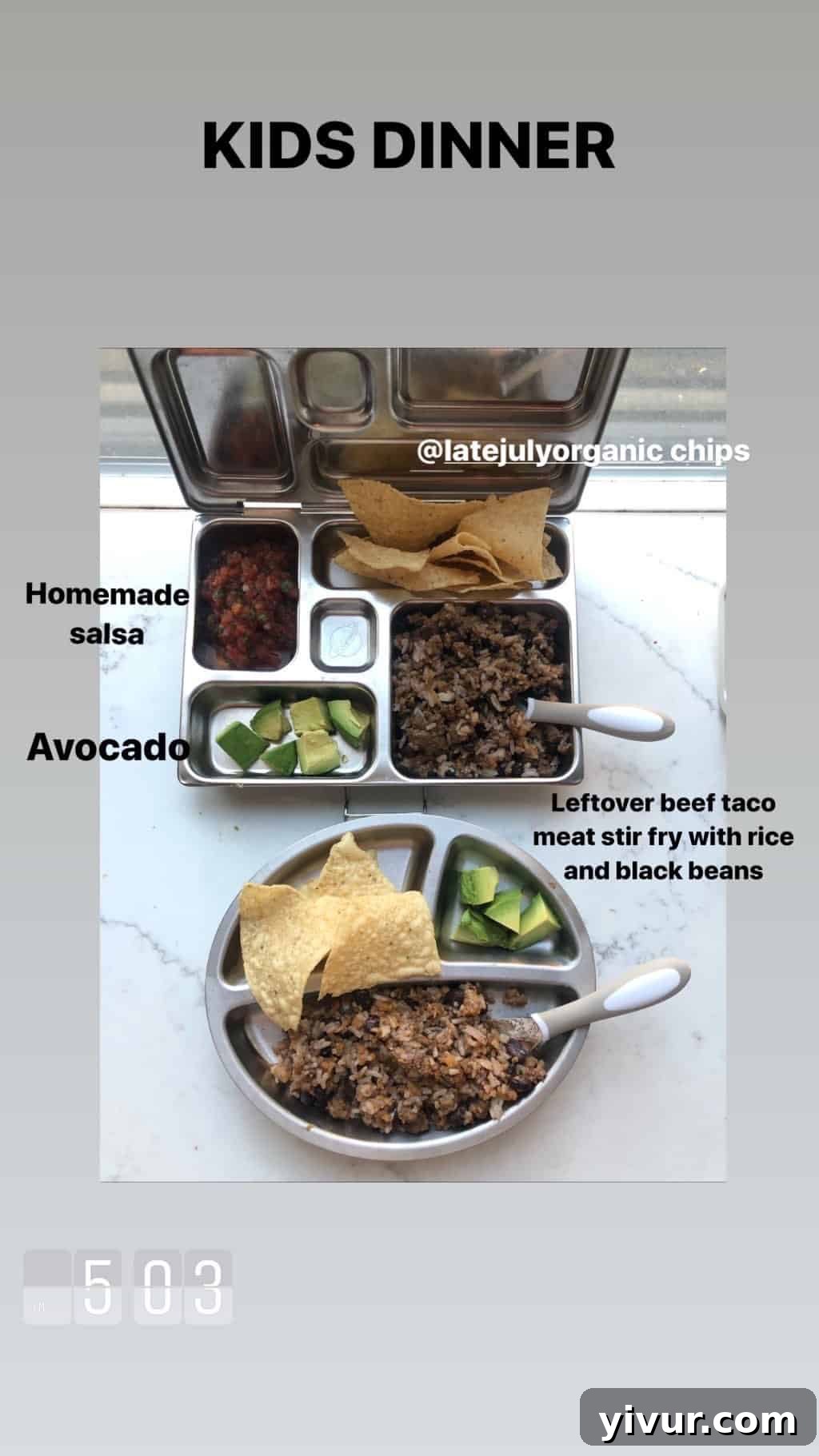
Lunches often consist of leftovers from dinner, simplified sandwiches on whole-grain bread with lean protein and veggies, or colorful snack plates featuring cheese, crackers, hard-boiled eggs, and a medley of cut-up fruits and vegetables. The emphasis is always on variety and ensuring they receive a good mix of macronutrients and micronutrients to power through their afternoon.
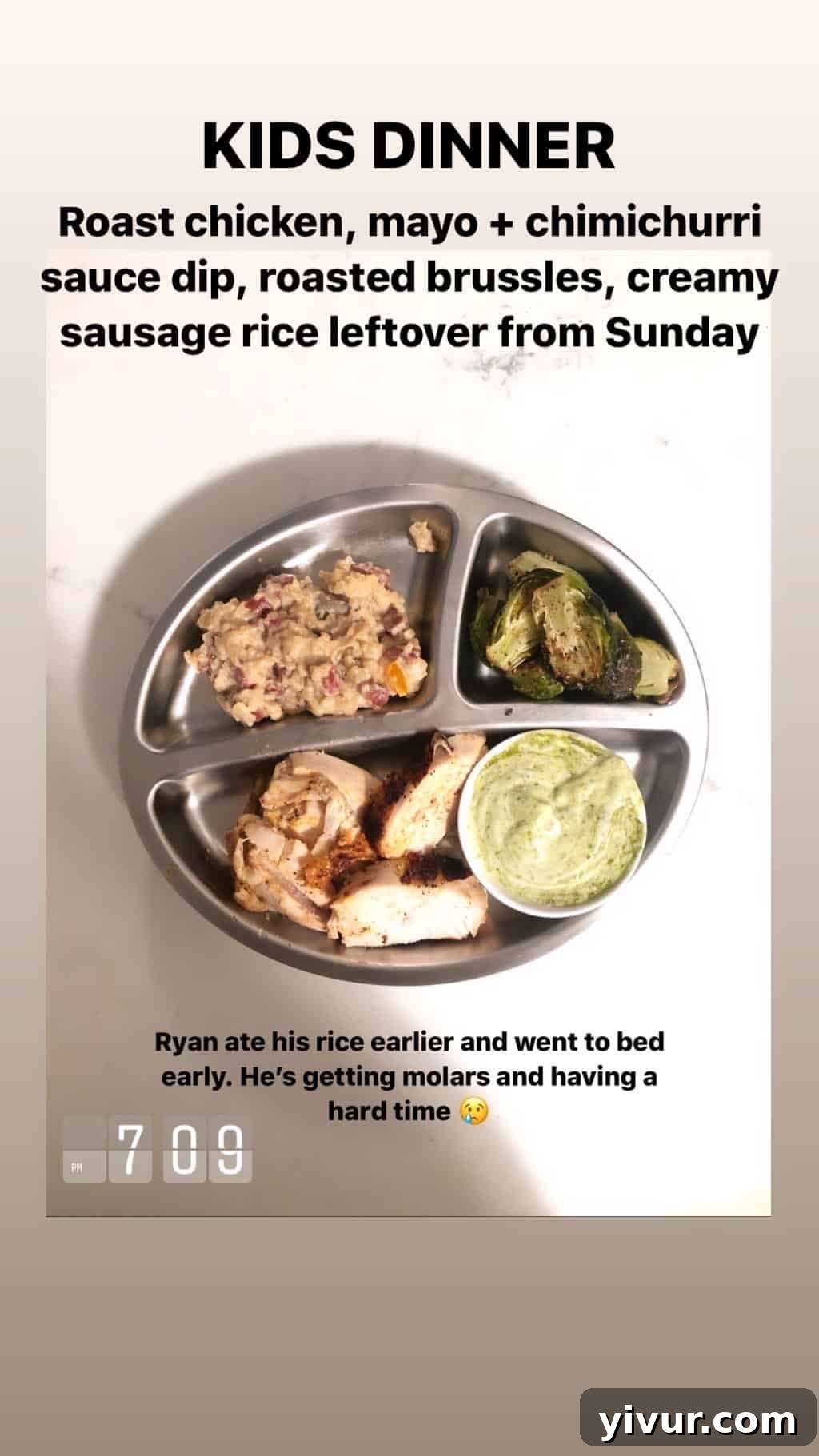
Dinners mirror our family meals, often including a lean protein (chicken, fish, beans, or lentils), a generous serving of vegetables, and a healthy carbohydrate source like sweet potatoes, brown rice, or quinoa. We aim for colorful plates, knowing that a diverse range of produce offers a broader spectrum of nutrients. Sauces and seasonings are kept mild and child-friendly, gradually introducing new flavors as their palates develop. This month-by-month documentation serves as a transparent look into how we prioritize nutrition without sacrificing flavor or enjoyment.


















Key Takeaways for Promoting Healthy Eating Habits
As you’ve seen from our October food diary, providing healthy and varied meals for children doesn’t have to be overly complicated. Our approach focuses on making small, consistent choices that add up to significant nutritional benefits over time. It’s about building a foundation of good eating habits that can last a lifetime, rather than adhering to rigid, unsustainable diets.
Here are a few key principles to remember from our journey:
- Incorporate Variety: Exposing children to a wide range of fruits, vegetables, proteins, and whole grains helps ensure they receive a broad spectrum of nutrients and encourages adventurous eating.
- Make Smart Substitutions: Simple swaps like whole-grain bread for white, avocado oil chips for regular, or adding extra beans and rice, can significantly boost the nutritional value of meals without drastically changing familiar flavors.
- Lead by Example: Children are most likely to embrace healthy foods when they see their parents enjoying them too. Share meals, discuss ingredients, and make eating together a positive experience.
- Listen to Their Cues: Trust your children’s appetites. Offer balanced meals and snacks, but allow them to decide how much they eat. This teaches them to recognize their body’s hunger and fullness signals.
- Keep it Simple: You don’t need gourmet meals every day. Focus on fresh, whole ingredients and simple preparation methods. Healthy eating can be both delicious and easy to achieve.
We hope this detailed look into our kids’ meals provides you with valuable inspiration and practical ideas for feeding your own family. Remember, every small step towards healthier eating is a win. We encourage you to experiment, find what works best for your household, and most importantly, enjoy the journey of nurturing healthy, happy eaters!