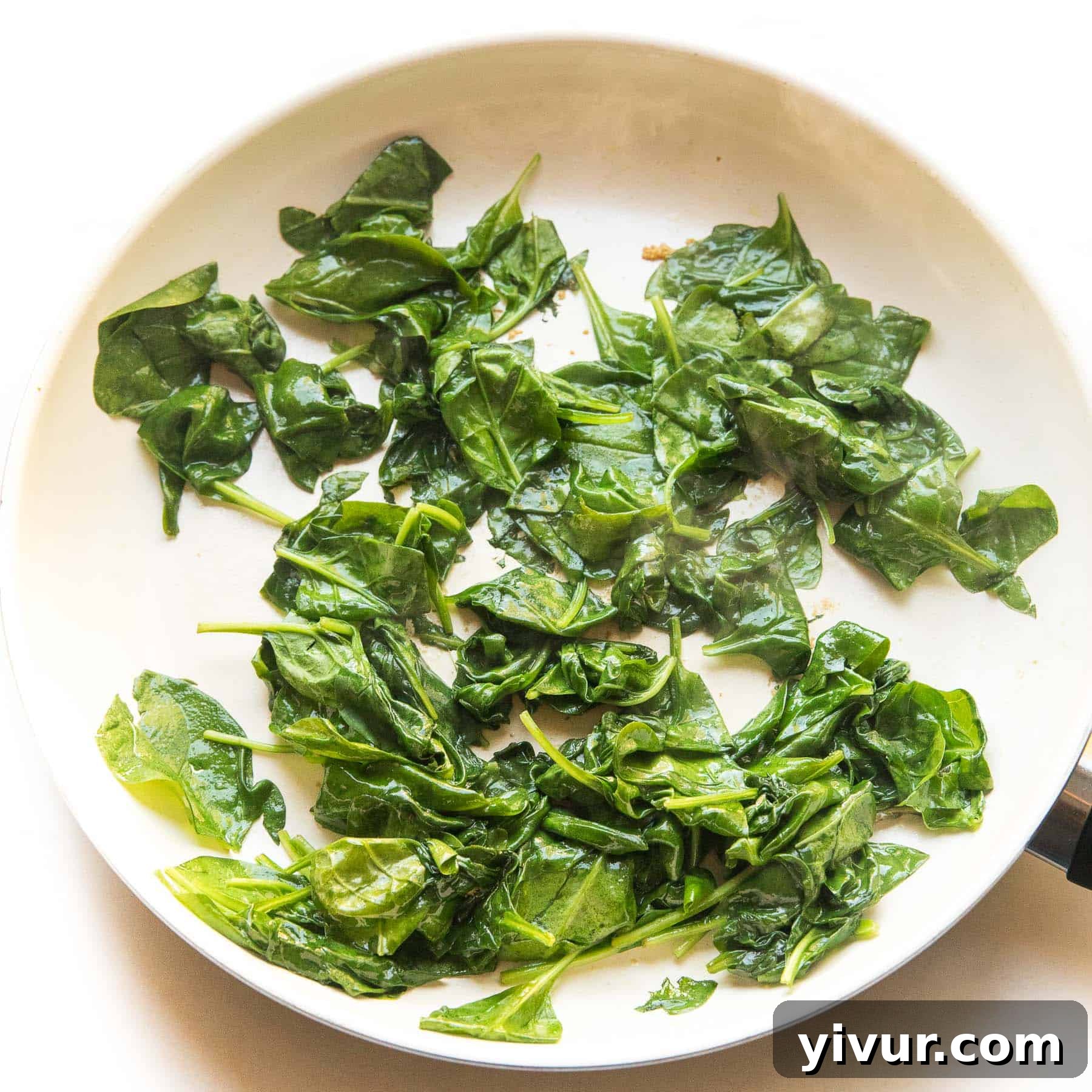
Sautéed spinach is a culinary chameleon, capable of transforming from a simple side into a star dish, especially when cooked to tender, non-soggy perfection. This Whole30 and Keto-friendly recipe unlocks the secrets to achieving just that, ensuring your spinach is bursting with flavor and retaining its vibrant texture. Say goodbye to overly wilted, watery greens and hello to a truly delicious and nutritious addition to any meal. This guide will walk you through the essential techniques to master this often-misunderstood vegetable, making it a staple in your healthy eating journey.
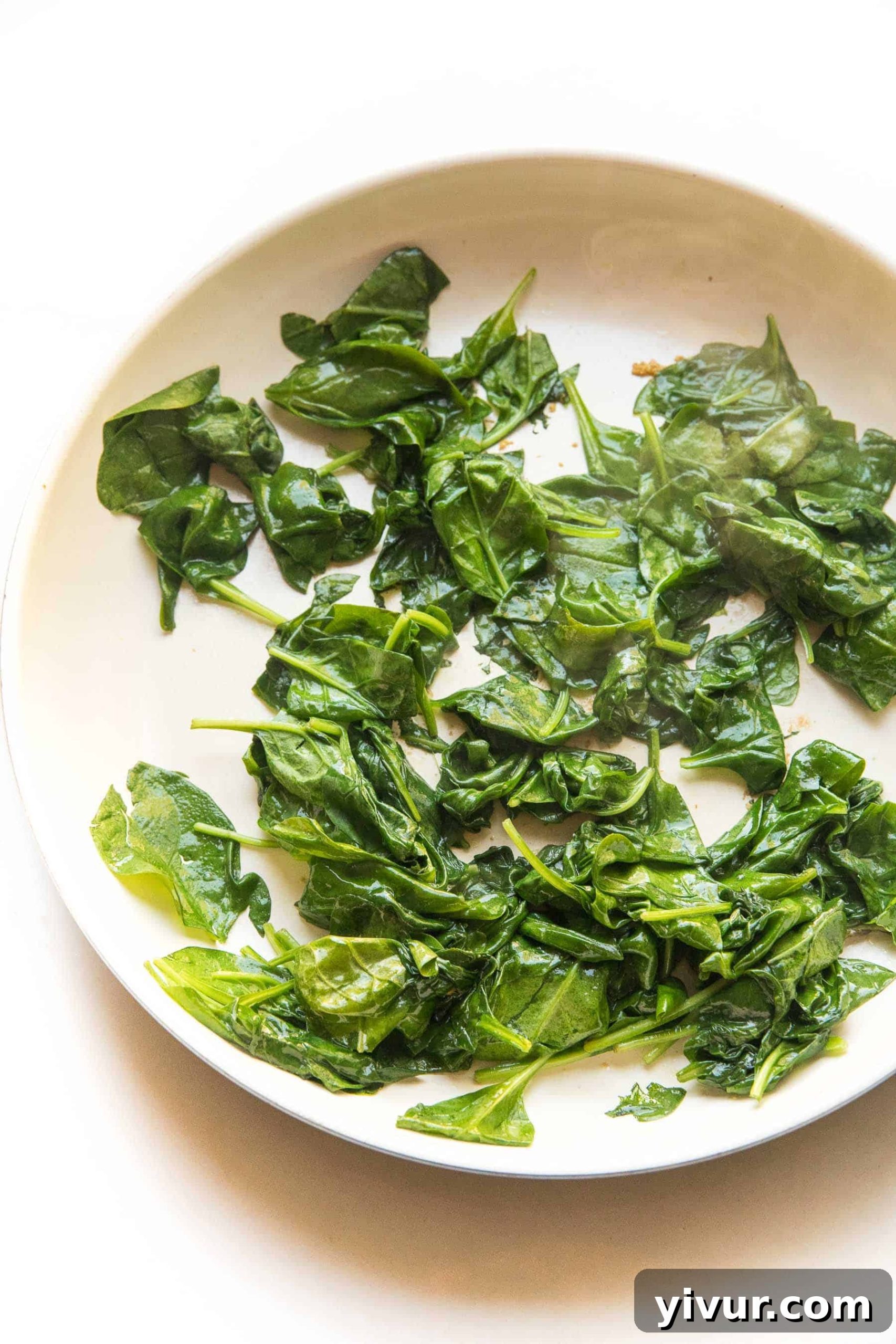
Whole30 + Keto Sautéed Spinach: The Ultimate Guide to Perfectly Tender Greens
Spinach is lauded worldwide as a nutritional powerhouse, packed with an abundance of vitamins, minerals, and antioxidants essential for good health. When prepared correctly, it becomes an exceptionally versatile and incredibly delicious side dish, perfectly fitting into strict dietary plans like Whole30 and Keto. The common pitfall, however, is often overcooking, which results in a soggy, unappetizing mess. This comprehensive guide is dedicated to teaching you how to sauté spinach like a pro, ensuring every bite is tender, flavorful, and never watery.
Forget everything you thought you knew about cooking spinach. We’re about to reveal the tried-and-true methods that guarantee success, turning a humble bunch of greens into an elegant and healthy culinary triumph. Our focus is on maintaining its vibrant color, delicate texture, and concentrated flavor, all while adhering to the principles of clean eating.
Why Sautéed Spinach Deserves a Spot on Your Plate
Beyond its culinary appeal, spinach offers a remarkable array of health benefits. It’s an excellent source of Vitamin K, vital for bone health and blood clotting, and Vitamin A, crucial for vision and immune function. You’ll also find a good dose of Vitamin C, folate, iron, and magnesium within its leafy embrace. As a low-calorie, nutrient-dense vegetable, spinach supports overall wellness, aids in digestion due to its fiber content, and provides powerful antioxidants that combat oxidative stress.
For those following specific dietary paths, sautéed spinach is a dream come true. Its naturally low carbohydrate count makes it an ideal choice for ketogenic lifestyles, while its unprocessed, whole-food nature aligns perfectly with Whole30 principles. Furthermore, it’s inherently paleo, gluten-free, grain-free, dairy-free, and sugar-free, making it accessible and beneficial for almost everyone seeking a clean eating approach. When you learn to cook it properly, it’s not just healthy; it’s genuinely enjoyable.
The Whole30 and Keto Connection: Guilt-Free Greens
Navigating the world of dietary restrictions can sometimes feel daunting, but sautéed spinach is one ingredient that consistently fits the bill across multiple healthy eating plans. This recipe is specifically designed to be compliant with both Whole30 and Keto, making it a reliable and delicious option for those committed to these lifestyles.
Whole30 Approved: Embrace Real Food
The Whole30 program emphasizes consuming unprocessed, real foods. This means eliminating added sugars, grains, legumes, dairy, and alcohol for 30 days to reset your body and evaluate your relationship with food. Our sautéed spinach recipe perfectly aligns with these guidelines. By using a healthy fat like ghee, coconut oil, or avocado oil, and seasoning simply with salt, you’re enjoying a dish that is 100% Whole30 compliant. It’s a testament to how simple, whole ingredients can create truly satisfying and nourishing meals without any compromises.
Keto Low-Carb Powerhouse: Fueling Ketosis
The ketogenic diet focuses on drastically reducing carbohydrate intake and replacing it with fat, leading your body into a metabolic state called ketosis. Spinach is an absolute superstar in the keto world due to its incredibly low net carb count and high nutritional value. One cup of raw spinach contains less than a gram of net carbs, making it a fantastic vegetable to consume in larger quantities without fear of disrupting ketosis. When sautéed in a healthy fat, it becomes an even more fat-dense and energy-rich side, supporting your macro goals and providing essential micronutrients. Our recipe ensures that your sautéed spinach remains a perfect low-carb accompaniment to any keto meal.
Unlocking the Secrets to Tender, Flavorful, Non-Soggy Spinach
The difference between mediocre, watery spinach and perfectly tender, vibrant greens often comes down to a few critical techniques. These aren’t complicated; they simply require a little attention to detail and understanding of how spinach behaves under heat. Master these four secrets, and you’ll consistently produce sautéed spinach that delights the palate.
Secret 1: Embrace the Nonstick Skillet
Spinach is a delicate leafy green, and the type of pan you use can significantly impact the outcome. A high-quality nonstick skillet is your best friend here. Unlike a rough cast iron pan, which can cling to delicate leaves and heat unevenly, a nonstick surface allows the spinach to glide freely, ensuring even cooking and preventing sticking. This also helps maintain its integrity, preventing tears and creating a more visually appealing dish. I highly recommend investing in a good quality, toxic-free ceramic coated skillet for the best results. The even heat distribution and smooth surface are essential for quickly wilting spinach without burning or sticking.
Secret 2: Timing is Everything – Salt AFTER Cooking
This is perhaps the most crucial secret to avoiding soggy spinach. Salt is a powerful dehydrating agent. If you add salt to spinach while it’s cooking in the pan, it will draw out the moisture from the leaves prematurely. This excess water then steams the spinach rather than sautés it, leading to that undesirable watery, flabby texture. Instead, wait until the spinach is fully cooked and transferred to your plate before seasoning it with salt. This simple change preserves the spinach’s natural moisture content, keeping it tender and flavorful, not waterlogged.
Secret 3: The Art of “Just Wilted”: Don’t Overcook
Spinach cooks incredibly fast. Many people make the mistake of leaving it in the pan until it looks completely done and soft. However, like pasta cooked al dente, spinach benefits from being pulled off the heat just as it begins to wilt. The residual heat from the pan and the spinach itself will continue to cook it for a minute or two after it’s removed. By taking it off slightly early, you achieve that perfect tender-crisp texture, where it’s soft but still has a slight bite, full of fresh flavor without being mushy. Keep a close eye on it – this usually takes no more than a minute of active cooking.
Secret 4: Give Your Greens Room to Breathe: Don’t Overcrowd the Pan
When you crowd the pan with too much spinach, you drastically lower the pan’s temperature. This prevents the spinach from searing and quickly wilting, causing it to steam in its own moisture instead. Steamed spinach is often bland, watery, and lacks that vibrant sautéed texture. For optimal results, ensure there’s enough space for all the spinach to have direct contact with the hot surface of the pan. If you’re cooking for more than two servings, it’s always best to work in batches. This allows each portion to cook quickly and evenly, maintaining the desired texture and flavor profile.
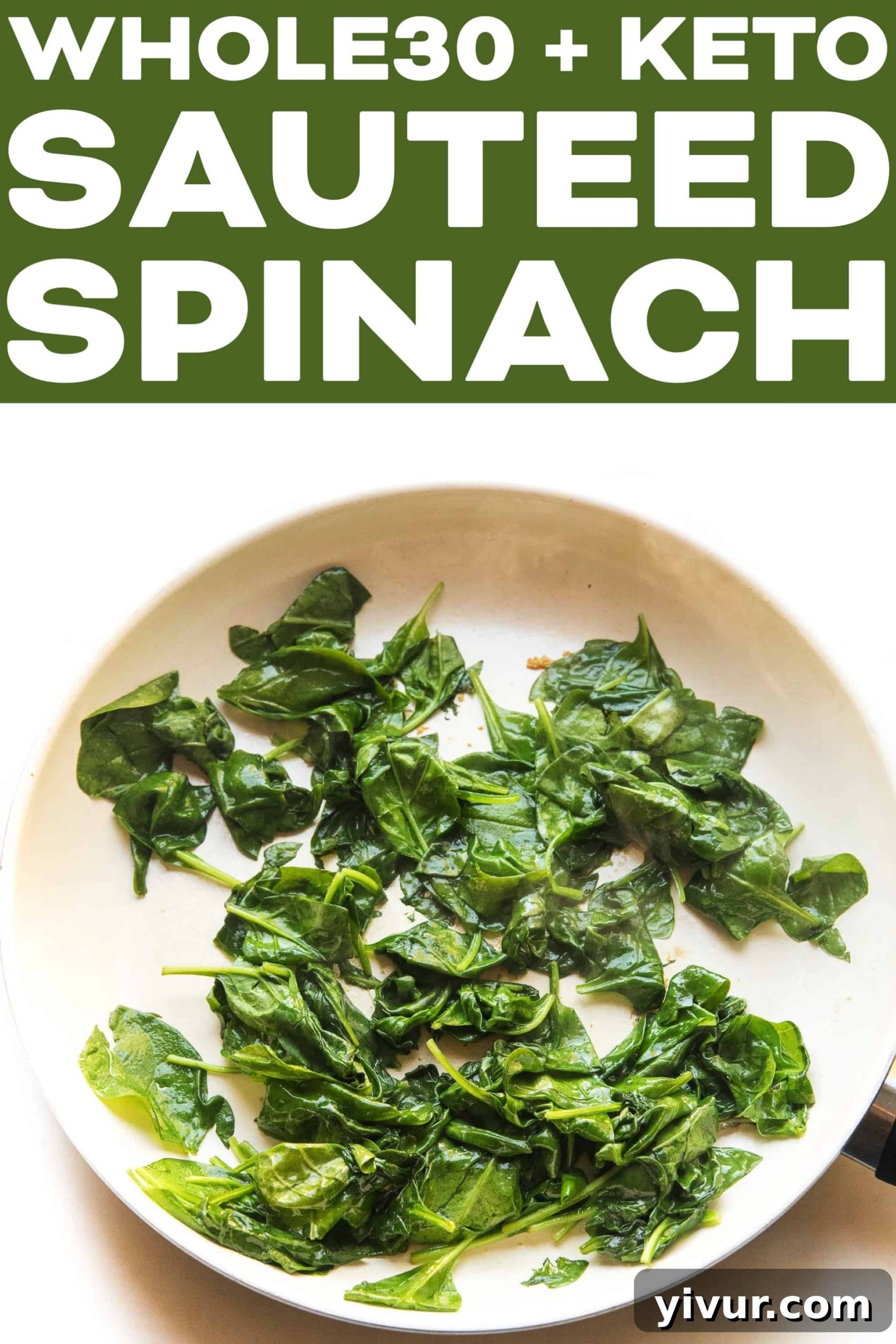
Elevate Your Spinach: Flavor Variations & Serving Suggestions
While perfectly sautéed spinach is delicious on its own, there are many ways to enhance its flavor profile and customize it to your liking. Experiment with these simple additions to keep your meals exciting and diverse.
Delicious Add-Ins:
- Citrus Brightness: A squeeze of fresh lemon juice or a sprinkle of lemon zest added at the very end brightens the flavor beautifully.
- Garlic Lover’s Delight: While our recipe includes garlic, you can increase the amount or add thinly sliced garlic cloves for a more intense aromatic experience.
- A Hint of Heat: A pinch of red pepper flakes sautéed with the garlic can add a subtle kick.
- Herbal Freshness: Fresh herbs like thyme, oregano, or a touch of chopped parsley stirred in at the end can elevate the dish.
- Nutty Crunch: Toasted slivered almonds or pine nuts can add a delightful texture and nutty flavor (ensure nuts are Whole30/Keto compliant).
- Savory Depth: A splash of coconut aminos (Whole30/Keto compliant soy sauce alternative) can add umami if you desire a savory depth.
- Onions or Shallots: Thinly sliced onions or shallots can be sautéed with the garlic for added sweetness and complexity.
Perfect Pairings:
Sautéed spinach is an incredibly versatile side dish that complements a wide array of main courses. Its light, earthy flavor pairs well with:
- Proteins: Grilled chicken, baked salmon, seared steak, pan-fried cod, or roasted turkey.
- Eggs: Serve it alongside scrambled eggs, an omelet, or a frittata for a healthy breakfast or brunch.
- Roasts: It’s a classic accompaniment to roasted chicken or beef.
- Soups & Stews: Stir it into a hearty soup or stew at the last minute for added nutrition and color.
- Pasta Alternatives: Combine it with zucchini noodles or cauliflower rice for a low-carb “pasta” dish.
The Ultimate Whole30 & Keto Sautéed Spinach Recipe
Ready to put these secrets into practice? Here’s the precise recipe to create the most tender, non-soggy sautéed spinach you’ve ever tasted. It’s quick, easy, and yields consistently delicious results.
Whole30 + Keto Sauteed Spinach Recipe
The secret to tender spinach that isn’t soggy!
Servings: 2
Cook Time: 5 minutes
Total Time: 5 minutes
Ingredients:
- 1 tablespoon ghee, or coconut oil/avocado oil/olive oil
- 1 clove of garlic, grated or finely minced (optional)
- 3 cups spinach
- Salt, to taste
Instructions:
- Heat a large nonstick skillet over medium heat for 3 minutes until adequately warm. This ensures the pan is hot enough for proper sautéing.
- Add the ghee (or chosen oil) and the grated or minced garlic to the hot pan. Sauté for approximately 30 seconds, stirring continuously, until the garlic becomes fragrant. Be careful not to let it brown, as burnt garlic can taste bitter.
- Add all the spinach to the skillet. Using tongs, stir the spinach constantly, tossing it to ensure it wilts evenly. Cook for about 1 minute, or until the spinach has just softened but is still bright green and has some body. Remember, the goal is “just wilted,” not completely limp.
- Immediately transfer the cooked spinach from the skillet to a serving plate. Once on the plate, season generously with salt according to your preference. Salting after cooking is key to preventing soggy spinach.
- If you need to prepare more than 2 servings, always work in batches. Overcrowding the pan will lead to steaming instead of sautéing, resulting in watery spinach.
Nutrition Facts (per serving):
- Calories: 61
- Total Carbs: 1.6g
- Protein: 1.3g
- Fat: 5.9g
- Fiber: 1g
- Net Carbs: 1g
Dietary Information:
- Cuisine: American
- Course: Side Dish
- Author: Natalie
Did you make this recipe? We’d love to hear your thoughts! Please leave a comment and rate this recipe.
Frequently Asked Questions (FAQ)
Here are answers to some common questions about cooking and preparing sautéed spinach, ensuring you have all the information you need for success.
Can I use frozen spinach for this recipe?
Yes, you can use frozen spinach, but it requires a slightly different preparation to avoid excessive moisture. Thaw the frozen spinach completely, then squeeze out as much water as possible using a clean kitchen towel or paper towels. You want it as dry as possible. Once thoroughly drained, you can proceed with the recipe, though the cooking time might be slightly shorter. Keep in mind that fresh spinach will always yield the best texture and flavor.
How do I store leftover sautéed spinach?
Leftover sautéed spinach can be stored in an airtight container in the refrigerator for up to 3-4 days. While it won’t retain the exact same “al dente” texture as freshly made, it will still be delicious and nutritious. To reheat, gently warm it in a skillet over low heat or in the microwave until just heated through.
Can I meal prep sautéed spinach?
Sautéed spinach is a good candidate for meal prep. Cook a larger batch following the instructions, then divide it into individual portions to accompany your planned meals for the week. Store it in airtight containers. While the texture will soften slightly over time, the flavor remains excellent, making it a convenient way to ensure you always have healthy greens on hand.
What’s the best way to wash spinach?
Even pre-washed spinach can benefit from an extra rinse. Place the spinach in a large bowl of cold water, swish it around, and let it sit for a few minutes to allow any grit or sand to settle at the bottom. Lift the spinach out of the water, leaving the grit behind. Repeat if necessary. For best results, use a salad spinner to remove as much excess water as possible before cooking. This helps prevent steaming and encourages proper sautéing.
Conclusion: Master Your Greens for a Healthier You
Sautéed spinach is more than just a side dish; it’s a testament to how simple ingredients, when prepared with attention and care, can become incredibly satisfying and healthy. By following these four crucial secrets—using a nonstick pan, salting after cooking, avoiding overcooking, and not overcrowding the pan—you are guaranteed to achieve perfectly tender, flavorful, and non-soggy spinach every time. This Whole30 and Keto-friendly recipe is not only easy to make but also packed with nutrients, making it an ideal addition to almost any meal. Embrace these techniques, and transform your everyday greens into a culinary delight that supports your health and tantalizes your taste buds. Happy cooking!
This post contains affiliate links, thanks for the love!