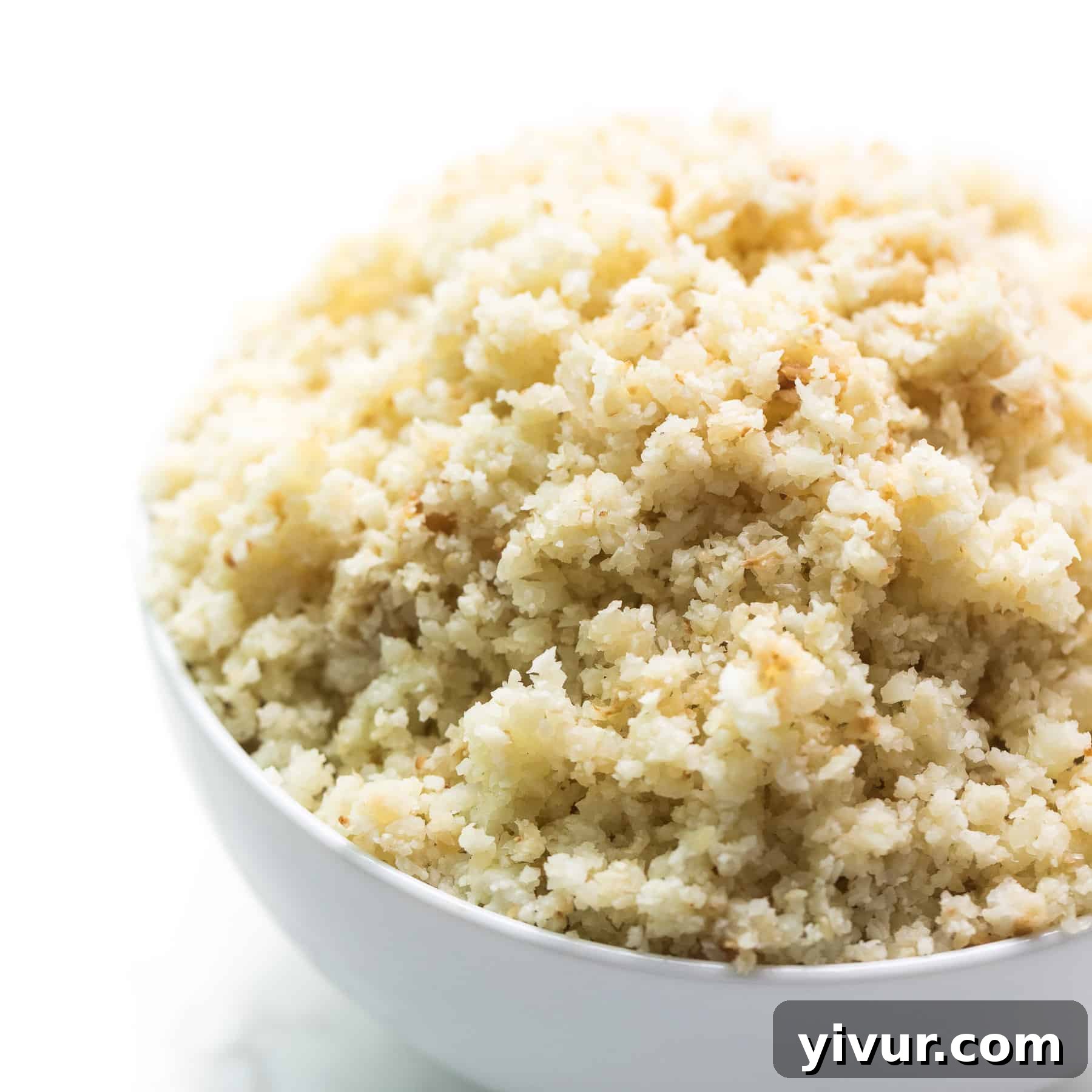
Embark on a culinary journey to master the art of homemade cauliflower rice – a versatile, delicious, and incredibly healthy side dish that perfectly fits Paleo, Whole30, Keto, and clean eating lifestyles. Say goodbye to bland, mushy store-bought versions and hello to fluffy, flavorful perfection! This recipe is naturally gluten-free, grain-free, dairy-free, sugar-free, low-carb, and vegan.
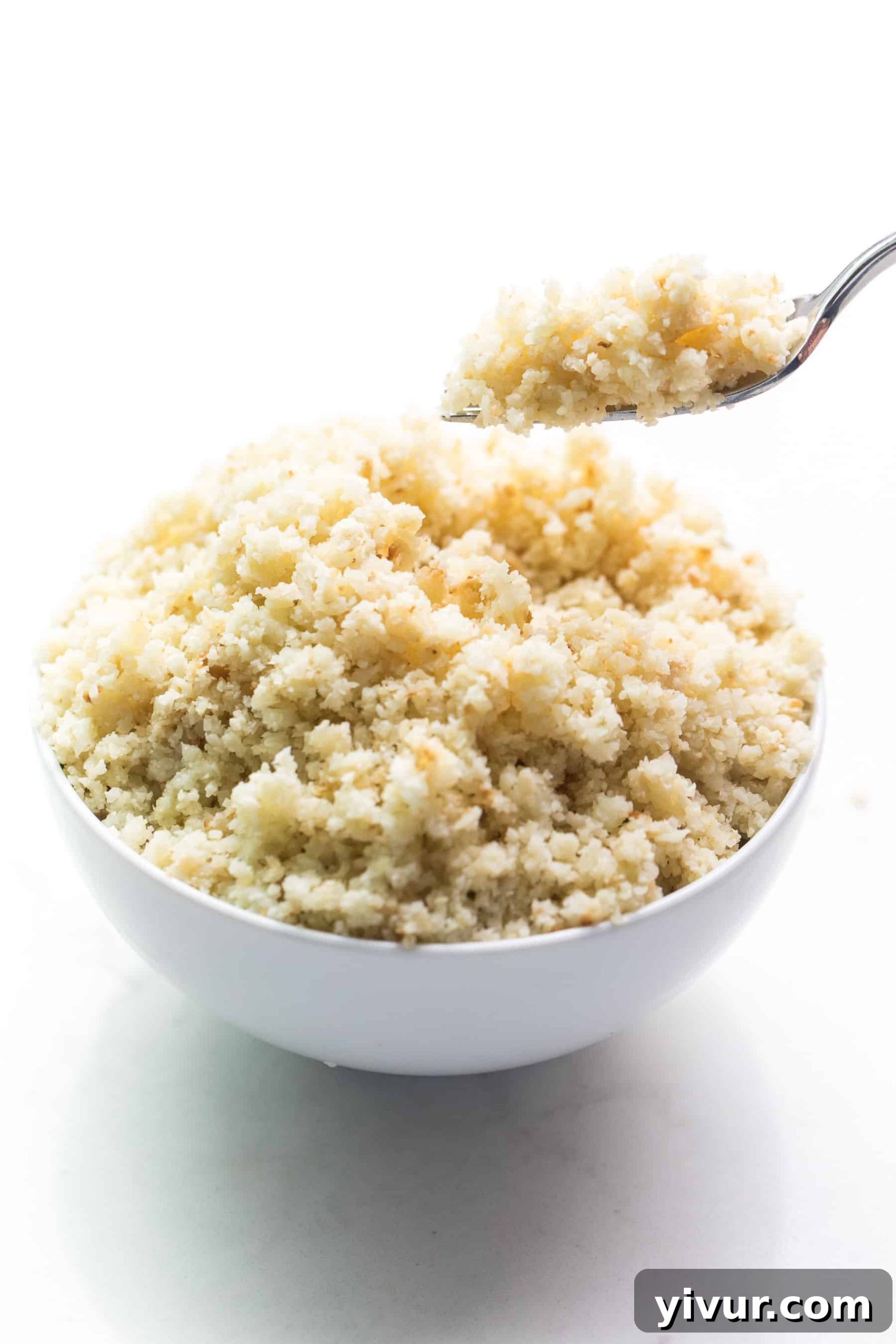
The Ultimate Guide to Perfect Homemade Cauliflower Rice: A Healthy Kitchen Staple
For those committed to a nutritious and delicious diet, finding truly satisfying and compliant side dishes can often feel like a quest. Look no further! Homemade cauliflower rice is a revelation, a transformative culinary experience that has become a non-negotiable staple in my own home, gracing our dinner table at least twice a week. It’s so remarkably good, you’ll genuinely question if you’re eating traditional rice.
My journey with cauliflower rice began, like many, with the convenience of pre-chopped bags from health-focused grocery stores. However, these initial encounters were, to put it mildly, underwhelming. The texture was consistently too soft, often mushy, completely lacking the delightful “al dente” bite that makes rice so appealing. There was simply no pretending it was a worthy substitute.
Everything changed the moment I started preparing it myself with the aid of a food processor. This simple shift made an enormous difference! Suddenly, the cauliflower rice was light, fluffy, and retained a subtle chewiness, much like perfectly cooked grain. Beyond the dramatic improvement in quality, making it from scratch proved to be significantly more cost-effective, offering a double win for health and budget.
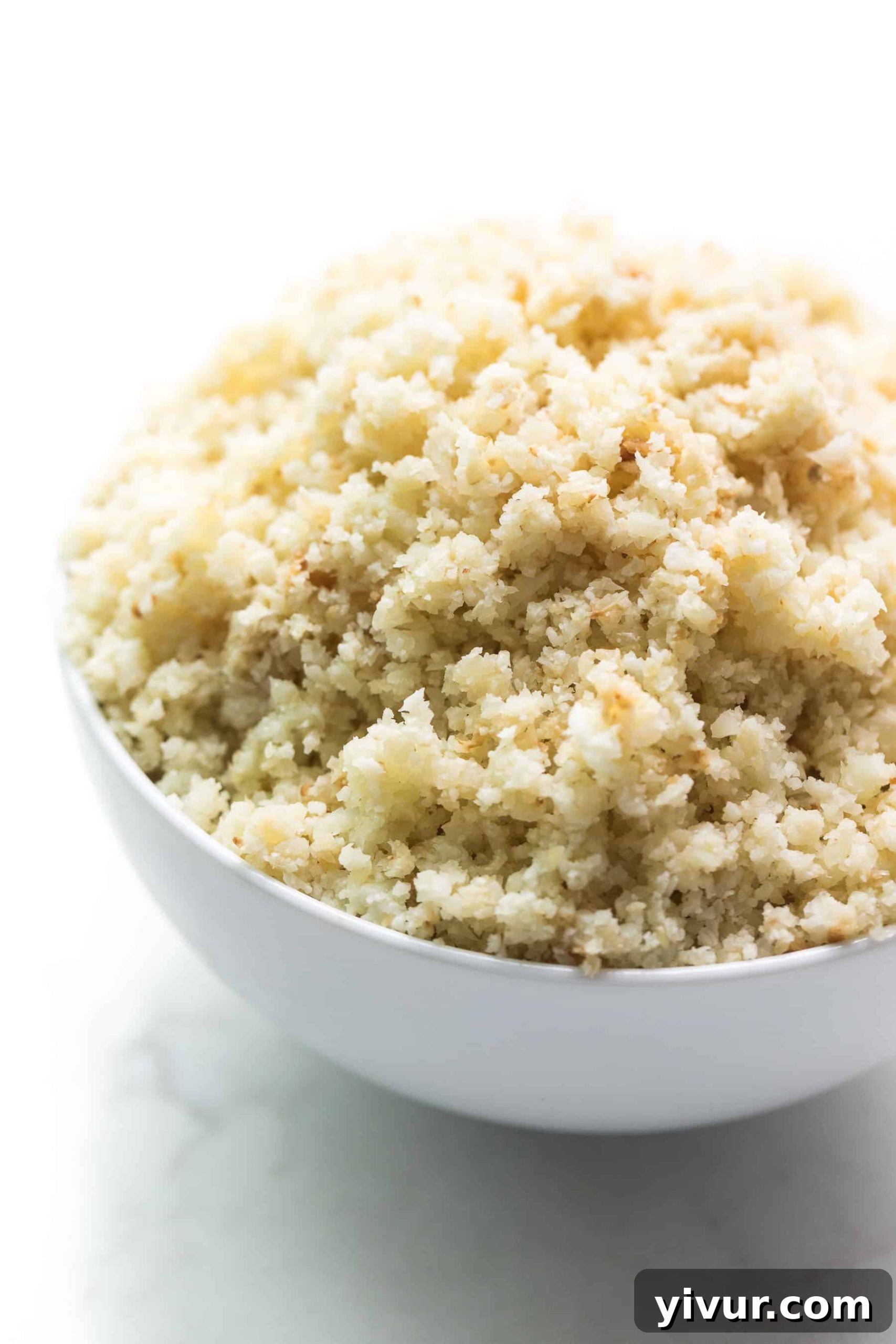
Why Freshly Made Cauliflower Rice Outshines Store-Bought
The stark contrast between homemade and store-bought cauliflower rice isn’t just a matter of preference; it’s rooted in fundamental differences in freshness and moisture content. When cauliflower is pre-chopped and packaged, it begins to age and oxidize. This process increases its moisture content, a critical factor that leads to the dreaded mushy texture during cooking. Additionally, this extended exposure can result in a less pleasant, slightly “stinkier” aroma, diminishing the overall appeal.
By preparing cauliflower rice at home, you harness the power of freshness. Chopping the florets yourself and cooking them immediately prevents any excess water from accumulating. This crucial step ensures that when your riced cauliflower hits a hot pan, it sautés beautifully, allowing moisture to evaporate and edges to caramelize. The result? A consistently perfect batch of cauliflower rice every single time – light, fluffy, and with that coveted al dente bite.
The Powerhouse Health Benefits of This Low-Carb Alternative
Beyond its remarkable resemblance to traditional rice, homemade cauliflower rice is a nutritional champion, making it an indispensable component of various health-conscious diets:
- Keto & Low Carb: With significantly fewer carbohydrates than grains, it’s an ideal choice for maintaining ketosis and managing blood sugar levels.
- Paleo & Whole30 Compliant: Naturally free from grains, legumes, dairy, and added sugars, it seamlessly fits into strict Paleo and Whole30 eating plans.
- Gluten-Free & Grain-Free: A safe and delicious option for individuals with celiac disease, gluten sensitivity, or those choosing to avoid grains for other health reasons.
- Dairy-Free & Sugar-Free: This recipe focuses on the pure, inherent goodness of cauliflower, keeping it free from common allergens and refined sugars.
- Vegan & Plant-Based: An excellent, nutrient-dense vegetable base for any vegan or plant-forward meal.
- Clean Eating & Real Food: Made from a single, unprocessed ingredient, it perfectly aligns with the principles of clean eating, offering wholesome nourishment.
Cauliflower itself is a nutrient powerhouse, rich in Vitamin C, Vitamin K, folate, and dietary fiber. Incorporating cauliflower rice into your meals is an effortless and delicious way to boost your daily vegetable intake, support digestive health, and enjoy a satisfying meal without heavy carbs.
The Art of Ricing Cauliflower: Your Food Processor is Key
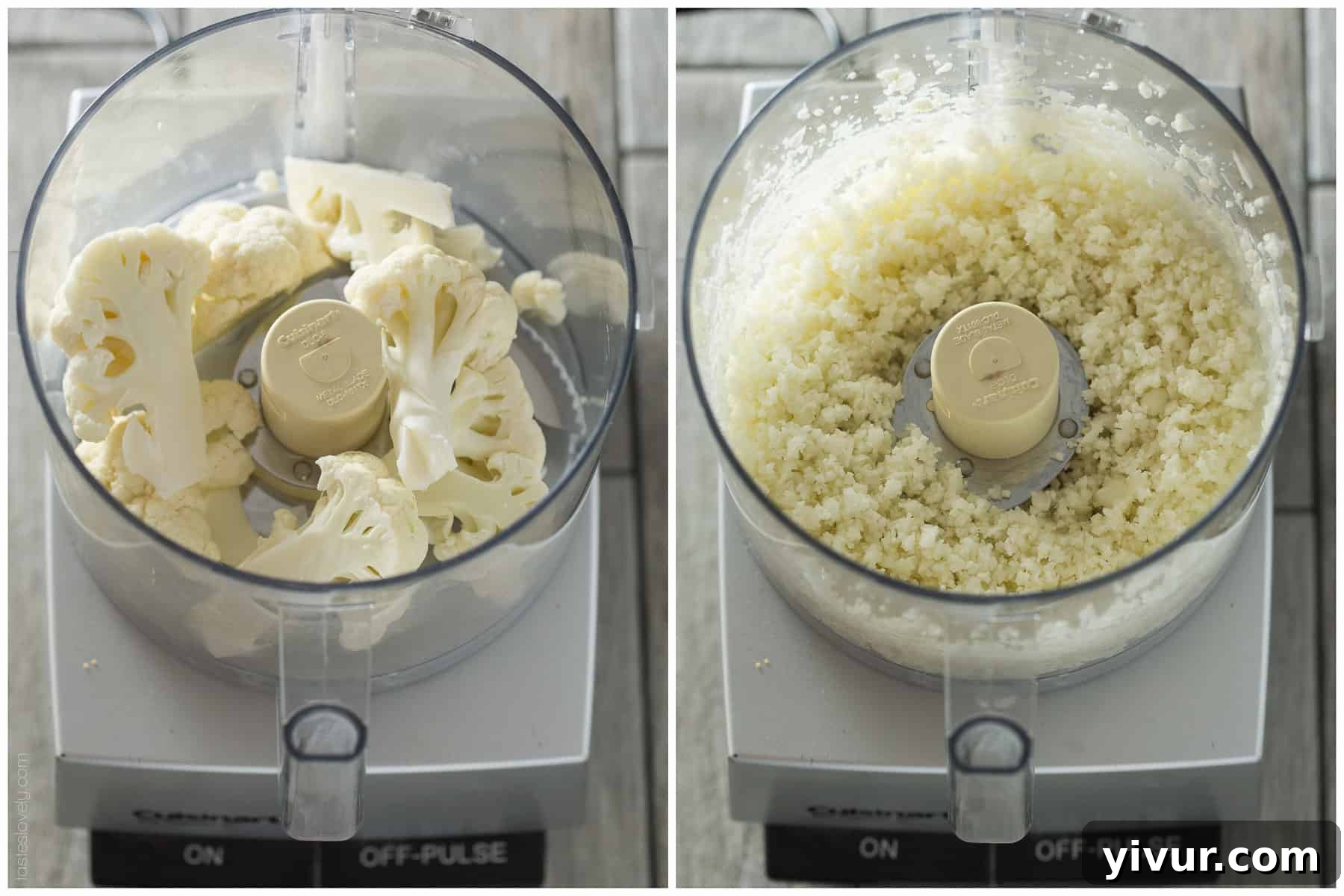
The food processor is undeniably the hero of this recipe, transforming a humble head of cauliflower into a fluffy, rice-like texture with minimal effort and in mere minutes. This is the simplest and most efficient method to achieve consistent results.
Selecting and Preparing Your Cauliflower
Begin by selecting a fresh, firm head of cauliflower with tight, white florets and no signs of discoloration. Remove the tough outer leaves and the core. Then, break or cut the cauliflower into florets that are roughly uniform in size. Aim for pieces that can comfortably fit into your food processor, ensuring they can be processed evenly.
The Precision of the Food Processor Technique
The absolute golden rule for perfect cauliflower rice is to avoid overloading your food processor. Attempting to rice an entire head at once will inevitably lead to uneven results – some pieces will turn to mush while others remain stubbornly large. Instead, add just enough cauliflower florets to create a single layer at the bottom of the food processor bowl. This allows the S-blade to chop uniformly.
Pulse the cauliflower in short, controlled bursts. Typically, 10 to 15 pulses are sufficient, but it’s essential to monitor the texture carefully. You’re looking for pieces that resemble grains of rice, not a fine paste. Once a batch achieves the desired consistency, transfer it to a large mixing bowl and continue with the remaining florets until all your cauliflower is perfectly riced.
The Superiority of Freshly Riced Cauliflower
While the idea of meal prepping by ricing your cauliflower earlier in the week might be appealing for convenience, I’ve consistently found that ricing it just minutes before cooking yields a vastly superior result. Pre-riced cauliflower, even when stored meticulously, tends to soften and lose some of its desired light and fluffy texture, leading to a less satisfying final product. The minimal five minutes required for fresh ricing right before you cook is a small investment that truly pays off in the quality of your dish.
For those without a food processor, a simple box grater (using the large holes) can be a suitable alternative. It requires a bit more manual effort, but it gets the job done and still provides a fresh, homemade product far superior to store-bought options.
Achieving Golden Perfection: Cooking Your Cauliflower Rice
Once your cauliflower is perfectly riced, the cooking phase is rapid and straightforward, transforming it into a tender-crisp, flavorful side dish that complements almost any meal.
Step-by-Step Cooking Instructions:
- Preheat Your Skillet: Place a large skillet or frying pan over medium-high heat. Using a generously sized pan is crucial, as it provides ample surface area for the cauliflower to cook evenly and for moisture to evaporate, preventing steaming.
- Add Healthy Fat: Drizzle one tablespoon of high-quality olive oil (or avocado oil for a Whole30/Paleo-compliant option) into the hot pan. Allow the oil to shimmer slightly, indicating it’s ready for the cauliflower. This fat is essential for developing those delicious, slightly browned flecks and adding a rich mouthfeel.
- Season to Taste: Add your freshly riced cauliflower to the hot skillet. Immediately season generously with salt and freshly ground black pepper. Don’t be shy here; proper seasoning is key to enhancing the cauliflower’s natural flavors. Feel free to explore other seasonings like garlic powder, onion powder, a pinch of turmeric, or your favorite dried herbs.
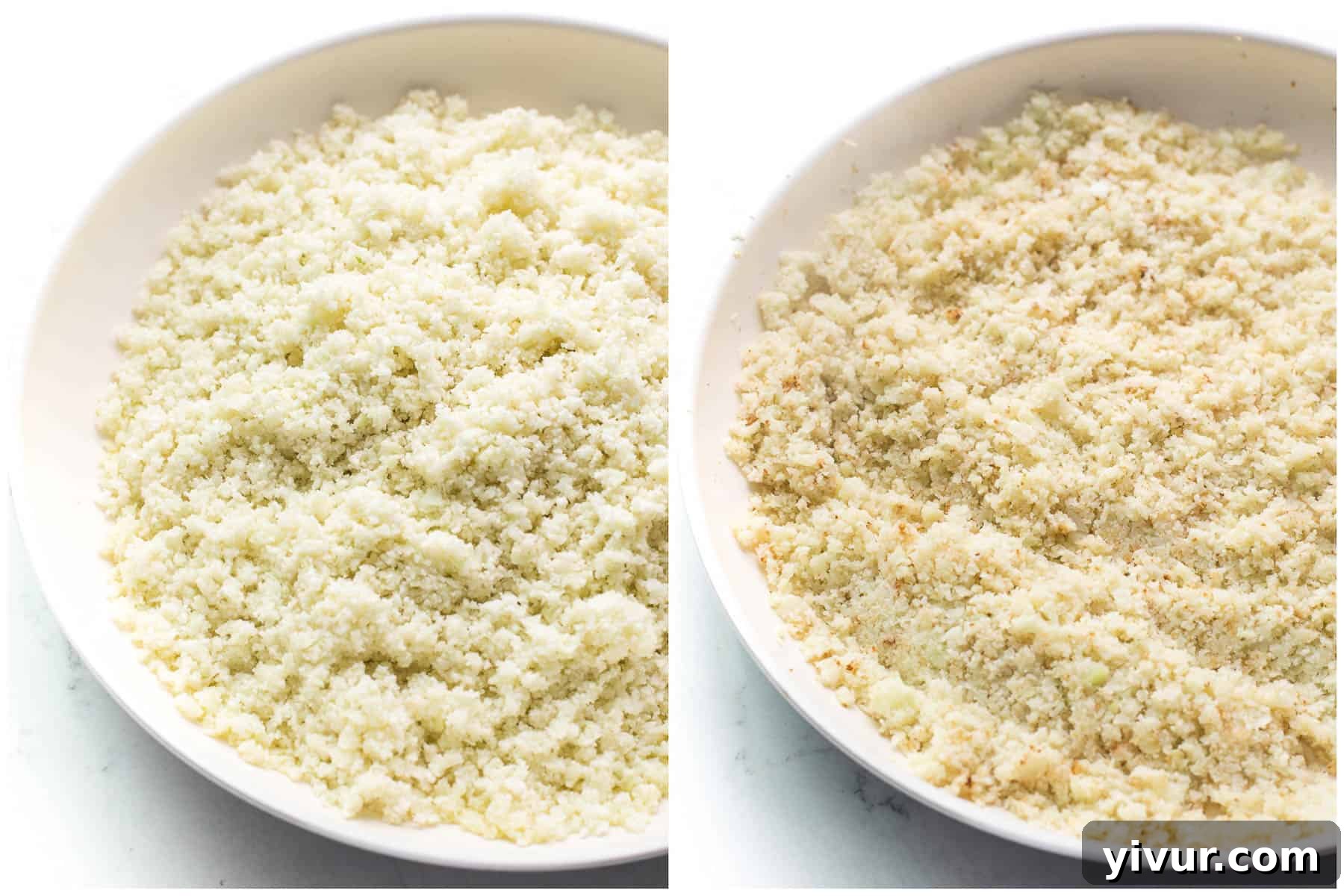
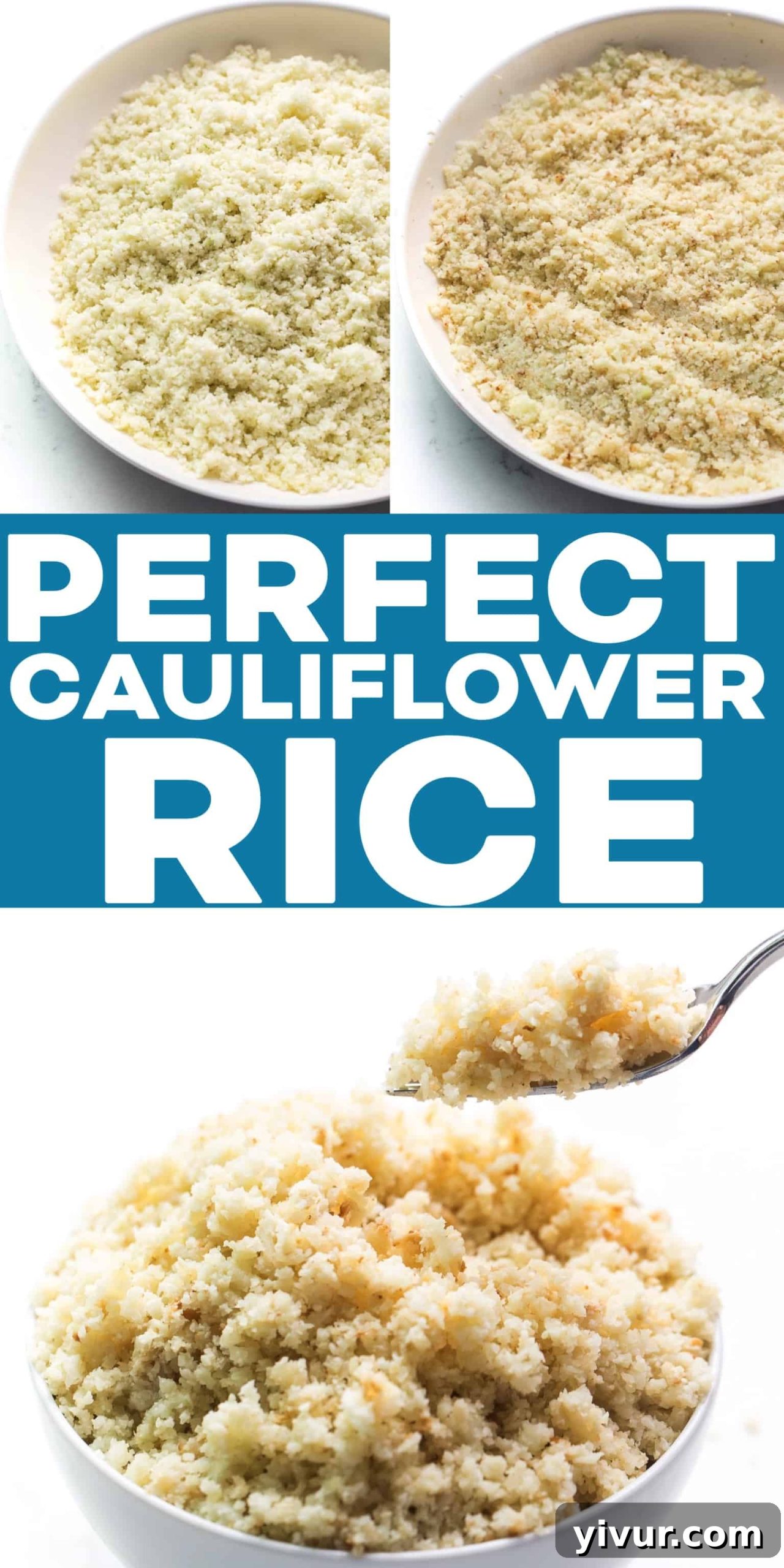
- Sauté and Stir Frequently: Stir the cauliflower rice every few seconds. This constant movement ensures even cooking and prevents sticking or burning. The goal is to soften the cauliflower while allowing some pieces to develop a beautiful, light brown caramelization on their edges. This browning is what imparts that delightful “al dente” texture and depth of flavor, making it remarkably similar to traditional rice.
- Monitor Cook Time: The entire cooking process is surprisingly quick, typically taking only 7 to 10 minutes. Keep a close eye on the cauliflower and taste for doneness. It should be tender but still have a slight, pleasant bite – never mushy or watery.
- Final Flavor Check: Before serving, give it one last taste test and adjust the salt and pepper if necessary.
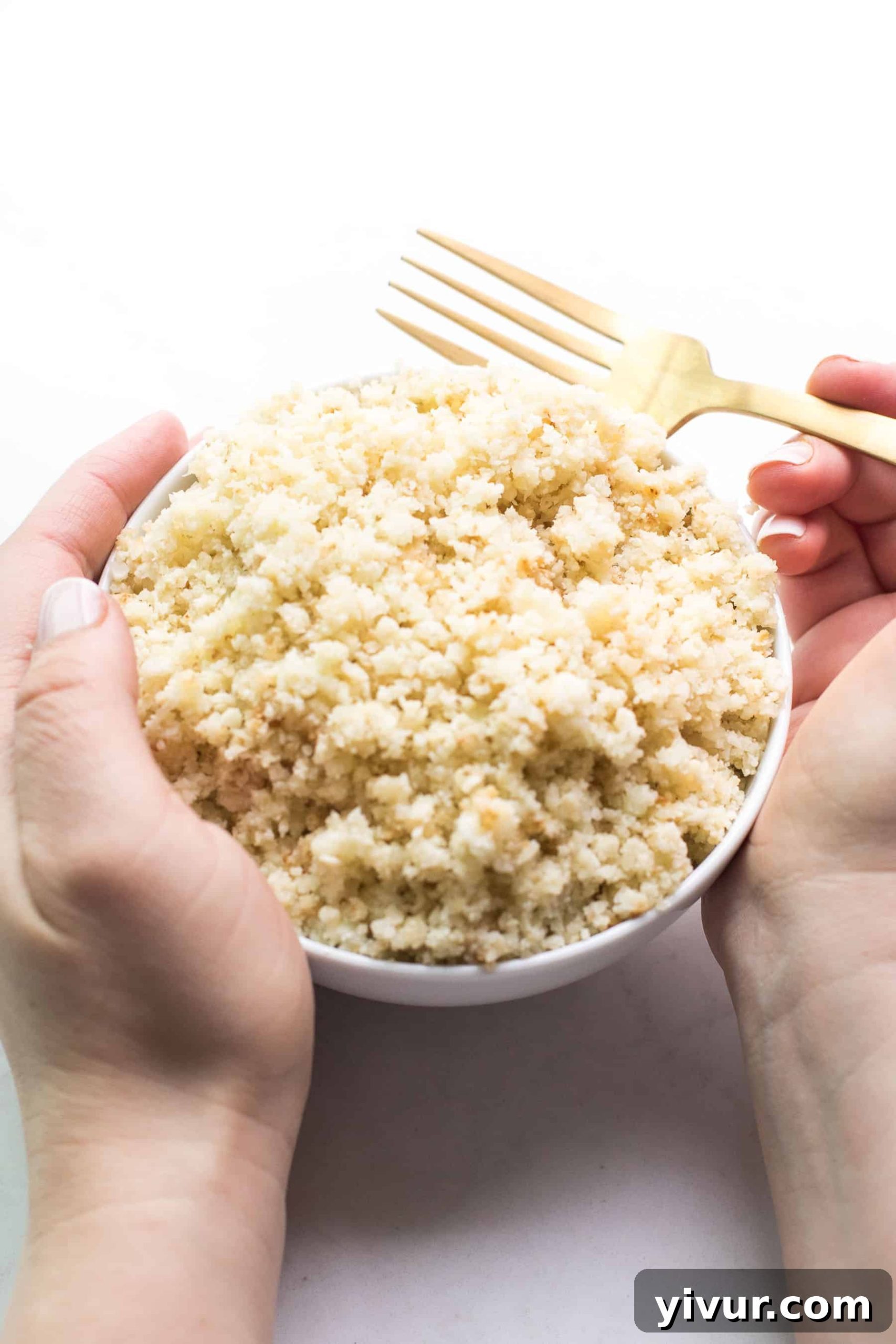
This method consistently delivers perfectly cooked, savory cauliflower rice that can serve as a versatile base for an array of dishes, from vibrant stir-fries to hearty curries or simple protein accompaniments.
Versatility Unleashed: Creative Serving Suggestions
The true magic of homemade cauliflower rice lies in its incredible adaptability. Once you’ve mastered the basic preparation, the possibilities for incorporating it into your meals are virtually endless:
- Asian-Inspired Bowls: Use it as a healthy foundation for stir-fries, alongside grilled chicken or fish with a savory sauce, or as the base for a fresh poke bowl. A drizzle of sesame oil and a sprinkle of green onions can elevate the experience.
- Mexican Fiesta: Transform it into “Mexican rice” by stirring in salsa, cumin, chili powder, and fresh cilantro. It’s an ideal accompaniment for tacos, fajitas, or burrito bowls.
- Indian & Middle Eastern Delights: A natural partner for rich curries, aromatic stews, or alongside grilled kebabs. Infuse it with spices like turmeric, garam masala, or fresh herbs like parsley and mint for an authentic touch.
- Classic Side Dish: It makes a perfect, light complement to any protein – be it roasted chicken, baked salmon, steak, or plant-based proteins like tofu or tempeh. A squeeze of fresh lemon juice and a scattering of fresh herbs can brighten its flavor profile.
- Breakfast Bowls: For a savory start to your day, try cauliflower rice topped with a fried egg, avocado, and a dash of hot sauce. It’s surprisingly delicious!
- Kid-Friendly Option: Its mild flavor makes it an excellent way to introduce more vegetables to picky eaters. My own little one absolutely adores it, making it an easy win for adding extra nutrition to his diet.
Recipe: Homemade Cauliflower Rice (Paleo, Whole30, Keto)
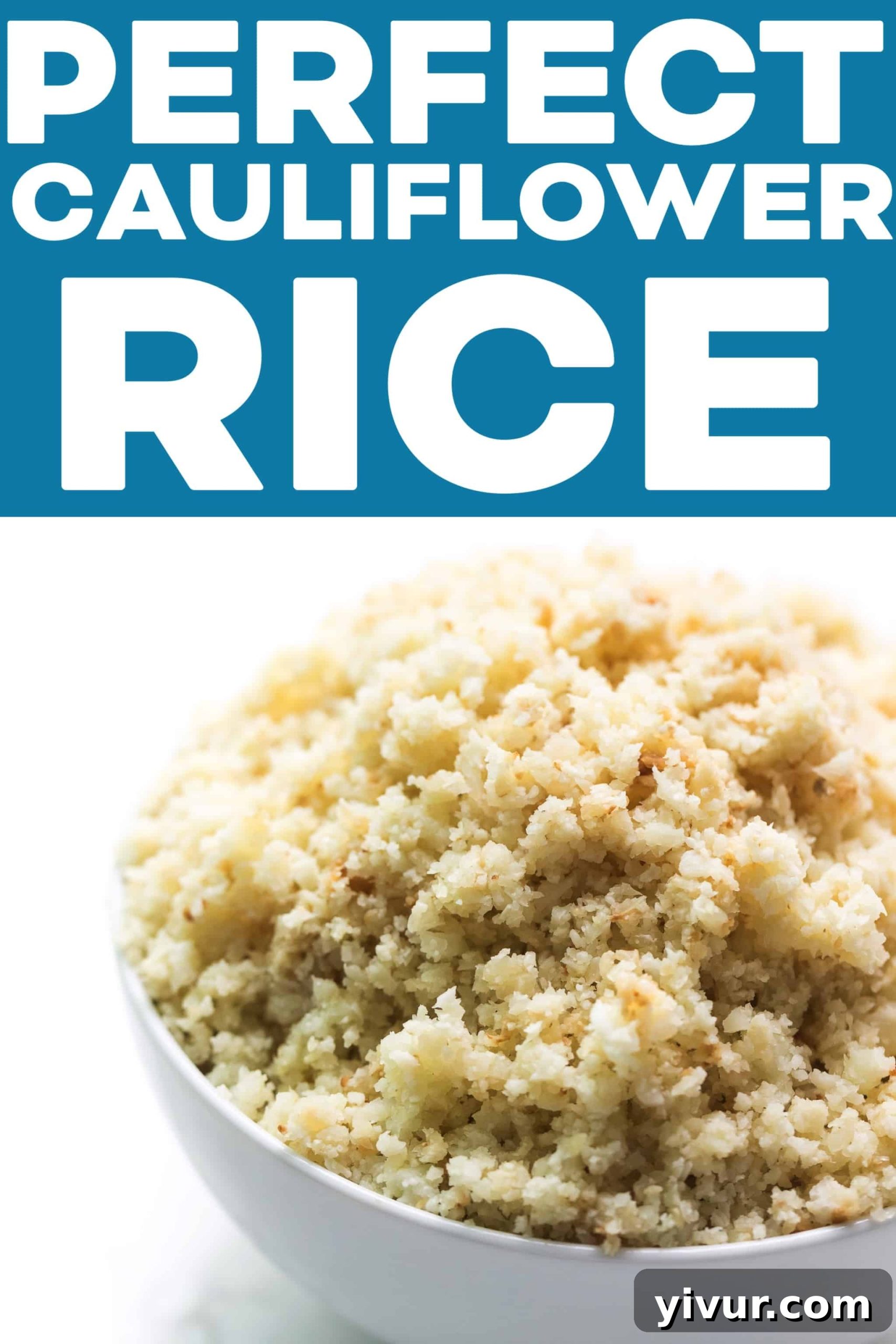
This Paleo, Whole30, Keto Perfect Homemade Cauliflower Rice is a delicious and healthy side dish, you’ll think you’re eating rice!
Prep Time: 10 mins |
Cook Time: 10 mins |
Total Time: 20 mins
Ingredients
- 1 medium head of cauliflower, cored and florets chopped off
- 1 tablespoon olive oil (or avocado oil for Whole30/Paleo)
- ¼ teaspoon salt + pepper, or more to taste
Instructions
- In your food processor with the S blade attachment, add just enough cauliflower florets to create 1 layer at the bottom of the bowl. (Avoid overloading to ensure even chopping). Pulse in short bursts until the cauliflower resembles grains of rice. Transfer the riced cauliflower to a large bowl, and continue processing the remaining florets in batches until all cauliflower is riced.
- To cook, heat a large skillet or frying pan over medium-high heat. Add 1 tablespoon olive oil. Once hot, add the riced cauliflower and immediately season with salt and pepper. Stir frequently (every few seconds) to cook evenly and prevent steaming. Cook until the cauliflower is softened to your desired tenderness and just starts to develop light brown spots on the edges, about 7-10 minutes.
- Taste the cauliflower rice for seasoning and adjust salt and pepper if needed. Serve warm as a delicious and healthy side dish. Leftovers can be stored in an airtight container in the refrigerator for up to 5 days.
Cuisine: American
Course: Side Dish
Author: Natalie
Nutrition Information (per serving, approximate)
- Calories: 57
- Total Carbs: 5.3g
- Protein: 2.1g
- Fat: 3.8g
- Fiber: 2.1g
- Net Carbs: 3g
Frequently Asked Questions About Homemade Cauliflower Rice
Can I prepare cauliflower rice ahead of time?
While you can rice the cauliflower up to one day in advance, it is truly at its best when cooked immediately after processing for that ideal light and fluffy texture. If you must prep ahead, store the raw riced cauliflower in an airtight container in the refrigerator and aim to cook it within 24 hours to minimize moisture absorption and preserve freshness.
How should I store leftover cooked cauliflower rice?
Cooked cauliflower rice can be stored in an airtight container in the refrigerator for up to 5 days. To reheat, gently warm it in a skillet over medium heat, stirring occasionally, or use a microwave. If it seems a little dry, add a tiny splash of water or vegetable broth to rehydrate it slightly.
Is it possible to freeze cauliflower rice?
Absolutely! Both raw and cooked cauliflower rice freeze well. For raw riced cauliflower, spread it in a single layer on a baking sheet and freeze for about an hour until solid. Then, transfer it to a freezer-safe bag. For cooked cauliflower rice, allow it to cool completely before freezing in an airtight container or freezer bag. It will maintain its quality for up to 3-4 months. When ready to use, cook raw frozen cauliflower rice directly from frozen, and reheat cooked frozen cauliflower rice after thawing or gently from frozen, adjusting cooking times as needed.
What if I don’t own a food processor?
No food processor? No problem! You can achieve a similar rice-like consistency using a standard box grater. Simply use the largest holes on your grater to shred the cauliflower florets. It requires a bit more manual effort, but it’s an effective alternative that still delivers fresh, homemade cauliflower rice.
How can I ensure my cauliflower rice doesn’t turn out mushy?
The key to avoiding mushy cauliflower rice lies in a combination of high heat and moisture control. Ensure your skillet is hot before adding the cauliflower, allowing for quick evaporation. Do not overcrowd the pan; if necessary, cook in smaller batches to ensure the cauliflower sautés rather than steams. Stir frequently to promote even cooking and browning, and critically, avoid overcooking. You’re aiming for a tender-crisp texture, not a soft, waterlogged consistency.
Conclusion: Elevate Your Meals with Homemade Cauliflower Rice
Homemade cauliflower rice is more than just a recipe; it’s a game-changer for anyone aspiring to eat healthier without sacrificing flavor or satisfaction. Its ease of preparation, incredible versatility, and dense nutritional profile make it an ideal choice for a wide array of dietary preferences, including Paleo, Whole30, Keto, and general clean eating. Once you discover the light, fluffy, and perfectly textured result of making it yourself, you’ll likely never return to less-than-stellar store-bought alternatives. It’s a delicious, low-carb, gluten-free, and diet-friendly side that promises to elevate countless meals and effortlessly support your wellness journey. Give this simple yet impactful recipe a try – your taste buds and your body will undoubtedly thank you!
This post contains affiliate links, meaning I may earn a small commission if you make a purchase through them, at no extra cost to you. Thank you for supporting the content you love!