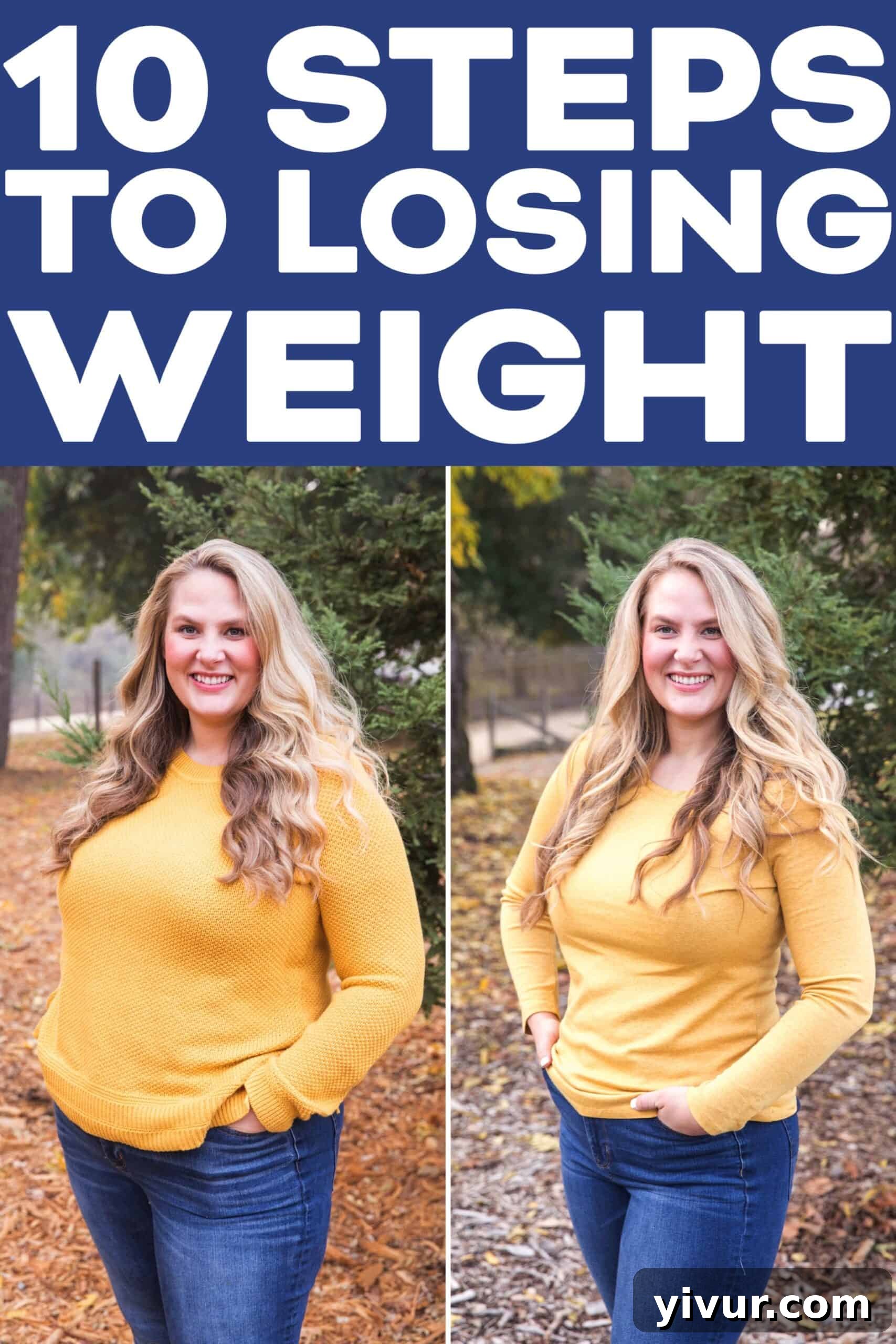
Embark on a transformative journey with this comprehensive 10-step guide to mastering clean eating and achieving sustainable weight loss. Discover how integrating a clean keto and Whole30 approach, intermittent fasting, and consistent exercise can redefine your health and body. This isn’t just a diet; it’s a lifestyle shift designed for lasting results.

My personal journey to a healthier self led me to shed an incredible 40 pounds in just 3.5 months, a transformation that has been nothing short of amazing. While I’ve shared the full story of everything I’ve done to achieve this weight loss, one question consistently comes my way: “Natalie, how do I simply START?” The initial hurdle of beginning a new health regimen can often feel overwhelming, but it doesn’t have to be. To simplify this crucial first step, I’ve distilled my experience into a clear, actionable quick-start guide, outlining the 10 essential steps to successfully embrace clean eating and kickstart your weight loss journey.
This guide is crafted to demystify the process, breaking down complex changes into manageable actions. Whether you’re aiming for significant weight loss or simply wish to cultivate healthier eating habits, these steps provide a solid foundation. By adopting a clean keto and Whole30 inspired approach, incorporating strategic intermittent fasting, and integrating consistent exercise, you’ll not only see the numbers on the scale shift but also experience a profound improvement in your overall energy, mood, and well-being. Let’s dive into these foundational steps and begin your path to a healthier, happier you.
1. Educate Yourself On Clean Keto + Whole30
Before making any drastic changes to your diet, the most crucial first step is to arm yourself with knowledge. Understanding the principles behind clean eating, the ketogenic diet, and Whole30 will empower you to make informed decisions and stick to your plan. My approach combines the best of clean eating, keto, and Whole30, as I’ve found this synergy delivers the most effective and sustainable results for my body.
- Understanding Clean Keto + Whole30: This dietary philosophy focuses on consuming whole, unprocessed foods while minimizing carbohydrates (keto aspect) and eliminating common inflammatory ingredients (Whole30 aspect). I’ve dedicated an entire post to the specific foods I eat and those I meticulously avoid, providing a clear roadmap for your grocery list. Furthermore, my comprehensive post on how I lost weight eating clean keto Whole30 offers an in-depth look at my entire strategy. These two resources are packed with essential information to get you started on the right foot.
- Deep Dive into Whole30: If you’re unfamiliar with Whole30, it’s more than just a diet; it’s a 30-day nutritional reset designed to help you discover how certain foods affect your body. This foundational book is an invaluable resource, guiding you through establishing a healthy relationship with food, understanding the detrimental effects of processed foods and ingredients, and identifying potential food sensitivities (such as dairy, gluten, or sugar). Completing a Whole30 program, followed by a careful reintroduction phase, can be incredibly insightful for determining the foods that truly support your body’s optimal function and digestion.
- Exploring the Keto Principles: For those new to the ketogenic diet, understanding its mechanisms is vital for success. The keto diet shifts your body’s metabolism from burning carbohydrates for fuel to burning fat, a state known as ketosis, which is highly effective for weight loss. While I don’t personally vouch for all the recipes, this particular book served as an excellent educational resource for me, providing a thorough explanation of how the keto diet works and its potential benefits for weight management.
Investing time in this initial educational phase will lay a strong foundation for your journey, making each subsequent step clearer and more manageable.
2. Pick A Start Date
Choosing the right start date is more strategic than it might seem; it sets the stage for your success by minimizing potential obstacles. This isn’t just about marking a day on the calendar, but about mentally preparing yourself for a significant lifestyle change.
- Strategically Choosing Your Start Date: Take a careful look at your calendar and select a date that maximizes your chances of success. A Monday is often ideal as it allows for weekend meal preparation and a fresh start to the week. It’s wise to avoid starting during periods of high social activity or major holidays, like the week before Thanksgiving or immediately preceding a vacation, where temptations are abundant and routines are disrupted. A clear schedule reduces stress and provides a conducive environment for adopting new habits.
- My Personal Launch: I personally kicked off my journey on September 3, 2019, right after Labor Day weekend. This timing was perfect for me; it aligned with the “back to school” routine, offering a natural reset after the relaxed pace of summer. Re-establishing a structured routine proved to be a powerful catalyst for getting back on track and staying committed.
- Navigating Breastfeeding: For mothers, starting a new diet requires careful consideration. I began my clean eating journey after my youngest child turned one, was nearly weaned, and was consuming solid foods. While it is possible to follow this diet while breastfeeding, I personally chose to wait to avoid any additional stress or worry about my milk supply. My body naturally retains weight during breastfeeding, which is a healthy mechanism to support a high milk supply—a top priority during that sensitive period. Listening to your body and prioritizing your baby’s needs is paramount.
- Engaging Your Family: Ideally, your family will be eager to join you on this health journey. Their participation can save you considerable time by eliminating the need to cook separate meals and fostering a collective commitment to health. If, however, your spouse or children are hesitant, simple modifications can make healthy meals appealing to everyone. For instance, when I prepare my Paleo Whole30 Italian Meatballs, I ensure the meatballs themselves are clean keto and Whole30 compliant, serving them with a clean marinara sauce like Rao’s. For myself, I might opt for zucchini noodles, while offering traditional pasta to other family members. The highest compliment I receive is when guests enjoy my recipes without realizing they are “healthy”—they’re simply delicious meals that happen to be nutritious!
- The Power of the Before Photo: Don’t underestimate the motivational impact of a “before” photo. Capture yourself from multiple angles. It’s incredibly rewarding to look back and witness your physical transformation. In addition to photos, I meticulously tracked my weight weekly, photographing the scale. This practice not only helped me recall my progress but also provided consistent encouragement as the numbers steadily decreased. Tangible results are, without a doubt, one of the most powerful motivators in any weight loss endeavor.
3. Plan Out ALL Your Meals for the Week
Meal planning is not just a helpful tip; it is the single biggest determinant of your success on this clean eating journey. Without a clear plan, you open the door to spontaneous, unhealthy choices that can derail your progress.
- The Imperative of Meal Planning: You need to meticulously plan every single breakfast, lunch, snack, and dinner for each day of the week. This proactive approach eliminates decision fatigue and minimizes the temptation to grab convenient, non-compliant foods when hunger strikes. Yes, this lifestyle requires more cooking than relying on takeout, but the payoff in health and satisfaction is immeasurable. Embrace the joy and satisfaction that comes from preparing nourishing, wholesome meals for yourself and your family. The good news is, I’ve curated a TON of free clean keto Whole30 recipes to simplify your planning process!
- Your Go-To Meal Plan Resource: Feeling overwhelmed by the thought of meal planning? I’ve taken the guesswork out of it for you! Since September 2019, I’ve been consistently sharing weekly meal plans, and there is a vast archive to choose from. Each weekly meal plan post includes a printable menu and direct links to all the recipes, making execution effortless. Click here to explore all my meal plans and find your perfect weekly menu!
- Mastering Macro Counting: For those new to the ketogenic diet, tracking your macros (macronutrients: carbohydrates, fats, and proteins) for the initial 1-3 weeks is highly recommended. This practice provides invaluable insight into the nutritional composition of the foods you consume and helps ensure you’re entering ketosis efficiently. I’ve detailed my specific macro goals and provided a step-by-step guide on how to track them. After tracking diligently for the first couple of weeks, you’ll develop an intuitive understanding of carb, fat, and protein counts, allowing you to eventually “ballpark guess” your intake. For me, the initial tracking felt like homework, but now I can instinctively identify the carb content of most foods and confidently select meals that align with my macro goals. It truly becomes second nature!
4. Purge Your Kitchen of All Processed Foods + Ingredients
To truly embrace a clean eating lifestyle, a crucial and liberating step is to create an environment that supports your goals. This means a thorough purging of all processed foods and ingredients from your kitchen, essentially giving yourself a fresh, clean slate.
- The Kitchen Purge: Go through your pantry, refrigerator, and freezer with a critical eye. Eliminate anything that doesn’t align with your clean keto Whole30 principles. This includes, but is not limited to, chips, sugary condiments, all forms of bread and pasta, ice cream, candies, and any product with artificial ingredients or added sugars. This radical decluttering is incredibly effective in removing temptation, especially during the challenging first few weeks when cravings might be strong and you’re feeling hungry for a quick snack. If these foods aren’t present, you can’t eat them, making it easier to stick to your healthy choices.
- Responsible Disposal of Purged Foods: As someone who strongly dislikes waste, I advocate for responsible disposal. Any unopened, shelf-stable items can be donated to a local food bank, helping those in need while clearing your space. For opened food items, you might consider offering them to friends, family, or even posting on local community platforms like Craigslist or Nextdoor to see if anyone is interested. Ultimately, if these options aren’t feasible, don’t feel guilty about discarding them. Personally, I would much rather dispose of processed food than consume it. Do what feels right for you and your values.
- Considering Kids’ Foods: It’s important to note that my children do not follow a clean keto diet 100% of the time. Consequently, my kitchen does contain some food items specifically for them, such as frozen organic white rice, avocado oil chips, whole-grain bread for sandwiches, and organic applesauce pouches. Over time, I’ve become immune to the temptation of their foods. However, as you embark on your purge, it’s an excellent opportunity to upgrade your children’s favorite foods to their healthiest available versions. For example, if your kids love potato chips, opt for organic chips cooked in 100% avocado oil, a much healthier fat source than common vegetable oils. This subtle shift benefits their health without making them feel deprived.
5. Grocery Shop and Stock Your Kitchen
With your kitchen purged and your meal plan in hand, the next critical step is to strategically grocery shop and stock your kitchen with nourishing, compliant ingredients. This process ensures you have everything you need to execute your meal plan without last-minute stress or unhealthy compromises.
- The Art of the Grocery List: Before heading to the store, meticulously go through every recipe you’ve planned for the week. Create a detailed grocery list, itemizing every ingredient needed, and consider the serving sizes you’ll be preparing. This precision prevents forgotten items and reduces impulse purchases, keeping you focused and efficient.
- Gradual Kitchen Stocking: Building a pantry full of new, clean keto and Whole30 ingredients can feel daunting and expensive initially. To mitigate this, adopt a gradual approach. Instead of buying every specialty item on day one, acquire new ingredients only as your recipes call for them. For instance, almond flour is a fantastic low-carb alternative, but there’s no need to buy it until you have a recipe that specifically requires it. Focus on stocking up only on the ingredients necessary for that week’s meals. Over time, your pantry will naturally evolve into a clean eating hub without overwhelming your budget or your kitchen space.
- Time-Saving Shopping Solutions: In today’s fast-paced world, time is a precious commodity. If your schedule is particularly demanding, leverage modern conveniences. Services like Instacart offer grocery delivery from your local stores, saving you hours. Alternatively, consider online ordering platforms such as Amazon or specialty retailers like Thrive Market, which can deliver a wide array of clean eating staples directly to your door, often at competitive prices.
- Smart Money-Saving Strategies: The initial investment in new, high-quality ingredients can sometimes feel expensive. To manage costs, explore money-saving opportunities. Take advantage of bulk bins at health food stores for items like nuts, seeds, and spices, allowing you to buy just the amount you need. Wholesale clubs like Costco often carry a wide selection of Whole30 and keto-friendly ingredients in bulk, offering significant savings. Additionally, I’ve compiled an extensive list of practical tips in my post on How To Save Money Eating Organic, which will provide even more creative ways to keep your healthy eating budget-friendly.
6. Meal Prep if Necessary
Meal preparation is a powerful tool in your clean eating arsenal, transforming your week by ensuring healthy options are always within reach. Whether you’re a busy professional, a parent juggling multiple responsibilities, or someone who simply prefers efficiency, meal prepping can dramatically boost your consistency and success.
- Streamlining with Meal Prepped Meals: If your schedule is consistently packed or if you frequently eat meals outside your home, meal prepping is likely your best strategy. Dedicating a few hours on a Sunday (or another designated day) to cook and portion out all your meals for the upcoming week can be a game-changer. Once prepared, simply store your meals in meal prep containers, ready to grab and go. This proactive approach eliminates the stress of daily cooking and the temptation to resort to less healthy, convenient options. My comprehensive guide on Whole30 + Keto Meal Prep Meals provides specific recipes and recommendations for my favorite meal prep containers, making the process even easier.
- The Freezer Meal Advantage: One of my absolute favorite hacks for staying on track is to double a recipe that I know is freezer-friendly and freeze half of it for later consumption. This strategy requires minimal extra effort since you’re already in the kitchen cooking. The result? A stash of delicious, healthy emergency meals waiting for you in the freezer, ready to save the day on those exceptionally busy or unpredictable days when cooking from scratch just isn’t an option. Think of it as investing in your future self’s health and peace of mind.
7. Have “Emergency” Snacks on Hand
The initial phase of clean eating and transitioning to a lower-carb, Whole30 and keto-aligned diet can be challenging. Your body will be adjusting to a new fuel source, and cravings, often referred to as “hangry” moments, along with potential headaches from sugar withdrawal, are common. This is precisely why having “emergency” snacks readily available is non-negotiable for early success.
- The Necessity of Emergency Snacks: In the beginning, always keep compliant snacks within arm’s reach. Stash them in your home, car, purse, and at your desk at work. These first few weeks are a period of significant adjustment as your body shifts from primarily burning carbohydrates for fuel to efficiently burning fat. During this metabolic transition, you’re likely to experience intense hunger pangs and may even encounter sugar withdrawal symptoms like headaches. These carefully chosen snacks will be your lifesavers, preventing you from reaching for non-compliant foods out of desperation. For inspiration and practical ideas, I’ve compiled a dedicated post on Whole30 Keto Snack Ideas.
- Transitioning to No Snacks: Once your body has fully adapted to burning fat for fuel and your blood sugar levels are stabilized—typically after a few weeks—you can gradually transition away from frequent snacking. I am a strong advocate for primarily eating at designated meal times. Constant snacking, even on healthy foods, doesn’t give your digestive system adequate time to rest and perform other vital bodily functions. In my household, we practice a “no snacking” policy about 99% of the time, and it has been incredibly effective. I’ve found that the less you snack, the less hungry you generally feel outside of meal times. Your body adapts to eating at set intervals, leading to improved satiety and a more regulated appetite. My children, for example, do not snack at all, which ensures they are genuinely hungry and enthusiastic about eating the nutritious meals I prepare for breakfast, lunch, and dinner.
8. Add in Exercise
Once your clean eating habits feel natural and integrated into your daily routine, and the initial effort of meal planning and cooking has subsided, it’s the perfect time to introduce or re-incorporate exercise. This phased approach prevents overwhelm and sets you up for long-term adherence.
- Strategic Timing for Exercise: There’s no universal “right” or “wrong” answer as to when to start exercising. The key is to listen to your body and introduce physical activity when it feels sustainable, not burdensome. The sooner you can comfortably add it, the better, as exercise offers profound benefits beyond just weight loss. Personally, I began incorporating jogging about two weeks after starting my clean keto Whole30 journey in September 2019. If you feel energized and capable, you can even start on day one! The bottom line is to avoid trying to do too much at once; overwhelming yourself with too many changes simultaneously can increase the likelihood of giving up.
- Choosing the Right Type of Exercise: The best exercise for you is one that excites you and is realistically achievable within your lifestyle. It doesn’t have to be intense; even consistent walking can make a significant difference. Aim for at least 30 minutes of physical activity most days of the week. While the workout itself might not always be “fun” in the moment, remember it’s only 30 minutes, and the incredible feeling of accomplishment and increased energy afterward is consistently worth it. I can truthfully say I’ve never finished a workout and thought, “That was a waste of time.”
- My Personal Exercise Routine: As a stay-at-home mom with two toddlers, traditional gym settings weren’t practical for me. I found a used jogging stroller on Nextdoor, strapped my kids in, and started jogging around my neighborhood. To build endurance gradually, I used a “couch to 5k” app, which systematically ramped up my jogging intervals from one minute at a time to a sustained 35 minutes. After just eight weeks, I was able to run two miles without stopping – an amazing achievement! I’ve shared all the details about my Exercise Routine, including my favorite jogging gear, accessories, and the specific app I used, to inspire and guide you in finding what works best for your unique circumstances.
9. Add in Intermittent Fasting
Once your body has adapted to clean eating and you’ve established a consistent exercise routine, the next powerful tool you can integrate into your lifestyle for enhanced health benefits and accelerated weight loss is intermittent fasting (IF). This practice complements your dietary changes by optimizing metabolic function.
- Understanding Intermittent Fasting: Intermittent fasting is an eating pattern where you cycle between periods of eating and voluntary fasting. Its core principle is to give your body a prolonged break from digesting food, allowing it to focus on other crucial functions such as cellular repair, hormone regulation, and efficient fat burning. There are various forms of intermittent fasting, each with different eating and fasting windows. You can delve deeper into the science and different methods of IF by exploring resources like this comprehensive guide.
- My Personal Intermittent Fasting Schedule: I primarily follow a timed intermittent fasting protocol, aiming to consume all my meals within an 8-hour eating window and fast for the remaining 16 hours. However, my schedule often naturally shifts to a more condensed 6-hour eating window, resulting in an 18-hour fast, largely influenced by my children’s meal times. My first meal typically falls around 12 PM when we settle down for lunch at home, and my last meal is usually dinner around 6 PM. The beauty of IF is its flexibility; the most effective approach is one that seamlessly integrates into your daily life and feels sustainable for you.
- Caloric Intake During the Fasting Window: This is one of the most frequently asked questions about intermittent fasting. During my fasting window, I strictly avoid any caloric intake. My only consumables are water and plain tea. While black coffee is also generally acceptable during a clean fast, I personally choose to wait and enjoy my coffee during my eating window in the afternoon. Many individuals find success with variations, such as consuming bone broth or “bulletproof coffee” (coffee with added fats like butter or MCT oil) during their fasting window, especially if it helps them sustain the fast. If these options work better for your body and help you adhere to your fasting schedule, feel free to incorporate them. However, my personal preference is to consume all my calories and nutrients exclusively within my designated eating window to maximize the benefits of a “clean” fast.
10. Reward Incentives + Accountability
Sustaining a significant lifestyle change requires ongoing motivation and a robust support system. Establishing non-food rewards and building in accountability mechanisms are powerful strategies to keep you engaged, on track, and celebrating your progress.
- Meaningful Reward Systems: To maintain motivation and ensure I stay on the right path, I implement a system of personal rewards. Crucially, these rewards are never food-based; instead, they are always aligned with my health and well-being. For example, if I consistently jog for seven consecutive days, I treat myself to a relaxing pedicure on the weekend. Reaching a milestone like losing 20 pounds might warrant a rejuvenating massage. Other excellent non-food reward ideas include: investing in new running shoes, purchasing a cute new workout outfit, buying new jeans or clothing when you’ve dropped a size, refreshing your makeup collection, or getting a professional blowout. These rewards serve as positive reinforcement, celebrating your efforts without compromising your dietary goals.
- Building Accountability: A simple yet incredibly effective strategy for accountability has been openly sharing every single meal I eat on my Instagram Stories, and providing monthly updates on my blog here. This public commitment serves as a powerful motivator, encouraging me to stay mindful of my daily choices and consistent with my plan. Beyond my personal accountability, it has also become a wonderful way to inspire others on their clean eating journeys. Even if you have a small following, knowing that others are watching and drawing inspiration from your efforts can provide a strong boost. Feel free to tag me @tasteslovely on Instagram – I’d love to cheer you on! If social media isn’t your preference, consider sharing your progress and goals with a trusted friend or spouse who can offer support and help keep you accountable.
- Expanding to a Toxic-Free Home: Once you’ve successfully transformed your food choices and kitchen ingredients to be processed, chemical, and toxic-free, you might feel inspired to extend this “clean” philosophy throughout your entire home. Creating a toxic-free living environment can further enhance your overall health and well-being. I’ve detailed my journey and shared my favorite toxic-free swaps for virtually every category in my dedicated post on how I went toxic-free and my top recommendations.
- The Journey of Persistence: I won’t sugarcoat it: in the beginning, this lifestyle change will feel hard. There will likely be moments, perhaps even daily, where you question your commitment. The consistent planning, cooking, macro counting, exercising, and fasting represent a significant shift from old habits. BUT! The incredible payoff is sooooo worth every effort. Instead of dwelling on what you might be “missing out on,” shift your perspective to enthusiastically embrace all the health benefits you are actively gaining. Celebrate every pound lost, revel in your clearer skin, cherish your improved sleep, embrace your increased energy, and enjoy your better mood! There are countless benefits that will bring you far more sustained joy and satisfaction than any bag of chips ever could. Yes, it’s challenging. But with dedication and the right mindset, YOU CAN DO THIS!