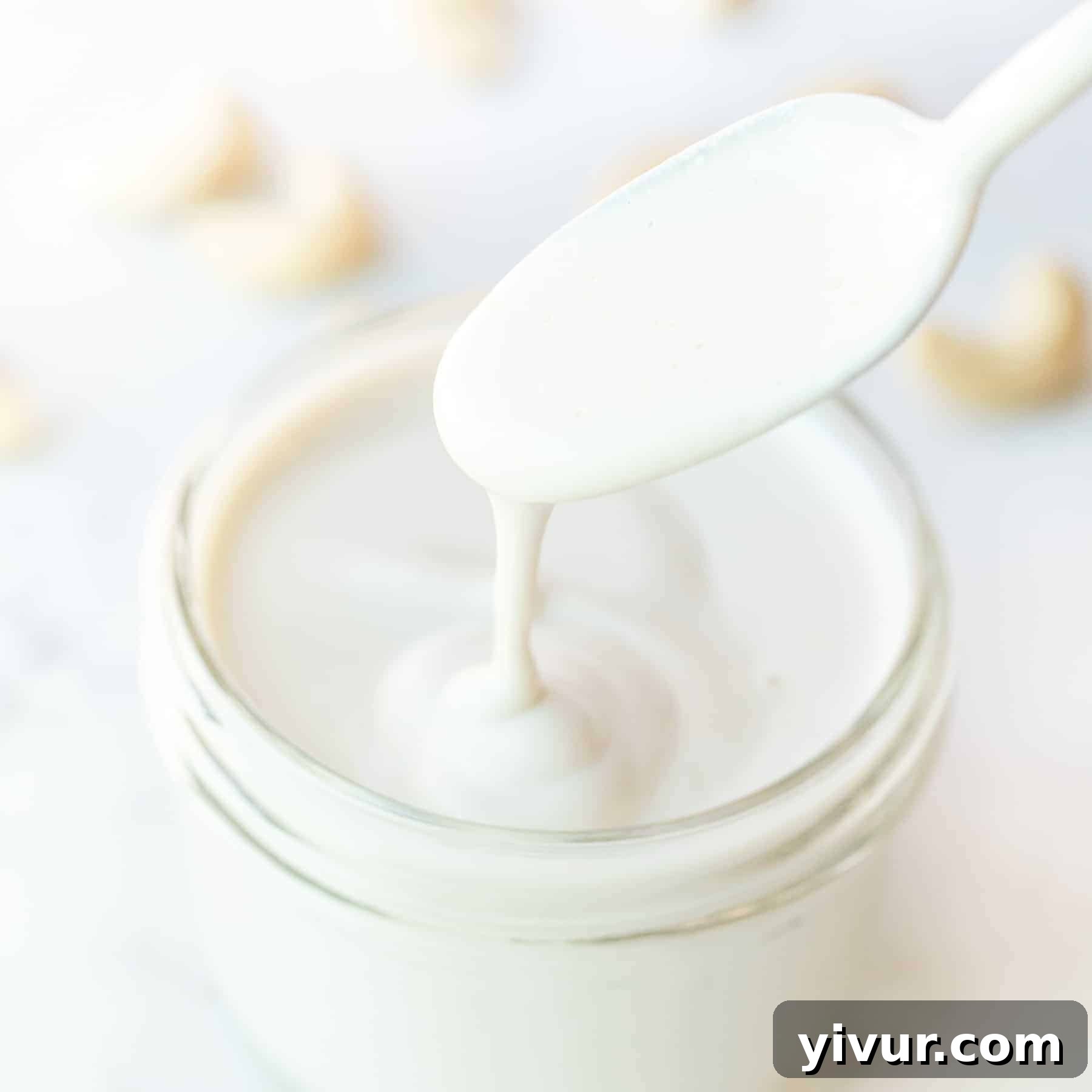
The Ultimate Dairy-Free Dream: How to Make Velvety Cashew Cream (Whole30 & Paleo Friendly)
Experience the rich, creamy texture and subtle sweetness of homemade cashew cream – a truly versatile and dairy-free substitute perfect for Whole30, Paleo, and vegan lifestyles. Elevate your soups, sauces, beverages, and desserts with this simple yet sophisticated plant-based alternative.
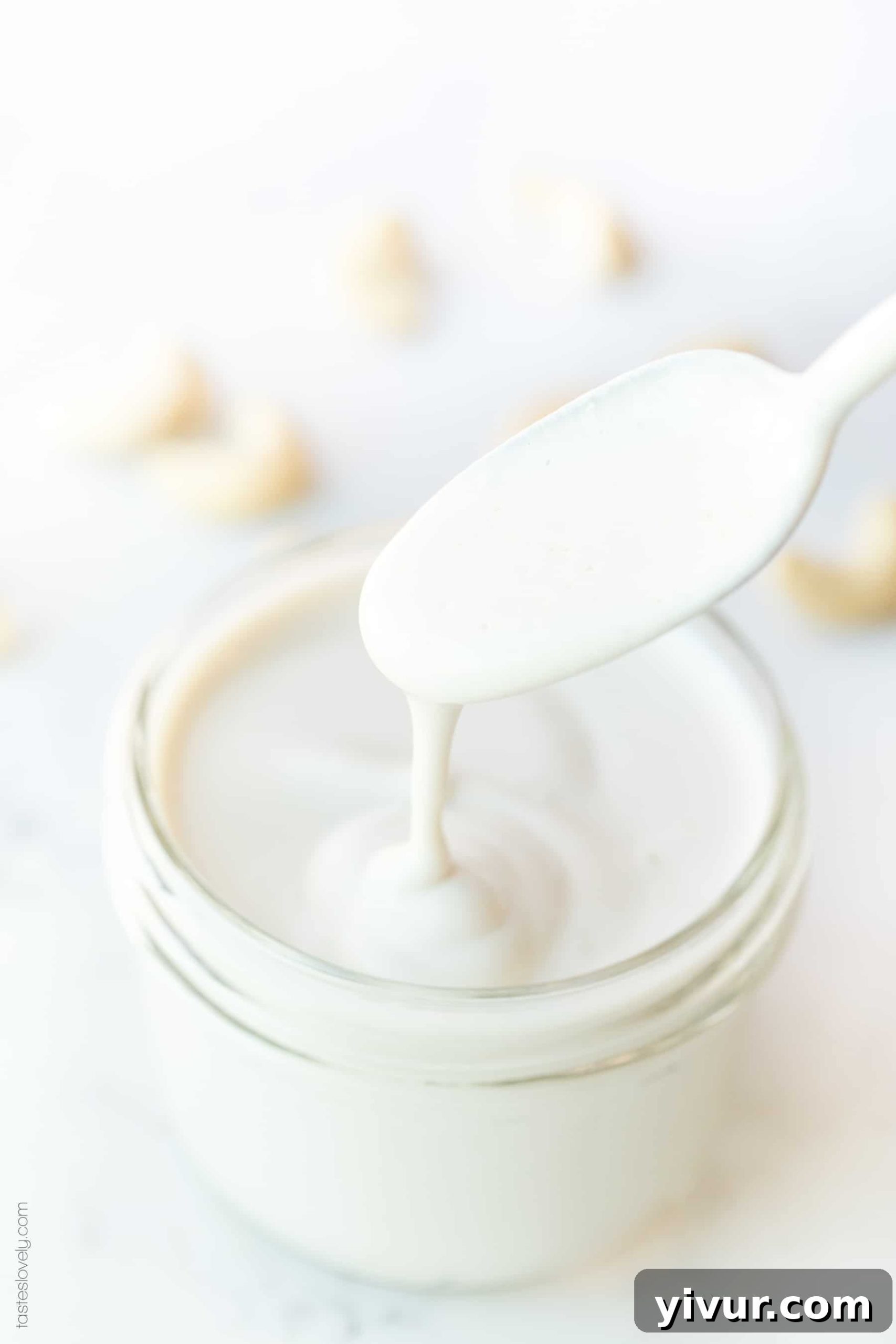
In the evolving world of conscious eating and dietary preferences, finding delicious and versatile dairy alternatives can be a game-changer. For those navigating Whole30, Paleo, or simply aiming to reduce dairy intake, the quest for a genuinely creamy substitute often leads to disappointment. That is, until you discover the magic of cashew cream. This remarkable ingredient has quickly become a staple in many kitchens, transforming ordinary dishes into rich, indulgent culinary experiences, all without a drop of dairy.
Why Cashew Cream is Your New Favorite Dairy Substitute
Cashews are extraordinary nuts, celebrated not only for their delightful taste but also for their incredible ability to transform into a luxurious, dairy-like consistency when blended. Their naturally mild and slightly sweet flavor profile makes them an ideal base for a variety of recipes, mirroring the subtle notes of traditional cream without overpowering other ingredients. Unlike some other plant-based alternatives that can leave an unwanted aftertaste or gritty texture, cashews blend into an impeccably smooth and velvety consistency, making them the perfect stand-in for heavy cream, half and half, or even certain yogurts and cheeses.
My journey into dairy-free cooking truly blossomed when I started experimenting with cashews. After successfully crafting an herbed cashew cheese, I realized the immense potential these nuts held. The next logical step was to create a fluid, pourable cream that could seamlessly integrate into a myriad of dishes, offering the same richness and body as its dairy counterpart. And thus, this incredible dairy-free cashew cream recipe was perfected.
The Secret to Velvety Smooth Cashew Cream: Soaking
The key to achieving that ultra-creamy, silky-smooth texture lies in one essential step: soaking your raw cashews. While it might be tempting to skip this step, especially when you’re in a hurry, believe me when I say it makes all the difference. Soaking cashews softens them significantly, allowing them to break down completely in the blender, resulting in a luscious, uniform consistency without any undesirable grittiness.
The Overnight Soak (Recommended)
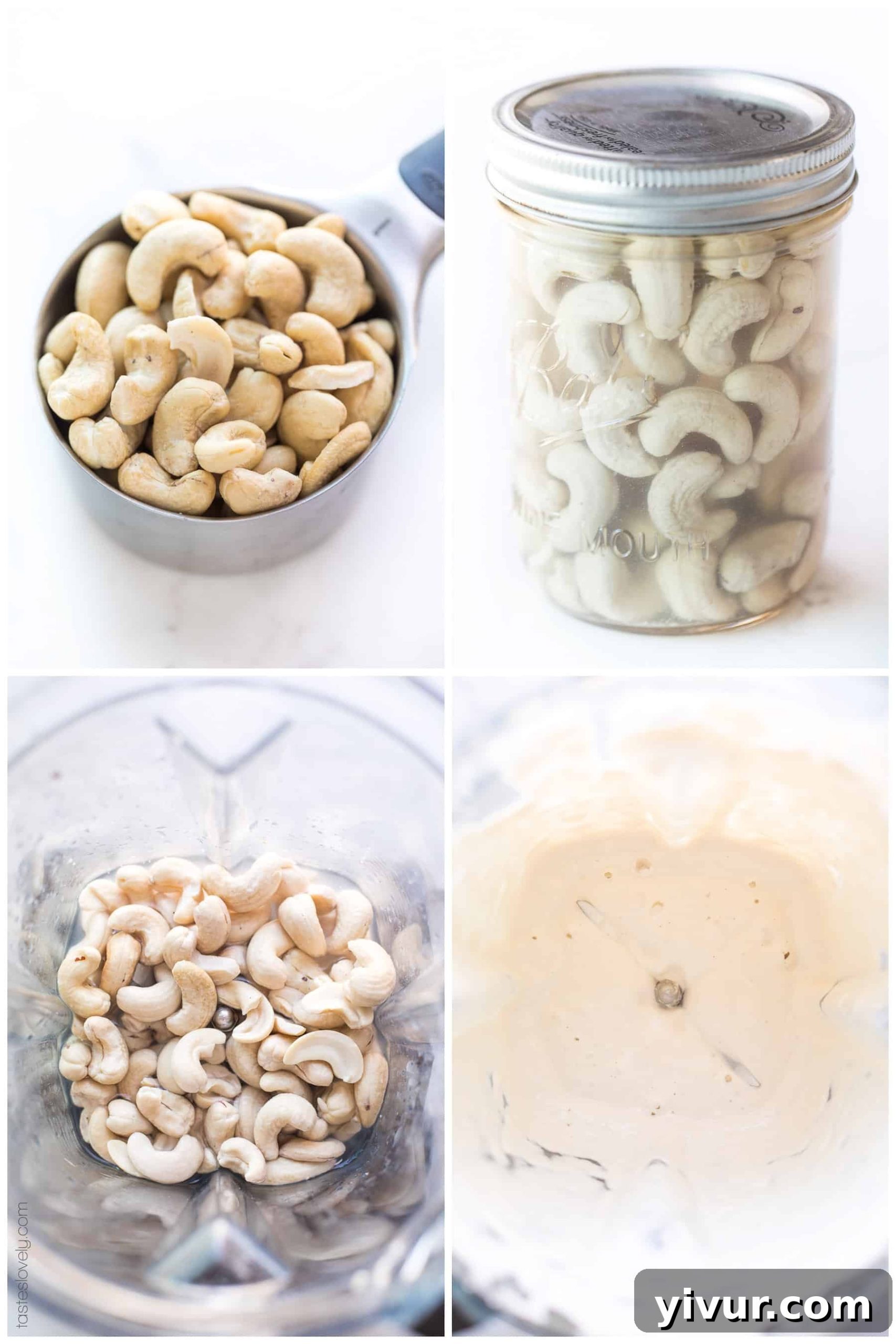
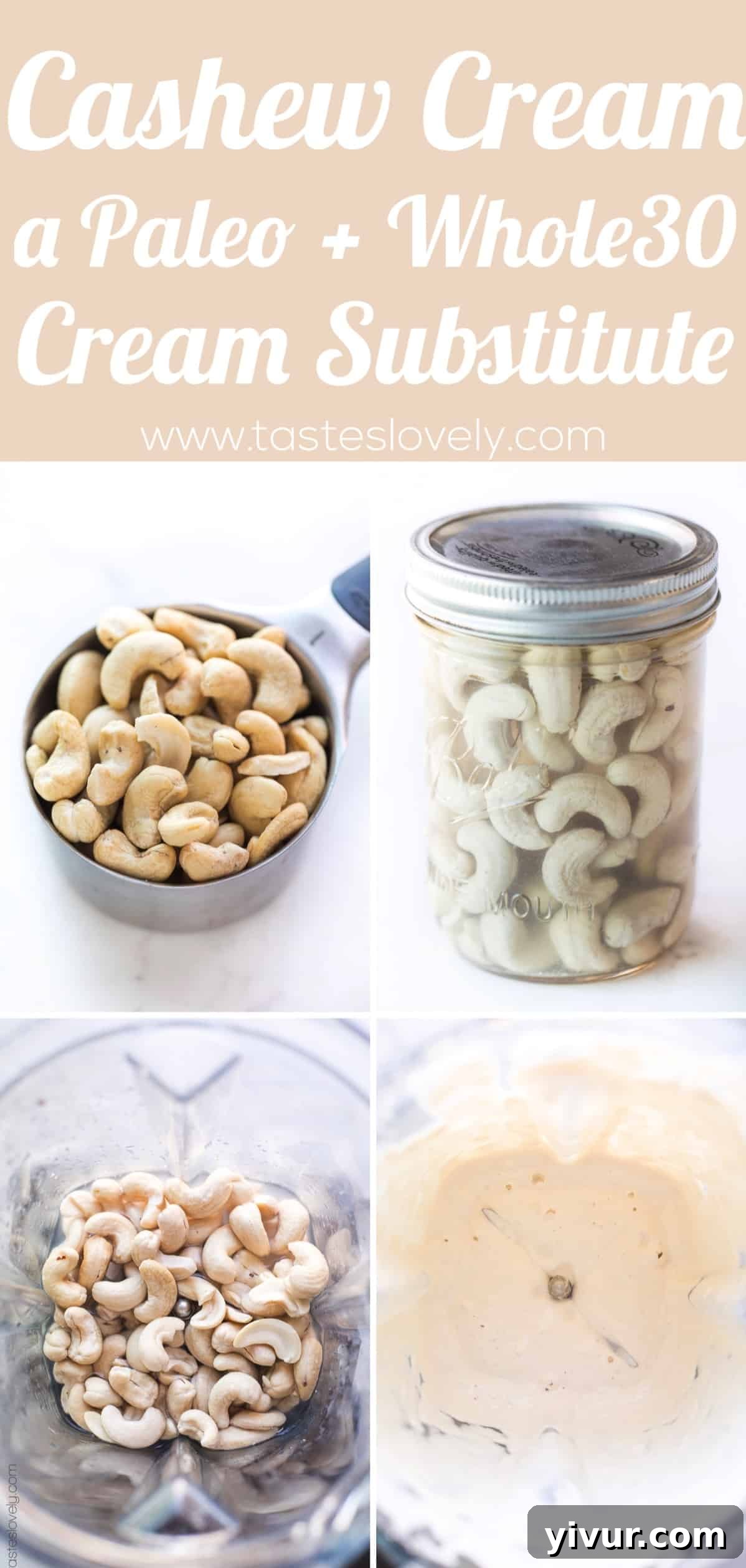
For the absolute best results, I recommend soaking raw cashews overnight in a generous amount of water (about 1.5 cups of water for every 1 cup of cashews). A pint-sized mason jar works perfectly for this. This extended soak ensures the cashews are fully hydrated and tender, ready to be transformed into the silkiest cream imaginable. Plan ahead, and your taste buds will thank you!
The Quick Soak (When Time is Tight)
Life happens, and sometimes you don’t have the luxury of an overnight soak. In a pinch, you can achieve a decent level of smoothness with a quick-soak method. Simply place your raw cashews in a heat-proof bowl and cover them with boiling water. Let them soak for at least 30 minutes, or up to an hour. While this won’t yield quite the same velvety perfection as an overnight soak, it’s a solid alternative that will still produce a significantly smoother cream than blending unsoaked cashews. Even without soaking, a high-speed blender can manage, but the texture will be noticeably less refined.
Mastering the Cashew Cream Consistency
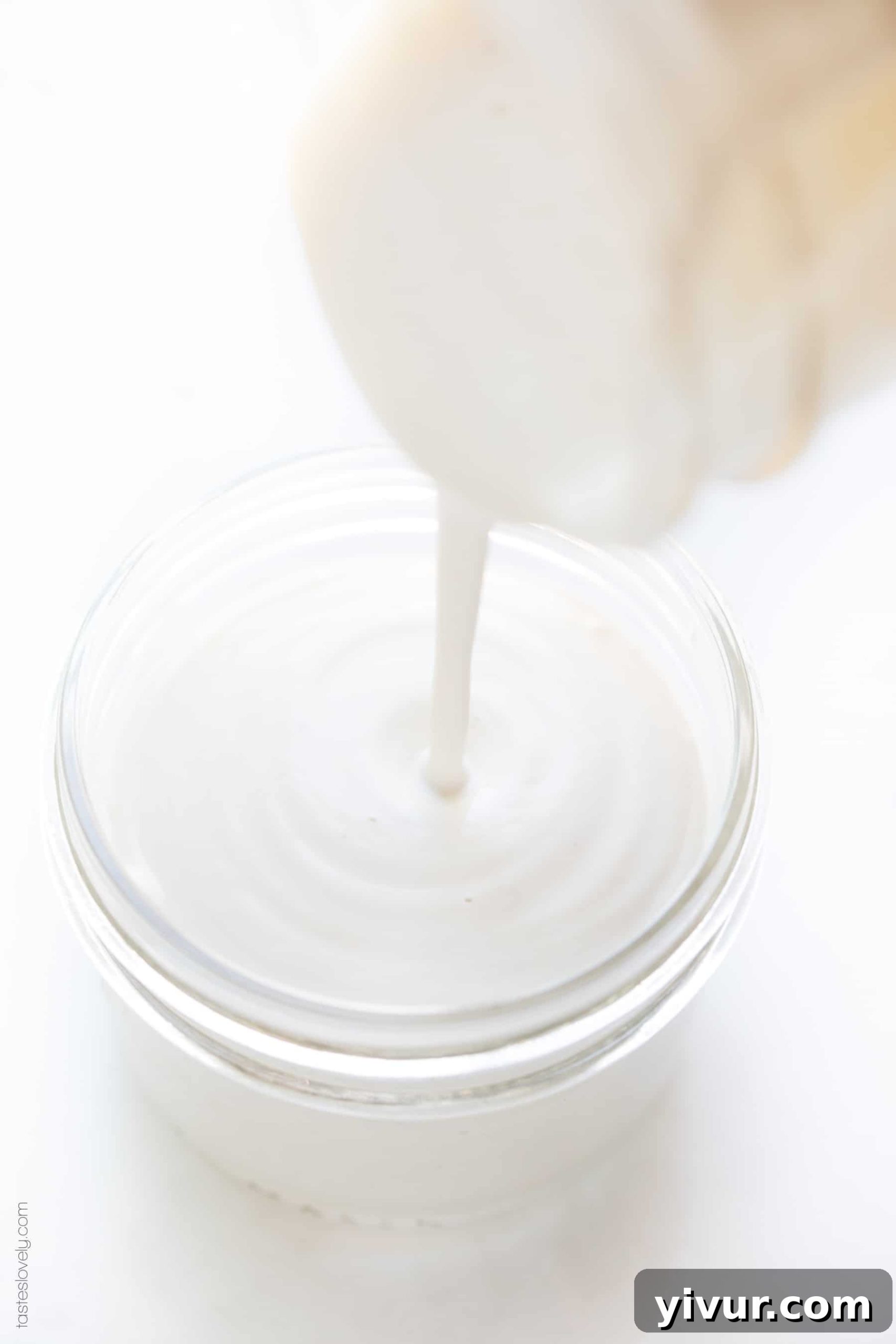
Once your cashews are perfectly plump and soft, the blending process is incredibly straightforward. A high-speed blender is highly recommended for achieving the finest texture, though a powerful regular blender can also work with a bit more patience and scraping. The ratio of cashews to water is crucial for determining the final consistency of your cream. This recipe calls for ½ cup of fresh water for 1 cup of soaked cashews, yielding a rich, thick cream comparable to heavy cream or half and half.
However, feel free to adjust the water content to suit your specific needs. If you desire a thinner consistency, perhaps for a pourable coffee creamer or a lighter sauce, gradually add an extra tablespoon or two of water until you reach your desired flow. Conversely, for a thicker cream suitable for dips or as a base for dairy-free sour cream, you might use slightly less water or allow it to chill in the refrigerator, where it will naturally thicken further.
Storage and Shelf Life
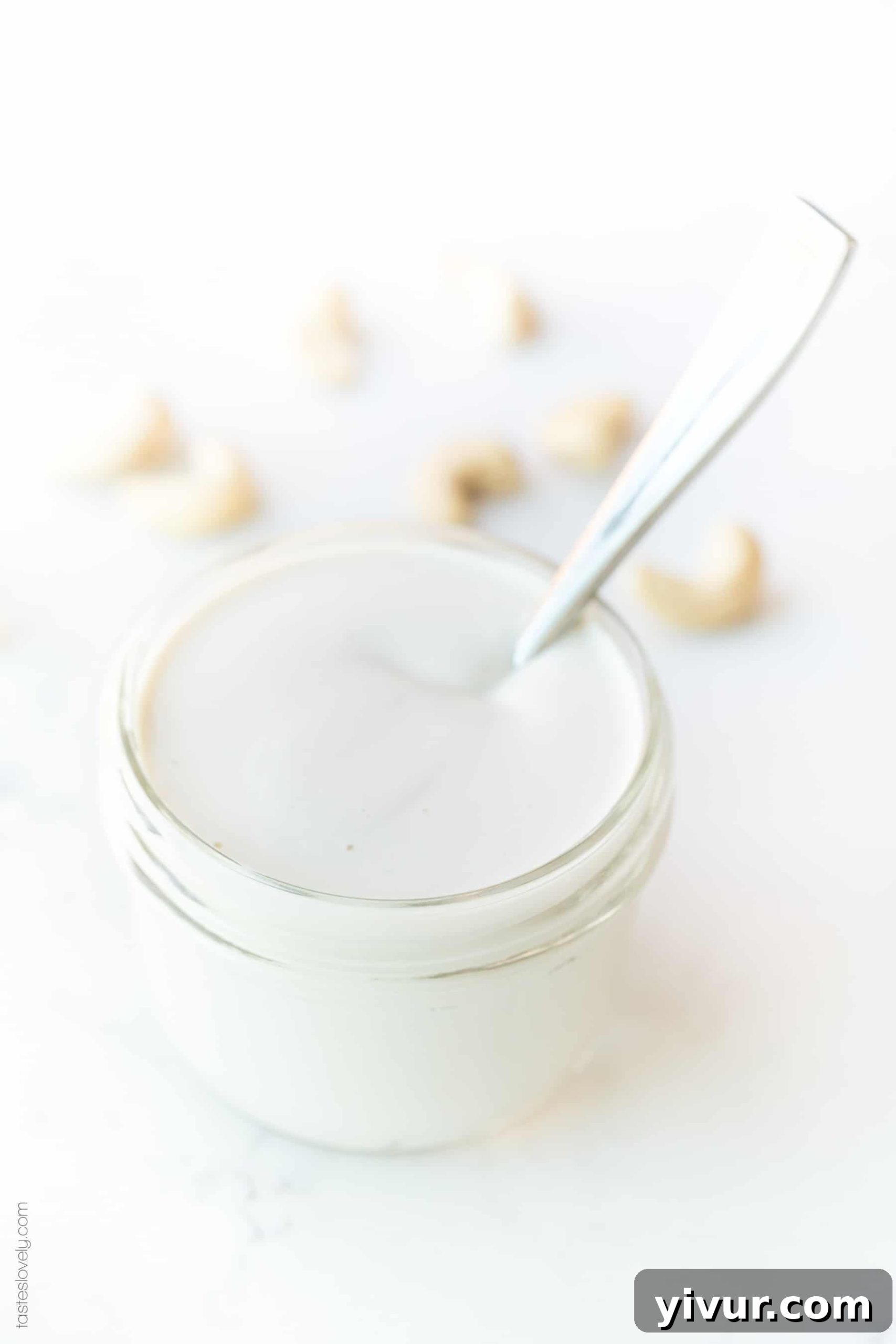
Proper storage is essential to maintain the freshness and quality of your homemade cashew cream. I find that storing it in a half-pint mason jar is ideal, as it provides a snug fit for the typical one-cup yield of this recipe and helps keep it fresh. Tightly seal the jar and refrigerate immediately after blending.
Your freshly made cashew cream will keep wonderfully in the refrigerator for up to one week. While it might separate slightly upon standing, a quick stir or shake will bring it back to its smooth consistency. For longer storage, cashew cream can also be frozen in ice cube trays or small airtight containers for up to 2-3 months. Thaw it in the refrigerator overnight and stir well before use. Freezing and thawing might slightly alter the texture, making it a bit less smooth, but it remains perfectly functional for cooking.
Endless Culinary Applications
The beauty of cashew cream lies in its incredible versatility. It can be used as a 1:1 substitute for dairy cream or half and half in virtually any recipe, making it an indispensable ingredient for those on Whole30, Paleo, vegan, or dairy-free diets. Here are just a few ideas to get you started:
- Creamy Soups: Swirl it into butternut squash soup, tomato soup, or any pureed vegetable soup for a rich, comforting finish.
- Pasta Sauces: Create a delectable dairy-free Alfredo sauce, enrich your marinara, or thicken a creamy pesto.
- Savory Dishes: Add a dollop to mashed potatoes, stir it into gravies, or use it as a base for creamy casseroles and curries.
- Beverages: Whisk it into your coffee for a luxurious plant-based creamer, blend it into smoothies for extra creaminess, or use it in dairy-free milkshakes.
- Desserts: While this recipe is unsweetened, it can be sweetened with maple syrup or a date paste to create dairy-free puddings, mousses, or even a base for homemade ice cream.
- Dressings: Use it to make creamy salad dressings, like a ranch or Caesar alternative.
Its neutral flavor profile allows it to blend seamlessly with both sweet and savory ingredients, making it a truly adaptable component in your kitchen. Whether you’re making a hearty stew or a delicate dessert, cashew cream delivers on texture and taste every time.
Cashew Cream – A Whole30 & Paleo Cream Substitute
1 cup
5 minutes
5 minutes
Pin Recipe
Ingredients
- 1 cup raw cashews, soaked overnight in 1.5 cups water (a pint size mason jar works well)
- ½ cup fresh water, or more for a thinner consistency
Instructions
-
Drain and thoroughly rinse the soaked cashews under cold water.
-
Add the drained cashews and a fresh ½ cup of water to your high-speed blender. Blend on high speed for 2 minutes, pausing halfway through to scrape down the sides of the blender with a spatula, ensuring all cashews are fully incorporated and blended smooth.
-
Store the cashew cream in an airtight container, such as half-pint mason jars, in the refrigerator. It will keep fresh for up to 1 week.
-
Use as a 1:1 ratio substitute for dairy cream or half and half in your favorite cooking and sauce recipes.
Notes
Total Carbs: 4.3g,
Protein: 2.6g,
Fat: 6.2g,
Fiber: 0.5g,
Net Carbs: 4g
Tips for Cashew Cream Success
- Use Raw Cashews: Roasted cashews will alter the flavor profile significantly and may not yield the same creamy texture. Always opt for raw, unsalted cashews.
- High-Speed Blender is Key: While a regular blender can work, a high-speed blender (like a Vitamix or Blendtec) is highly recommended for achieving the smoothest, most luxurious consistency without any grit.
- Adjust Water Slowly: If you want a thinner cream, add water a tablespoon at a time and blend until desired consistency is reached. It’s easier to thin out cream than to thicken it.
- Season to Taste: This basic recipe is unsweetened and unseasoned, making it versatile. For savory dishes, a pinch of salt can enhance the flavor. For sweet applications, add a touch of vanilla extract, maple syrup, or dates.
- Don’t Be Afraid to Experiment: Once you’ve mastered the basic cashew cream, feel free to experiment with adding other ingredients like nutritional yeast for a cheesy flavor, lemon juice for tang, or various herbs and spices.
Frequently Asked Questions About Cashew Cream
Can I use roasted cashews instead of raw?
It is strongly recommended to use raw cashews for cashew cream. Roasted cashews have a distinct flavor that will alter the taste of your cream, and their texture after soaking and blending won’t be as smooth and neutral as raw cashews.
Do I absolutely need a high-speed blender?
While a high-speed blender provides the absolute smoothest, most luxurious texture, a good quality regular blender can still produce decent results. You might need to blend for a longer period and scrape down the sides more frequently. The key is ensuring the cashews are thoroughly soaked to aid in breakdown.
My cashew cream is gritty. What went wrong?
Grittiness is usually a sign that the cashews weren’t soaked long enough or your blender isn’t powerful enough to break them down completely. Ensure you’ve soaked them overnight, or use the quick-soak method with boiling water for at least 30-60 minutes. Blend for longer until completely smooth, scraping the sides as needed.
Can I make a larger batch?
Absolutely! You can easily double or triple this recipe. Just ensure your blender can accommodate the increased volume and adjust the soaking water proportionately. Remember that the shelf life in the refrigerator remains about one week, so consider freezing excess if making a very large batch.
Is cashew cream healthy?
Cashew cream is a fantastic dairy-free alternative that can be part of a healthy diet. Cashews themselves are a good source of healthy fats, protein, and essential minerals like magnesium, zinc, and iron. This homemade version avoids added sugars and unhealthy additives often found in store-bought creams, making it a wholesome choice, especially for Whole30 and Paleo diets.
Embrace the Dairy-Free Revolution with Cashew Cream
Making your own cashew cream is a simple process that yields incredibly delicious and versatile results. It’s an empowering addition to any kitchen, allowing you to enjoy creamy textures and rich flavors without compromise, regardless of your dietary choices. From savory sauces to sweet treats, this dairy-free cream substitute opens up a world of culinary possibilities. Give it a try, and discover why cashews are truly a magical ingredient for modern cooking.
This post contains affiliate links, thanks for the love!