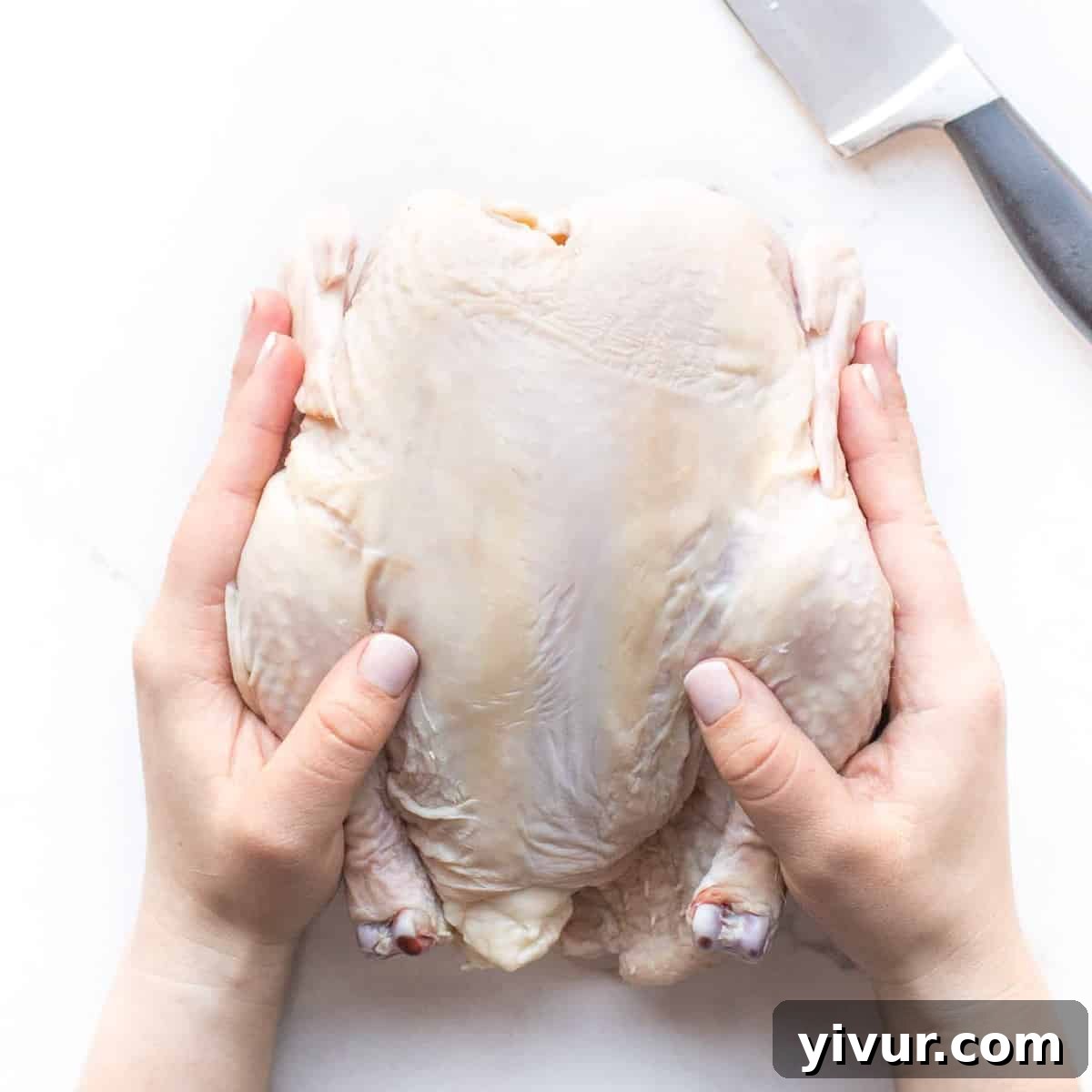
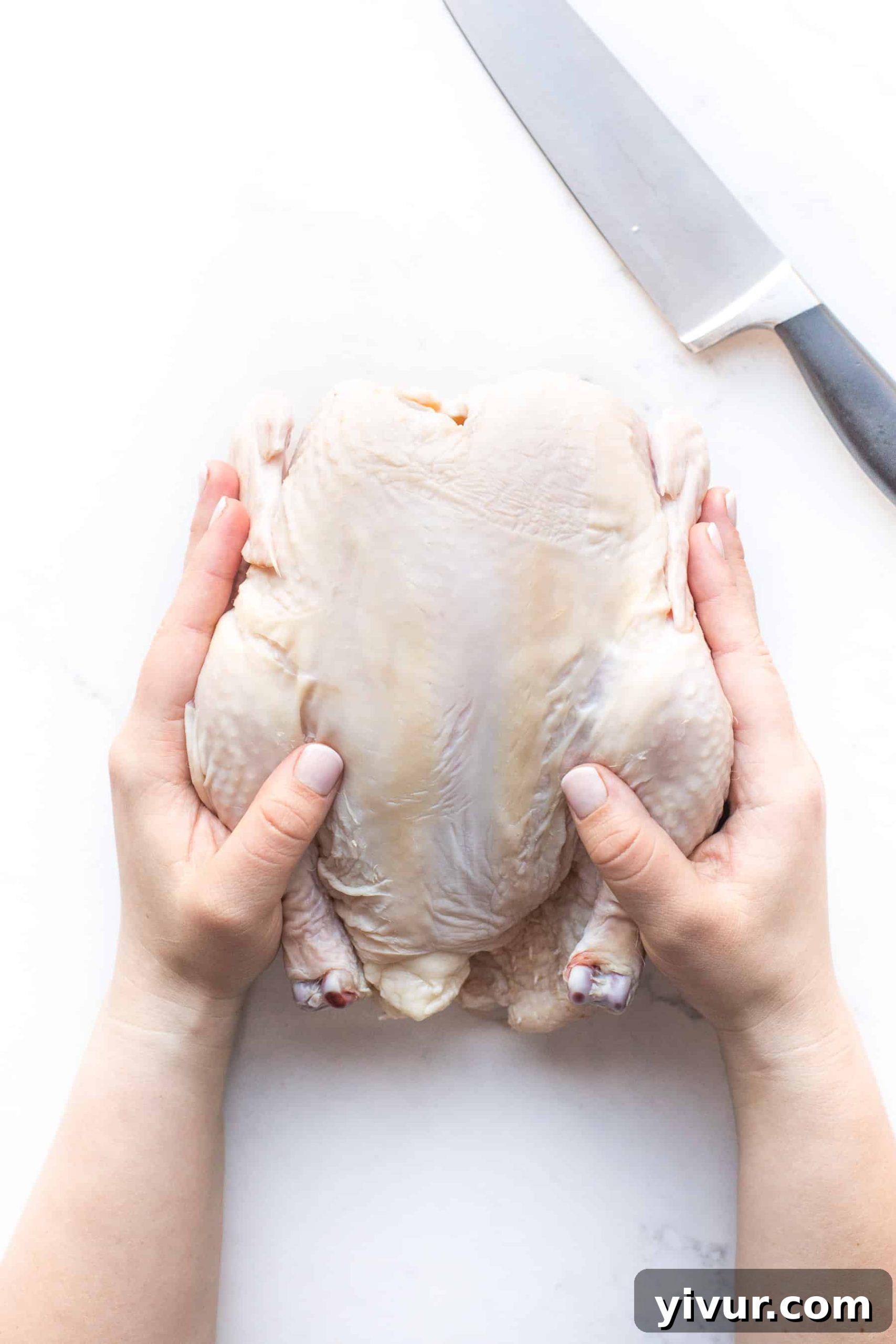
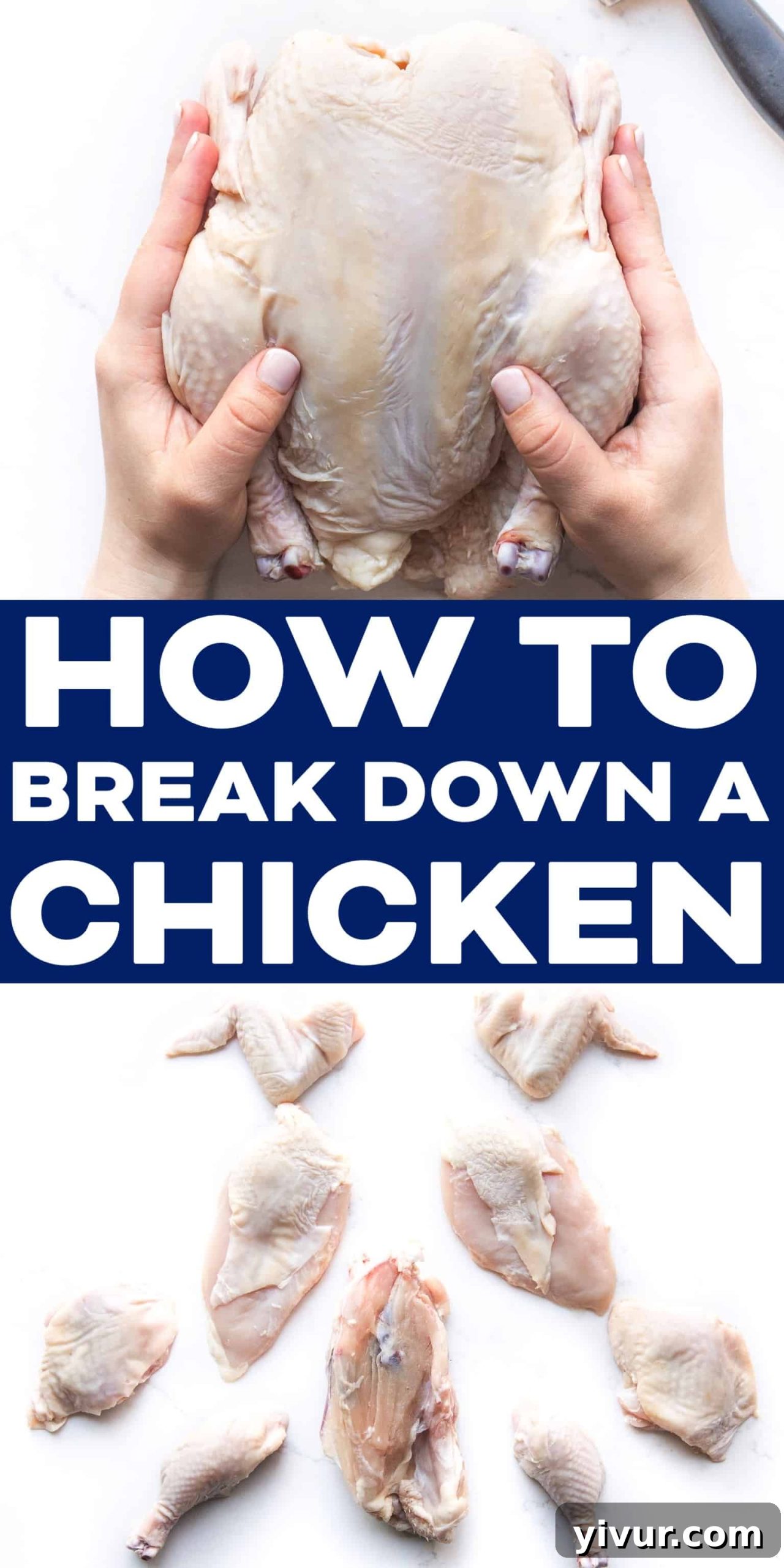
Welcome to the ultimate guide on **how to break down a whole chicken** – a skill that promises to transform your culinary approach, save you money, and ensure you make the most out of every bird. This comprehensive tutorial will walk you through carving and slicing a whole chicken into eight usable pieces, expertly preparing the carcass for nourishing bone broth, efficient storage methods for your newly butchered cuts, and essential clean-up protocols to maintain a hygienic kitchen. Mastering this technique is not just about butchering; it’s about embracing efficiency, sustainability, and superior flavor in your home cooking.
Watch Our Step-By-Step Video: How To Break Down a Whole Chicken
Embark on your journey to becoming a home butchering pro by watching our detailed video tutorial. This visual guide demonstrates every cut and technique required to effortlessly transform a whole chicken into its constituent parts. We cover everything from the initial separation of wings and drumsticks to carefully detaching thighs and breasts, ensuring you gain the confidence to perform each step with precision and ease.
Why Breaking Down Your Own Chicken is a Game-Changer
Many home cooks shy away from butchering a whole chicken, deeming it too difficult or messy. However, the benefits far outweigh any initial apprehension, making it an invaluable skill for any kitchen enthusiast. Let’s delve into the compelling reasons why you should consider making this a regular practice.
Maximize Your Savings: The Economic Advantage
One of the most significant advantages of purchasing and breaking down a whole chicken is the substantial cost savings. Pre-cut chicken parts, such as boneless, skinless breasts or thighs, often come with a premium price tag due to the labor involved in their preparation. By buying the whole bird, you’re essentially paying for raw ingredients rather than processed convenience. When you compare the price per pound of a whole chicken versus individual cuts, you’ll quickly see how much more economical it is. This strategy allows you to get more high-quality protein for your money, making it a cornerstone of smart grocery shopping.
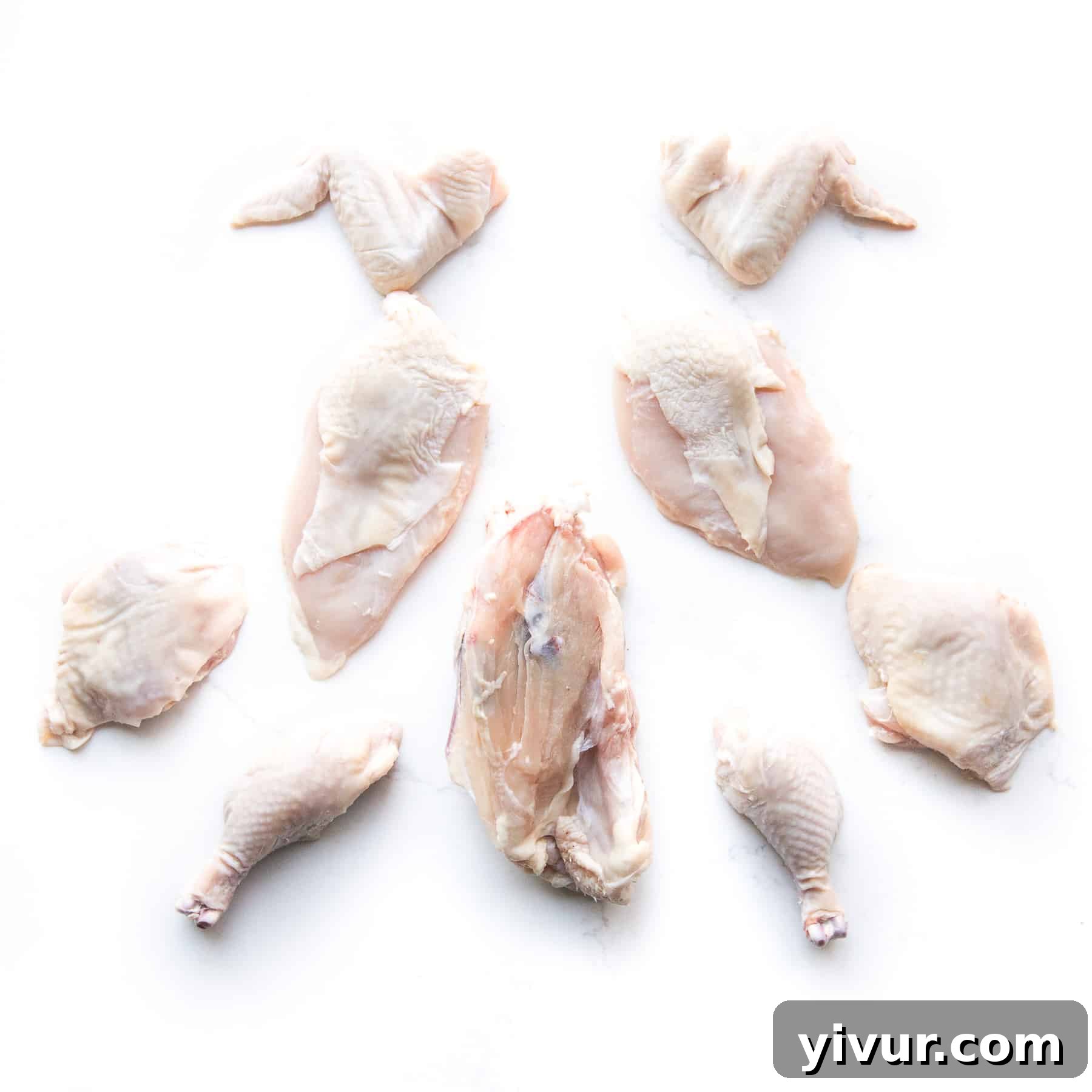
For instance, if you source your chicken from a supplier like Butcherbox, which offers ethically raised, hormone- and antibiotic-free poultry, buying whole birds in bulk (such as in their Big Custom Box) represents an even greater value. You can procure eight whole chickens, along with other premium cuts, and break them down yourself. This yields two breasts, two thighs, two wings, and two drumsticks from each bird, plus the invaluable carcass for homemade bone broth. The cumulative savings over time are truly remarkable, allowing you to enjoy top-tier meat without breaking the bank.
Achieve Perfect Cuts: Tailor-Made for Your Recipes
Supermarket shelves are often limited to standard chicken cuts – typically skinless, boneless breasts, or bone-in, skin-on thighs. While these are convenient, they may not always align with your specific culinary preferences or recipe requirements. When you butcher your own whole chicken, you gain complete control over the size, shape, and skin/bone configuration of each piece. This customization is a game-changer for home cooks who appreciate precision and variety.
Imagine craving a skin-on, boneless chicken breast for a specific dish – a cut that’s notoriously difficult to find in most stores. By breaking down the chicken yourself, you can easily create this exact cut, preserving the flavorful skin while removing the bone for quicker cooking. The same applies to achieving perfectly proportioned skin-on, bone-in chicken thighs, or even specialized cuts like spatchcocked chicken for even roasting. Our tutorial video demonstrates a standard 8-piece breakdown, but feel free to adapt the techniques to suit your personal preferences. Removing skin or bones is a simple additional step once you’ve separated the main parts, empowering you to truly butcher the chicken exactly how you like it.
Embrace Zero-Waste Cooking: Every Part Counts
In today’s world, minimizing food waste is not just an economical choice; it’s an ethical and environmental responsibility. Breaking down a whole chicken aligns perfectly with the principles of zero-waste cooking, ensuring that no part of the animal goes to waste. Beyond the primary cuts of meat used for various meals, the often-discarded carcass becomes a valuable ingredient for a rich, homemade bone broth.
By utilizing every component of the chicken, you honor the animal’s sacrifice and contribute to a more sustainable kitchen. This holistic approach not only saves you money by extending the value of your purchase but also provides you with an incredibly versatile and nutritious ingredient in the form of bone broth. It’s a win-win for your wallet, your palate, and the planet.
Essential Tools for Breaking Down a Whole Chicken
Having the right tools can make all the difference, transforming the task of breaking down a chicken from a chore into an enjoyable and efficient process. While you don’t need a professional butchery kit, a few key items will significantly enhance your experience and results.
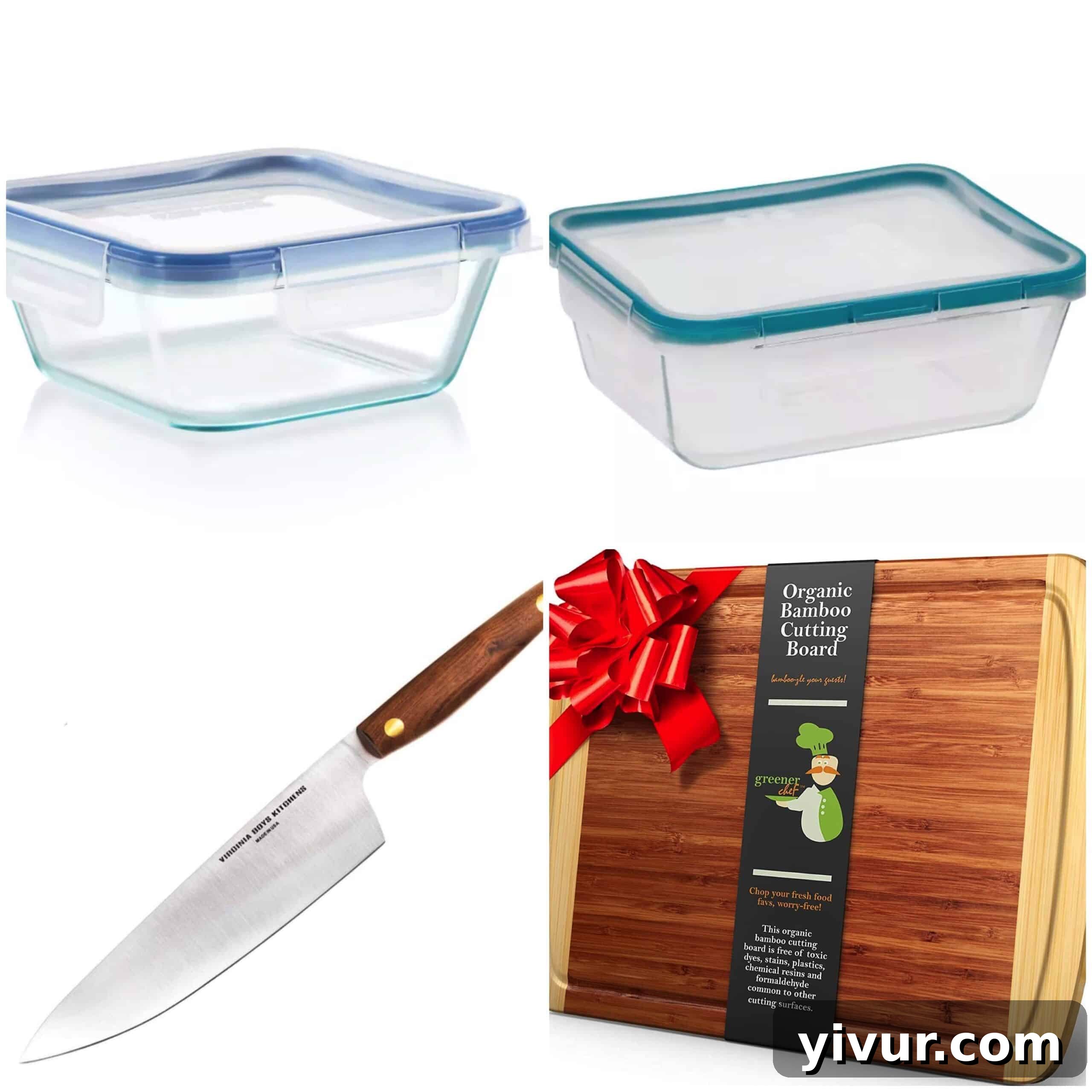
These are my go-to kitchen essentials that I rely on when preparing whole chickens:
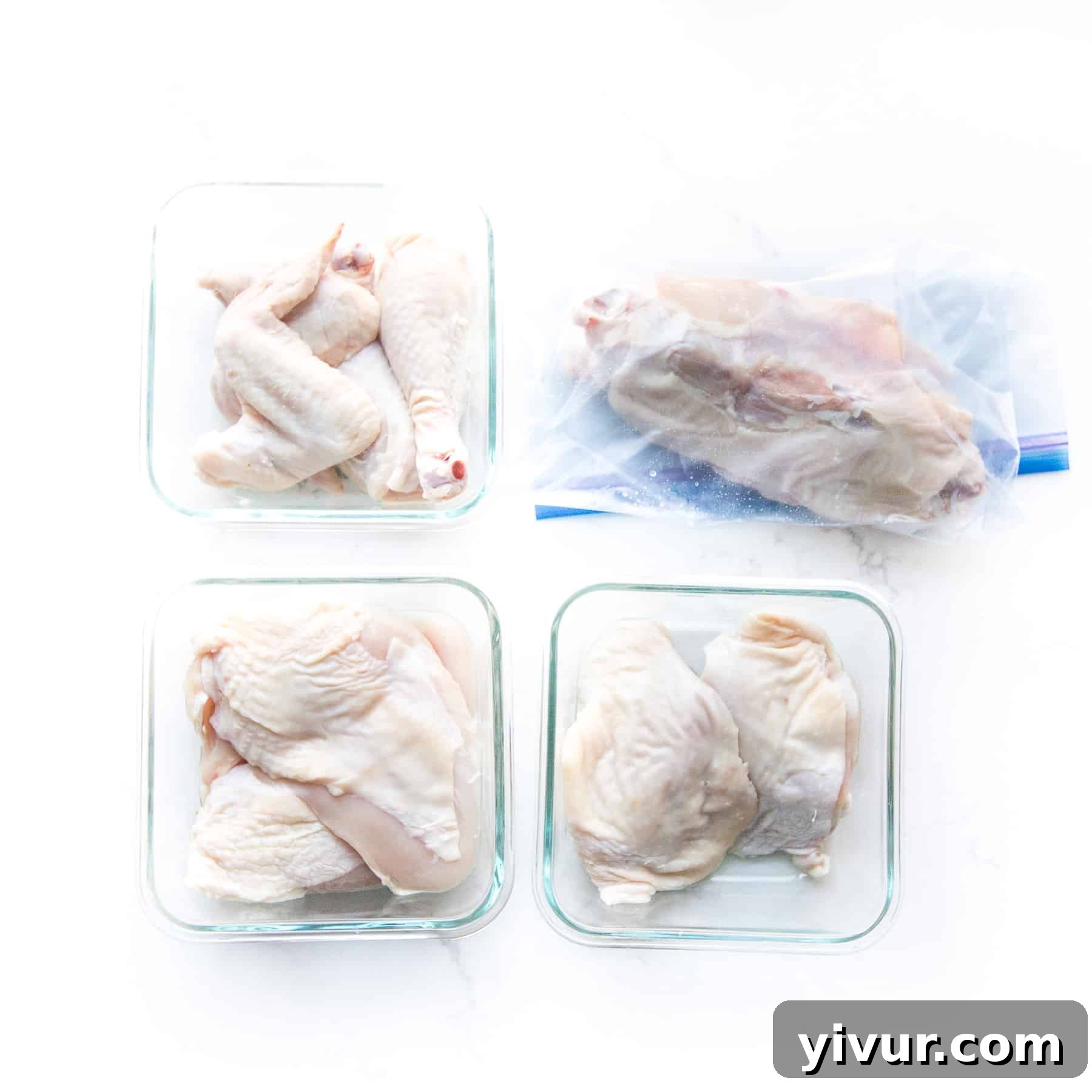
- 4 Cup Glass Tupperware: Perfect for storing individual portions like chicken breasts or thighs. Glass containers are excellent for food safety, visibility, and don’t absorb odors or stains.
- 8 Cup Glass Tupperware: Ideal for larger batches, such as combining drumsticks and wings. These containers keep your fridge organized and your chicken fresh.
- Chef’s Knife: A sharp, well-balanced chef’s knife is your most important tool. It provides the necessary leverage and precision for clean cuts through joints and cartilage. This specific knife is a fantastic choice due to its perfect size, impressive sharpness retention, and affordability.
- Knife Sharpener: A sharp knife is a safe knife. Regularly maintaining your chef’s knife with a quality sharpener, ideally once a week, will ensure it glides through the chicken with minimal effort and risk.
- Organic Bamboo Cutting Board (XL size): A spacious and stable cutting surface is crucial. The XL size offers ample room to work with a whole chicken, preventing pieces from falling off. The integrated liquid drip catcher around the edge is a genius feature, keeping your countertops clean and hygienic. Plus, its eco-friendly bamboo construction and affordable price make it an excellent investment.
Storing Your Freshly Prepared Chicken Cuts
Proper storage is key to maintaining the freshness and safety of your chicken. Once you’ve broken down the whole bird, you’ll want to store the individual cuts efficiently. I keep all my freshly cut chicken pieces in the refrigerator, typically in the glass containers mentioned above. When stored correctly, they will remain fresh for up to one week.
For longer-term storage, freezing is an excellent option. Wrap individual cuts tightly in plastic wrap or freezer paper, then place them in freezer-safe bags or containers. Label them with the date and type of cut (e.g., “chicken breasts – 03/24/2026”) to ensure you use them within their optimal freezer life, which is generally 6-9 months for raw chicken. Freezing allows you to take advantage of bulk purchasing and ensure you always have fresh chicken on hand.
The Power of Homemade Bone Broth: A Culinary Treasure
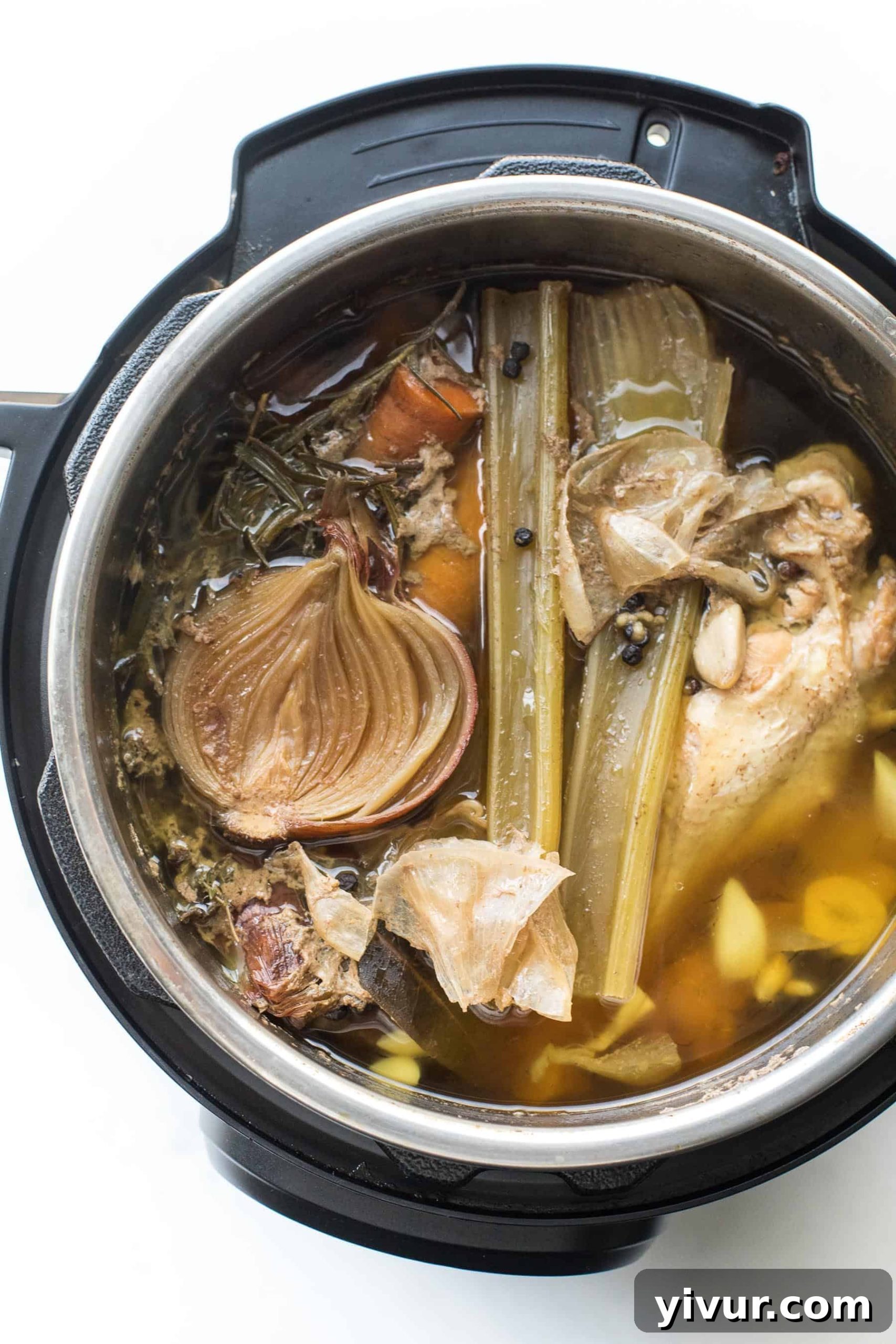
One of the most rewarding aspects of breaking down a whole chicken is having the carcass readily available for making homemade bone broth. This isn’t just a culinary trend; it’s an ancient practice revered for its incredible flavor and profound health benefits. Unlike store-bought varieties, which can often be bland and lack vital nutrients, homemade bone broth is bursting with rich, complex flavors and packed with protein, collagen, vitamins, and minerals.
Making bone broth from your chicken carcass is incredibly simple, especially with modern appliances like an Instant Pot. Here is my detailed recipe for homemade bone broth, complete with a video tutorial, showing you just how easy it is to create this liquid gold. Bone broth is amazing when used as a base for soups, stews, and sauces, adding depth and umami that no store-bought alternative can match. Beyond its culinary uses, sipping on warm bone broth can significantly support your gut health and boost your immune system, making it a powerful addition to a healthy lifestyle.
Maintaining a Clean & Safe Kitchen After Butchering
Food safety is paramount when working with raw poultry. After breaking down a whole chicken, thorough and immediate cleaning of your workspace and tools is essential to prevent cross-contamination and ensure a hygienic kitchen environment. Here’s my trusted cleaning routine:
- Initial Wash: I start by washing my cutting board and chef’s knife with Branch Basics foaming hand wash. This versatile product doubles as an effective dish soap. I use it with a dedicated dish brush to scrub away any chicken residue thoroughly.
- Rinse and Sanitize: After a good scrub, I rinse off all the soap with water. Next, I spray both the cutting board and the knife generously with Branch Basics All-Purpose Spray. This plant-based cleaner is excellent for sanitizing surfaces.
- Final Wipe Down: I allow the All-Purpose Spray to sit for approximately one minute, giving it time to work its magic. Then, I wipe it off completely with a clean paper towel. This ensures that any potential bacteria are eliminated and the surfaces are left sparkling clean.
- Countertop Cleanup: Don’t forget your countertops! Any areas where the raw chicken might have touched, or where drips occurred, should also be sprayed down with the Branch Basics All-Purpose Spray and wiped clean with a paper towel. This systematic approach guarantees your kitchen is safe and ready for your next culinary adventure.
Sourcing High-Quality Chicken: A Foundation for Flavor and Health
The quality of your chicken significantly impacts both the flavor of your meals and your overall health. I am a staunch advocate for sourcing the highest quality poultry available. For me, that means relying on Butcherbox, a service I’ve frequently praised for its commitment to providing free-range, hormone- and antibiotic-free chicken. This isn’t just a preference; it’s a principle. The environment in which a chicken is raised, its diet, and the absence of harmful additives all contribute to a superior product that tastes better and is better for you.
Choosing high-quality chicken from reputable sources ensures that you’re starting with the best possible ingredients. This commitment to quality permeates every dish you prepare, enhancing flavors and providing peace of mind. Investing in a whole, high-quality bird is the first step towards a more delicious, economical, and sustainable cooking journey.
Breaking down your own chicken is a skill that offers immense rewards. From the significant cost savings and the ability to customize your cuts to minimizing food waste and creating nutritious bone broth, the benefits are undeniable. It’s a culinary practice that empowers you in the kitchen, connects you more deeply with your food, and ultimately leads to more flavorful and satisfying meals. Don’t let apprehension hold you back; with a sharp knife and a little practice, you’ll find that butchering a whole chicken is much easier and more rewarding than you ever imagined. Give it a try – your taste buds, your wallet, and your health will thank you!
This post contains affiliate links, thanks for the love!