Welcome to the ultimate guide to the Whole30 program! If you’re looking to reset your relationship with food, uncover potential food sensitivities, and dramatically improve your overall health, you’ve come to the right place. This comprehensive resource covers everything you need to know about the Whole30 diet, including its foundational rules, a detailed food list, essential shopping tips, inspiring meal plans, and access to over 100 free Whole30-compliant recipes designed to support you through your transformative 30 days. Get ready to embark on a journey towards vibrant health, increased energy, and lasting food freedom!
Understanding the Whole30 Diet: A Transformative Health Reset
The Whole30 program is far more than just a diet; it’s a powerful nutritional reset designed to fundamentally kickstart a better relationship with food and overall health. In our modern world, many highly processed food groups have become staples in our daily diets – think added sugar, grains, dairy, legumes, and alcohol. While seemingly innocuous, these categories can often have a subtle yet significant negative impact on our physical and mental well-being, contributing to inflammation, digestive issues, energy fluctuations, and even chronic health conditions.
At its core, the Whole30 is an intensive elimination diet that lasts for 30 consecutive days. The primary goal is to systematically remove these potentially problematic food groups to allow your body a chance to heal and recover. By stripping away common inflammatory agents, you create a blank slate, giving you the unique opportunity to discover which foods might be causing hidden health issues, from persistent fatigue and digestive discomfort to skin problems and mood swings. Eliminating these foods from your diet for 30 days gives your body a profound chance to reset, repair, and thrive. This period of strict adherence helps you to identify trigger foods, break unhealthy cravings, and ultimately form a healthier, more conscious relationship with the food you eat, providing a cascade of remarkable health benefits that extend far beyond the scale.
The Whole30 challenges participants to truly pay attention to what they consume, encouraging a deeper understanding of food’s impact on their bodies. It’s an empowering experience that fosters mindfulness around eating habits and helps rebuild a foundation of clean, whole-food nutrition.
Whole30 Program Rules: The Foundation of Your 30-Day Journey
The Whole30 program was founded by certified sports nutritionist and health consultant Melissa Urban, who co-authored the groundbreaking book It Starts With Food in 2009. This seminal work provides an in-depth explanation of the scientific rationale behind the program, detailing the physiological impacts of various food groups and outlining the profound results participants can expect. Over the years, the Whole30 methodology has garnered widespread praise and endorsement from registered dietitians, doctors, and countless individuals who have experienced its life-changing benefits.
In essence, during your 30-day Whole30 diet, you will commit to eating only high-quality, unprocessed, and nutrient-dense foods. This includes a generous selection of lean proteins such as meat, poultry, fish, and eggs; a wide variety of vegetables, both starchy and non-starchy; fruits in moderation; healthy fats from nuts, seeds, and specific oils; and beneficial herbs and spices. The simplicity of this approach is its strength, guiding you towards ingredients that truly nourish your body. However, the true discipline of Whole30 lies in what you must eliminate:
- No Added Sugar or Sweeteners of Any Kind: This is perhaps the most challenging rule for many, as it includes all forms of added sugar, whether natural or artificial. Honey, maple syrup, agave nectar, stevia, xylitol, and even fruit juice used as a sweetener are off-limits. The goal is to break the cycle of sugar cravings and normalize your palate, reducing your reliance on sweetness.
- No Grains: This means eliminating all forms of wheat, corn, rice, oats, barley, millet, quinoa, and their derivatives. This rule addresses potential issues with gluten, lectins, and phytic acid, which can contribute to gut inflammation and digestive distress for many individuals.
- No Dairy: All dairy products, including milk, cheese, yogurt, kefir, butter, and cream, are excluded. Many people experience sensitivities to lactose (milk sugar) or casein (milk protein), which can manifest as digestive upset, skin issues, or inflammation. Clarified butter (ghee) is the only exception, as the milk solids and lactose are removed.
- No Legumes: This category includes beans (black beans, kidney beans, pinto beans, etc.), peanuts, lentils, chickpeas, and peas. While often considered healthy, legumes contain compounds like lectins and phytic acid that can be difficult for some people to digest and may contribute to gut irritation.
- No Alcohol: This means abstaining from all alcoholic beverages—beer, wine, liquor, and any products containing alcohol—for the entire 30 days. The focus is on physical healing and breaking unhealthy habits, and alcohol can hinder both these processes.
- No Unhealthy Additives: Avoid carrageenan, sulfites, MSG, and any other processed additives that don’t serve a clear nutritional purpose. Reading labels carefully becomes paramount.
- No Recreating Baked Goods or Junk Food: While you can make Whole30-compliant pancakes or “paleo” cookies, the program strongly advises against it. The intention is to change your psychological relationship with food, not just swap ingredients. The focus is on whole, real foods, not recreating comfort foods that mimic old habits.
- Do Not Step on the Scale: For 30 days, your weight is irrelevant. Whole30 encourages focusing on “Non-Scale Victories” (NSVs) rather than numerical outcomes, shifting your focus from weight loss to true health improvements.
Unlocking the Remarkable Benefits of Whole30
The 30 days of dedication to the Whole30 program yield a vast array of life-enhancing benefits that extend far beyond simply changing your diet. In these 30 days, you are likely to experience not only sustainable weight management but also an significantly enhanced quality of life, and a profoundly healthier relationship with food. Participants frequently report truly stunning improvements in sleep quality, consistent energy levels throughout the day, a more stable mood, and a noticeable boost in self-esteem.
More significantly, many individuals completing the program report the “magical” erasure or dramatic reduction of a wide variety of chronic symptoms, diseases, and medical conditions in just 30 days. This isn’t just about feeling better; it’s about addressing the root causes of discomfort and dysfunction by removing potential dietary triggers. These transformative improvements span a broad spectrum of health challenges, including:
diabetes • high cholesterol • high blood pressure • obesity • acne • eczema • psoriasis • chronic fatigue • asthma • sinus infections • allergies • migraines • acid reflux • Crohn’s disease • celiac disease • irritable bowel syndrome (IBS) • bipolar disorder • depression • Lyme disease symptoms • endometriosis • polycystic ovary syndrome (PCOS) • certain symptoms of autism • fibromyalgia • ADHD symptoms • hypothyroidism • arthritis • multiple sclerosis symptoms
Beyond these specific conditions, participants often discover a new sense of “food freedom” – liberation from cravings, emotional eating, and the constant battle with willpower. You’ll gain invaluable insight into how different foods affect your body, empowering you to make informed dietary choices for long-term health. The mental clarity, increased focus, and overall sense of well-being are often cited as the most surprising and cherished outcomes of the Whole30 experience.
Your Essential Whole30 Eating Guide and Shopping Companion
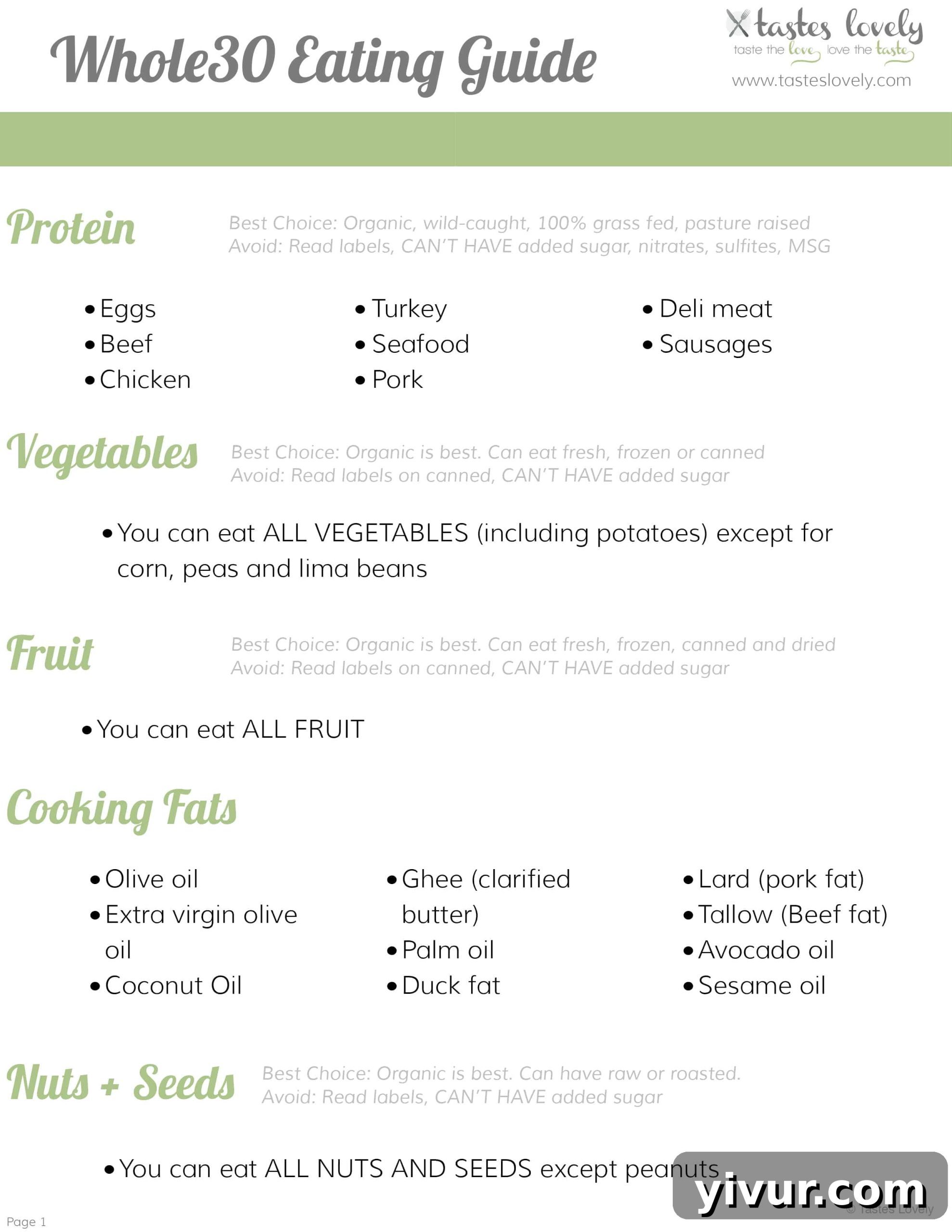
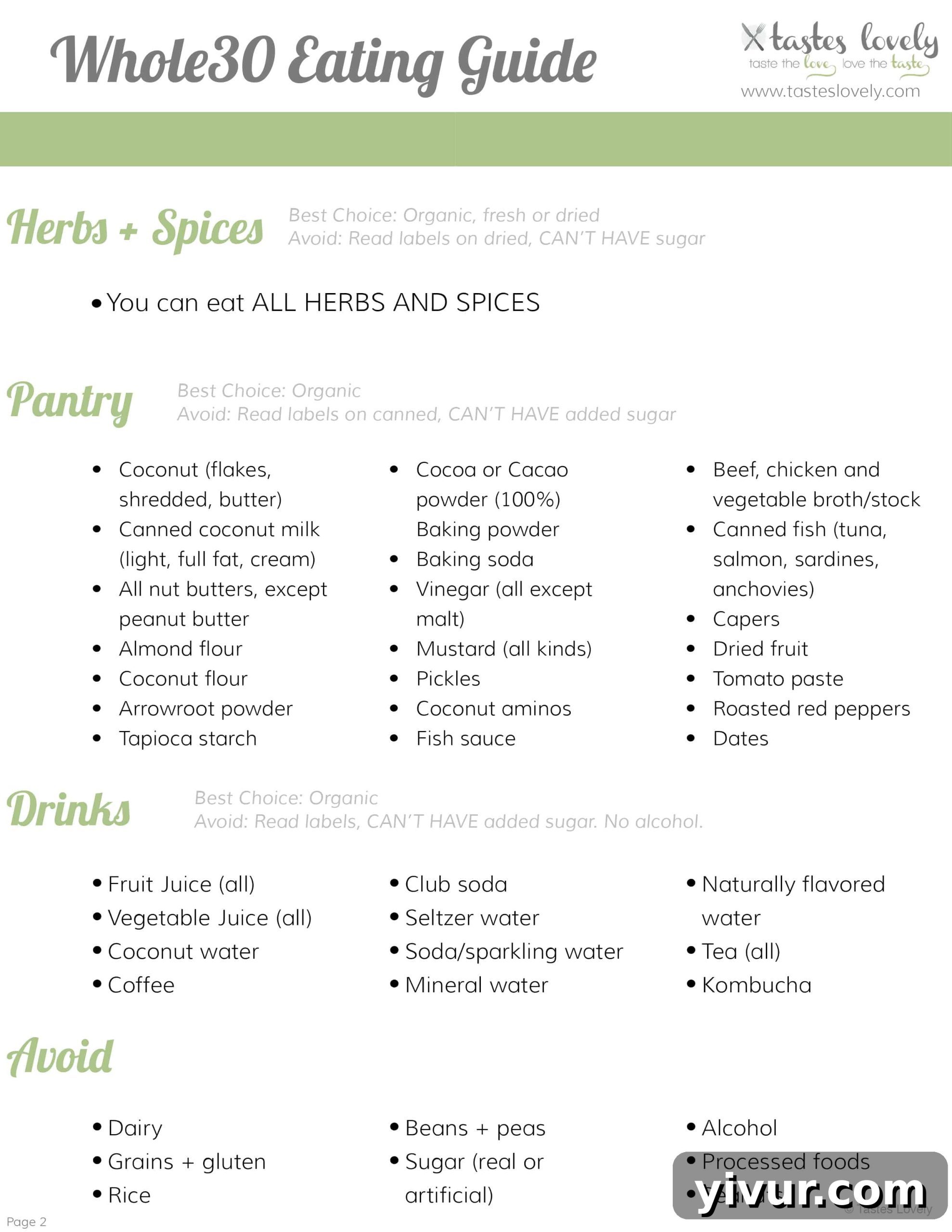
Navigating the grocery store during your first Whole30 can feel daunting, but with the right tools, it becomes a simple and empowering experience. To make your journey as smooth as possible, I’ve created a comprehensive printable Whole30 Eating Guide. This invaluable resource meticulously outlines all the foods you are encouraged to eat and, just as importantly, those you need to avoid. Having this guide on hand while shopping will help you make confident choices and stick to the program with ease.
Click each image below to print the PDF version of this indispensable guide. Keep it tucked in your purse or grocery bag, or even save it on your phone, ensuring you always have a clear reference for Whole30-compliant ingredients. This guide helps you embrace a variety of delicious, nutrient-dense foods:
- Proteins: Focus on high-quality sources like grass-fed beef, pastured poultry, wild-caught fish and seafood, and eggs. These form the backbone of satisfying meals.
- Vegetables: Load up on an abundance of non-starchy vegetables such as leafy greens, broccoli, cauliflower, bell peppers, asparagus, and zucchini. Don’t forget starchy options like sweet potatoes and winter squash for sustained energy.
- Fruits: Enjoy fruits in moderation, focusing on berries, apples, bananas, and citrus. They offer natural sweetness and essential vitamins.
- Healthy Fats: Incorporate beneficial fats from avocados, olives, coconut, nuts (except peanuts), and seeds. Use cooking oils like olive oil, coconut oil, and avocado oil.
- Herbs and Spices: Flavor your meals generously with natural herbs and spices, which are all Whole30 compliant and add incredible depth without unhealthy additives.
Delicious Whole30 Recipes to Inspire Your Journey
Eating healthily and adhering to the Whole30 rules doesn’t mean sacrificing flavor or variety. In fact, many participants discover a newfound love for cooking and experimenting with fresh, whole ingredients. To ensure your 30 days are filled with exciting and delicious meals, I have curated an extensive collection of over 100 Whole30-compliant recipes. This vast library covers every meal of the day and beyond, including hearty breakfasts, satisfying lunches, flavorful dinners, delightful coffee drinks (compliant, of course!), creative appetizers, wholesome side dishes, and even homemade condiments that elevate your meals without breaking the rules. And the best part? All these recipes are available to you completely free of charge!
Whether you’re looking for quick weeknight meals, impressive dishes for guests, or simply new ideas to keep your palate engaged, you’ll find an abundance of inspiration here. Each recipe is crafted to be delicious, easy to follow, and fully compliant with the Whole30 standards, making your journey enjoyable and sustainable. Don’t let the rules intimidate you; instead, let them spark your culinary creativity.
Click here to visually view all of my Whole30 recipes and start planning your delicious 30 days today!
Life After Whole30: Sustaining Your Health and Food Freedom
Congratulations! You’ve successfully completed your Whole30 journey. This is a significant accomplishment, and it’s highly likely that you’re feeling, sleeping, and looking better than you have in a long time! The improvements you’ve experienced in energy, mood, digestion, and overall well-being are a testament to the power of whole, unprocessed foods and the discipline you’ve cultivated.
Now that you’ve completed the reset, you have several paths forward. If you’re feeling incredibly empowered and want to deepen your understanding or tackle more specific health goals, going for another Whole30 round can be immensely beneficial. However, for most, the post-Whole30 reintroduction phase is critical. This period is designed to slowly and systematically reintroduce foods you eliminated, one group at a time, to observe how your body responds. This systematic reintroduction is where you truly discover your individual food sensitivities and identify which foods are worth keeping in your regular diet and which are best avoided. This knowledge is priceless, forming the foundation of your personalized eating habits moving forward.
For me personally, as a long-term, sustainable transition, I have found great success in adopting an 80/20 Paleo diet. The Paleo diet, which emphasizes whole, unprocessed foods similar to Whole30 but is less restrictive, offers a much more realistic and flexible eating plan for my family and me. It allows for natural sweeteners like honey, maple syrup, coconut sugar, and maple sugar in moderation, which can make it more sustainable in the long run.
My 80/20 approach means that 80% of the time, I adhere to a strict Paleo diet, focusing on lean proteins, abundant vegetables, healthy fats, and fruits. For the remaining 20% of the time, I allow myself to indulge in foods that might not be strictly Paleo, like a delicious piece of rice or a slice of artisanal bread. This balanced approach acknowledges that going through life without ever enjoying certain foods again isn’t feasible or desirable for everyone. It’s about finding harmony and moderation rather than perfection.
I am fortunate that I don’t experience significant issues digesting gluten or grains in small amounts. However, I have discovered through elimination and reintroduction that I do have sensitivities to dairy. Because of this insight gained from my own Whole30 experiences, I very rarely indulge in any dairy products. This personalized understanding of my body’s reactions empowers me to make conscious choices that support my ongoing health and well-being. The Whole30 provides the tools; the reintroduction phase teaches you how to use them to create your unique path to food freedom and lasting health.