Embarking on a weight loss journey can be incredibly rewarding, offering a renewed sense of energy, improved health, and a boost in confidence. However, it’s also a path often dotted with challenges, moments of frustration, and what many describe as the dreaded “weight loss plateau.” If you’ve found yourself diligently following your plan for days or even weeks, only to see the scale stubbornly refuse to budge, you’re not alone. This experience is a common hurdle for many, and it’s precisely why understanding how to navigate these periods of slow or stagnant progress is crucial for long-term success.
I understand this frustration firsthand. My own journey involved losing 50 pounds in a remarkable six months by committing to a clean keto lifestyle. In the initial phases, it truly felt as though the weight was effortlessly melting away. The numbers on the scale dropped consistently, providing powerful motivation. Yet, around the third month, the rapid pace began to slow, transitioning into a more gradual, sometimes frustratingly slow, descent. It was during this time that I learned the importance of patience, consistency, and a strategic approach to breaking through plateaus.
This comprehensive guide is designed to offer you the advice, insights, and actionable strategies I discovered to overcome those challenging moments when weight loss stalls. Whether you’re just starting and feeling discouraged by immediate results, or you’re deep into your journey and have hit a wall, these tips will equip you with the knowledge to push past the plateau and continue toward your health goals.
My Personal Weight Loss Timeline: Expecting the Unexpected
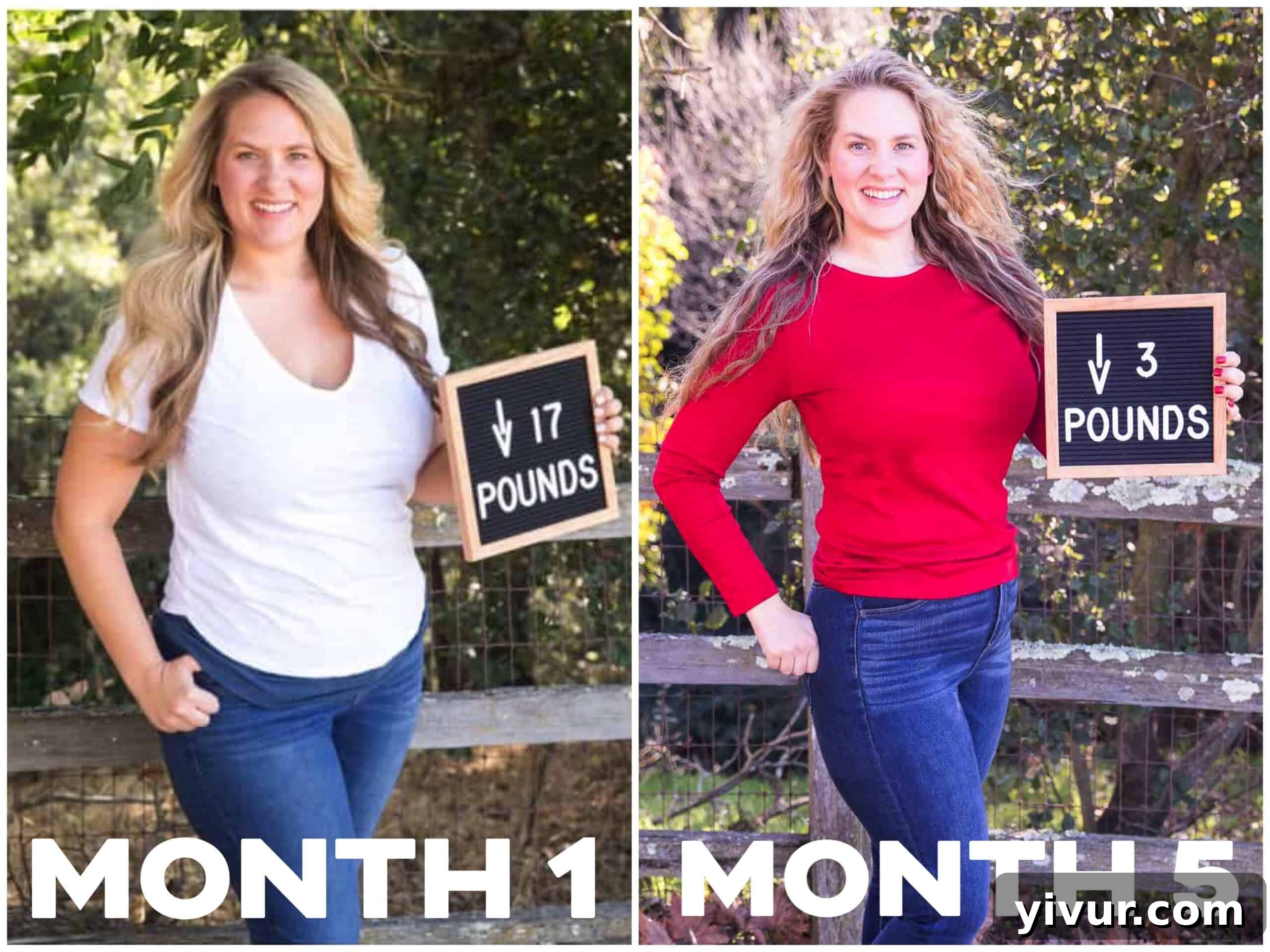
While everyone’s body is unique, I know many find comfort and motivation in concrete numbers. For those curious about the specifics, you can see how much I lost every single month since starting Clean Keto in September 2019. It clearly illustrates that the rate of loss isn’t linear; the initial rapid drop gives way to a slower, but equally important, progression. Understanding this natural ebb and flow can help set realistic expectations for your own journey.
“It’s Been A Week And I Haven’t Lost Weight! Help!” Addressing the Immediate Frustration
Ugh. That feeling of stepping on the scale after a week of dedicated effort, only for the numbers to remain unchanged or even creep up slightly, can be incredibly disheartening. Believe me, I’ve been there, and I send you a virtual hug, friend. It’s exhilarating to witness those pounds disappear, and when they don’t, it’s easy for doubt and discouragement to creep in. The immediate urge might be to give up, to think that your efforts are futile.
My most important piece of advice? DON’T GIVE UP! Just because you didn’t lose a pound over a few days or a few weeks, it doesn’t mean your body isn’t working hard or that your efforts are in vain. Consistency is key. Keep at it for another week, or even a full month, and then compare your progress. You might be surprised to see a sudden drop, or notice other positive changes that the scale doesn’t reflect.
Think of your weight loss journey like a car trip to an important destination. You’re making great progress, but then you encounter a traffic jam due to an unforeseen accident. Your journey slows significantly. Are you going to give up, turn around, and just go home? Of course not! You’ll patiently wait in traffic, trusting that if you keep moving forward, even slowly, you will eventually reach your destination. Weight loss works much the same way. There will be periods of smooth sailing and periods of frustrating slowdowns. The crucial part is to keep moving forward.
This analogy holds especially true after the initial rapid weight loss often experienced at the beginning of a dietary change, particularly with low-carb diets like keto, where a significant amount of water weight can be shed quickly. For instance, in my first month, I lost a remarkable 17 pounds. By my fifth month, the loss was a more modest 3 pounds. But every single pound adds up, contributing to the overall goal and transforming your health.
Breaking Through the Barrier: 11 Powerful Strategies for Weight Loss Plateaus
When the scale stops moving, it’s a signal to reassess and adjust your approach. Here are 11 proven strategies to help you break through a weight loss plateau and reignite your progress:
1. Are You Maintaining Optimal Low-Carb Intake?
For a ketogenic diet to be effective, consistent low-carb intake is paramount. Your body needs to remain in a state of ketosis, where it efficiently burns fat for fuel instead of carbohydrates. I personally aim to stick to under 25 grams of net carbs per day. It’s easy for hidden carbs to sneak into your diet, especially from processed foods, sauces, or even some vegetables. When facing a plateau, it’s wise to meticulously track your meals for a few days or a week to ensure you’re truly keeping your carb count low enough to maintain ketosis. Understanding and tracking your macros is fundamental to success. For a detailed guide, refer to my post on my macro goals and how to track your macros properly.
2. Is Your Healthy Fat Intake Sufficient?
Alongside restricting carbohydrates, ensuring an adequate intake of healthy fats is critical for a keto diet. Fat is your primary energy source on keto, and consuming enough healthy fats helps signal to your body that it has plenty of fuel, encouraging it to adapt to burning fat more efficiently. If your fat intake is too low, your body might struggle to fully adapt to a fat-fueled metabolism, potentially hindering weight loss. Incorporating more healthy fats can also help with satiety, reducing cravings. Excellent sources of healthy fats include:
- Avocados: Rich in monounsaturated fats and incredibly versatile.
- Quality Cooking Fats: Ghee, coconut oil, avocado oil, and olive oil are excellent for cooking and dressing dishes.
- Nut Butters: Almond butter, pecan butter, and cashew butter can be enjoyed in moderation. Check labels for added sugars. I even have a recipe for mixed nut butter.
- Keto-Friendly Sauces & Dips: Many delicious options can boost your fat intake without adding carbs. Explore my collection of keto sauces and dips.
3. Have You Considered Intermittent Fasting (IF)?
Intermittent fasting (IF) is a powerful tool often used in conjunction with keto to accelerate fat burning and improve metabolic health. By compressing your eating window (e.g., 8 hours of eating, 16 hours of fasting), you extend the period during which your body can focus on fat burning rather than digestion. This allows your body to more efficiently process nutrients and tap into stored fat reserves for energy. Many find that incorporating IF, even just a few days a week, can help break through a plateau. Common methods include 16:8 (fast for 16 hours, eat within an 8-hour window) or 18:6. Experiment to find a schedule that works best for your lifestyle.
4. Are You Incorporating Regular Exercise?
While diet is paramount for weight loss, integrating physical activity significantly enhances your results and overall health. Even a simple 30-minute brisk walk daily can elevate your heart rate, boost your metabolism, and encourage your body to burn more fat. For even greater impact, consider adding strength training. Building muscle is incredibly beneficial because muscle tissue burns more calories at rest than fat tissue. This means the more muscle you have, the higher your resting metabolic rate, leading to more efficient fat burning around the clock. This is one reason why men often experience faster weight loss; they typically have a higher muscle mass percentage. I regularly share insights into my exercise routine and favorite workout gear here.
5. How Often Are You Having Indulgence Meals?
Your body is most efficient at losing weight when it is consistently in a state of ketosis – burning fat for energy. It typically takes about a week for your body to transition into full ketosis when you first start a keto diet. If you frequently indulge in “cheat” meals or high-carb foods, you are likely kicking your body out of ketosis. Each time this happens, your body switches back to burning carbohydrates for energy, halting fat loss and forcing you to re-enter ketosis all over again, which can take days. To maximize progress, especially when overcoming a plateau, it’s best to minimize indulgence meals until you’ve reached your goal weight or significantly stabilized your loss. For more detailed information on why consistency matters, I’ve shared my thoughts on why I avoid cheat meals during your weight loss journey here.
6. Are You Effectively Managing Stress Levels?
Chronic stress is a silent saboteur of weight loss. When you’re under significant stress, your body releases cortisol, often referred to as the “stress hormone.” Elevated cortisol levels can lead to increased appetite, cravings for sugary and fatty foods, and a tendency for the body to store fat, particularly around the abdominal area. If stress is a prominent factor in your life, finding healthy and sustainable ways to manage it is crucial. Activities such as walking in nature, jogging, meditation, yoga, deep breathing exercises, or engaging in hobbies you enjoy can immensely help lower cortisol levels and support your weight loss efforts.
7. Are You Prioritizing Adequate Sleep?
The importance of sleep for overall health, and especially for weight loss, cannot be overstated. When you get a proper amount of quality sleep (typically 7-9 hours for most adults), your body effectively regulates key hormones that influence appetite and metabolism. Specifically, it releases leptin, a hormone that signals satiety and helps suppress appetite, while also encouraging fat burning. Conversely, insufficient sleep can disrupt these hormones, increasing ghrelin (the “hunger hormone”) and leading to increased cravings, decreased metabolism, and a greater likelihood of weight gain. Make a concerted effort to establish a consistent sleep schedule and create a relaxing bedtime routine to ensure you’re getting the restorative sleep your body needs.
8. Rethink Daily Weigh-ins: Step Away from the Scale
This is a significant tip that has personally helped me immensely, particularly as my weight loss numbers became less drastic. Obsessively weighing yourself every single day can be counterproductive. The scale can fluctuate wildly day-to-day due to various factors unrelated to actual fat loss, such as hydration levels, sodium intake, recent bowel movements, and hormonal shifts. For women, it’s very common to see a temporary increase of a pound or two during their menstrual cycle, only for it to drop back down afterwards. Daily weigh-ins can cause unnecessary stress and discouragement. Instead, focus on weekly or even monthly weigh-ins to get a more accurate picture of your progress.
9. Cultivate a Long-Term Perspective on Weight Loss
True and sustainable weight loss is a marathon, not a sprint. It’s vital to shift your mindset from seeking immediate gratification to embracing a long-term perspective. Instead of fixating on day-to-day fluctuations, compare your progress week by week, or even better, month by month. Look at trends over time rather than individual data points. Small, consistent losses over an extended period accumulate into significant and lasting results. This approach reduces stress and helps you appreciate the journey, understanding that plateaus are just temporary stops, not roadblocks.
10. Celebrate Every Pound and Every Non-Scale Victory
Even if you’ve only lost a single pound in a month, CELEBRATE THAT POUND! It represents progress, dedication, and a step closer to your health goals. Acknowledge and reward your efforts, no matter how small the numerical achievement. Beyond the scale, celebrate “non-scale victories” (NSVs) such as improved energy levels, clothes fitting better, clearer skin, better sleep, increased strength, or a more positive mood. As with all things in life, when you consciously choose to focus on the good, the good tends to get better and more abundant.
11. Focus On Your Other Holistic Health Benefits
Whenever I start to feel discouraged that the weight isn’t coming off faster, I deliberately shift my focus to all the other incredible health benefits I’m experiencing from clean eating and a healthy lifestyle. This holistic view provides a powerful reminder that your journey is about far more than just a number on a scale. Think about:
- Deeper, More Restful Sleep: Waking up refreshed and energized.
- Clearer Skin: A radiant complexion that reflects inner health.
- Enhanced Mood and Mental Clarity: Feeling more positive, focused, and resilient.
- Improved Clothes Fit: Feeling comfortable and confident in your favorite outfits.
- Increased Energy Levels: Having the stamina to enjoy life more fully.
- Better Digestion: Feeling lighter and more comfortable after meals.
These are profound improvements that contribute significantly to your quality of life and are often the most sustainable motivators. Your overall health and well-being are vastly more important and encompassing than just the number displayed on a digital scale.
A Final Bit Of Encouragement and Guidance
If you’ve diligently implemented all these strategies, and the scale is still moving slower than you’d like, remember to remain patient. Give it another month or two. Weight loss, especially when significant, is a long-term commitment. It often takes a considerable amount of time for weight to accumulate, and it’s equally realistic to expect that it will take time to come off permanently. Focus on the sustainable changes you’re making and enjoy all the other remarkable health benefits you’re gaining in the meantime.
For a more personalized plan of action, especially if you have underlying health concerns or feel truly stuck, never hesitate to consult your doctor or a registered dietitian. They can provide tailored advice and support to ensure your journey is safe and effective.