Embarking on a journey towards a healthier lifestyle often begins at the heart of the home: the kitchen. This is where nourishing meals are prepared, and for many, it’s a space of creativity and comfort. However, an often-overlooked aspect of a truly healthy kitchen is the safety of the tools we use daily. In a world increasingly aware of environmental toxins and their impact on our well-being, choosing non-toxic kitchen utensils and small gadgets is a crucial step towards safeguarding your health and the health of your loved ones.
The truth is, many conventional kitchen tools, especially those made from plastic or with certain non-stick coatings, can leach harmful chemicals into your food, particularly when exposed to heat or abrasive use. These chemicals, such as BPA, phthalates, and PFAS, have been linked to a range of health concerns. But fear not! Transitioning to a toxic-free kitchen doesn’t have to be overwhelming. It’s about making informed choices, gradually replacing older items with safer, more sustainable alternatives. By opting for materials like silicone, bamboo, stainless steel, and glass, you can significantly reduce your exposure to unwanted chemicals, ensuring that your cooking truly contributes to your health.
If you’re ready to embrace a holistic approach to a toxic-free home, you might find inspiration and practical steps in our comprehensive guide: Why I Made My Home Toxic Free + How I Did It!
Essential Non-Toxic Kitchen Utensils & Gadgets for a Healthier Home
Creating a safer cooking environment starts with the right tools. Here, we’ve compiled a list of our top picks for non-toxic kitchen utensils and gadgets, thoughtfully chosen for their safety, durability, and performance. Each item represents a conscious decision to avoid harmful chemicals, ensuring peace of mind with every meal prepared. From fundamental stirring spoons to essential measuring tools, discover how simple changes can make a profound difference in your kitchen’s health profile.
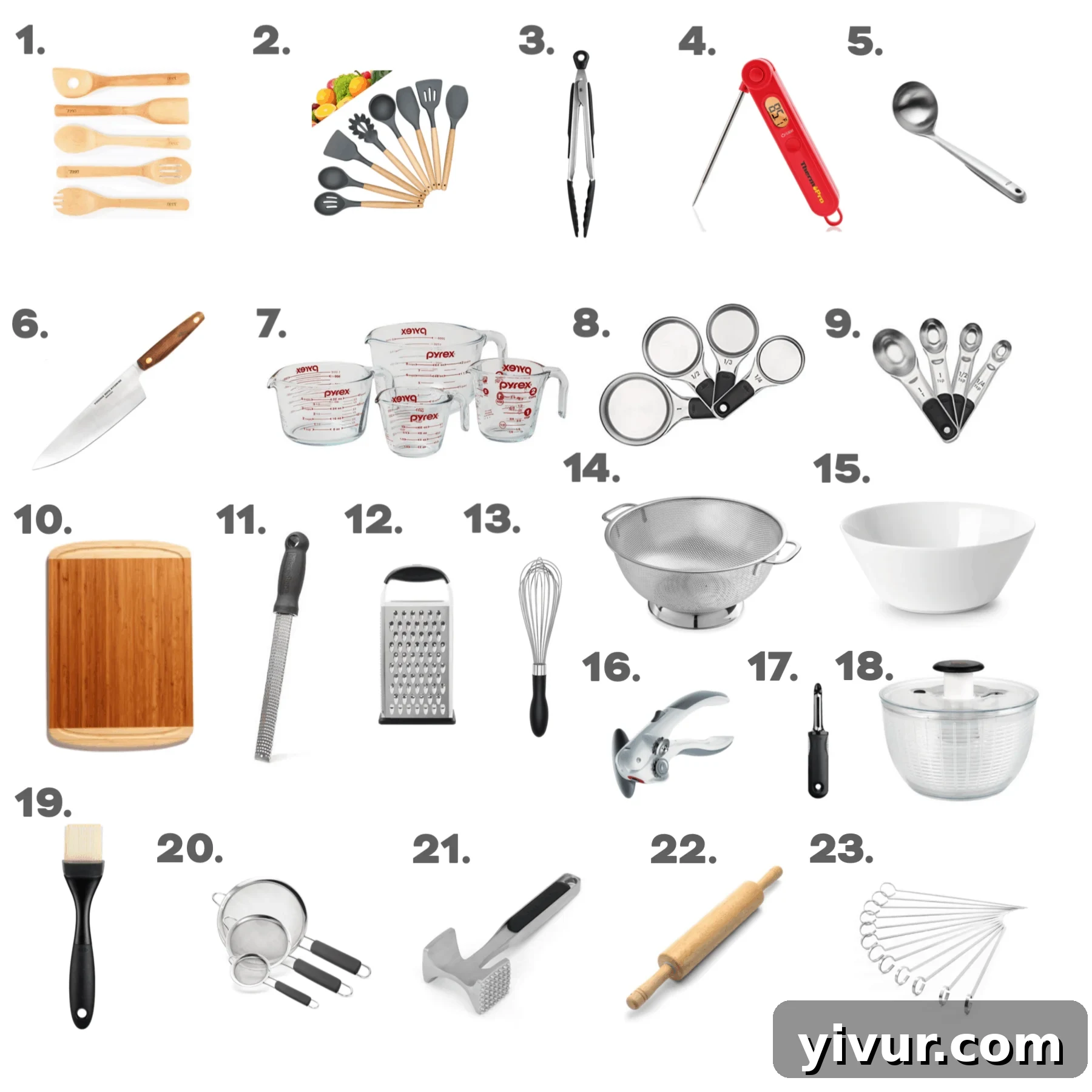
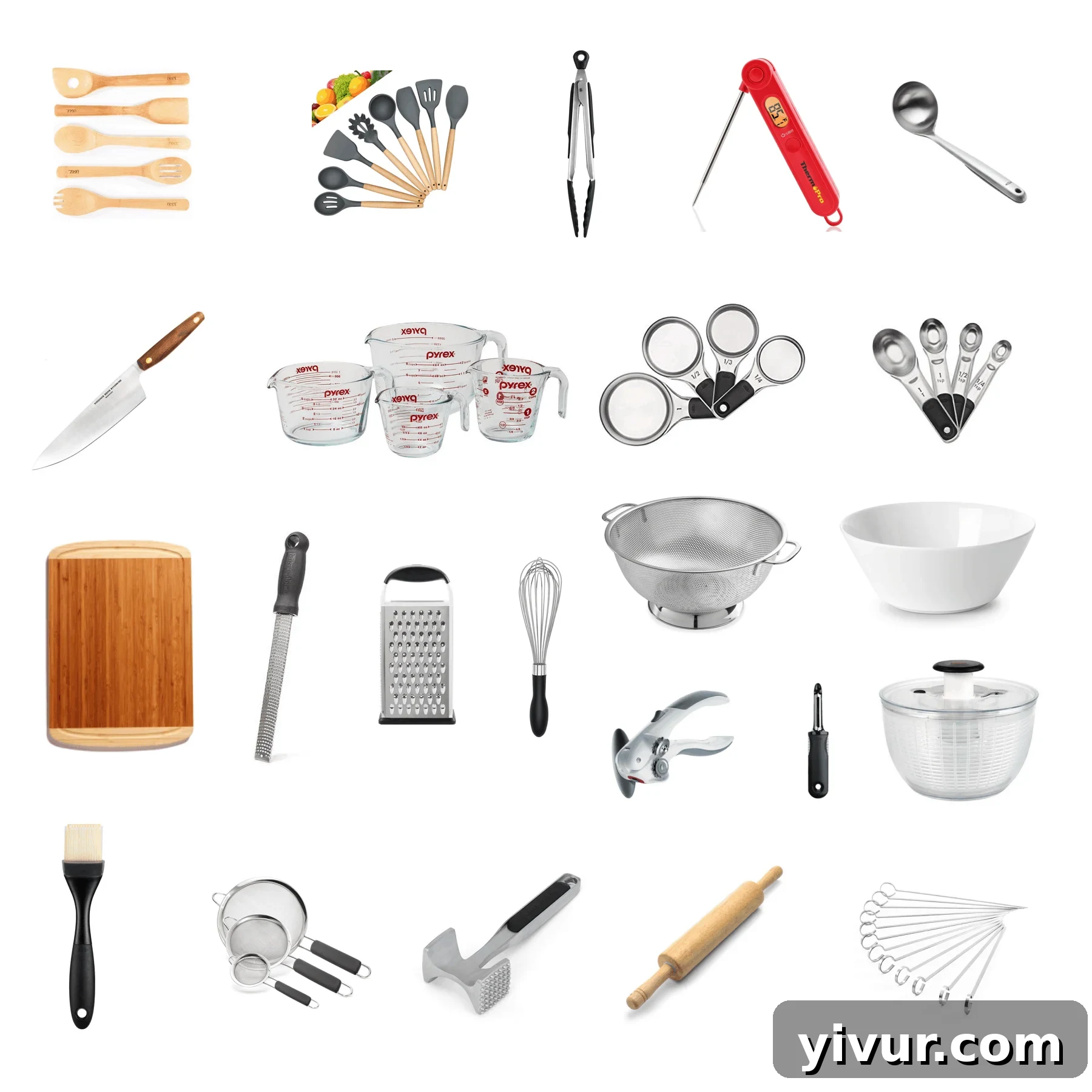
- Organic Bamboo Utensils: These versatile and eco-friendly utensils are an excellent replacement for conventional plastic or nylon options. Bamboo is naturally durable, lightweight, and gentle on all types of cookware, including delicate non-stick surfaces and robust cast iron skillets. Their natural strength allows for effective scraping without scratching, making them ideal for everything from stir-frying to serving. Beyond their practical benefits, organic bamboo is a renewable resource, making these utensils a sustainable choice for your kitchen. They bring a touch of natural elegance to your culinary space while keeping harmful plastics away from your food.
- Silicone Spatulas: When working with non-stick ceramic cookware, like Greenpans, the softness and flexibility of high-quality silicone spatulas are unparalleled. Food-grade silicone is heat-resistant, non-reactive, and entirely non-toxic, ensuring no chemicals leach into your delicious dishes. Their gentle nature protects the delicate ceramic coating from scratches, prolonging the life of your expensive cookware. These spatulas are incredibly versatile, perfect for flipping delicate foods, stirring sauces, or scraping bowls clean, offering both safety and efficiency in your daily cooking.
- Silicone Tongs: A truly indispensable tool in any kitchen, silicone-tipped tongs combine the strength of stainless steel with the protective qualities of silicone. These tongs are incredibly versatile, perfect for handling hot meats on the stove, tossing vegetables in a pan, or even grilling on the BBQ. The silicone heads ensure a firm grip without scratching your cookware and are completely heat-resistant and non-toxic. Having a couple of these on hand will streamline your cooking process and keep your hands safe from heat.
- Meat Thermometer: Achieving perfectly cooked meat every time is a hallmark of a confident cook, and a reliable meat thermometer is the secret weapon. This gadget takes the guesswork out of cooking, ensuring your meat is neither undercooked and unsafe nor overcooked and dry. Most high-quality meat thermometers feature stainless steel probes, a safe and non-reactive material that accurately measures internal temperatures. It’s an affordable investment that significantly enhances food safety and the quality of your meals, providing peace of mind from potential foodborne illnesses.
- Soup Ladle: A sturdy stainless steel soup ladle is a kitchen essential built for longevity and safety. Stainless steel is a preferred material for kitchenware due to its non-reactive properties, meaning it won’t leach metals or flavors into your food, even with acidic ingredients. It’s incredibly durable, resistant to rust and corrosion, and easy to clean, making it a hygienic choice for serving everything from hearty stews to delicate broths.
- Chef’s Knife: A high-quality chef’s knife is arguably the most important tool in a kitchen. Investing in a durable, sharp, and well-balanced knife transforms the cooking experience, making prep work faster, safer, and more enjoyable. Look for knives made from high-carbon stainless steel, which offers excellent edge retention and resistance to corrosion. A sharp knife is not only more efficient but also safer, as it requires less force to cut, reducing the risk of slips. A good chef’s knife, properly cared for, can last a lifetime, becoming a true extension of your culinary hand.
- Glass Measuring Cups: While plastic measuring cups might seem convenient, they pose a significant health risk when heated, potentially leaching chemicals into your ingredients. Glass measuring cups offer a superior and completely safe alternative. Made from inert material, glass won’t react with food, is heat-safe for microwave use, and is incredibly durable. Their transparent nature allows for precise measurements, and they are easy to clean, resisting stains and odors. This simple switch is a significant step towards a healthier, chemical-free kitchen.
- Metal Measuring Cups: For accurately measuring dry ingredients, a set of stainless steel measuring cups is indispensable. Stainless steel is a robust, non-reactive, and food-safe material that will not rust or corrode, even with frequent use and washing. These cups are built to last and are perfect for baking and cooking, ensuring precise quantities for consistent results. A fantastic bonus feature often found in these sets is a magnetic design that allows the cups to stack neatly together, saving drawer space and keeping them organized and easily accessible.
- Metal Measuring Spoons: Complementing your metal measuring cups, a set of stainless steel measuring spoons offers the same benefits of durability and non-toxicity. Crucial for measuring small quantities of spices, extracts, and leavening agents, these spoons ensure accuracy in your recipes. Many sets also feature a magnetic design, allowing them to cling together for convenient storage, preventing them from getting lost in a cluttered drawer and making them a joy to use.
- Organic Bamboo Cutting Board: The dangers of plastic cutting boards extend beyond hygiene concerns; they can shed tiny plastic shards into your food with every chop. An organic bamboo cutting board provides a far safer and more sustainable alternative. Bamboo is naturally dense and resistant to knife marks, which helps minimize bacterial growth. It’s also gentle on knife blades, helping them stay sharper longer. Furthermore, bamboo is a rapidly renewable resource, making this an environmentally conscious choice that prevents microplastics from contaminating your meals.
- Microplane Zester: This seemingly small gadget packs a powerful punch in the kitchen. A microplane zester, typically made with high-quality stainless steel blades, is the easiest and most efficient way to finely grate garlic, ginger, parmesan cheese, or zest citrus fruits. Its razor-sharp edges produce delicate shavings that release maximum flavor, elevating your dishes. It’s a durable, long-lasting tool that’s easy to clean and adds incredible versatility to your cooking arsenal without any toxic concerns.
- Box Grater: For larger grating tasks, a robust stainless steel box grater is indispensable. With multiple grating surfaces (fine, medium, coarse, and slicing), it efficiently handles everything from blocks of cheese to vegetables like zucchini and carrots, and even hard-boiled eggs. Stainless steel ensures hygiene, durability, and no transfer of unwanted flavors or chemicals to your ingredients. It’s a classic kitchen tool that stands the test of time.
- Stainless Steel Whisk: From aerating dry ingredients for baking to emulsifying dressings or creating lump-free gravies, a stainless steel whisk is a fundamental tool. Its durable construction means it won’t rust, warp, or react with food. The various loops and wires effectively incorporate air and blend ingredients smoothly, making it a reliable choice for countless culinary tasks. It’s easy to clean and built to withstand frequent use.
- Stainless Steel Colander: A high-quality stainless steel colander is a workhorse in the kitchen, essential for straining pasta, rinsing fruits and vegetables, or draining cooked meats. Unlike plastic alternatives, stainless steel is resistant to stains, odors, and heat, and it won’t warp over time. Its sturdy construction ensures it can handle heavy loads, and its non-reactive surface guarantees that only pure food comes into contact with your ingredients.
- Salad Bowl: While the specific material isn’t mentioned in the original, a large, non-toxic salad bowl is crucial for preparing and serving fresh, vibrant salads. Opt for bowls made of glass, stainless steel, or natural wood (like bamboo or acacia). These materials are durable, attractive, and most importantly, won’t leach any undesirable substances into your healthy greens. A generously sized bowl makes tossing ingredients a breeze, ensuring every leaf is perfectly dressed.
- Can Opener: An effective and durable can opener is an often-underestimated kitchen gadget. Choose one with stainless steel cutting wheels and a comfortable, ergonomic handle. A well-designed can opener ensures smooth, clean cuts without leaving sharp edges, and a quality construction means it will last for years, providing reliable service without any toxic components coming into contact with your food.
- Vegetable Peeler: A sharp and efficient vegetable peeler is a game-changer for quick and safe food preparation. Look for peelers with a high-quality stainless steel blade and a comfortable grip. These allow for effortless peeling of various fruits and vegetables, minimizing waste and speeding up your cooking process. A non-toxic peeler ensures that no plastic comes into contact with the food as you remove its outer layer.
- Salad Spinner: Achieving perfectly dry salad greens is essential for dressings to adhere properly and for a crisp texture. A salad spinner efficiently removes excess water from washed greens. While some components might be plastic, prioritize models where the basket and any parts that come into direct contact with food are made from BPA-free plastics or, ideally, stainless steel. This ensures your greens are clean, crisp, and free from chemical contaminants.
- Pastry Brush: Traditional pastry brushes can sometimes shed bristles or be difficult to clean, harboring bacteria. A modern pastry brush with silicone bristles offers a superior, non-toxic solution. Food-grade silicone is heat-resistant, easy to clean, hygienic, and won’t shed bristles into your food. It’s perfect for basting meats, glazing pastries, or greasing baking pans, ensuring a toxic-free application every time.
- Stainless Steel Strainer: Similar to a colander but often with finer mesh, a stainless steel strainer is invaluable for tasks like rinsing small grains, sifting flour, or straining sauces and broths for a perfectly smooth consistency. Its durable stainless steel construction ensures it’s non-reactive, rust-proof, and easy to clean, making it a hygienic and long-lasting tool in your kitchen.
- Meat Mallet: A sturdy meat mallet, often made of durable aluminum or stainless steel, is used to tenderize cuts of meat or to flatten poultry for even cooking. This tool ensures that tough fibers are broken down, resulting in more tender and flavorful dishes. Choosing one made from metal guarantees durability and prevents any plastic contaminants from reaching your food.
- Rolling Pin: Essential for baking and pastry making, a robust rolling pin made from natural wood or stainless steel is a non-toxic choice. Wooden rolling pins are a classic for their natural feel and ability to prevent dough from sticking, while stainless steel options offer excellent hygiene and can be chilled to keep dough cool. Both are superior to plastic alternatives, ensuring your baked goods are prepared without any unwanted chemical exposure.
- Metal Skewers: Perfect for grilling kebabs or roasting vegetables, metal skewers (typically stainless steel) are reusable, durable, and completely non-toxic. Unlike wooden skewers that can burn or splinter, metal skewers conduct heat, helping to cook food from the inside out, resulting in more evenly cooked and delicious results. They are easy to clean and a sustainable alternative to disposable options.
Making the switch to non-toxic kitchen utensils is more than just a trend; it’s a vital investment in your health and the well-being of your family. By carefully selecting tools made from safe materials like organic bamboo, food-grade silicone, durable stainless steel, and inert glass, you actively reduce your exposure to potentially harmful chemicals. This transition not only contributes to a healthier cooking environment but also often means investing in higher quality, more durable items that will serve you well for years to come. Embrace these sustainable and safe alternatives, and enjoy the peace of mind that comes with preparing truly healthy, delicious meals in a toxic-free kitchen. Your health, and your taste buds, will thank you.
This post contains affiliate links, and we appreciate your support!