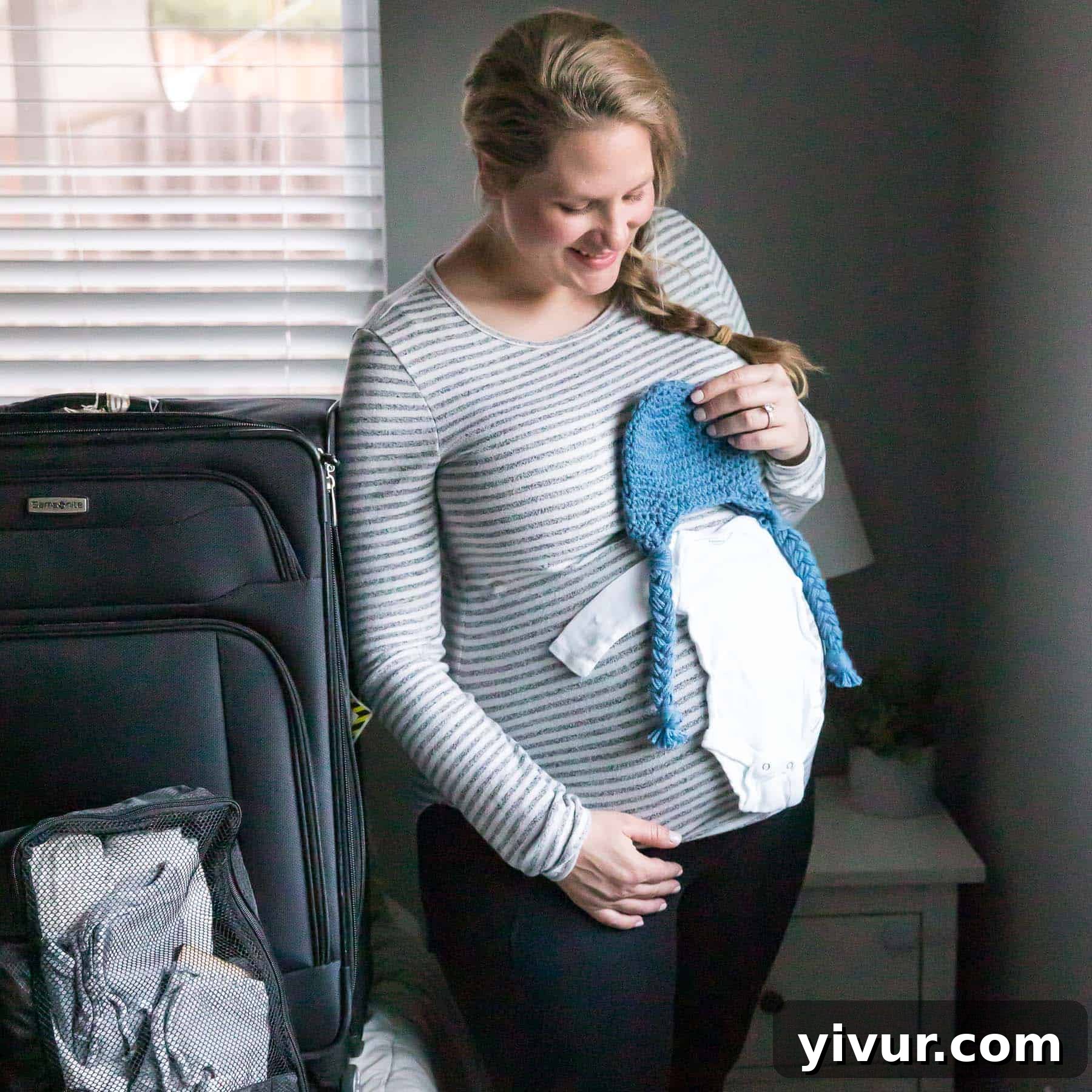
Preparing for a hospital birth is an exciting and essential step on your journey to meeting your new baby. After three previous hospital births, I’ve gathered invaluable insights into what truly makes a difference in your hospital bag – for mom, dad, and baby alike. This comprehensive guide is designed to help you pack efficiently, stress-free, and ensure you have everything you need for a comfortable and memorable birthing experience, plus some clever tips and tricks I’ve learned along the way!
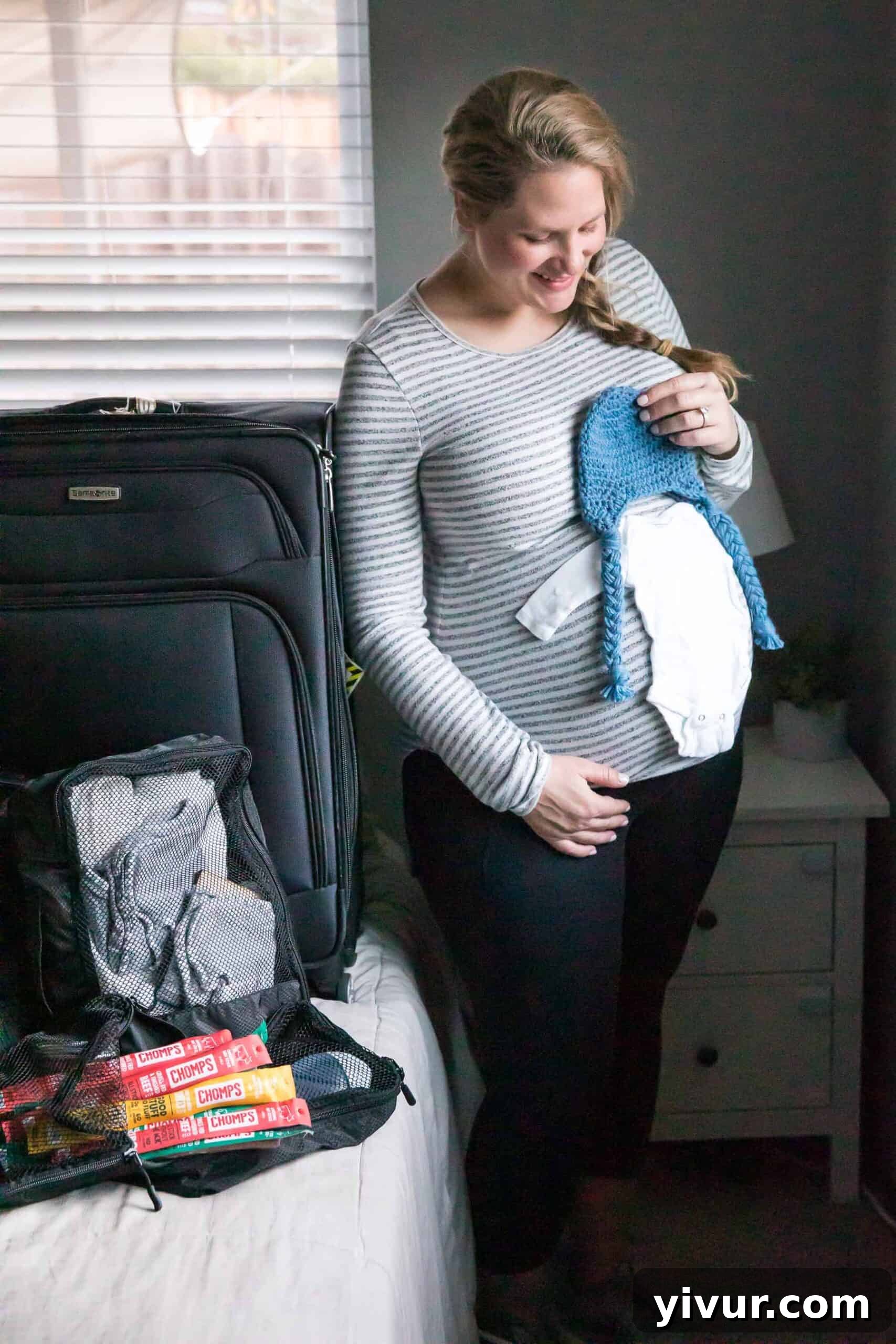
The arrival of a new baby is one of life’s most precious moments, and being well-prepared can significantly enhance the experience. With my fourth baby on the way, I’ve become quite adept at knowing exactly what to pack in my hospital bag for labor and delivery, and perhaps more importantly, what can be left at home. My philosophy revolves around comfort, practicality, and making sure that both parents feel supported and ready for their new arrival.
Life with a newborn can be unpredictable, and sometimes, babies arrive earlier than expected! I’ve learned that even if your water breaks eight weeks early, as mine once did before I’d bought a single baby item or packed a bag, everything somehow still works out. So, while preparation brings peace of mind, remember that flexibility and trust in the process are equally important. This guide aims to provide a solid foundation for your packing, allowing you to focus on the joy of meeting your little one.
Drawing on years of personal experience, I’m excited to share my best tips and a detailed checklist of what goes into my hospital bag for a seamless hospital birth. Let’s make your journey into parenthood as smooth and comfortable as possible!
Essential Packing Tips for Your Hospital Bag
Strategic packing can alleviate much of the anxiety leading up to your due date. Here are a few tried-and-true tips that have served me well over my multiple hospital births:
- Pack Early for Peace of Mind: I highly recommend having your hospital bag packed at least 6 to 7 weeks before your estimated due date. This proactive approach significantly reduces stress as your pregnancy progresses and you approach your final weeks. Having this crucial task completed frees up mental space, allowing you to relax and truly savor the last moments of your pregnancy. You’ll never regret being prepared ahead of schedule, especially if your baby decides to make an early appearance!
- Create a “Day-Of” Grab List: While most items can be packed weeks in advance – think clothing, phone chargers, and non-perishable snacks – some personal essentials are best grabbed on the day of your hospital visit. Items like your daily makeup, iPad, or toothbrush fall into this category. To ensure nothing is forgotten in the rush, I keep a dedicated “grab day of” list in the Notes app on my phone. When early labor begins, it’s a simple matter of gathering these last-minute items, ensuring your bag is perfectly complete and ready for departure.
- Opt for One Large Suitcase: Simplicity is key when navigating hospital corridors and changing rooms. I swear by using one large, wheeled suitcase – the kind too big for a carry-on. While it might seem mostly empty when you arrive, this spacious bag serves a crucial purpose: bringing home all the wonderful (and often free!) postpartum and baby supplies the hospital provides. You won’t want the added stress of cramming everything into a small bag when you’re exhausted and ready to head home with your newborn. A single, easily maneuverable suitcase also makes transportation from the car and between hospital rooms much more manageable for your partner.
- Embrace the Power of Packing Cubes: To maintain organization within that large suitcase, packing cubes are an absolute game-changer. These mesh bags allow you to neatly categorize and compartmentalize “like” items, preventing a jumbled mess and making it incredibly easy to locate exactly what you need, when you need it. I use a variety of sizes – small for toiletries, medium for baby clothes, and large for mom’s outfits. They keep everything separated, sanitary, and easily accessible, reducing stress for everyone. I truly can’t recommend them enough for efficient hospital bag packing!
What’s In My Hospital Bag: A Detailed Breakdown
Here’s a comprehensive list of everything I pack, thoughtfully divided by who it’s for, ensuring every family member’s needs are met.
For Mama: Comfort, Recovery, and Self-Care
Post-birth comfort and a sense of normalcy are incredibly important for recovery. These items are chosen to support you through labor, delivery, and your initial postpartum days.
- Nursing Bras: Essential for comfort and easy access for breastfeeding. I love this soft, supportive option and this true-to-size style for their comfort and functionality.
- Cute Postpartum Pajamas: While hospital gowns are practical, having a couple of pairs of your own comfortable and “cute” pajamas can make a huge difference in how you feel. It’s a small luxury that helps you feel fresh, human, and a bit more like yourself. I adore these options and these true-to-size sets for their softness and thoughtful designs, perfect for nursing.
- Maternity Leggings (1-2 pairs): Comfort is paramount. Maternity leggings are ideal for postpartum as they offer gentle support without restrictive waistbands. They’re also perfect for holding those crucial ice packs in place! I’m truly obsessed with these (true to size) and also recommend these (size down one).
- Socks (2 pairs): Hospital floors can be chilly. Two pairs of warm, comfy socks are perfect. I typically wear the same shoes I came in when heading home, so no need for extra footwear.
- No Personal Underwear Needed: A personal preference! I don’t pack clean underwear because I absolutely love the mesh hospital ones they provide for free. They are incredibly comfortable, breathable, and perfect for postpartum recovery. Plus, you won’t have to worry about ruining your own underwear during those first few weeks!
- Comfy Long-Sleeve Tops (2): Ideal for layering and staying warm in potentially cool hospital rooms. These are fantastic and true to size.
- Comfy Short-Sleeve Tops (2): For when you need something lighter or for layering. These are also great and true to size.
- Makeup Bag & Chapstick: A little makeup can help you feel refreshed for visitors and photos. Chapstick is non-negotiable, as hospital air can be very drying.
- Seed Synbiotic: To support gut health and ease those dreaded first post-birth bowel movements. If you know, you know! My code TASTESLOVELY gives 15% off your purchase.
- Toiletries for a Refreshing Shower: Feeling clean can work wonders for your morale. My go-to items include:
- My favorite cleansing/moisturizing oil
- Reliable deodorant
- A travel-size bottle of my shower gel
- A mini loofah
- Razor
- Toothbrush + toothpaste
- 1 or 2 hair ties and a few bobby pins
- Hair brush
- I personally skip shampoo and conditioner, opting to wash my hair once home. However, if freshly washed hair is a must for you, definitely bring your own!
- No Shower Shoes or Hospital Towels: Many people love shower shoes, but I actually don’t pack them; I’m perfectly fine going barefoot in the hospital shower. I also don’t bring my own towels, as the hospital ones, though small, get the job done. I prioritize traveling light!
- Personal Water Bottle: While hospitals provide pitchers of water, having my own large water bottle encourages me to stay hydrated, which is crucial during and after labor.
- Boppy Nursing Pillow with Waterproof Cover: This pillow is invaluable for comfortable nursing positions, especially in the early days. The Boppy itself, paired with a waterproof cover, protects against inevitable spills and leaks.
- Skipping Pump and Nursing Pads: I don’t pack a breast pump or nursing pads. Hospitals typically have pumps available if needed, along with small cups and syringes for hand expression of colostrum. My milk usually doesn’t come in fully until day 3 postpartum, by which time we are generally home. If not, the hospital also provides nursing pads. Again, traveling light is my preference!
For Dada: Support, Comfort, and Readiness
Your partner plays a crucial role during labor and the early postpartum period. Ensuring their comfort and preparedness means they can fully support you and the baby.
- Jeans (1 pair): A comfortable, familiar option for everyday wear.
- T-shirts (3): Simple, comfortable tops for the duration of your stay.
- Underwear (3 pairs) & Socks (3 pairs): Fresh changes are always appreciated.
- A Hat: Great for quick cover-ups or just to feel more comfortable and put-together.
- Button-Front Flannel or Zip-Open Sweatshirt: Crucial for layering to stay warm and absolutely perfect for skin-to-skin contact with the newborn. Easy to open and close, making it versatile for various situations.
- Toiletries: While my partner can use many of my shared toiletries, he also likes to have his own shampoo and hair gel. I skip packing a razor and shaving cream, as he’s perfectly fine going a day or two without shaving.
- His Water Bottle: Hydration is just as important for your partner, especially during long labor hours.
For Baby: First Moments and Going Home
For the newest member of your family, just a few thoughtfully chosen items will suffice, as the hospital provides many of the essentials.
- Going-Home Outfit: For me, this means a simple, basic white long-sleeve onesie in both Newborn Size and 0-3 month size, paired with some plain pants. Babies grow quickly, and it’s always good to have two size options just in case. Comfort is key for their first ride home, not fashion!
- A Swaddle: Bringing your own soft, familiar swaddle can provide an extra layer of comfort for your baby. These have always been my babies’ favorites for their softness and snug fit.
- Swaddle Blankets (2): While the hospital provides blankets, I find them a bit scratchy and prefer my baby wrapped in my own soft, plain white swaddle blankets. I love these for their gentle feel and clean aesthetic.
- A Cute Hat: To keep their tiny head warm and for those adorable first photos. I got this one for baby Luke in Blue Moon, and this one for my newest baby in Blue Moon (without a name on it).
- Cute Wooden Name Placard & Sharpie: Perfect for capturing those precious first photos with their birth stats. I used this one for baby Luke and opted for this 5-inch Austin style for the newest arrival.
- One Pacifier (Just in case): While I try to wait a few days to avoid nipple confusion, sometimes a pacifier is exactly what a newborn needs for comfort. My boys have had their favorites: Josh loved these, Ryan preferred these, and Luke adored these. I’m trying these with the newest baby. It’s sweet how each has their own preference! Ultimately, whatever brings comfort to baby and mama in the moment is the right choice.
- Small Nail Clippers or Nail File: My babies often arrive with surprisingly long nails. A quick, gentle trim helps prevent them from accidentally scratching themselves. While not strictly necessary, it’s a little touch I appreciate doing. These clippers are handy.
- Newborn Car Seat: An absolute must for safe transport home. We leave it installed in the car until discharge day, as there’s no need to bring it into the hospital room. No stroller needed; my partner is happy to carry the car seat to the vehicle.
- No Diapers or Wipes: The hospital generously provides plenty of diapers and wipes for your baby’s stay, so you can leave yours at home.
For Snacks + Food: Fueling Up for Labor and Beyond
Hospital food isn’t always appealing, especially during or after labor. Having your own healthy, comforting snacks is vital for both parents to maintain energy and focus. My partner, Shawn, needs to be well-fed and alert to provide support!
- Meat Sticks & Protein Bars: Excellent sources of sustained energy and protein.
- Mixed Nuts & Dried/Freeze-Dried Fruit: Healthy fats, fiber, and quick energy.
- Applesauce Pouches & Crackers: Easy to digest and good for sensitive stomachs.
- Rice Cakes & Popcorn: Light, crunchy options for a change of pace.
- Fresh Fruit: Apples or oranges are refreshing and easy to grab on your way to the hospital.
- Electrolyte Powder: To mix with water for crucial rehydration, especially during labor. Use code TASTESLOVELY15 for 15% off sitewide.
- Protein Blender Bottle & Powder: I pack my protein blender bottle and favorite protein powder (code TASTESLOVELY15 for 15% off sitewide) to ensure I have a nourishing breakfast. My partner can easily grab milk for me when he gets his coffee. Hospital breakfasts rarely hit the spot!
For Electronics/Entertainment: Making Downtime Enjoyable
There can be significant downtime, especially after receiving an epidural and before active pushing begins. Having entertainment options helps pass the time and keeps spirits up as you eagerly await your baby’s arrival.
- Our iPhones: Essential for communication and capturing first moments.
- iPad with Downloaded Movies: Hospital Wi-Fi can be unreliable, so pre-downloaded movies or shows from Netflix are a lifesaver.
- Chargers for Phones and iPad: Don’t forget these critical items!
- Wireless Charger: My wireless charger is perfect for keeping my phone powered without being tethered to a wall outlet. It also conveniently charges my Kindle!
- Kindle: For personal reading during quiet moments.
- Book and Magazines for Partner: My partner appreciates having his own reading material to stay occupied during long waits.
What To Bring Home From the Hospital: Maximizing the Free Goodies
Remember that large suitcase? Here’s where it truly shines! Hospitals offer an array of incredibly useful items for postpartum recovery and newborn care. Don’t be shy about asking your nurses to stock you up – they are usually happy to help! These items will save you trips to the store and provide comfort during your initial days at home.
- Mesh Hospital Underwear: Get as many as you can! They are truly my favorite for postpartum comfort – soft, breathable, and disposable. Nurses have often given me up to 20 pairs, and they are invaluable for the first 2-3 weeks after birth.
- Pads and “Chucks” (Underpads): Stock up on these for postpartum bleeding. The hospital pads are often larger and more absorbent, perfect for those initial heavy flows. The underpads are great for protecting your bed at home. If you do run out, these ones are a great alternative. I prefer pads with mesh underwear over adult diapers because changing a pad is much simpler and quicker than taking off pants to change a full diaper. Do what works best for your comfort, but I appreciate the ease of changing pads!
- Hospital Ice Packs: These are gold for cooling and reducing swelling in your perineal area. Ask for as many as possible! I simply tuck them into my maternity leggings over my mesh underwear; the leggings help hold them perfectly in place. They provide immense relief.
- Peri Bottle (Squirt Bottle): The nurses will give you one of these for cleansing after going to the restroom without wiping, which is essential for healing and comfort after a vaginal birth. Squirt warm water while peeing to minimize stinging – it helps tremendously! I use this for a good 2-3 weeks postpartum. Be sure to take it home. This angled version is also fantastic.
- Dermoplast (Numbing Spray): While not always heavily needed, the nurses usually provide a bottle to take home. It can offer temporary numbing relief for a day or two, depending on your birthing experience.
- Baby Diapers and Wipes: Always take home any leftover packs of diapers and wipes the hospital provides. Free diapers are always a win!
- Prescribed Medications: Ensure you leave with any medications prescribed by your doctor. I personally try to avoid pain medication if possible, primarily because it can lead to constipation, and that first postpartum bowel movement is challenging enough. I start taking my Seed probiotics (code TASTESLOVELY for 15% off) immediately after birth to make that first experience as effortless and painless as possible!
- Gifts for Older Siblings (Toddler Tip!): If you have older children, this is a beautiful tradition. I like to order and wrap presents “from the new baby” to their older sibling(s). They receive their gift right after meeting the new baby for the first time. We’ve done this with every new brother, and it creates the most positive first introduction, making the older sibling feel special and excited about their new role. It also gives them something new and engaging to play with while you adjust to life with a newborn. Prepare these gifts well in advance and hide them at home, ready to be opened on the day you return from the hospital. For inspiration, here is a list of my favorite toys for kids.
This post contains affiliate links, thanks for the love!