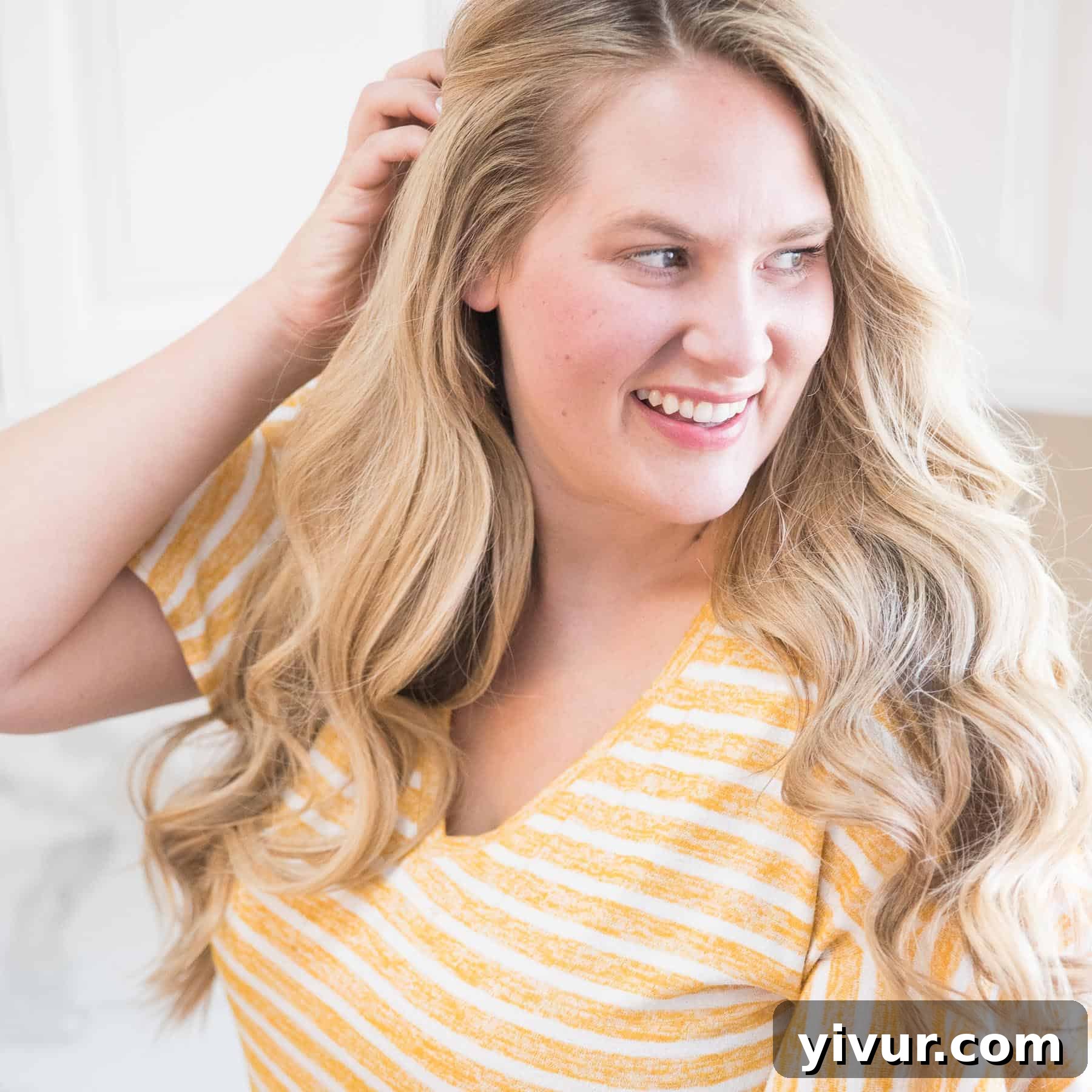
Navigating weight loss can be a transformative journey, but concerns about potential side effects like hair loss often arise. This comprehensive guide shares personal insights, effective preventative strategies, and expert tips to maintain robust, healthy hair throughout your weight loss transformation.
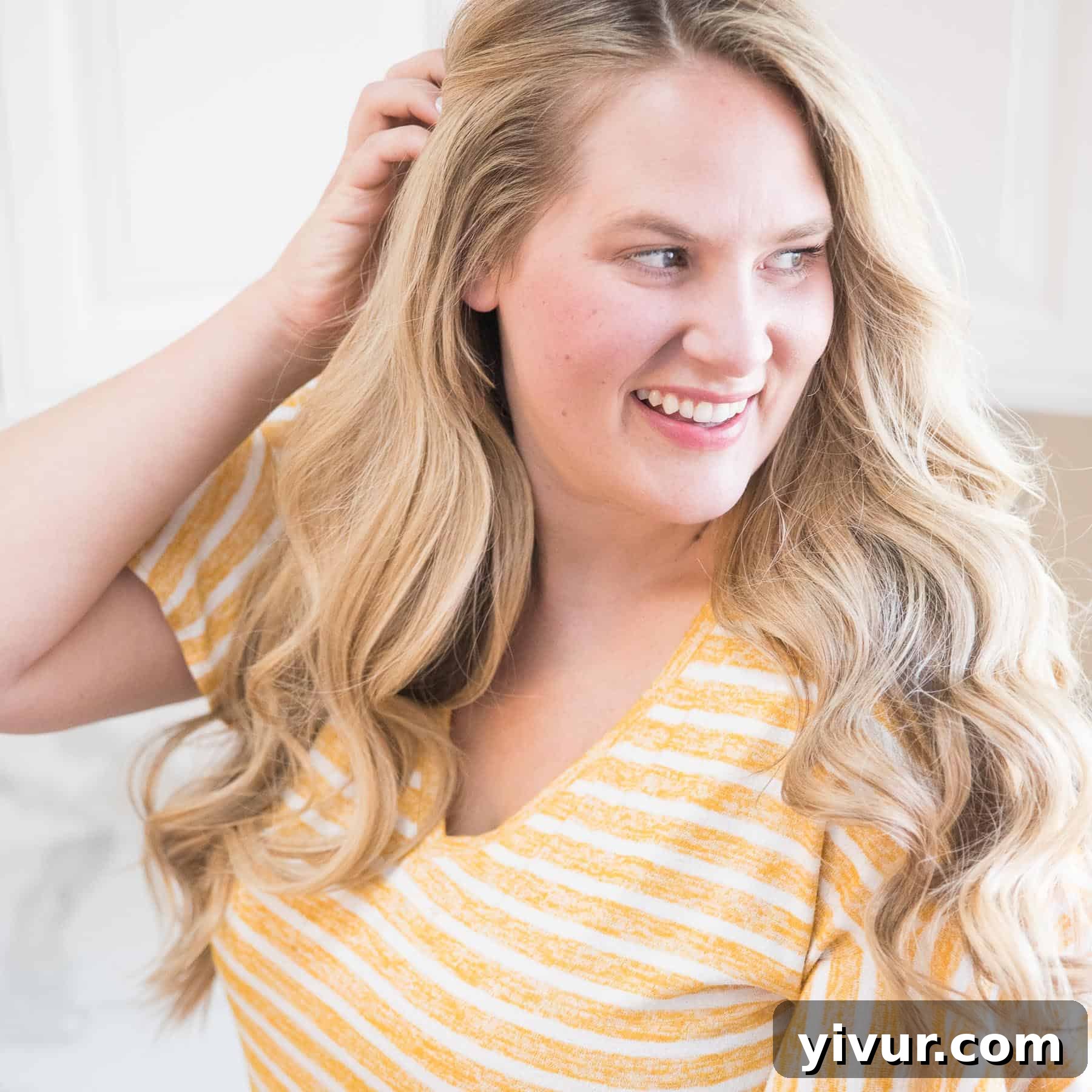
One of the most frequently asked questions I receive on my wellness journey, especially after successfully shedding 50 pounds in a mere six months while following a clean keto and Whole30 eating plan, is whether I experienced any hair loss. It’s a valid concern, as rapid weight loss or significant dietary changes can sometimes put stress on the body, manifesting in various ways, including changes in hair health. Many individuals report increased hair shedding, thinning, or even noticeable bald spots during or after a period of substantial weight reduction.
In this detailed article, I aim to address this common apprehension head-on. I will openly share my personal experience regarding hair loss during my weight loss journey, delve into the specific strategies I employed to prevent it, and ultimately provide actionable tips that you can incorporate into your own routine to maintain healthy, vibrant hair, regardless of your weight management goals. My objective is to equip you with the knowledge and tools to nourish your body and hair from within, ensuring your transformation leaves you feeling and looking your best, from head to toe.
Did I Experience Hair Loss When Losing Weight? A Personal Account
To put it simply and reassuringly: No, I did not! I consider myself incredibly fortunate in this regard, as I haven’t experienced any noticeable hair loss or excessive shedding since embarking on my clean keto lifestyle and achieving significant weight loss. This outcome was particularly surprising and relieving, given a specific concern I had.
Coincidentally, my youngest son was weaned from breastfeeding approximately three months after I initiated my weight loss journey. For many mothers, the cessation of breastfeeding is often accompanied by a temporary but significant period of postpartum hair loss, a phenomenon often attributed to fluctuating hormone levels. At that point, I had already lost a substantial 38 pounds. I genuinely worried that the combined stress of hormonal shifts from weaning and the dietary changes associated with rapid weight loss would lead to my hair shedding dramatically, perhaps even to an alarming extent. However, much to my delight and relief, it simply didn’t happen!
This positive experience solidified my belief that the comprehensive approach I adopted – focusing on nutrient-dense foods, specific supplements, and a mindful hair care routine – played a crucial role in safeguarding my hair’s health. My journey demonstrated that with the right strategies, it is entirely possible to achieve your weight loss goals without compromising the vitality and thickness of your hair. The following sections will outline the precise methods I used to keep my hair healthy and strong throughout my entire weight loss transformation.
8 Strategies for Maintaining Vibrant Hair During Your Weight Loss Journey
Maintaining healthy hair during a weight loss journey isn’t just about external care; it’s deeply rooted in internal nourishment and mindful practices. Here are the eight key strategies I diligently followed, which I believe were instrumental in preventing hair loss and keeping my locks lustrous and strong:
1. Prioritize Nutrient-Dense Whole Foods: Organic Vegetables & High-Quality Proteins
The foundation of my hair health during weight loss was unequivocally my diet, particularly my emphasis on nutrient-dense, whole foods. Many people associate “keto” with potential hair loss, often due to a misconception or the practice of “dirty keto,” where individuals consume highly processed, nutritionally deficient foods like fast-food patties topped with artificial cheese. This approach severely lacks the vital vitamins, minerals, and antioxidants essential for overall health, including hair vitality.
My plate, conversely, was consistently composed of at least two-thirds (and often more) organic, plant-based foods. I made a conscious effort to integrate as many vegetables as possible into every meal, with a particular focus on dark leafy greens like spinach, kale, and collards. A generous handful of spinach, for instance, was a non-negotiable addition to my eggs every morning. These vegetables are powerhouses of essential vitamins (A, C, E, biotin) and minerals (iron, zinc, magnesium) that are crucial for promoting healthy hair growth, strengthening follicles, and ensuring proper blood circulation to the scalp. Vitamin A supports sebum production, which naturally conditions the scalp, while Vitamin C is vital for collagen production and iron absorption. Biotin, a B vitamin, is often hailed for its role in hair health, and iron deficiency is a common cause of hair thinning.
Equally important was my unwavering commitment to consuming only the highest quality animal proteins and seafood. I maintain incredibly stringent standards for my meat sources, believing that the health of the animal directly correlates with the nutritional value of its meat. I prioritize humanely raised, 100% grass-fed and grass-finished cattle, ensuring they live in natural pasture environments. For poultry and pork, I select free-range options fed a 100% organic vegetarian diet. My seafood choices are exclusively wild-caught. This meticulous selection ensures that I am consuming leaner protein, a superior omega-3 to omega-6 fatty acid ratio, and a richer profile of essential amino acids, iron, and zinc. These nutrients are the building blocks of keratin, the protein that makes up our hair strands, and are absolutely vital for strong, resilient hair growth. Healthier animals yield healthier meat, which in turn delivers more bioavailable vitamins and minerals, translating directly to healthier, more robust hair.
For convenience and assurance of quality, I highly recommend ButcherBox. They consistently meet all my stringent meat standards, offering exceptional quality that is both affordable and incredibly convenient through their delivery service. Their products have been a delicious and reliable cornerstone of my healthy eating plan, supporting not just my weight loss but also my hair’s vitality.
2. Bridge Nutritional Gaps with a High-Quality Multivitamin
While a diet rich in organic produce and high-quality proteins provides a solid nutritional foundation, sometimes our bodies need a little extra support. Even with the most meticulous eating habits, it can be challenging to obtain 100% of every single vitamin and mineral daily, especially when undergoing significant body changes like weight loss. Nutrient deficiencies can be a silent culprit behind hair thinning or loss, with common offenders including inadequate levels of B vitamins (especially biotin and B12), Vitamin D, iron, and zinc.
To safeguard against any potential nutritional gaps and ensure my hair follicles received all the micro-nutrients they needed, I consistently incorporated a high-quality multivitamin into my daily routine. This acts as an excellent insurance policy, providing a broad spectrum of essential vitamins and minerals that work synergistically to support overall health, including the intricate processes involved in hair growth and strength. When selecting a multivitamin, it’s crucial to choose a reputable brand that offers bioavailable forms of nutrients, ensuring your body can effectively absorb and utilize them. This simple daily practice provided me with peace of mind, knowing I was doing everything possible to nourish my hair from within.
3. Boost Hair Strength with Collagen Peptides and Bone Broth
Collagen is the most abundant protein in our bodies, playing a critical role in the health and elasticity of our skin, nails, and crucially, our hair. As we age or undergo physiological stress (like rapid weight loss), our natural collagen production can decline, potentially impacting hair strength and growth. Incorporating collagen into my daily regimen was a deliberate strategy to counteract this and actively support my hair’s resilience.
Each day, I added a scoop of Vital Proteins collagen peptides to my morning coffee or tea. Hydrolyzed collagen peptides are highly bioavailable, meaning they are easily digested and absorbed by the body, delivering amino acids directly to the hair follicles. These amino acids are essential for building keratin, the primary protein component of hair, thereby strengthening individual strands, reducing breakage, and promoting thicker, healthier growth. Many users also report improvements in hair texture and shine.
Beyond supplements, I also regularly consumed homemade bone broth. This traditional elixir is a naturally rich source of collagen, gelatin, and a wealth of other beneficial compounds like amino acids (proline, glycine, glutamine), minerals (calcium, magnesium, phosphorus), and hyaluronic acid. These components work together to support not only hair health but also gut health, which has indirect but significant implications for nutrient absorption and overall well-being, directly impacting hair vitality. Bone broth is a holistic nutritional powerhouse that complements collagen supplementation beautifully, offering a natural and delicious way to nourish your hair from the inside out.
4. Hydration is Key for Hair Vitality
This tip might seem incredibly simple, but its impact on hair health is profound and often underestimated. Staying adequately hydrated is not just beneficial for your overall health, skin, and nails; it’s absolutely crucial for the vitality and growth of your hair. Our bodies, including our hair strands, are largely composed of water, and proper hydration ensures that essential nutrients are efficiently transported to the hair follicles, where growth occurs.
When you are dehydrated, your hair can become dry, brittle, and more prone to breakage. A well-hydrated scalp environment is also vital for healthy cell regeneration and for preventing issues like dryness and flakiness, which can hinder hair growth. Water helps maintain the structural integrity of hair cells, keeping strands strong, elastic, and less susceptible to damage. I made it a consistent habit to drink plenty of water throughout the day, aiming for at least 64 ounces daily. Carrying a reusable water bottle and sipping continuously helps maintain consistent hydration levels. This fundamental practice supports not only the external appearance of your hair but also its foundational health, making it an indispensable part of a comprehensive hair care strategy during weight loss and beyond.
5. Embrace Non-Toxic Hair Care Products
What we put on our hair is just as important as what we put into our bodies. Unfortunately, many conventional shampoos and conditioners are laden with synthetic chemicals, harsh sulfates, parabens, phthalates, artificial dyes, and strong fragrances. These ingredients can be incredibly abrasive, not only stripping your hair of its natural protective oils but also potentially irritating your scalp, disrupting hormonal balance, and being absorbed into your bloodstream, posing risks to your overall health and immune system over time.
The scalp is highly absorbent, and consistently exposing it to these toxins can lead to a range of issues, from dry, itchy scalp and dull hair to more serious concerns that can impede healthy hair growth. Opting for toxic-free hair care products is a proactive step toward protecting your hair and your body. I personally use and wholeheartedly recommend Herbal Essences’ line of toxic-free shampoo and conditioner, specifically their options that are EWG (Environmental Working Group) certified. This certification signifies that the products meet stringent standards for ingredient transparency and health safety, free from harmful chemicals. These products are also conveniently available in most drugstores and major retailers like Target, making them accessible. If you’re interested in extending this “toxic-free” philosophy beyond hair care, I’ve shared extensive details about how I transitioned my entire home to be toxic-free and my favorite clean swaps. Making this switch can significantly reduce the chemical burden on your body and allow your hair and scalp to thrive in a healthier environment.
6. Optimize Hair Washing Frequency
While cleanliness is important, over-washing your hair can actually do more harm than good, especially when trying to maintain its health during a period of body change. Your scalp naturally produces sebum, a protective oil that coats each hair strand, providing essential moisture, lubrication, and a natural barrier against environmental damage. This natural oil is crucial for maintaining hair’s softness, shine, and elasticity. Washing your hair every single day, particularly with harsh shampoos, strips away these vital natural oils, leaving your hair dry, brittle, and your scalp potentially irritated and prone to overproducing oil in an attempt to compensate.
Allowing your hair to retain its natural oils for longer periods promotes a healthier scalp ecosystem and stronger hair. I found that reducing my hair washing frequency significantly improved its overall condition. Most hair types benefit from washing only two or three times a week. Personally, I’ve managed to train my hair to go even longer, often washing it only once every two weeks. This might seem unconventional to some, but my hair adapted beautifully, no longer becoming oily quickly. The key is to find a frequency that works best for your hair type and lifestyle, gradually extending the time between washes to allow your natural oils to do their work. This simple adjustment can lead to remarkably healthier, more resilient hair, reducing the need for excessive conditioning and styling products.
7. Minimize Heat Styling for Healthier Strands
Excessive heat is one of the most damaging factors for hair. High temperatures from blow dryers, curling irons, and straighteners can strip the hair of its natural moisture, degrade its protein structure (keratin), and lift the cuticle, leading to frizz, dullness, split ends, and increased breakage. To protect my hair, I adopted a strategy of minimizing daily heat exposure without sacrificing style.
My approach involves getting a professional blowout every two weeks. During this session, stylists use a blow dryer and a 1-inch curling iron to achieve a polished look. The crucial part of this strategy is how I maintain the style afterwards. I utilize this amazing hair hack to make my curls and style last for days, often an entire week or more! This ingenious trick allows me to avoid using a curling iron or any direct heat on my hair every single day. By extending the life of my styled hair, I dramatically reduce the cumulative heat damage, preserving my hair’s natural strength and luster. When heat is absolutely necessary, using a good quality heat protectant spray is also paramount to create a barrier and minimize damage. This conscious effort to limit heat exposure is a game-changer for maintaining long-term hair health.
8. Simplify Your Hair Product Routine
In a market saturated with countless hair care products promising miraculous results, it can be tempting to overload your hair with various serums, sprays, gels, mousses, and leave-in conditioners. However, just as with toxic ingredients, excessive product use can actually be detrimental to hair health. Many styling products contain harsh chemicals, silicones, and heavy ingredients that can build up on the hair and scalp over time, suffocating follicles, weighing down strands, and leading to dullness, greasiness, and even irritation. This buildup can also make hair more difficult to clean, potentially requiring harsher shampoos, creating a vicious cycle.
My philosophy for hair products is one of minimalism: I primarily rely on a high-quality, toxic-free shampoo and conditioner. That’s it. I avoid using hair sprays, gels, mousses, or any other styling products on a regular basis. By stripping back my routine, I allow my hair to breathe, utilize its natural oils effectively, and avoid unnecessary chemical exposure or residue buildup. This simple approach has significantly contributed to the overall health, strength, and natural shine of my hair. Trusting in the power of good nutrition, proper hydration, and gentle care, rather than a plethora of products, is often the most effective path to truly healthy hair.