
Embrace Balance: Your Guide to Guilt-Free Indulgence and Swift Health Recovery
Navigating indulgent meals, especially during festive seasons or social gatherings, often comes with a complex mix of joy and apprehension. Many of us (myself included) find ourselves enjoying richer, more indulgent foods. While these moments are part of life’s tapestry, they can sometimes leave us feeling off-track, weighed down by guilt, or struggling to regain our healthy eating habits. This comprehensive guide shares the five foundational strategies I personally employ to support my health after indulgent eating, enabling me to effortlessly return to my wellness routine and truly savor those “treat meals” without a shadow of guilt.

This post is sponsored by Seed
The allure of special occasions, holidays, and social gatherings often involves an abundance of delicious, often rich, foods. For many, this can be a tricky tightrope walk between enjoying the moment and adhering to personal health goals. In the past, this scenario brought me immense stress. I’d fret about the meal days beforehand, overindulge significantly on the day itself, and then mentally berate myself afterwards, consumed by guilt. This destructive cycle frequently led to either extreme restriction in the days that followed, or, conversely, a continued spiral of indulgent eating, thinking, “well, I’ve already ruined it, might as well keep going.”
I also found myself making excuses to avoid these social meals altogether, just to escape the awkwardness of being the “health-conscious” person only eating salad at a Thanksgiving dinner or holiday party. Neither of these approaches ever served my well-being. They either robbed me of the joy of connection and celebration or trapped me in a self-defeating pattern of unhealthy eating. But as the saying goes, “when you know better, you do better.”
I’m grateful to have finally reached a point in my health journey where I can fully immerse myself in social gatherings, truly enjoy the indulgent food without reservation, and then confidently and smoothly transition back to my health-focused routine the very next day. This shift wasn’t magic; it was the result of implementing practical, mindful strategies that prioritize both physical recovery and mental well-being. By focusing on these proactive steps, I’ve learned to cultivate a healthier relationship with food, free from the shackles of guilt and the pendulum swing of restriction and overindulgence. It’s about building resilience and consistency, allowing for life’s pleasures without compromising long-term health.
Mastering the Bounce Back: 5 Essential Strategies for Post-Indulgence Recovery
Moving past the guilt and getting back to feeling your best is more straightforward than you might think. It doesn’t require extreme measures or punitive workouts. Instead, it involves a series of gentle yet effective strategies that support your body’s natural recovery processes and reinforce a positive mindset. Here are the five key practices I now swear by to reset and re-energize after an indulgent meal:
-
Prioritize Hydration: The Underrated Power of Water
After consuming richer, saltier, or sweeter foods, your body often experiences increased inflammation and water retention. Staying adequately hydrated is one of the simplest yet most impactful steps you can take to facilitate recovery. Water plays a crucial role in almost every bodily function, especially digestion and detoxification. It helps break down food more efficiently, aids in the absorption of nutrients, and flushes out waste products and excess sodium that can contribute to bloating and sluggishness.
My strategy is to consciously increase my water intake to at least eight glasses a day, often more. I make a point to sip water steadily throughout the day, not just when I feel thirsty. To make it more appealing, you can infuse your water with slices of lemon, cucumber, or mint, which can also offer additional digestive benefits. Crucially, I completely avoid sweetened beverages, including sodas, fruit juices with added sugar, and sugary coffee drinks. These can add unnecessary calories, contribute to blood sugar spikes and crashes, and further dehydrate you. By focusing on pure water, you help your system rebalance, reduce inflammation, and enhance feelings of lightness and energy, paving the way for a smoother return to your healthy eating patterns.
-
Embrace Nutrient-Dense Foods: Pack in the Power of Veggies
My old instinct after an indulgent meal was to restrict as much food as possible, hoping to “undo” the previous indulgence. However, this punitive approach is often counterproductive. It can lead to an unhealthy cycle of binging and restricting, fostering a sense of deprivation that inevitably backfires. Instead, my focus has completely shifted to nourishment, not punishment. I prioritize packing in as many nutrient-dense vegetables as I can, ensuring my body receives a wealth of vitamins, minerals, and fiber.
Fiber-rich vegetables are particularly beneficial as they promote satiety, support healthy digestion, and help stabilize blood sugar levels. Dark leafy greens like spinach and kale are powerhouses of nutrition, offering antioxidants and anti-inflammatory compounds. I get creative with how I incorporate them throughout the day: a savory frittata bursting with spinach and bell peppers for breakfast, a vibrant kale and pomegranate salad for lunch, and a warming, brothy chicken and vegetable soup for dinner. Other great options include roasted broccoli or Brussels sprouts, stir-fries loaded with colorful vegetables, or even blending greens into a smoothie. The goal is to flood your body with goodness, satisfying hunger with nutrient-rich options that aid in recovery and gently guide your palate back to healthier choices.
-
Nurture Your Gut: The Essential Role of Probiotics and Prebiotics
Our gut microbiome plays an extraordinary role in our overall health, influencing everything from digestion and immunity to mood and skin health. After indulgent eating, especially foods that may be high in sugar, unhealthy fats, or processed ingredients, the delicate balance of beneficial bacteria in our gut can be disrupted. This is where a high-quality probiotic becomes an invaluable ally.
Taking a daily probiotic is a simple yet profoundly effective way to support gut health and aid in digesting the rich foods you’ve consumed. It helps replenish beneficial bacteria, which in turn can improve digestive regularity, alleviate bloating, and enhance nutrient absorption. I incorporate a probiotic into my daily routine alongside my vitamins and supplements, ensuring my microbiome consistently receives the support it needs. However, it’s crucial to understand that not all probiotics are created equal.
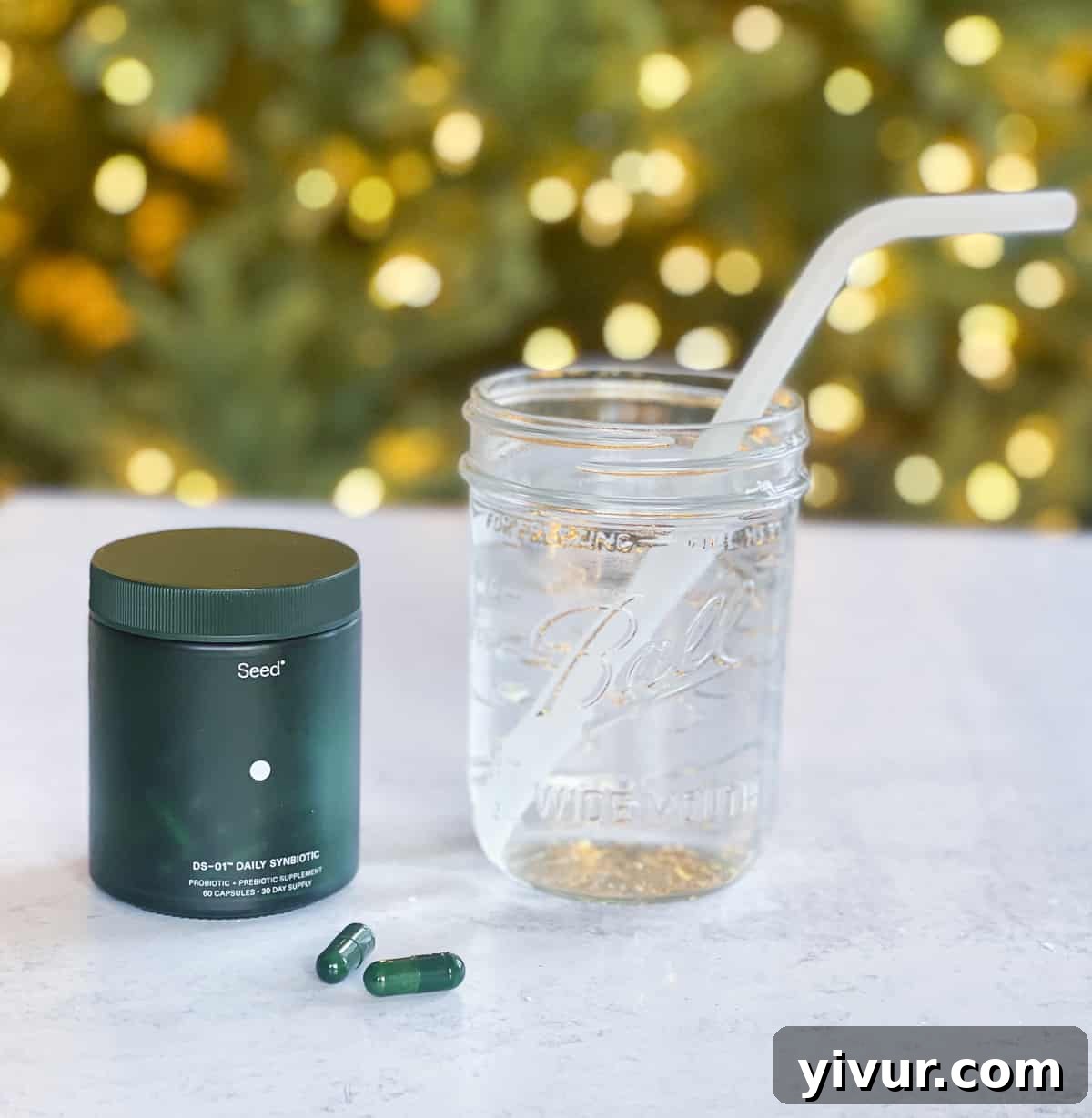
The best probiotic I’ve discovered, and the one I wholeheartedly recommend, is Seed’s DS-01™ Daily Synbiotic (you can use my affiliate code TASTESLOVELY for 15% off). What sets Seed apart is its innovative design and comprehensive approach. It’s not just a probiotic; it’s a synbiotic, meaning it contains both prebiotics and probiotics. The revolutionary 2-in-1 capsule design ensures 100% survivability through the harsh environment of the stomach acid, digestive enzymes, and bile salts, allowing the beneficial bacteria to reach your colon intact, where they can exert their full benefits. The outer prebiotic capsule acts as a protective shield for the inner probiotic capsule.
The proprietary inner probiotic capsule boasts 24 clinically- and scientifically-studied bacterial strains, each carefully selected for its specific health benefits. This powerful blend supports a wide array of physiological functions, including:
- Digestive Health: Promoting healthy regularity and easing discomforts like bloating, gas, and indigestion.
- Skin Health: Influencing the gut-skin axis for a clearer, more radiant complexion.
- Cardiovascular Health: Supporting heart health markers.
- Gut Barrier Integrity: Strengthening the gut lining, which is vital for immune function.
- Micronutrient Synthesis: Aiding in the production of essential vitamins.
There truly is no other probiotic on the market that offers such a meticulously engineered delivery system and a comprehensive blend of clinically validated strains. Consistent use of Seed has been a game-changer for my gut health, especially in supporting my body’s resilience after occasional indulgent meals.
-
Engage in Enjoyable Movement: Nourish Your Body, Not Punish It
In the aftermath of indulgent eating, there’s often a strong temptation to engage in strenuous, punishing workouts as a form of penance to “burn off” the extra calories and carbs. However, this approach can be detrimental, fostering a negative relationship with exercise and potentially leading to burnout or injury. Instead, I advocate for movement that brings joy, supports digestion, and enhances circulation, rather than feeling like a chore.
Gentle movement is incredibly beneficial for aiding digestion. Physical activity stimulates peristalsis, the muscle contractions that move food through your digestive tract, helping to alleviate feelings of fullness and bloating. It also boosts circulation, ensuring that oxygen and nutrients are efficiently delivered throughout your body, and helps the lymphatic system clear waste. Beyond the physical benefits, movement is a potent mood enhancer. It releases endorphins, natural chemicals that reduce pain and stress, contributing to a sense of well-being and reducing any lingering guilt.
Consider activities that you genuinely enjoy: a brisk walk outdoors, allowing you to connect with nature and clear your mind; a leisurely bike ride with family, fostering connection and gentle exertion; or even a thorough cleaning of your house, which provides physical activity while creating a calming, organized environment. Other options include light stretching, yoga, dancing to your favorite music, or gardening. The key is to choose movement that feels good for your body and your mind, transforming it from a “must-do” into a “want-to-do,” and reinforcing a positive, self-caring approach to your health.
-
Cultivate a Grateful Mindset: Releasing Guilt for Lasting Joy
Perhaps the most profound shift in my post-indulgence strategy has been moving away from guilt and embracing gratitude. In the past, I would be consumed by regret after eating delicious food, mentally beating myself up for “allowing” myself to enjoy it. This self-reproach didn’t just ruin the experience; it perpetuated a cycle of shame that often led to further unhealthy behaviors, such as thinking, “Well, I ate badly last night, so the whole week is ruined. I’ll just eat whatever I want until Monday.” This destructive thought pattern sabotaged my efforts and robbed me of true enjoyment.
Now, my biggest takeaway is to reflect on an indulgent meal with profound gratitude, not guilt. I choose to appreciate the delicious flavors, the company I shared, and the experience itself, rather than dwelling on the caloric intake. This simple yet powerful mindset shift transforms the entire aftermath. Instead of focusing on perceived failure, I acknowledge the joy and pleasure derived from the meal. This positive framing immediately puts me in a healthier mental space, allowing me to enjoy what I ate without the burden of guilt, and reinforcing the confidence that I will effortlessly return to my health goals afterwards. And I do! This approach fosters self-compassion, recognizes that occasional indulgence is a normal part of life, and empowers me to make conscious, healthy choices moving forward, knowing that one meal does not define my entire health journey.
Beyond the 5 Steps: Building Sustainable Habits for Lifelong Wellness
While these five strategies are incredibly effective for immediate post-indulgence recovery, true long-term health and a balanced relationship with food are built on consistent, sustainable habits. Think of these steps as powerful tools in your wellness toolkit, to be used not just after indulgence, but integrated into your daily life to foster overall well-being.
Beyond the immediate recovery, consider cultivating practices such as mindful eating – paying attention to hunger and satiety cues, savoring each bite, and eating without distraction. Incorporate regular meal planning to ensure a steady supply of nutritious options, reducing the likelihood of impulsive, less healthy choices. Most importantly, practice self-compassion. Understand that your health journey is not a linear path; there will be ups and downs, moments of indulgence, and periods of strict adherence. The ability to forgive yourself, learn from experiences, and gently guide yourself back on track is far more powerful than any restrictive diet or punitive workout regimen.
These strategies offer you the freedom to enjoy life’s culinary pleasures without fear or guilt. They empower you with control, allowing you to indulge mindfully and recover gracefully, ultimately building a resilient foundation for a healthy, happy, and balanced life. Consistency, patience, and a positive mindset are your greatest allies on this journey.