
The quest for the perfect cup of coffee often leads us down complex paths, with expensive machines and intricate brewing methods. But what if the secret to a rich, full-bodied, and incredibly satisfying brew was simpler, more authentic, and completely free from plastic pods or drip filters? Enter the **French press**, a classic brewing device that relies on simple immersion to extract the very best from your coffee beans.
This isn’t just a guide; it’s an invitation to experience coffee in its purest form. Forget your Keurig or complicated drip machines; all you need is a reliable French press, your favorite coffee, and a mere 10 minutes to craft a beverage so exceptional, it’ll transform your morning ritual into a moment of pure bliss. The flavor profile achieved through this method is so deep and robust that many enthusiasts, myself included, find no need for other coffee makers. It’s my daily ritual, and I’m thrilled to share exactly how to master it.
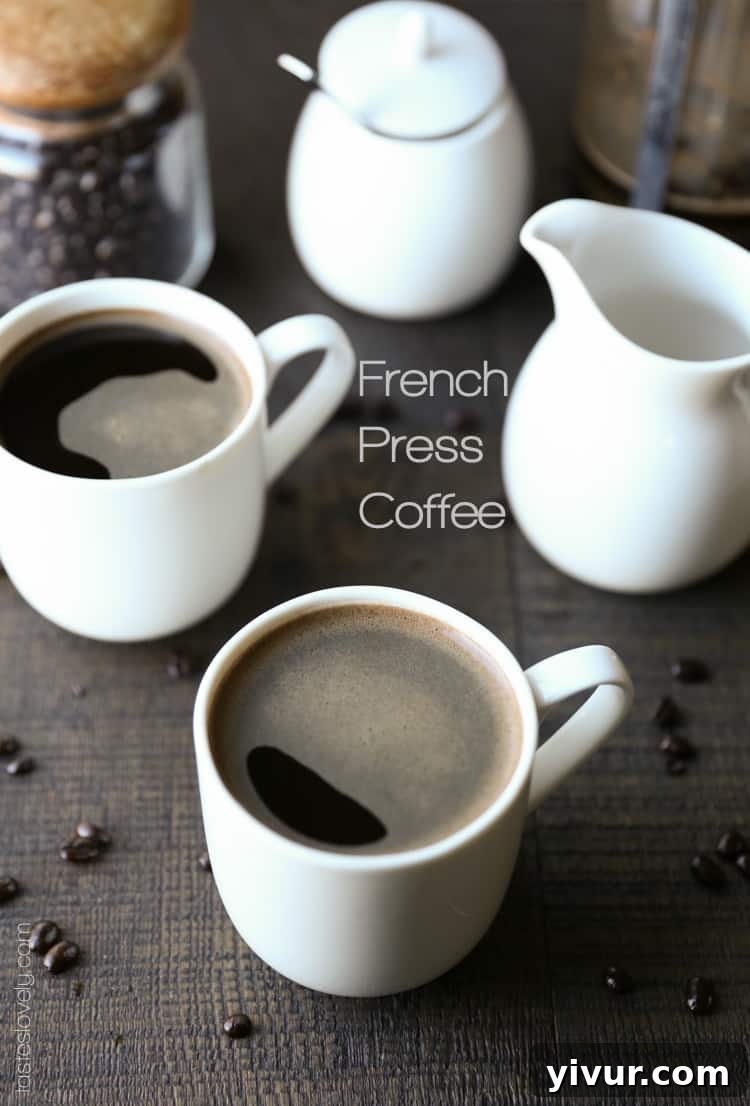
Why You’ll Fall in Love with French Press Coffee
There’s a reason the French press has endured for over a century, captivating coffee lovers around the globe. This simple yet profound brewing method consistently delivers a coffee experience unlike any other. Here’s why you’ll cherish every sip:
- Unrivaled Flavor Depth: Unlike drip coffee makers that filter out precious coffee oils, the French press allows these natural oils to remain in your cup. These oils are packed with aromatic compounds that contribute to the coffee’s complex flavors and rich mouthfeel, resulting in a brew that is incredibly deep, nuanced, and truly full-bodied.
- Smoothness Without Bitterness: When done correctly, French press coffee is remarkably smooth, with none of the harsh bitterness often associated with over-extracted or poorly filtered coffee. The precise coarse grind and controlled steep time prevent over-extraction, allowing the inherent sweetness and unique characteristics of your chosen beans to shine.
- Zero Sediment, Pure Enjoyment: While some novice French press users fear a gritty cup, this recipe ensures a clean, sediment-free experience. The key lies in the correct grind size and a slow, even press, which effectively separates the grounds from the liquid, leaving you with a clear, delicious brew.
- Simplicity and Authenticity: You don’t need any high-tech gadgets or a barista’s training. Beyond your French press, the only “special equipment” you might consider is a good burr grinder. No scales or thermometers are strictly necessary (unless you enjoy the scientific precision!), just hot water, quality beans, and a few simple tricks to achieve perfection.
- A Ritual to Savor: Brewing French press coffee is a mindful act. The process encourages you to slow down, appreciate the aromas, and connect with the craft of making coffee. It’s a satisfying ritual that rewards patience with an exceptional cup.
Try this method with a delightful breakfast spread, perhaps a Lemon + Cream Cheese Overnight French Toast Casserole, or enjoy it with your favorite dairy-free milk for an extra creamy finish. The versatility of French press coffee makes it the perfect companion for any occasion.
Essential Ingredients & Equipment for Your Best Brew
Crafting the perfect French press coffee begins with selecting the right components. While the process is simple, the quality of your ingredients and tools makes a significant difference in the final taste.
- High-Quality Coffee Beans: This is arguably the most critical ingredient. The type of roast dramatically impacts the flavor profile. A medium to dark roast is generally recommended for French press, as it brings out robust, bold flavors that stand up well to the immersion brewing method. Look for freshly roasted beans from a reputable source for the best results.
- Filtered Water: Coffee is 98% water, so the quality of your water matters. Tap water often contains minerals, chlorine, or other impurities that can impart off-flavors to your coffee. Using filtered water ensures a clean taste that allows the natural notes of your coffee beans to shine through. Heat it to just off the boil, ideally between 200-205°F (93-96°C).
- French Press: A sturdy and well-designed French press is essential. I personally love my 34 oz (approximately 1-liter) Bodum French press. It’s the perfect size for two generous cups of coffee or multiple servings for one avid drinker. Stainless steel options also exist for better heat retention and durability.
- Coffee Grinder: A good grinder is non-negotiable for French press. A burr grinder is highly preferred over a blade grinder because it provides a consistent, coarse grind. Blade grinders chop beans unevenly, leading to a mix of fine and coarse particles, which can result in bitter, muddy coffee.
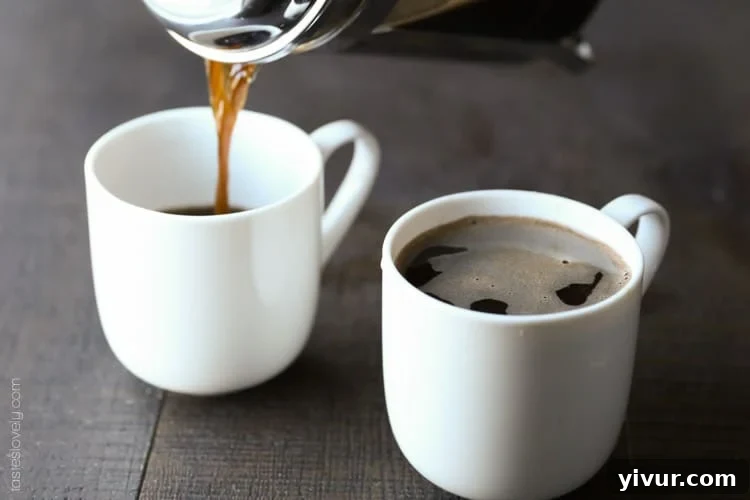
Ingredient & Equipment Notes for Optimal Flavor
Understanding the nuances of each element can elevate your French press experience from good to extraordinary. Here are some detailed notes to guide your choices:
- Grind Size is Paramount: For French press, your coffee grounds should be coarse, resembling sea salt or rough breadcrumbs. This texture is crucial because a coarse grind prevents over-extraction, which causes bitterness, and ensures the grounds don’t slip through the press’s filter, leading to sediment in your cup. If your coffee tastes bitter or muddy, the grind is likely too fine.
- Freshly Ground Beans: The difference freshly ground beans make cannot be overstated. Coffee begins to lose its aromatic compounds and flavor immediately after grinding. Grinding your beans just before brewing preserves their peak freshness, resulting in a much more vibrant and flavorful cup. Experiment with different roasts; a medium roast often provides a balanced flavor profile, sometimes with delightful chocolatey or nutty notes that are exquisite in a French press.
- Water Quality and Temperature: As mentioned, filtered water is key to a clean-tasting coffee. Beyond quality, temperature is vital. Water that is too hot (boiling) can burn the coffee, extracting undesirable bitter compounds. Water that is too cool won’t extract enough flavor, resulting in a weak and sour brew. Aim for water that is just off the boil, ideally between 200-205°F (93-96°C). If you don’t have a thermometer, simply bring water to a full boil and let it sit for about 30 seconds before pouring.
- Choosing Your French Press: While a Bodum is a popular and reliable choice, consider a double-walled stainless steel French press if heat retention is a priority. This will keep your coffee hot for longer, which is especially useful if you’re not planning to drink it all immediately. Regardless of material, ensure the plunger and filter fit snugly to effectively separate grounds.
How to Make the Best French Press Coffee: A Step-by-Step Guide
Follow these steps carefully to unlock the full potential of your coffee beans and achieve a consistently delicious French press brew.
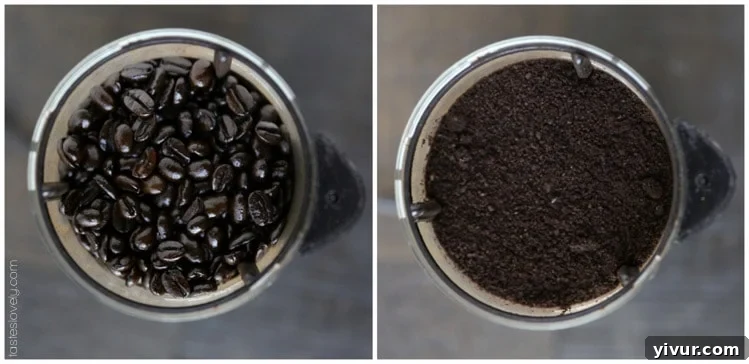
Step 1: Grind Your Coffee Beans. Begin by coarsely grinding your coffee beans. The ideal consistency is similar to coarse sea salt or rough breadcrumbs. If using a burr grinder, select a coarse setting. Avoid grinding too finely, as this will lead to a bitter taste and unwanted sediment in your cup.
Step 2: Heat Your Water. Heat your filtered water until it reaches just below boiling point, ideally around 200-205°F (93-96°C). If you don’t have a thermometer, bring the water to a full boil and then let it sit for 30 seconds to a minute before using. This slight drop in temperature is crucial for optimal extraction without scalding the coffee.
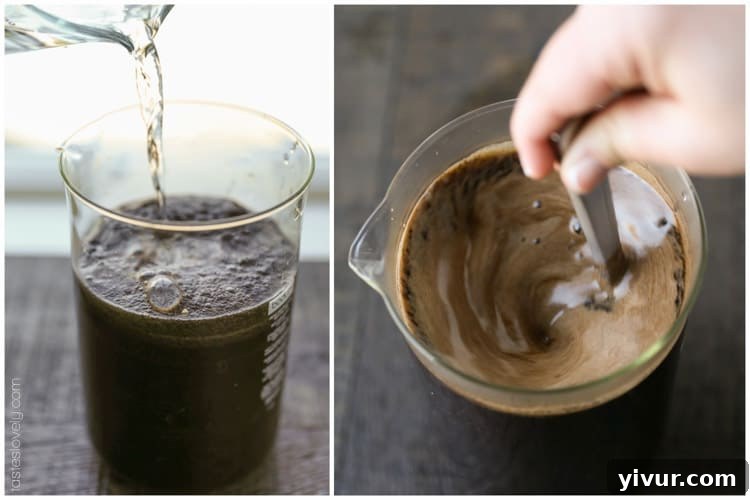
Step 3: Combine Coffee and Water. Add the coarsely ground coffee to the bottom of your French press. Pour the hot water evenly over the grounds, ensuring they are all saturated. Then, using a wooden spoon or stirring stick, stir vigorously for about 10-15 seconds to fully combine the grounds and water. This “bloom” phase helps release trapped gases and ensures even extraction.
Step 4: Steep for Optimal Flavor. Place the lid on your French press, but do not press the plunger down yet. Allow the coffee to steep for 5 minutes. This duration typically yields a deep, full-bodied brew. If you prefer a lighter taste, you can reduce the steep time to 3-4 minutes. For an even stronger brew, consider steeping for up to 6 minutes, but be cautious not to exceed this, as it may lead to an overly bitter flavor.
Pro Tip: The Bloom. For truly fresh coffee, after adding the hot water, let it sit for about 30 seconds before stirring. This allows the coffee to “bloom” as trapped CO2 escapes, preparing the grounds for optimal extraction. Then, proceed with stirring and steeping.
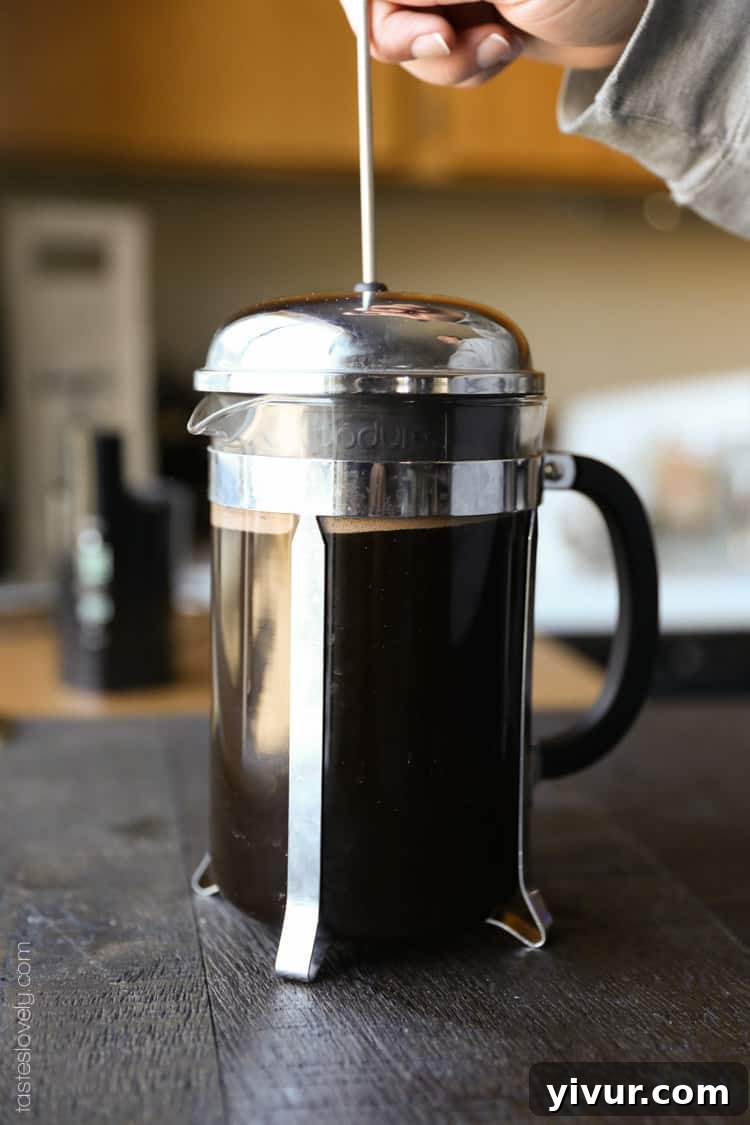
Step 5: Press the Plunger Slowly and Evenly. After the steeping time is complete, slowly and steadily press the plunger down. Apply consistent, gentle pressure. A slow press (taking about 20-30 seconds) is key to separating the grounds from the brewed coffee without agitating them, which could result in a cloudy cup or allow fine particles to pass through the filter.
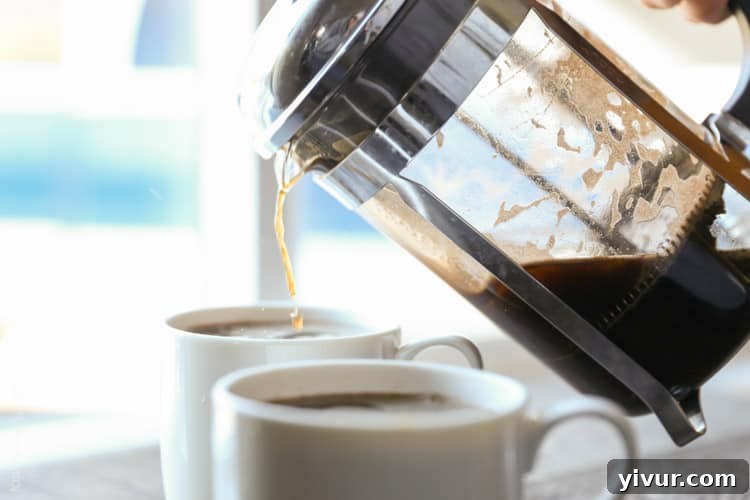
Step 6: Serve and Enjoy Immediately. As soon as you’ve pressed the plunger, pour the freshly brewed coffee into your favorite mug. Add cream, sugar, or any other flavorings if desired. You’ll be rewarded with a remarkably smooth, full-bodied brew, boasting a rich aroma and absolutely no trace of bitterness. I often enjoy mine black or with my Whole30 Homemade Almond Milk. Enjoy your perfect cup!
French Press Tips, Troubleshooting & Common Mistakes
Even with a simple method like French press, there are common pitfalls that can lead to a less-than-perfect cup. Master these tips and avoid these mistakes to consistently brew excellent coffee:
- The Importance of Grind Size: As reiterated, a coarse grind is absolutely critical. If your grind is too fine, the increased surface area leads to over-extraction, resulting in a bitter taste. Finer grounds also pass through the mesh filter, making your coffee muddy and gritty. Aim for particles about the size of coarse sea salt.
- Perfect Coffee-to-Water Ratio: A widely accepted and excellent starting point is a 1:15 coffee to water ratio. This means for every 1 gram of coffee, you use 15 grams of water. For a standard 34 oz (1 liter) French press, this translates to roughly ½ cup (about 55-60g) of whole beans to 4 cups (about 950-1000ml) of hot water. Adjust slightly to your personal taste – more coffee for stronger, less for milder.
- Don’t Rush the Steep Time: Patience is a virtue in French press brewing. Allowing the coffee to steep fully is essential for proper flavor extraction. Under-steeping (less than 3-4 minutes) will result in a weak, watery, and often sour brew. Over-steeping (beyond 6 minutes for most beans) can lead to bitterness and over-extraction. Five minutes is a fantastic balance for most medium to dark roasts.
- Plunge with Care and Deliberation: Resist the urge to press the plunger down quickly. A fast plunge can agitate the grounds, forcing fine particles through the filter and making your coffee cloudy and gritty. It can also create an uneven extraction. A slow, steady, and even press, taking 20-30 seconds from top to bottom, is the hallmark of a perfectly clear French press.
- Pre-heat Your French Press: Before adding coffee grounds, pour a little hot water into your French press, swirl it around, and then discard. This pre-heats the vessel, preventing the brewing water from losing temperature too quickly when it hits a cold container, ensuring a more stable and effective extraction.
- Don’t Let it Sit in the Press: French press coffee continues to steep as long as the grounds are in contact with the water, even after plunging. To avoid over-extraction and bitterness, pour all your coffee into a separate carafe or cups immediately after pressing.
- Cleaning is Key: Rinse your French press thoroughly immediately after use. Leftover coffee oils can turn rancid and impart unpleasant flavors to your next brew. Occasionally, fully disassemble the plunger and clean all mesh components to remove fine coffee particles.
Enhance your morning routine by pairing your exceptional cup of French press with Blueberry Overnight Oats with Protein Powder or, if you’re in a festive mood, a Whole30 Pumpkin Spice Latte (using your French press coffee as the base!).
French Press Coffee Frequently Asked Questions (FAQs)
- What’s the best ratio for French press coffee?
- A 1:15 ratio of coffee to water is an excellent starting point for a balanced brew. This translates to roughly ½ cup of whole coffee beans (about 55-60 grams) for every 4 cups (about 950-1000 ml) of hot water when using a 34 oz French press. Feel free to adjust slightly to find your personal preference.
- Why is my French press coffee bitter?
- Bitterness in French press coffee usually stems from two main issues: the grind is too fine, or the steep time was too long. A fine grind leads to over-extraction. Try adjusting your grinder to a coarser setting (like sea salt) and reduce your brewing time by 30-60 seconds to see if it improves.
- Can I use regular pre-ground coffee in a French press?
- Technically, you can, but it’s generally not recommended for the best results. Most pre-ground coffee is too fine for a French press, designed instead for drip coffee makers. Using fine grounds will likely lead to over-extraction, resulting in a bitter taste and a muddy cup with excessive sediment. For optimal flavor and clarity, always use freshly ground, coarse coffee.
- Do I need to stir the coffee before steeping?
- Yes, stirring is a crucial step! After pouring the hot water over the grounds, a gentle but thorough stir (for about 10-15 seconds) helps to fully saturate all the coffee particles. This ensures an even extraction and kick-starts the brewing process effectively. Skipping this step can lead to dry pockets of coffee grounds and an under-extracted, weaker brew.
- How long does French press coffee stay fresh?
- French press coffee is best enjoyed immediately after brewing and pressing. As soon as the coffee is separated from the grounds, it starts to cool and its flavor profile begins to change. If you can’t drink it all at once, transfer any remaining coffee to a pre-heated, insulated carafe to keep it warm and prevent further degradation of flavor for up to an hour or two. Do not leave it in the French press with the grounds, as it will continue to over-extract and become bitter.
There’s nothing quite like the mindful ritual of crafting French press coffee – just quality beans, perfectly heated water, and a few quiet minutes to yourself. Whether you’re new to this classic method or a daily devotee like me, mastering these techniques will ensure you make the best French press coffee every single time. It’s an experience that truly celebrates the art and science of coffee.
Did you love this recipe? Thank you! Please give this recipe a star rating and leave a review below. I respond to every one! Be sure to follow me on Instagram, Pinterest, TikTok, and Facebook. Tag me if you try a recipe!

How to Make the Best French Press Coffee at Home
2 big cups of coffee
5 mins
5 mins
10 mins
The best French press recipe starts with bold coffee beans and ends with a smooth, satisfying sip, no Keurig or drip machine required. Just a Bodum French press, your favorite roast, and 10 minutes to brew something worth waking up for.
Ingredients
- ½ cup of your favorite coffee beans
- 4 cups of water
- 34 oz french press
- coffee grinder
Instructions
-
Medium grind your coffee beans until they resemble coarse crumbs. You do not want to grind them too fine or they will go through the strainer on the french press and make your coffee grainy.
-
Boil your water in a tea kettle until just before boiling, or microwave on high for 5-8 minutes, until the water is hot but not boiling. The ideal temperature is about 205 degrees Fahrenheit.
-
Pour the coffee grounds into the bottom of your french press, then pour in the hot water and stir vigorously to combine. Allow to steep for 5 minutes (do less time if you prefer a lighter bodied coffee). After steeping, slowly and evenly press the plunger down to separate the coffee grounds from the liquid.
-
Serve immediately while hot. Flavor your coffee with cream and or sugar if desired.
Notes
- Grind: Coarse, like sea salt or rough breadcrumbs. If it’s too fine, your coffee will taste bitter and have sediment.
- Beans: Freshly ground beans make a huge difference. I often use a medium roast with chocolatey notes.
- Water: Filtered water helps avoid off flavors and highlights the natural taste of the coffee.
Calories: 2
,
Protein: 0.2g
,
Fat: 0g
,
Net Carbs: 0g
Please Leave a comment and give this recipe a rating!